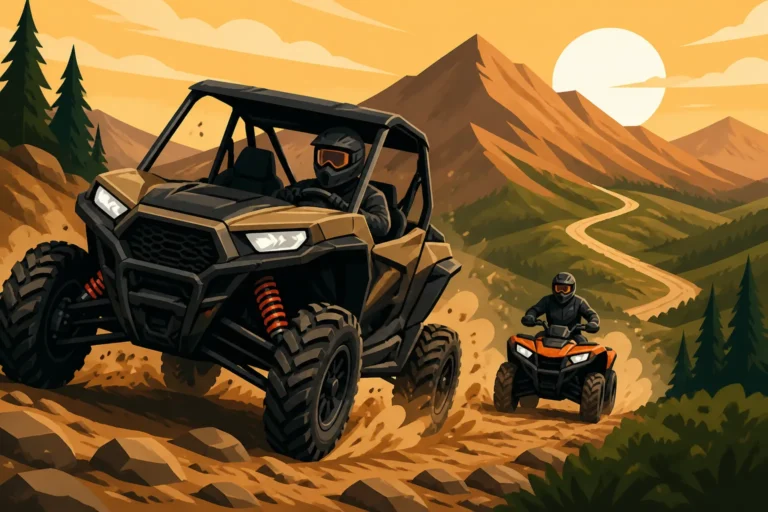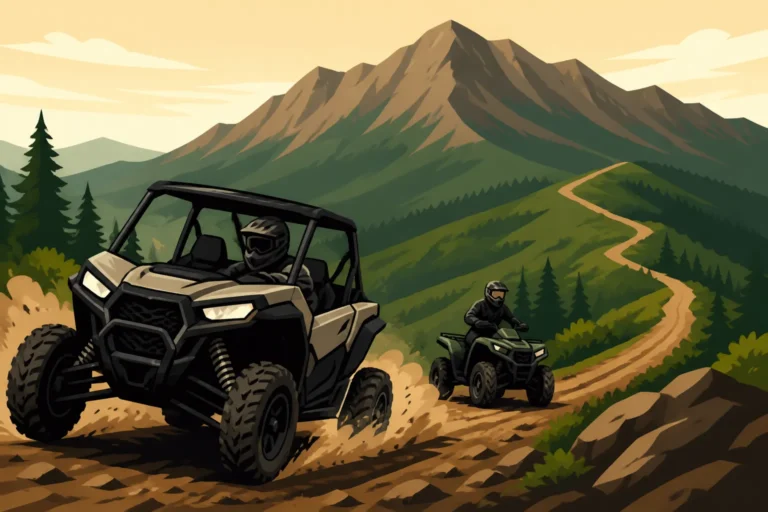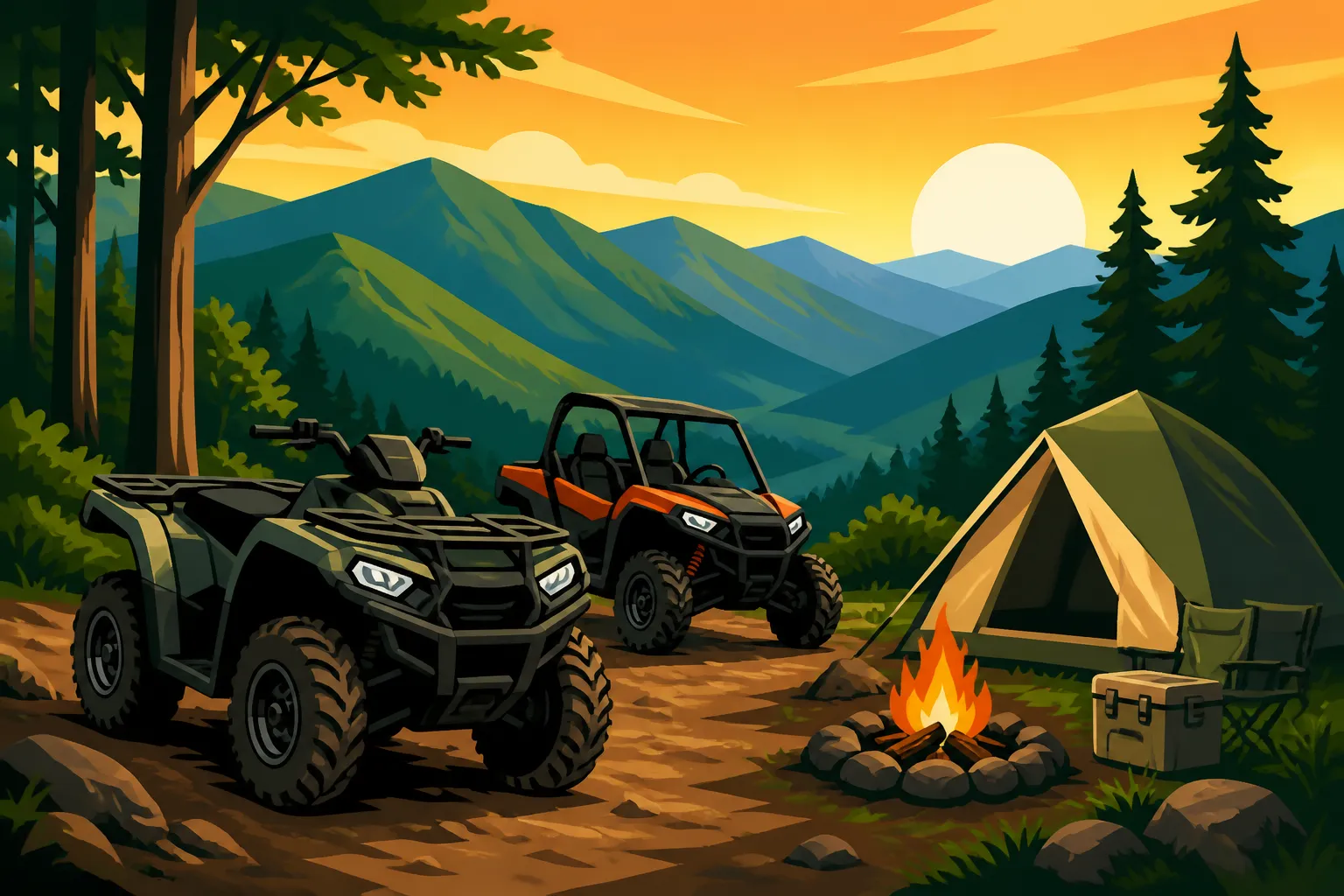
North Carolina ATV Camping Near the Trails
Planning a North Carolina ATV camping trip can get confusing fast: a campground may be close to a trail system without allowing you to ride from your site to the trailhead. This guide explains how to match a campsite with your riding area, sort out access and permits, and prepare for the practical details that can make or break a weekend outdoors.
Choose a camping area that matches your riding plans
North Carolina’s riding areas are spread across different forests and mountain regions, so “camping near the trails” can mean anything from a developed campground near a staging area to a private campground that requires you to trailer your machine. Start with the riding area, then confirm where you can camp and how you’ll get from camp to the trail.
Uwharrie and Badin Lake
The Uwharrie National Forest and Badin Lake OHV Trail Complex are popular choices for riders looking for a weekend in the Piedmont. Before booking, check which campground or campsite is open, what vehicle access it allows, and how far it is from your intended trailhead. A campground in the broader Uwharrie area is not necessarily connected to the OHV trails by a legal riding route.
Arrowhead Campground is one familiar name for riders planning a Badin Lake trip, but campground operations, access, and amenities can change. Confirm details with the managing agency before you load the trailer. If you plan to stay elsewhere, ask the campground directly whether trailers can be parked, whether machines can be unloaded on site, and whether riding from the property is permitted. For an overview of the riding area, see [Camping at Arrowhead Near Badin Lake] and [North Carolina's Badin Lake Trailheads].
Badin Lake’s trailheads and nearby recreation areas can draw heavy use on busy weekends. Arriving late may leave you with fewer choices for parking a truck and trailer, especially if your group brings multiple machines. It helps to decide in advance whether everyone will meet at camp or at the trailhead, and to share a specific meeting point rather than relying on cell service.
Brown Mountain and the western mountains
Brown Mountain OHV Trail System sits in the Grandfather Ranger District of Pisgah National Forest. The surrounding mountain terrain makes a campsite feel especially appealing after a long ride, but nearby lodging or a forest campground does not automatically include OHV access. Confirm whether the campsite allows your trailer and tow vehicle, and whether your route to the trailhead uses roads where your machine may legally travel.
Mortimer Campground is a name riders may encounter when planning around Brown Mountain. Check its current operating status, facilities, and vehicle restrictions before making plans; don’t assume that a campground is open or suitable for a particular rig just because it appears on an older map or in a previous trip report. The guide [Where to Camp Near Brown Mountain] can help you think through the area, while [Brown Mountain OHV Trail System] is a useful starting point for trail planning.
Wayehutta OHV near Cullowhee offers another western North Carolina option. In that region, steep roads, changing weather, and longer drives between services can affect both camping and riding plans. Make sure your campsite’s location works for your whole group, not just for the machine: a late-night trailer maneuver on a narrow mountain road can be stressful, particularly when the site is wet or crowded.
| Riding area | Camping plan to investigate | Key question before booking |
|---|---|---|
| Badin Lake and Uwharrie | Forest campground, recreation area, or private campground nearby | Can you park and unload a trailer, and is the trailhead reachable without riding illegally on public roads? |
| Brown Mountain | Campground or private lodging in the Grandfather District area | Is the site open, and what is the permitted route to the OHV trailhead? |
| Wayehutta | Campground, cabin, or other lodging near Cullowhee | How long is the drive to the trail access, and can your truck and trailer manage the approach? |
| A private off-road park | On-site or nearby private camping, if offered | Does camping include trail access, and are separate park rules or fees involved? |
Verify what “camping near the trails” actually allows
A campsite close to an OHV area may still have separate rules for parking, unloading, trail access, and overnight stays. Treat the campground and the riding area as two places with potentially different managers and regulations. Confirm both sides of the plan rather than assuming one permission covers everything.
Check the campsite and trailhead separately
Ask the campground or land manager whether overnight camping is allowed for your dates, whether reservations are required, and what kind of vehicles fit the site. A compact tent site may not accommodate a truck, enclosed trailer, and side-by-side. If the site has a length restriction or tight turn, ask for measurements or a description before arriving.
Then confirm how you’ll reach the riding area. Some riders camp in one location and trailer their machines to the trailhead each morning. Others may find an approved route that works for their setup. Do not assume you can ride along a forest road, campground road, or public road just because it seems like the shortest connection. Review [North Carolina Rules for Riding a Public Street] and [Forest Roads Open to North Carolina Machines] when road access is part of your plan.
A map can help you see distances and terrain, but it cannot grant permission to cross private land or use a closed road. Riders sometimes use onX Offroad to compare trail routes and nearby roads while planning. Treat any mapping app as a planning aid, then check the relevant land manager’s notices and maps for official access rules and closures.
Confirm permits, machine rules, and closures
Some public riding areas require a permit for each machine, and permit arrangements can differ by forest or trail system. Check what applies to your specific destination, where permits are sold, and whether you need to display or carry proof. A camping reservation is not a riding permit. For background, see [Do You Need a Permit for North Carolina Forest Trails?] and [North Carolina Forest OHV Permits].
Also verify the rules for the machine and the people riding it. Trail width limits, required safety equipment, age-related requirements, and passenger rules can affect whether a machine or rider is permitted on a given route. If you are traveling with children or using a rental, confirm the relevant requirements before the trip rather than sorting them out at the trailhead.
Closures can follow storms, maintenance work, seasonal schedules, or other management decisions. Check for alerts shortly before departure, especially if your trip depends on one specific trail system. If an area is closed, don’t try to improvise a route around a gate or take a side trail that is not marked open. [North Carolina Trail Closures to Check First] is a helpful reminder to make trail status part of your final pre-trip check.
Match your campsite to your group and equipment
The best campsite is not always the one closest to the trail. Consider how many machines you’re bringing, whether anyone needs accessible facilities, how your group sleeps, and whether everyone is comfortable with the drive to the trailhead. A little planning can prevent a cramped site or a long, frustrating setup after dark.
Choose developed camping or private lodging
Developed campgrounds can be a good fit if your group wants established facilities, designated sites, or a more predictable place to park. But amenities vary, and a site that works for a tent may not work for a large trailer. Ask whether the campground allows machine transport and overnight parking, and whether there are quiet-hour, generator, or vehicle rules that affect your plans.
Private campgrounds, cabins, and off-road parks may offer a different combination of convenience and restrictions. Some may be close to riding but require you to trailer to a public trailhead; others may have their own riding rules or access arrangements. Get the details in writing where possible, including whether your reservation covers only lodging or also includes riding access. [North Carolina's Private Off-Road Parks] can help you consider that option.
For a group with mixed preferences, a cabin or campground near the riding area may be more practical than trying to keep everyone in one tent site. One person may want a quieter night, while another wants an early trail start. Agree on departure times, vehicle arrangements, and where to meet before the first morning, when everyone is tired and ready to ride.
Plan for trailers, weather, and basic comforts
Measure your truck-and-trailer combination and think about how much room you need to turn around. A narrow campsite entrance, soft ground, or a steep driveway can become a real problem when you’re towing. If you’re traveling with more than one machine, ask whether there is overflow parking and whether a second vehicle can stay near the site.
Mountain weather can change quickly, while Piedmont summer rides can be hot and humid. Pack for both the forecast and the possibility that conditions shift: rain gear, layers, dry storage for bedding, and enough water for the group. Keep food secured, follow the campground’s food-storage rules, and use designated fire areas only when fires are allowed. If conditions are dry or windy, a fire plan that depends on a campfire may not be realistic.
Think through cleanup as well. Muddy gear, wet boots, and dusty helmets can make a small tent or vehicle unpleasant by the second day. Bring separate bags or bins for dirty equipment, and check whether the campground has water or wash facilities before counting on them. A convenient wash area is useful, but don’t wash mud or fuel residue into a creek or drainage area.
Build a practical camping and riding checklist
A comfortable trip depends on more than choosing a campsite. Confirming access, organizing gear, and making a backup plan can save time when the trailhead is busy or weather disrupts your schedule.
Confirm the details before you leave
A few days before departure, contact the campground or land manager to check that your reservation, access route, and parking plan still make sense. Confirm the trail system’s status and permit process through the appropriate official channels. If your plans depend on a particular trail, identify a backup riding area or a non-riding activity nearby in case of a closure.
Use a mapping tool such as onX Offroad to review your route and understand the general layout, but compare it with current official information. Download or save what you need before entering areas where phone service may be unreliable. Tell someone outside the group where you’ll be camping and when you expect to return, particularly if you’re riding remote mountain routes.
Before loading, check your machine, trailer tires, tie-downs, lights, and hitch. Bring basic repair supplies suited to your machine, along with a first-aid kit and a way to communicate if a phone has no signal. If you’re riding as a group, agree on a pace and regrouping points so a rider who falls behind is not left guessing where everyone went.
Use this final pre-trip checklist
- Confirm the campsite. Verify reservation details, arrival instructions, site size, trailer parking, and any rules about unloading or generators.
- Confirm trail access. Check the official trail status, permitted entrance, machine requirements, and whether riding from camp is allowed.
- Sort out permits. Find out whether each machine needs a separate permit and how to obtain or display it.
- Plan the drive. Check towing access, fuel stops, trailer parking, and an alternate route if the approach is difficult.
- Pack for camp and trail. Bring riding gear, weather-appropriate clothing, water, food storage, lighting, and supplies for dirty or wet equipment.
- Set a backup plan. Choose another activity or destination in case a trail closes or your campsite cannot accommodate your setup.
For a trip centered on Badin Lake, you can also review [North Carolina's Badin Lake Trailheads] and [Parking a Trailer at a Badin Lake Trailhead] while deciding how your campground and riding-day logistics fit together. If you’re heading to Brown Mountain, check [Camping Near a North Carolina Trailhead] alongside the current forest information so that your overnight plan and trail access are treated as separate parts of the trip.
Disclaimer
This article is for general informational purposes only and does not constitute professional advice. Laws, prices and regulations vary by location and change over time. Consult a qualified professional for guidance on your specific situation.