Titling Before a North Carolina Trail Trip
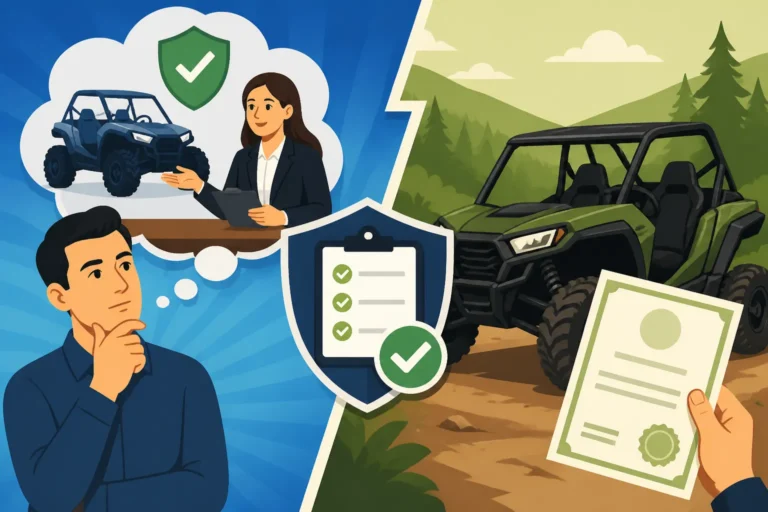
You've just planned an awesome ATV or UTV trip to the Uwharrie National Forest or Brown Mountain, perhaps even dreaming of those dusty trails and creek crossings. But then, a nagging thought creeps in: "Do I actually have all my machine's paperwork in order for North Carolina?" It's a common worry, especially with North Carolina's unique approach to ATV regulation, where registration isn't required but titling is a whole different ballgame. This guide will clarify why getting your ATV or UTV titled before you hit those glorious trails is a smart move, even if not always mandatory, and walk you through the practical steps to ensure you're squared away.
Why Titling Your ATV Matters, Even Without Registration
It's a common misconception that since North Carolina doesn't require ATVs to be registered, you don't need to bother with a title. Many riders, especially those new to the state or the sport, get tripped up by this. The truth is, while you won't be getting a license plate or annual sticker for your off-road machine in North Carolina, a title serves a completely different, yet incredibly important, purpose. It's all about proving ownership and protecting your investment, whether you're heading to the [Badin Lake OHV Trail Complex] or just riding on private land.
Proving Legal Ownership of Your Machine
Think of your ATV's title as its birth certificate and deed rolled into one. It's the official document issued by the North Carolina Division of Motor Vehicles (NCDMV) that legally establishes who owns the machine. Without it, proving that the quad in your shed or on your trailer is actually yours can become incredibly difficult, especially in certain situations. Imagine trying to sell your machine or even just crossing state lines for a ride without solid proof of ownership; it can lead to all sorts of headaches and delays.
This proof of ownership becomes paramount when dealing with law enforcement, particularly if your machine is ever stolen. If a North Carolina State Trooper or a Forest Service officer asks about your ATV's ownership, presenting a clear, official title is the best way to avoid suspicion or lengthy questioning. Even though [Titling an ATV in North Carolina Is Optional], having that piece of paper makes your life a lot easier. It explicitly states who is the rightful owner, offering a layer of legal protection that you simply don't get with just a bill of sale, which can be easily lost or forged.
Protecting Your Investment
Your ATV or UTV is a significant investment, often costing thousands of dollars. Protecting that investment goes beyond just maintenance and proper storage; it extends to having the right legal documentation. A title provides that essential protection. If your machine is ever stolen, having a title is often the first step in reporting the theft to the authorities and, crucially, to your insurance company. Without a title, proving you ever owned the machine can be a bureaucratic nightmare, potentially delaying or even jeopardizing an insurance claim.
Furthermore, a title is often a prerequisite for obtaining financing if you're buying a new or late-model machine. Lenders want to see a clear title to secure their interest in the property. They won't hand over a loan for a machine that doesn't have an official chain of ownership. So, if you plan on using a bank loan to purchase your next quad or side-by-side, having a title is non-negotiable. For a deeper dive into the benefits, check out [Why a North Carolina Title Is Worth Having]. It's not just about compliance; it's about safeguarding your assets and ensuring smooth transactions in the future.
What North Carolina Considers an ATV for Titling Purposes
Navigating the exact definitions for off-road vehicles in North Carolina can feel a bit like reading ancient scrolls. The state has specific classifications that determine whether your machine even can be titled, and these definitions are important to understand before you head to the DMV. You might call your machine a quad, a side-by-side, or a utility vehicle, but the NCDMV has its own rulebook.
Distinguishing ATVs from Other Off-Road Vehicles
For titling purposes, North Carolina generally defines an all-terrain vehicle (ATV) as a motor vehicle that is designed primarily for off-road use and is not designed for highway use. It typically has a seat designed to be straddled by the operator and handlebars for steering, and is usually less than 50 inches in width, weighing less than 900 pounds, and having four tires. This definition covers most traditional quads you see ripping up the trails. However, the landscape of off-road machines has grown, and with it, the potential for confusion.
Where it gets tricky is with utility terrain vehicles (UTVs) or side-by-sides. Many UTVs, while designed for off-road use, exceed the 50-inch width limit or the 900-pound weight limit of a traditional ATV. For the most part, if your machine is specifically built for off-highway use and doesn't meet the criteria for a "Modified Utility Vehicle" (MUV), it generally falls under the same titling rules as a traditional ATV. The key is its primary design for off-road operation, not street legality. For more detail on how the state classifies these machines, refer to [What North Carolina Counts as an ATV].
The Special Case of Modified Utility Vehicles (MUVs)
Now, here's where things can get a bit more complex, and it’s critical to understand if you happen to own a larger UTV that you might want to consider street-legal in very specific circumstances. North Carolina has a distinct classification for what it calls a Modified Utility Vehicle (MUV). This isn't just a UTV; it's a UTV that has been specifically modified and inspected to meet certain safety and equipment standards, allowing it to be registered and operated on certain public roads.
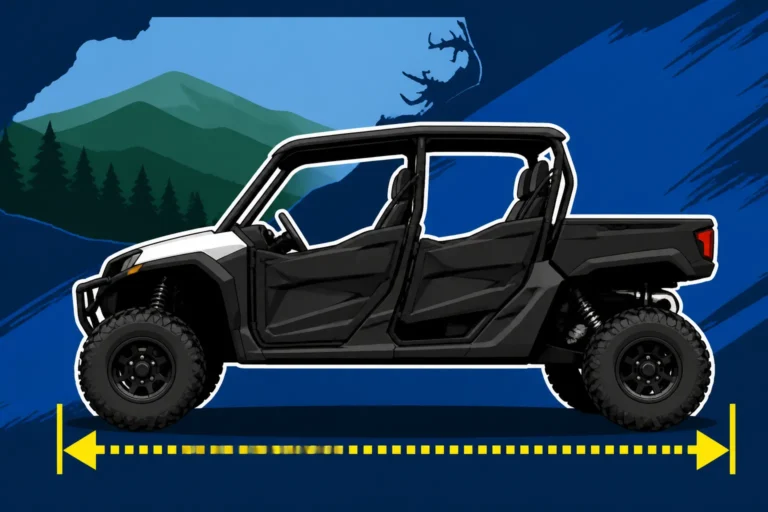
An MUV has to jump through several hoops to earn its registration. We're talking about specific dimension requirements—like [The 142-Inch Length Requirement], [The 58-Inch Width Requirement], and [The 70-Inch Height Requirement]—along with an engine size that's [Why an MUV Needs More Than 2,400cc]. It also needs to be capable of reaching [40 mph to Qualify as an MUV] and possess a [A VIN Assigned by the North Carolina DMV]. If your UTV meets all these criteria and you go through the inspection and modification process, it then moves beyond mere titling and can actually be registered for limited road use, a status traditional ATVs can't achieve. This is a very different path than simply titling your machine for off-road use. For most riders just looking to hit the trails, their machine will not be an MUV.
The Titling Process for Your ATV in North Carolina
Alright, so you're convinced that titling your ATV or UTV is the right move for your peace of mind and protection, especially before a big trip to the trails. Now, let's talk about the practical steps you'll need to take to get that title in hand. It's less daunting than it sounds, but it does require attention to detail and gathering the correct paperwork.
Gathering the Necessary Paperwork
The first and most crucial step is to gather all the required documents. Without these, your trip to the DMV or tag office will be a wasted effort. The exact forms and supporting documents you need can vary slightly depending on whether your machine is brand new, used, or coming from out of state, but there's a common core of items.
At a minimum, you'll need the following:
- North Carolina Title Application (Form MVR-1): This is the fundamental form where you'll provide all the details about yourself and your ATV.
- Manufacturer's Statement of Origin (MSO) or previous title: If your ATV is new, the dealer will provide an MSO. If it's used, you'll need the previous owner's signed-over title.
- North Carolina All-Terrain Vehicle Affidavit (Form MVR-60): This is a key document that confirms your ATV is not intended for highway use. [North Carolina Form MVR-60 Explained] is a great resource if you have questions about this specific form.
- Proof of Identity: A valid driver's license or state ID.
- Payment for Fees: Be prepared for the titling fee and the Highway Use Tax.
For a used machine, you'll also need a [North Carolina Bill of Sale for an ATV] and potentially a [North Carolina Damage Disclosure on Form MVR-1A]. If you bought it out of state, there might be additional requirements for verification. Always double-check the NCDMV website or call your local tag office to confirm the exact documents needed for your specific situation. This preparation will save you immense time and frustration.
Completing the Title Application (Form MVR-1)
Once you have your stack of papers, it's time to accurately fill out the North Carolina Title Application, Form MVR-1. This form looks straightforward, but precision is key. You'll need to provide your full legal name, address, and contact information. Then, you'll enter the details of your ATV: its Vehicle Identification Number (VIN), make, model, year, and fuel type. Don't guess on any of this information; pull it directly from the MSO or previous title to avoid discrepancies.
One critical section often overlooked or misunderstood is the odometer reading. Even though ATVs don't have odometers in the same way cars do, the form still requires a mileage entry. For an ATV, you'll typically enter "exempt" or "not applicable" if there's no functioning odometer. If you're transferring a title, make sure the previous owner's signature and the date of sale are correctly filled out on their portion of the MVR-1 or on the back of the previous title. It's often helpful to have the previous title in front of you while completing your MVR-1 to ensure continuity. For comprehensive instructions on this specific form, consider reading [North Carolina Title Application on Form MVR-1].
Paying Fees and Highway Use Tax
Getting your ATV titled in North Carolina isn't free, and there are two primary costs you'll encounter: the titling fee itself and the North Carolina Highway Use Tax. The titling fee is a relatively small, flat rate charged by the NCDMV for processing your application and issuing the title. This is a standard administrative fee.
The more significant cost for most people will be the [North Carolina's 3 Percent Highway Use Tax]. This tax is applied to the purchase price of your ATV (or its market value if it's a gift or if the purchase price seems unusually low). It's crucial to understand that even though your ATV isn't driven on the highway, North Carolina levies this tax on the transfer of ownership of most vehicles, including ATVs, in lieu of a traditional sales tax at the point of sale. If you bought your machine from a dealer, they might handle collecting this for you, but if it was a private sale, you'll be responsible for paying it directly to the DMV when you title the machine. You can find more information about this tax in [Highway Use Tax Instead of Sales Tax in North Carolina]. Be sure to bring enough funds to cover both the titling fee and the Highway Use Tax, typically payable by cash, check, or credit/debit card, depending on the specific tag office.
Common Pitfalls and How to Avoid Them
Even with the best intentions, the titling process can sometimes hit a snag. Knowing the common issues ahead of time can help you avoid unnecessary delays and frustration, ensuring your ATV is legally ready for your next adventure without a hitch.
Incomplete or Incorrect Paperwork
One of the biggest culprits for delays is incomplete or incorrect paperwork. It's incredibly easy to miss a signature, misinterpret a field, or accidentally leave something blank. For example, many people forget to get the seller's signature on the [North Carolina ATV Bill of Sale Requirements] or the previous title if they're buying used. Others might make a mistake on the VIN, causing the application to be rejected.
To avoid this, treat your paperwork like gold. Fill out every form carefully, double-checking each entry against your MSO or previous title. If you're using a generic bill of sale, or even drafting one yourself for a private transaction, resources like LawDepot can provide useful templates to ensure all the critical details, like the VIN, purchase price, and contact information for both buyer and seller, are explicitly included. When in doubt, call your local NCDMV tag office before your visit and ask them to confirm exactly what forms and information you'll need for your specific scenario. A few minutes on the phone can save you hours of re-scheduling and re-visiting.
Issues with the Vehicle Identification Number (VIN)
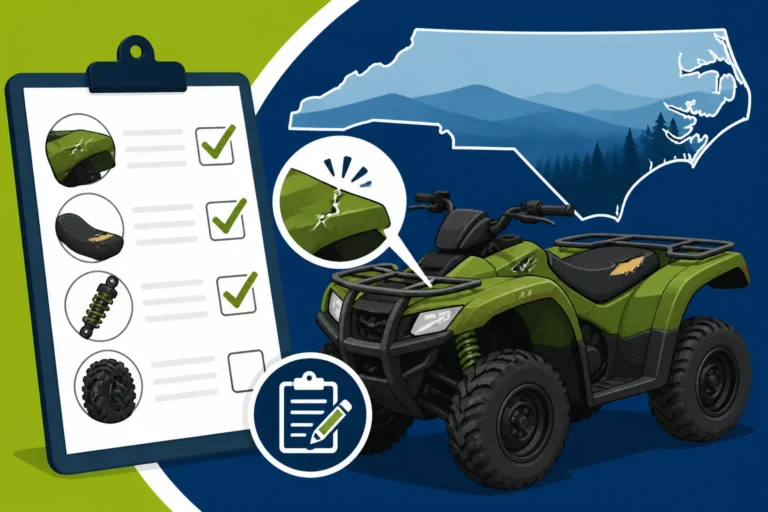
The VIN is your ATV's unique identifier, much like a social security number for a person. Any discrepancy with the VIN can bring your titling process to a screeching halt. Common issues include a VIN that doesn't match between the paperwork and the machine, a VIN that appears to be altered, or a VIN that isn't clearly readable on the machine itself. Before you even think about buying a used ATV, it's absolutely crucial to physically inspect the VIN on the machine and compare it to the VIN on the title or MSO.
If you're dealing with a used machine, consider running a [Checking a VIN Before a North Carolina Purchase] report. This can reveal if the machine has been reported stolen, salvaged, or has any other red flags associated with its history. If the VIN is missing or unreadable, you'll need to go through a separate process with the NCDMV to have a new VIN assigned, which adds significant time and effort. Never buy a machine if you're suspicious about the VIN; it's a surefire way to get tangled in legal trouble or end up with a machine you can't legally title.
Delays in Processing and Receiving Your Title
After you've submitted all your paperwork and paid your fees, it's natural to expect your title back quickly. However, processing times can vary. While some tag offices might be able to issue a temporary registration document on the spot (if applicable for an MUV), the actual physical title for an ATV is typically mailed to you. This means there will be a waiting period. During peak times, or if there are any minor issues with your application that require review, this wait can be extended.
It's important to set realistic expectations for [North Carolina ATV Title Processing Time]. Don't plan a trip for next weekend if you're just submitting your title application today. Give yourself ample lead time. If you haven't received your title within the expected timeframe, you can usually contact the NCDMV to inquire about its status. Remember, without that physical title in hand, you're back to square one if you need to prove ownership for a sale or certain legal situations.
Special Scenarios: Buying Used, Inherited, or Out-of-State Machines
Life isn't always a straight line from dealer to owner, especially with ATVs. Many riders buy used, inherit a machine from a family member, or bring their beloved quad with them when they move to North Carolina. Each of these scenarios comes with its own set of considerations for titling.
Titling a Used ATV from a Private Seller
Buying a used ATV can be a fantastic way to get into the sport without breaking the bank. However, purchasing from a private seller means you are responsible for ensuring all the paperwork is correct for the title transfer. The most important document here is the previous owner's signed-over title. Make sure the seller properly signs and dates the "Assignment of Title" section, transferring ownership to you. Without this, the NCDMV cannot process your title application.
You should also obtain a detailed bill of sale from the seller. While the NCDMV may not always explicitly require it for a title transfer if the previous title is properly assigned, it's a crucial document for your records and for determining the Highway Use Tax. A comprehensive bill of sale, perhaps using a template from a service like LawDepot, will include the full names and addresses of both buyer and seller, the ATV's VIN, make, model, year, the purchase price, and the date of sale. This protects both parties and provides a clear record of the transaction. For more specifics, look into [Buying a Used ATV in North Carolina].
Titling an Inherited ATV
Inheriting an ATV from a loved one can be bittersweet, and dealing with the associated paperwork can add stress during a difficult time. However, North Carolina has a process for [Titling an Inherited Machine in North Carolina]. Typically, you'll need the original title, if one exists, along with documentation proving your legal right to inherit the machine. This could be a copy of the deceased owner's death certificate and either a certified copy of the will naming you as the inheritor or documentation from the probate court appointing you as the executor or administrator of the estate.
If the original title is missing, you'll need to apply for a duplicate title first, or the executor of the estate may need to apply for the title in the estate's name before transferring it to you. The NCDMV will want to see a clear chain of custody and legal authority to transfer ownership. It's often best to call the NCDMV directly or consult with a legal professional specializing in estate matters to ensure you have all the specific documents required for your situation.
Bringing an Out-of-State Machine to North Carolina
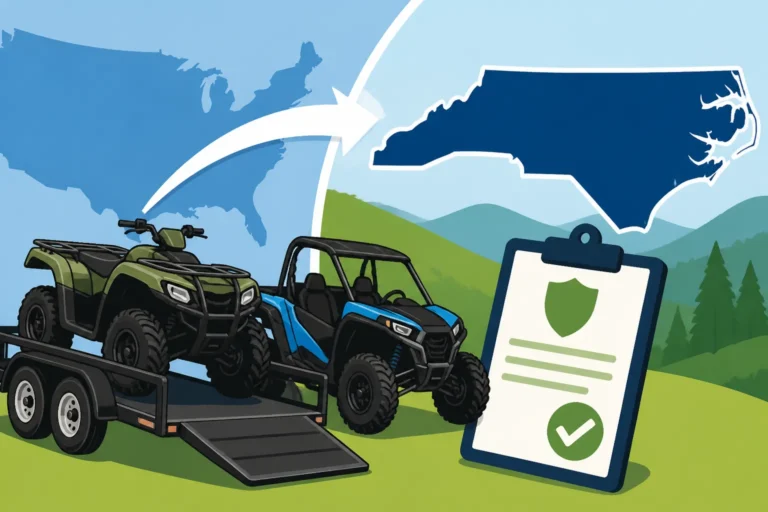
If you're relocating to North Carolina or simply purchased an ATV from a dealer or private seller in another state, you'll need to title it in North Carolina. The process is similar to titling a used machine, but with a few extra steps. You'll need the original title from the previous state, properly signed over to you. North Carolina will then issue a new title in your name.
A key difference is the potential need for a VIN verification. If your out-of-state ATV has never been titled in North Carolina, the NCDMV may require a physical inspection to verify the VIN. This can often be done at the NCDMV office or by an authorized inspector. This step ensures the VIN on your paperwork matches the machine and helps prevent the titling of stolen vehicles. Be prepared to present your driver's license, the out-of-state title, and the completed North Carolina Title Application (MVR-1). For detailed guidance, consult [Buying an Out-of-State Machine for North Carolina].
What to Bring to the DMV or Tag Office
So, you've gathered your paperwork, understood the process, and you're ready to make your pilgrimage to the NCDMV or a local tag office. To make sure your visit is as smooth and efficient as possible, here's a checklist of what you absolutely need to bring with you. Being prepared means less waiting, fewer headaches, and a quicker path to getting that title in your hands.
Your Identification and Payment
First and foremost, you need to prove who you are. Bring your valid North Carolina driver's license or state-issued identification card. This is non-negotiable, as the DMV needs to verify your identity to issue a title in your name. If your ID is expired or doesn't match your current address, you might encounter issues.
Secondly, be prepared to pay the associated fees. As discussed earlier, this includes the titling fee and the [North Carolina ATV Highway Use Tax]. While many tag offices accept credit and debit cards, some smaller, privately run tag offices might prefer cash or check. It’s always a good idea to call ahead to confirm their accepted payment methods and have a backup plan. You don't want to get all the way through the process only to find you can't pay.
Completed Forms and Supporting Documents
This is where all your preparation pays off. You'll need to bring all the forms we've talked about, completely filled out and signed where necessary:
- North Carolina Title Application (Form MVR-1): Make sure every field is accurate and complete.
- North Carolina All-Terrain Vehicle Affidavit (Form MVR-60): This should also be fully completed.
- Manufacturer's Statement of Origin (MSO) or Previous Title: This is the document proving the machine's origin or previous ownership. Ensure it's properly signed over to you by the seller, with all lien releases, if any, properly documented.
- Bill of Sale: While not always strictly required by the NCDMV for a title transfer if the previous title is pristine, it's always smart to have a clear bill of sale for your records and to verify the purchase price for tax calculation.
- Any other supporting documents: This could include lien releases, death certificates for inherited machines, or inspection forms for MUVs, if applicable.
Bringing all these documents in an organized folder will not only impress the clerk but will also make it easier for them to process your application quickly and accurately. For a consolidated look at what paperwork is generally needed, check out [North Carolina ATV Title Paperwork].
The ATV Itself (in some cases)
While you won't typically need to bring your ATV into the DMV office for a standard title application, there are specific situations where a physical inspection of the machine may be required. This is most common for [Titling a Homebuilt Machine in North Carolina], for machines with unclear or missing VINs, or sometimes for out-of-state vehicles that have never been titled in North Carolina.
If an inspection is required, the DMV or tag office will inform you. In such cases, they will often have designated inspection areas. Don't just show up with your ATV unannounced, as you might be turned away. Always confirm if an inspection is necessary beforehand. For the vast majority of straightforward titling applications, your paperwork and identification will be all you need to bring.
Disclaimer
This article is for general informational purposes only and does not constitute professional advice. Laws, prices and regulations vary by location and change over time. Consult a qualified professional for guidance on your specific situation.