Filling In the Damage Disclosure on a Used Quad
When you're eyeing that shiny (or not-so-shiny) used quad in North Carolina, one of the biggest headaches can be figuring out its true history. Did it take a tumble off a trailer last year? Was it submerged in floodwaters during the last hurricane? The stress of buying a machine with hidden issues is real, and it can leave you with a money pit instead of a fun ride. This guide is here to walk you through the essential process of damage disclosure, specifically focusing on North Carolina's requirements, to help both buyers and sellers navigate this critical step with confidence.
Understanding the North Carolina Damage Disclosure Requirement
It might seem like just another piece of paperwork, but North Carolina takes the issue of vehicle damage disclosure seriously, even for off-road machines like ATVs and UTVs when they are titled. The state wants to ensure that buyers are well-informed about a machine's history, especially concerning significant damage that could affect its safety, value, or longevity. For sellers, it's about protecting themselves from future disputes by being upfront and transparent.
The specific form we're talking about here is related to the titling process. While [Titling an ATV in North Carolina Is Optional], if you do decide to title your machine – which is often a wise choice for proving ownership and protecting your investment – you'll encounter the damage disclosure form. This isn't just a suggestion; it's a critical part of the transaction, especially when transferring ownership of a titled machine. It’s designed to shine a light on any major incidents a quad might have experienced, preventing nasty surprises down the road.
What the MVR-1A Form Asks Of You
When it comes to disclosing damage, North Carolina uses a form called MVR-1A, officially known as the "Damage Disclosure Statement." This isn't a vague "check all that apply" kind of document; it specifically asks for detailed information regarding significant damage. The form aims to capture serious incidents, not just minor wear and tear. You'll typically be asked if the vehicle has been subjected to flood damage, fire damage, or if it has been declared a "total loss" by an insurance company, which usually leads to a salvage title.
The MVR-1A requires the seller to attest to the truthfulness of the information provided, and it often accompanies the main title application form, [North Carolina Title Application on Form MVR-1]. It's not just a casual note; it's a legal statement. If a quad has been through a major incident, like a severe rollover that bent the frame or extensive water damage that fried the electronics, this form is where that information is supposed to come to light. The state’s intention is clear: informed transactions are fair transactions.
Why Transparency Protects Both Buyer and Seller
Let's be real, no one wants to buy a lemon, and no one wants to sell a machine only to have the buyer come back later with accusations of hidden damage. That's where transparency, facilitated by the damage disclosure form, becomes your best friend. For the buyer, seeing a fully completed MVR-1A gives you peace of mind. It allows you to make an informed decision, knowing the major structural or functional issues that the quad has faced. If the seller discloses flood damage, you can then decide if you're comfortable with that risk, perhaps negotiating a lower price or walking away entirely.
For the seller, this form is your shield. By accurately disclosing any known damage, you are meeting your legal obligations and protecting yourself from potential legal action down the line. Imagine selling a quad with a secret frame crack. If the new owner discovers it, you could face a lawsuit for misrepresentation. However, if you disclosed it upfront on the MVR-1A, the buyer bought it with full knowledge, and you've upheld your end of the deal. This transparency builds trust, even in what can sometimes feel like a high-stakes transaction when [Buying a Used ATV in North Carolina].
What Constitutes "Damage" in North Carolina
Defining "damage" can feel like a slippery slope. Is a scratched fender considered damage that needs disclosure? What about a dinged rim? North Carolina's MVR-1A focuses on significant damage, generally those incidents that impact the structural integrity, safety, or classification of the vehicle. It's not about every scuff mark or worn tire, but rather events that could fundamentally alter the vehicle's condition and value.
The core intent of the disclosure is to inform about substantial impairments. This typically includes events like collisions that require frame repair, fire incidents that affect wiring or plastics, and, perhaps most notably for ATVs and UTVs, flood damage. Water damage can be insidious, leading to long-term electrical problems, corrosion, and engine issues that aren't immediately apparent. Knowing these distinctions is key to correctly filling out the form and ensuring you're compliant with state regulations.
Structural vs. Cosmetic Damage
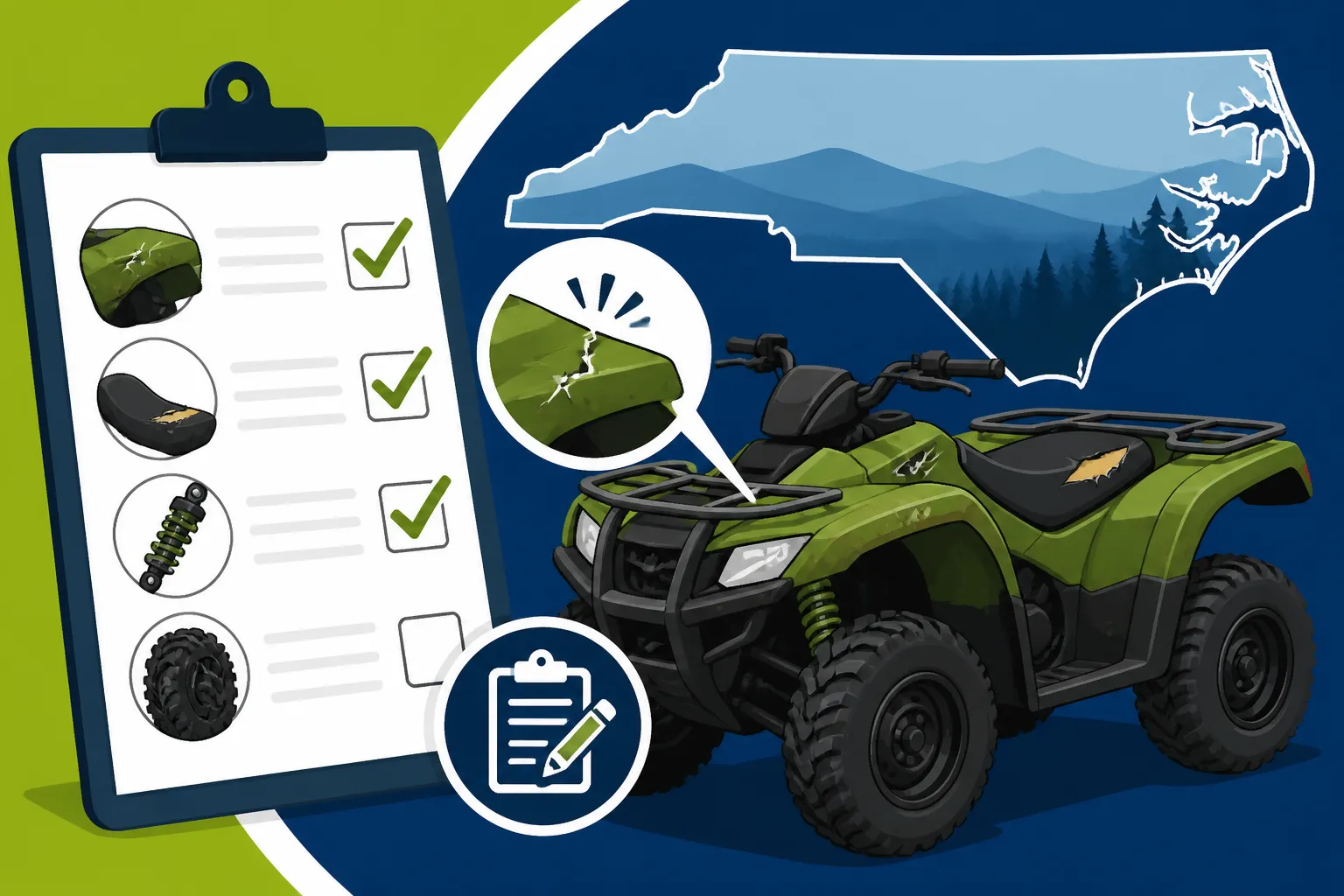
This is a common point of confusion. Cosmetic damage refers to superficial flaws that don't affect the vehicle's performance or safety. Think paint scratches from brushing against a tree branch, faded decals, or a minor dent in a plastic fender. While these might affect the quad's aesthetic appeal and resale value, they typically do not fall under the disclosure requirements of the MVR-1A. You wouldn't be expected to list every scratch on the form.
Structural damage, on the other hand, is a different beast entirely. This involves the frame, suspension, engine, transmission, or other critical components that, if compromised, could make the machine unsafe to operate or significantly reduce its lifespan. A bent frame, a cracked engine casing from a hard impact, or severe rust compromising control arms would absolutely qualify as structural damage. The MVR-1A is primarily concerned with these more serious issues, especially those that would lead an insurance company to declare the vehicle a total loss.
Accident History and Major Repairs
If your quad has been involved in an accident that necessitated major repairs, especially to the chassis, engine, or electrical system, this information is highly relevant for the damage disclosure. This isn't about replacing a headlight bulb; it's about significant work that required disassembly, welding, or extensive component replacement. For example, if the machine was involved in a collision with another vehicle (even off-road) that bent the A-arms and required a new frame section, that's information a buyer absolutely needs to know.
It's also important to consider if the repairs were done professionally or as a DIY project. While a skilled home mechanic can do excellent work, detailed receipts and documentation of professional repairs can add credibility to your disclosure. Think about it from a buyer's perspective: wouldn't you want to know if a quad had a new engine installed after a catastrophic failure, or if its frame was straightened after a major wreck? This kind of history can dramatically impact confidence in the machine.
Salvage or Rebuilt Status
Perhaps the most explicit form of damage disclosure is when a vehicle carries a "salvage" or "rebuilt" title. A salvage title is issued when an insurance company declares a vehicle a "total loss" due to damage (from an accident, flood, fire, etc.) where the cost of repairs exceeds a certain percentage of its value. In North Carolina, such a designation is a huge red flag for potential buyers and is definitively something that must be disclosed on the MVR-1A and will be permanently branded on the title.
A "rebuilt" title means the vehicle was once salvaged but has since been repaired and inspected to meet safety standards. While it's no longer a "salvage" vehicle, the "rebuilt" brand remains as a permanent part of its history, signaling its past life as a total loss. Both salvage and rebuilt designations are non-negotiable disclosure items. These titles significantly impact the resale value and often raise questions about the long-term reliability of the machine, making honest disclosure paramount. You'll often see this reflected when you're [Reading a Tar Heel Title Before You Pay].
Step-by-Step Guide to Filling Out Form MVR-1A
Filling out any DMV form can feel daunting, and the MVR-1A is no exception. However, by taking it one step at a time and focusing on accuracy, you can complete it without a hitch. Remember, the goal is to be truthful and thorough, protecting everyone involved in the sale. Don't rush through it or assume certain details are too minor to mention if they fall into the categories of significant damage.
It's helpful to approach this with the mindset of providing a clear, unbiased account of the machine's history, as far as major incidents are concerned. This isn't the place for vague statements or generalizations. Specifics are your friend here. Having all your ducks in a row before you start filling in the blanks will make the process much smoother and reduce the chances of errors or omissions that could cause issues later.
Gathering Necessary Information
Before you even pick up a pen, take some time to gather all relevant information about the quad's history. This includes:
- Previous Titles: If you've had the title for a while, review it for any existing brands like "salvage" or "rebuilt."
- Insurance Claims: Check your records for any major insurance claims filed for damage.
- Repair Records: Dig out receipts and invoices from any significant repairs. These documents can be invaluable proof of what was fixed, when, and by whom.
- Photos: If you have any photos of damage before repairs were made, or photos showing the extent of damage at the time of an incident, these can be powerful visual aids, though not typically submitted with the form itself. They are good to have for your own records or to show a potential buyer.
- VIN (Vehicle Identification Number): This is always critical for any vehicle transaction. Make sure it matches the title and the machine. You can use the VIN to perform a quick check for damage history if you're the buyer or to confirm your own records if you're the seller. [Checking a VIN Before a North Carolina Purchase] is a smart move for any buyer.
Having these details on hand will allow you to fill out the MVR-1A accurately and confidently, ensuring no critical details are overlooked.
Honest and Detailed Reporting
When you get to the sections of the MVR-1A that ask about specific types of damage (flood, fire, total loss/salvage), you must answer truthfully. If the quad was in a flood and declared a total loss, you mark that box. If it had fire damage that affected wiring, you disclose it. The form is typically a series of yes/no questions for certain categories of damage.
If there's a section for "other damage" or further explanation, use it to provide brief but clear details. For example, instead of just saying "accident," you might write "front-end collision, frame straightened, new suspension components installed." You don't need to write a novel, but enough detail to inform a reasonable buyer about the nature of the damage and the subsequent repairs. Remember, being vague can be just as problematic as omitting information entirely. The goal is to leave no room for misunderstanding about the quad's major incident history.
Signatures and Notarization
Once the form is filled out, the seller (or sellers, if there are multiple owners listed on the title) must sign it. The signature attests to the truthfulness and completeness of the information provided. In North Carolina, the MVR-1A typically requires notarization. This means you'll need to sign the document in front of a Notary Public, who will then verify your identity and witness your signature, adding their seal to the document.
Don't skip the notarization step, as it's a legal requirement for many official documents and adds an extra layer of authenticity and legal weight to your disclosure. Notaries are readily available at banks, credit unions, law offices, and sometimes even local tag agencies or DMV offices. Ensure that all parties required to sign are present with valid identification when visiting the notary. This formal step underscores the seriousness of the damage disclosure and helps ensure its validity.
Common Pitfalls and Best Practices
Navigating the damage disclosure process can have its challenges. It's easy to make mistakes if you're not careful, which can lead to legal issues or buyer dissatisfaction. By understanding common pitfalls and adhering to best practices, you can ensure a smooth, transparent transaction that benefits everyone. After all, nobody wants to get stuck with a machine that has hidden skeletons in its closet, and no seller wants to be accused of hiding them.
This section is all about being proactive and intelligent in your approach. It's about thinking ahead to prevent problems rather than reacting to them after they've already occurred. Whether you're buying or selling, a little extra diligence here can save you a lot of grief, time, and money in the long run.
The Risk of Incomplete or Misleading Disclosure
One of the biggest pitfalls is providing incomplete or misleading information on the MVR-1A. This can happen intentionally or accidentally, but the consequences can be severe. If a seller fails to disclose major damage—such as flood damage or a salvage title—and the buyer later discovers it, the buyer could have grounds to sue the seller for fraud or misrepresentation. This could result in the seller having to refund the purchase price, pay for repairs, or even face penalties.
Even if it was an honest mistake, the legal and financial repercussions can be significant. For buyers, purchasing a quad where damage was not properly disclosed can lead to unexpected repair costs, safety hazards, and a significant loss in resale value. This is why it's crucial for sellers to be meticulously honest and for buyers to be diligent in their inspection and paperwork review. Never assume a buyer won't notice something; it's better to be upfront.
Documenting Everything
Whether you're a buyer or a seller, documenting everything is a golden rule in any vehicle transaction. For sellers, keep copies of all repair receipts, insurance claim reports, and even photos of the damage before it was fixed. This evidence backs up your disclosure on the MVR-1A and proves that you acted transparently. If a buyer later questions your disclosure, you have the paperwork to defend yourself. You might also want a copy of the completed MVR-1A for your own records after the sale. [A North Carolina Bill of Sale for an ATV] is another document where you can reinforce any disclosures.
For buyers, demand to see the completed MVR-1A and review it carefully. Ask for any supporting documentation like repair invoices. Take your own detailed photos of the quad during your inspection, especially of any areas of concern. Keep copies of all sales documents, including the bill of sale, title, and damage disclosure form. This meticulous record-keeping provides a paper trail that can be invaluable if any disputes arise after the purchase. A company like LawDepot might offer templates for bills of sale or other documentation that can help both parties create thorough records.
When to Seek Professional Advice
Sometimes, a quad's history can be complicated. Perhaps it had multiple owners, or the damage was extensive and involved a complex repair process. If you're a seller and you're unsure about what exactly needs to be disclosed, or how to phrase it, it's always a good idea to seek advice. You might consult with a legal professional specializing in vehicle sales or even call the North Carolina DMV for clarification on specific requirements.
For buyers, if you're looking at a quad with a questionable history, or if the seller's disclosure seems vague or incomplete, don't hesitate to get a pre-purchase inspection from a trusted mechanic. They can often spot hidden damage that isn't obvious to the untrained eye. If you have significant concerns about the legal implications of a non-disclosure, talking to a lawyer can help you understand your rights and options. This is especially true if you are [Buying a Quad Advertised With No Paperwork] or if the seller is reluctant to provide a damage disclosure. Investing a little in professional advice upfront can save you a lot of headache and expense down the road.
Disclaimer
This article is for general informational purposes only and does not constitute professional advice. Laws, prices and regulations vary by location and change over time. Consult a qualified professional for guidance on your specific situation.