North Carolina Rules for Riding a Creek Bed
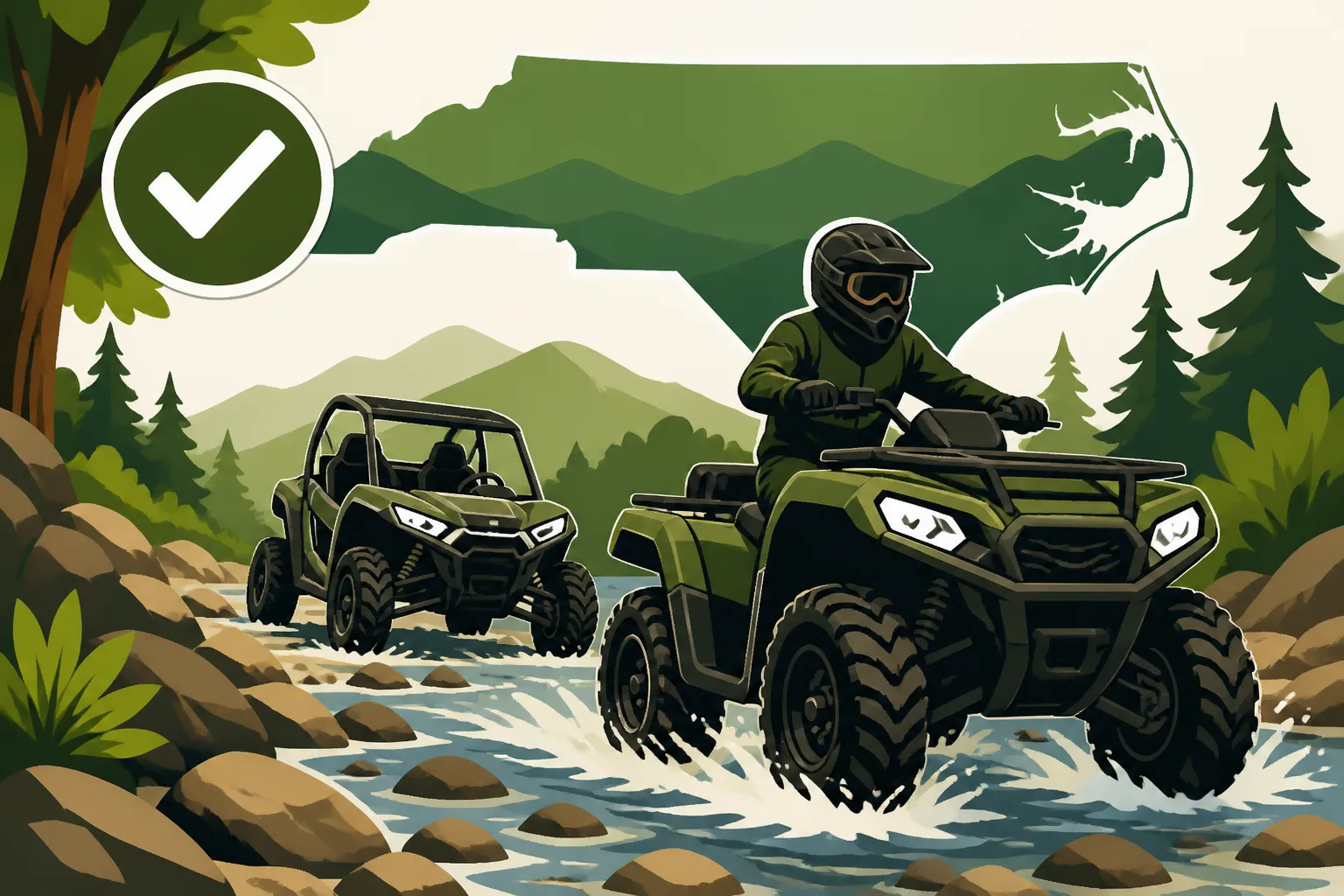
Oh, the allure of a cool, winding creek bed on a hot North Carolina day! Many of us, myself included, have looked at a shallow stream or a dried-up creek bed and thought, "Wouldn't that be an interesting path for my ATV or UTV?" It feels natural, adventurous even. But I'm here to tell you that riding in creek beds in North Carolina is a deeply problematic idea, often illegal, and can lead to some significant headaches and environmental damage. This guide will walk you through the realities, the regulations, and why it's crucial to understand these rules before you ever consider splashing through a Tar Heel creek.
The Harsh Reality: Why Creek Beds Are Generally Off-Limits for ATVs in North Carolina
Let's get straight to it: for the most part, you should assume that riding your ATV or UTV in a creek bed in North Carolina is against the rules and frowned upon. It's a common misconception that if a creek is shallow or on private land, it's fair game. Unfortunately, that's rarely the case, and the reasons are rooted in environmental protection and state law. We all love our machines, but we also share a responsibility to protect the beautiful natural resources that make North Carolina such a fantastic place to live and ride.
The Environmental Impact and Legal Ramifications of Riding in Waterways
When you ride an ATV or UTV through a creek bed, even if it seems harmless at the moment, you're causing a significant disturbance. The tires churn up sediment, which then clouds the water. This suspended sediment smothers aquatic life, including fish eggs and the tiny invertebrates that are the foundation of the food chain. It can also disrupt the natural flow of the water, eroding banks and widening the stream over time. Beyond the visible impact, fuels, oils, and other chemicals can leach from your machine into the water, polluting it for wildlife and, potentially, downstream communities.
From a legal standpoint, North Carolina takes water quality seriously. The state has stringent regulations designed to protect its surface waters. Riding in, disturbing, or polluting these waters can lead to fines and penalties that will quickly make that "fun" creek ride feel like a very expensive mistake. It's not just about what you see as a small ditch; the law views it as a vital part of the state's ecosystem, often connecting to larger rivers and drinking water sources. Ignoring this can put you squarely in violation of environmental protection laws, enforced by various agencies.
What "Waters of the State" Really Means for Your Ride
So, what exactly constitutes "waters of the state" in North Carolina? It's a broad definition that includes pretty much any natural or artificial watercourse, lake, river, stream, swamp, marsh, or other body of water within the state's boundaries. This isn't just about navigable rivers or huge lakes; it includes those small, seemingly insignificant creeks and ditches you might encounter while riding. If water flows through it, or it holds water for any significant period, chances are it falls under this definition.
This comprehensive definition means that the state asserts its interest in protecting these waterways, regardless of whether they are on public or private land. Just because a creek runs through your buddy's back forty doesn't automatically mean you have free rein to ride through it. The landowner himself doesn't typically have the right to authorize activities that violate state environmental laws, and riding ATVs in creek beds is often high on the list of prohibited activities due to the potential for sediment pollution and habitat destruction. It’s a bit of a shock for some riders, but the ecological impact often supersedes individual property rights in these specific instances.
Understanding the Laws: Prohibited Acts and Potential Penalties
Navigating environmental regulations can feel like trying to read a textbook written in another language, but when it comes to creek beds, the core message is quite clear: avoid them. These laws are designed to protect the water quality for everyone, from the smallest fish to the largest municipal drinking water supply. Understanding the specifics can help you avoid a costly run-in with the law.
Key Regulations from the North Carolina Department of Environmental Quality
The North Carolina Department of Environmental Quality (NCDEQ) is the primary agency responsible for overseeing the state's water quality and enforcing related laws. They work under the authority of state statutes that prohibit the discharge of pollutants into the waters of the state. When you churn up a creek bed with your ATV, you're essentially "discharging" sediment, which is considered a pollutant. The erosion you cause also violates rules against disturbing stream banks. These aren't minor infractions; they're taken seriously.
Think about it this way: the goal is to maintain the chemical, physical, and biological integrity of North Carolina's waters. Riding an ATV directly through a stream bed directly compromises all three of those aspects. While specific statutes might detail permissible activities like bridge construction or utility crossings, driving recreational vehicles down the middle of a creek is generally not among them. Instead, the rules focus on preventing non-point source pollution, which is pollution that comes from diffuse sources rather than a single pipe, and ATV use in creek beds is a classic example of this type of environmental damage. This is why you'll often find strict rules about where and how you can ride in managed forests and [North Carolina Rules for Riding a Game Land].
The Real Cost of a Creek Bed Violation
The financial penalties for violating North Carolina's environmental regulations can be steep, far exceeding what you might expect for a typical traffic ticket. Fines can range from hundreds to thousands of dollars, depending on the severity of the damage, whether it was a repeat offense, and which specific statute was violated. In some cases, you could even be required to pay for environmental remediation – imagine being on the hook for restoring a section of a creek!
Beyond monetary fines, there's the possibility of your vehicle being impounded or even forfeiture in extreme circumstances, though this is less common for a first-time creek bed offense. More immediately, you'll face the hassle of court appearances, legal fees, and the potential for a criminal record, depending on the charge. It's a stark reminder that what seems like a harmless bit of fun can have serious repercussions. It's far better to invest in proper riding gear or [North Carolina Forest OHV Permits] than to risk the costs associated with an environmental violation.
Navigating Near Water: When Are You Permitted to Cross or Be Close?
So, if riding in a creek bed is largely off-limits, does that mean you can never encounter water on your ATV or UTV? Of course not. North Carolina has a diverse landscape, and encountering streams and rivers is inevitable, especially on trails in places like the Uwharrie National Forest. The key is understanding the difference between riding in a waterway and legally crossing one or riding near one.
Designated Crossings: The Only Legal Way Over a Waterway
When you're out on a legal trail system, like those at Brown Mountain or Badin Lake, you'll inevitably come across water crossings. These are typically designated points where bridges, culverts, or hardened stream crossings have been specifically engineered to minimize environmental impact. These crossings are designed to allow water to flow freely while providing a stable, erosion-resistant path for vehicles. They might be concrete slabs, reinforced gravel, or even small bridges.
Using these designated crossings is the only legal and environmentally responsible way to traverse a waterway on your ATV or UTV. Trying to forge your own path upstream or downstream from a designated crossing is a big no-no. Not only does it damage the stream banks and bed, but it can also put you in a precarious situation, as the undesignated areas often have unstable banks, deeper water, or unseen obstacles. Stick to the marked paths, even if a nearby "natural" route looks more tempting. Manufacturers like SuperATV produce aftermarket parts and accessories that can help you navigate challenging terrain around such crossings, ensuring your machine can handle the legal trails without needing to carve new ones through sensitive areas.
Private Property and Landowner Permissions: Still Not a Free Pass
This is where a lot of confusion arises. Many riders assume that if they have permission from a private landowner, they can ride anywhere on that land, including in creeks. While landowner permission is absolutely essential for riding on private property, it does not grant permission to break state environmental laws. As we discussed, the "waters of the state" are protected regardless of land ownership.
A landowner cannot give you permission to pollute a stream or cause excessive erosion that impacts state waters. If you're caught riding an ATV in a creek on private land, both you, the rider, and potentially the landowner could face penalties. It's crucial for riders and landowners to understand this distinction. If a landowner wants you to have access to their property for riding, they should ensure that any trails avoid creek beds or utilize properly constructed, designated crossings. If you're considering buying or selling a machine for private land use, understanding these nuances is vital, especially regarding [North Carolina ATV Title Paperwork] if you're ever involved in an incident.
Responsible Riding: Protecting Our Natural Resources and Your Wallet
As passionate riders, we all want to enjoy North Carolina's incredible outdoors. Being responsible isn't just about following the rules; it's about preserving the environment for future generations of riders and outdoor enthusiasts. Avoiding creek beds is a prime example of how responsible choices benefit everyone.
Why Staying Out of Creeks Is Good for Everyone
Beyond the legal and environmental consequences, staying out of creek beds is simply good practice. It protects the delicate ecosystems that depend on clean, undisturbed water. This includes everything from the microscopic organisms to the larger game fish that anglers pursue, and even the deer and other wildlife that drink from these streams. When we damage these resources, it diminishes the overall quality of our outdoor experiences for everyone.
Furthermore, it helps maintain a positive image for the ATV and UTV riding community. Unfortunately, a few bad apples riding irresponsibly in sensitive areas can give all riders a bad name, leading to trail closures or stricter regulations. By sticking to designated trails and avoiding creek beds, we show respect for the environment and promote responsible recreation, helping to keep our trails open and our sport thriving. Accessories from brands like SuperATV can help you manage muddy conditions on appropriate trails, meaning you don't have to seek out creek beds for a challenge.
Finding Legal and Sustainable Places to Ride in North Carolina
The good news is that North Carolina offers some fantastic, legal, and sustainable places to ride your ATV or UTV. National forests like the Uwharrie and Pisgah host dedicated OHV trail systems such as [Badin Lake OHV Trail Complex] and [Brown Mountain OHV Trail System]. These trails are designed and maintained specifically for off-highway vehicles, with environmental protection measures built right in. They feature designated stream crossings, clearly marked routes, and offer challenges appropriate for a variety of skill levels, all while minimizing impact on sensitive areas.
There are also private off-road parks that provide controlled environments for riding, often with a mix of terrain types. These facilities are usually designed with environmental considerations in mind and offer a safer, more predictable experience. Before you head out, always check the specific rules for any public or private riding area you plan to visit, as they can vary. Focus your efforts on these legitimate riding spots. You'll find plenty of adventure without risking your machine, your wallet, or North Carolina's precious natural waterways. And remember, if you're ever unsure about where to ride, always check with the land manager or local authorities.
| Creek Bed Riding Aspect | General Rule in North Carolina | Consequences of Violation | Responsible Alternative |
|---|---|---|---|
| Legality | Generally illegal | Fines, potential legal action, vehicle impoundment | Stick to designated trails |
| Environmental Impact | Severe erosion, water pollution, habitat destruction | Remediation costs, negative public perception | Preserve natural habitats |
| Property Ownership | State protection applies regardless of private land | Landowner may also face penalties | Seek landowner permission for legal trails only |
| Water Quality | Disturbs "waters of the state" | Harm to aquatic life, drinking water sources | Support clean water efforts |
| Safety | Unpredictable terrain, hidden obstacles | Risk of personal injury, machine damage | Use engineered, safe crossings |
[North Carolina Rules for Riding a Public Street]
[North Carolina Rules for Riding a Farm Lane]
[North Carolina Forest OHV Permits]
[North Carolina ATV Safety Certificate Requirements]
[Why There Is No North Carolina Trail Sticker]
[North Carolina's Modified Utility Vehicle Route]
[Titling an ATV in North Carolina Is Optional]
[What Is Illegal on an ATV in North Carolina]
[North Carolina Rules for Riding Private Land]
[North Carolina Trail Conditions Before You Ride]
Disclaimer
This article is for general informational purposes only and does not constitute professional advice. Laws, prices and regulations vary by location and change over time. Consult a qualified professional for guidance on your specific situation.