North Carolina Rules for Riding a Rail Trail
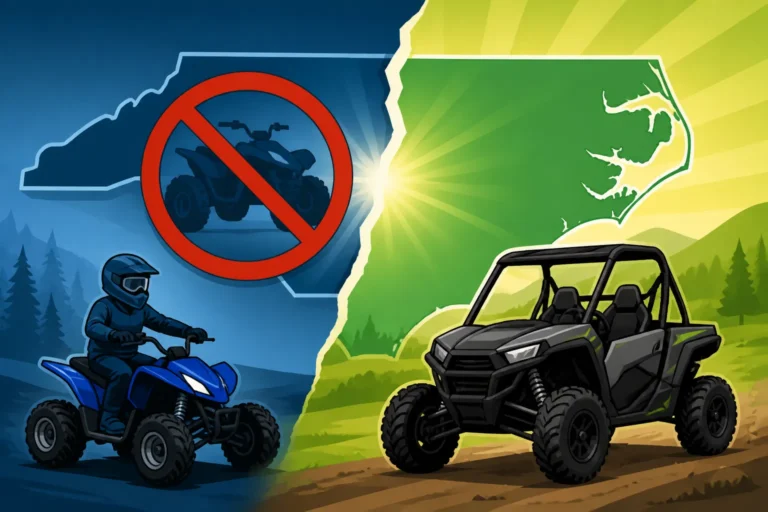
It's a common dream for North Carolina ATV and UTV enthusiasts: you see these beautiful, long, often paved or graveled trails winding through the countryside, sometimes even right through towns, and you wonder if your machine could join in the fun. The thought of exploring miles of scenic former railway lines on your quad or side-by-side is incredibly appealing, but sadly, this dream often clashes with the reality of state and local regulations. This guide is here to unravel the truth about riding your ATV or UTV on North Carolina's rail trails, explaining why it's generally not permitted and where you can legally and safely enjoy your off-road machine instead.
Understanding North Carolina's Rail Trails and Their Purpose
First off, let's get clear on what a "rail trail" actually is in North Carolina. These aren't just any old path through the woods. Rail trails are essentially abandoned railroad corridors that have been converted into multi-use public paths. They often offer unique experiences, passing through historic areas, rural landscapes, and sometimes even connecting urban centers. Think of paths like the American Tobacco Trail or sections of the Carolina Thread Trail network. These trails are celebrated for their accessibility and the way they offer a glimpse into the state's past while providing a vital recreational resource for today.
The primary purpose of North Carolina's rail trails is to provide safe, accessible, and often serene spaces for non-motorized recreation. This typically includes activities like walking, jogging, cycling, and sometimes horseback riding, depending on the specific trail's designation and surface. They're designed as shared-use pathways where people of all ages and abilities can enjoy the outdoors without the noise, speed, and potential dangers associated with motorized traffic. This focus on non-motorized users is central to understanding why ATVs and UTVs are largely excluded.
Many of these trails are managed by local parks departments, county governments, or state agencies like the North Carolina State Parks system. Each managing entity has its own set of rules, but the overarching theme across almost all rail trails is the prohibition of motorized vehicles. It's not just a casual suggestion; it's a rule enforced to preserve the trail surface, ensure the safety and quiet enjoyment of other users, and protect the ecological integrity of the corridor.
Why ATVs and UTVs Are Prohibited on Rail Trails
The reasons for excluding ATVs and UTVs from North Carolina's rail trails are rooted in safety, environmental protection, and the core mission of these recreational spaces. While it might seem like a natural fit for an off-road vehicle to cruise a gravel path, the reality is quite different from a regulatory standpoint.
Safety Concerns for All Users
Imagine a peaceful afternoon stroll or a family bike ride on a rail trail. Now, picture an ATV or UTV, even one driven responsibly, sharing that same narrow path. The speed differential alone creates a significant hazard. ATVs and UTVs, by their very nature, are designed for power and speed off-road. Even at low speeds, their weight and size can intimidate or pose a real danger to walkers, runners, and cyclists, especially children. The dust and noise generated by motorized vehicles also detract from the quiet experience many seek on these trails. Rail trails are about shared, non-motorized access, and introducing high-power vehicles simply doesn't align with that vision. It's about maintaining an environment where everyone feels safe and comfortable.
Protecting Trail Surfaces and Environments
Many rail trails, while often durable, were not constructed to withstand the continuous impact of heavy, knobby-tired off-road vehicles. ATV and UTV tires can quickly degrade gravel surfaces, churn up dirt paths, and create ruts, especially after rain. This damage requires significant maintenance, which takes resources away from other trail improvements. Furthermore, these corridors often pass through sensitive ecosystems, and the exhaust, fluids, and potential for soil erosion from ATVs and UTVs can have negative environmental impacts. The goal is to preserve the natural beauty and ecological balance of these greenways, not to convert them into areas for motorized sport. Protecting these public assets for long-term enjoyment by all means keeping motorized vehicles off their surfaces.
Legal and Regulatory Frameworks
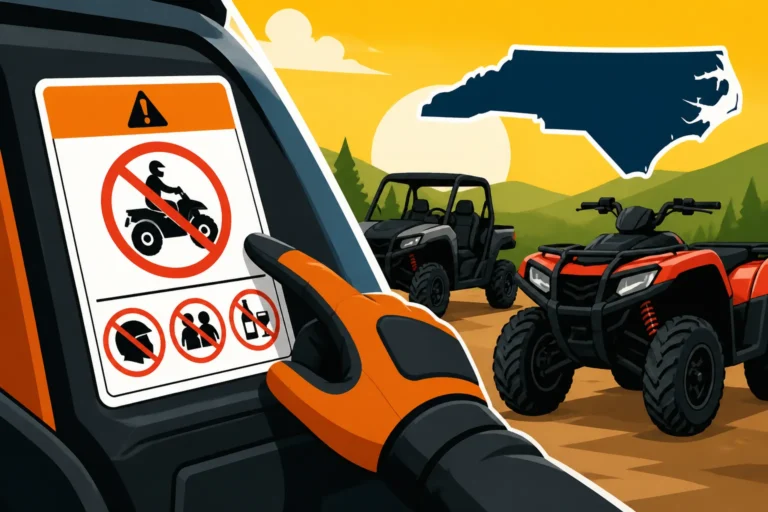
North Carolina state law and local ordinances explicitly define the types of vehicles permitted on rail trails. Generally, any vehicle that isn't human-powered or specifically designated for maintenance is prohibited. There's no special carve-out for ATVs or UTVs, even if they meet certain dimensions or engine sizes like those considered for [North Carolina's Modified Utility Vehicle Route] on public roads. The legal framework is designed to keep these trails strictly non-motorized. Attempting to ride your ATV or UTV on a rail trail can lead to significant consequences, including fines and potential legal action for trespassing or damaging public property. It's crucial to be aware that ignorance of the law isn't an excuse, and enforcement officers do patrol these popular recreation spots. You could be facing [North Carolina Fines for an ATV Violation] if you're caught.
Distinguishing Rail Trails from Other Multi-Use Paths
It's easy to get confused. Many trails in North Carolina are indeed "multi-use," but that term can cover a wide range of permitted activities. Understanding the critical differences between a dedicated rail trail and other types of recreational paths or roads is essential for responsible riding.
Not All "Trails" Are Created Equal
The word "trail" itself can be misleading. While a rail trail is a specific type of linear park, there are countless other types of trails in North Carolina. You have hiking trails, mountain biking trails, equestrian trails, and then, of course, designated Off-Highway Vehicle (OHV) trails. The key is always the designation. Just because a path looks inviting or seems like it would be fun to ride doesn't mean it's legal for your ATV or UTV.
For instance, national forest trails, like those found in the [Brown Mountain OHV Trail System] or the [Badin Lake OHV Trail Complex], are specifically engineered and designated for motorized use. They often have different construction standards, signage, and management plans geared towards handling the impact of ATVs and UTVs. These are the places where outfitting your machine with rugged protection from a brand like SuperATV truly makes sense for the terrain you'll encounter. Rail trails, on the other hand, typically lack the necessary infrastructure, legal permissions, and safety considerations for motorized vehicles.
Public Roads vs. Designated Trails
Another common point of confusion is the distinction between riding on public roads (where specific rules apply, like those for [North Carolina's Farming Operations Exception] or MUVs) and riding on a designated trail. Even if a rail trail crosses or briefly follows a public road, the trail itself maintains its non-motorized designation. [North Carolina Rules for Riding a Public Street] are distinct from rules governing trails. You can't simply transition from a legal road section onto an illegal trail section without violating regulations.
It's paramount for riders to check local ordinances and signage before assuming any trail is open to their machine. Don't rely on assumptions or what you think might be allowed. Always seek explicit confirmation.
Permitted Uses on Various Trail Types
To help clarify the differences, here's a simple comparison of what's generally permitted on different types of trails and roads you might encounter in North Carolina:
| Trail/Road Type | Primary Permitted Uses | Typical ATV/UTV Status | Manager/Jurisdiction |
|---|---|---|---|
| Rail Trail | Walking, jogging, cycling, sometimes horseback riding | PROHIBITED | State Parks, Local Govts, Non-Profits |
| Designated OHV Trail | ATVs, UTVs, dirt bikes (with permits/fees) | PERMITTED | U.S. Forest Service, Private Parks |
| National Forest Road | Licensed vehicles, some permitted ATVs/UTVs (limited) | Generally Prohibited* | U.S. Forest Service |
| Public Street/Road | Licensed vehicles (cars, trucks), MUVs (under specific NC law) | Highly Restricted** | NCDOT, Local Govts |
| Private Land | ATV/UTV riding (with owner's permission) | PERMITTED (with consent) | Private Landowners |
- Generally Prohibited on Forest Roads: While some forest roads may be open to licensed vehicles, most are not open to unlicensed ATVs/UTVs unless explicitly signed as part of an OHV trail system. Always check specific forest regulations for any [North Carolina's Three National Forest Systems].
** Highly Restricted on Public Streets: ATVs are generally not street legal. UTVs may be street legal if registered as [North Carolina's Modified Utility Vehicle Route] and meet stringent requirements.
Where North Carolina Riders Can Legally Enjoy Their ATVs and UTVs
So, if rail trails are out, where can you actually ride your ATV or UTV legally and without constant worry in North Carolina? Thankfully, there are dedicated places that welcome off-road enthusiasts. The key is to seek out and stick to these designated areas.
North Carolina's National Forests
Our national forests offer some of the best and most extensive riding opportunities in the state. The Uwharrie, Pisgah, and Nantahala National Forests all contain designated OHV trail systems. These trails are specifically designed, maintained, and managed for motorized off-road recreation. You'll find a variety of terrains, from beginner-friendly paths to challenging climbs that will test even the most rugged machines equipped with all the heavy-duty gear from companies like SuperATV.
- Uwharrie National Forest: Home to the Badin Lake OHV Trail Complex, this is one of the most popular destinations. You'll need a permit to ride here, and the trails are typically open from April 1st through December 15th. It's a great spot for a variety of machines, including [North Carolina Trails for a Wide Machine].
- Pisgah National Forest: The Brown Mountain OHV Trail System is located within the Grandfather Ranger District. It offers challenging terrain and stunning views. Like Uwharrie, it has a specific season, usually April 1st to January 1st, and requires a [North Carolina Forest OHV Permits].
- Nantahala National Forest: The Wayehutta OHV Trail System is a gem in Western North Carolina, providing riders with technical routes and beautiful mountain scenery.
Remember, even in national forests, you must stay on marked trails. Riding [North Carolina Rules for Riding Off the Trail] is strictly prohibited and can lead to fines and environmental damage. Always check the U.S. Forest Service website for current trail conditions and closures before heading out.
Private Off-Road Parks and Facilities
Beyond the national forests, North Carolina also has a growing number of private off-road parks that cater to ATVs and UTVs. These parks often offer a wider range of amenities, from campgrounds and wash stations to various terrain types, including mud pits, rock crawling sections, and graded trails for all skill levels. They operate on their own rules and usually charge a day-use or membership fee. A quick online search will reveal options across the state, and these can be excellent choices for those looking for diverse riding experiences closer to home or during seasons when forest trails might be closed.
Private Land with Permission
Last but certainly not least, you always have the option of riding on private land, provided you have explicit permission from the landowner. This is perhaps the simplest and most flexible option for many riders, especially those with family or friends who own suitable property. Always ensure you have clear, preferably written, consent before venturing onto someone else's land to avoid any misunderstandings about [North Carolina Landowner Permission Requirements]. Remember, even on private land, responsible riding practices are key to maintaining good relationships and ensuring continued access.
In conclusion, while the idea of cruising a scenic rail trail on your ATV or UTV might sound appealing, the reality in North Carolina is that these paths are strictly for non-motorized use. Understanding these rules and respecting the purpose of rail trails is crucial for being a responsible rider. Instead of risking a fine or conflict, seek out the many fantastic designated OHV parks and trails across the state where your machine can truly shine and where you can enjoy the thrill of off-road adventure legally and safely.
Disclaimer
This article is for general informational purposes only and does not constitute professional advice. Laws, prices and regulations vary by location and change over time. Consult a qualified professional for guidance on your specific situation.