North Carolina Rules for Riding a Mountain Forest Road
Riding an ATV or UTV through North Carolina's stunning mountain forest roads sounds like an absolute dream, doesn't it? The crisp air, the winding paths, the breathtaking vistas – it's an experience many of us crave. But before you load up your machine and head for the Blue Ridge or the Nantahala, the rules around where and how you can actually ride on these scenic paths can feel like a tangled mess of confusion. This guide is here to untangle that knot, walking you through everything you need to know to safely and legally enjoy those breathtaking trails, ensuring you stay on the right side of the law and protect our beautiful natural spaces.
Understanding North Carolina's Forest Road Landscape
When you think of "forest roads" in North Carolina's mountains, you might picture anything from a wide, graded gravel path to a narrow, barely-there track winding through dense woods. The truth is, the designation and rules can vary wildly, and it's this variation that often trips up even seasoned riders. It's crucial to understand that not all roads that look like they'd be perfect for off-road vehicles are actually open to them.
The Difference Between Forest Roads and Public Streets
First, let's clear up a common misconception: a forest road isn't automatically a "public street" in the way your neighborhood road is, nor is it always an open OHV trail. Many forest roads are indeed maintained by the U.S. Forest Service or other land management agencies, and they serve various purposes like logging, fire access, and administrative use. Some are open to licensed street-legal vehicles, while others might be specifically designated as off-highway vehicle (OHV) trails or entirely closed to motorized traffic.
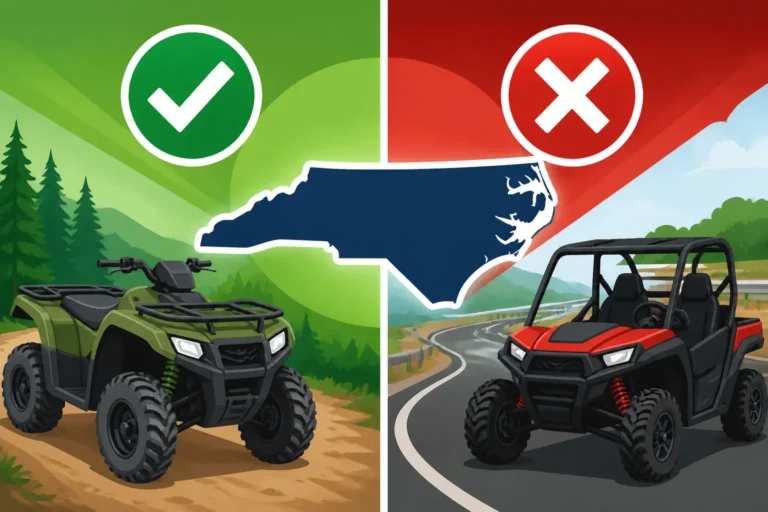
The real headache comes when riders assume that because a path is unpaved and in a forest, it's fair game for their ATV or UTV. This couldn't be further from the truth. North Carolina generally doesn't allow ATVs or UTVs on public paved roads, and this often extends to many unpaved forest service roads unless they are explicitly marked as OHV trails or fall under a specific exemption. You can find detailed information about broader street legality in [Are ATVs Street Legal in North Carolina?]. The key here is designation. If it's not signed as an OHV trail, or specifically identified as open to your type of machine, assume it's not. This isn't about arbitrary rules; it's about protecting the environment, preventing erosion, and ensuring everyone's safety, whether they're hiking, biking, or riding a motorcycle.
Which Roads Are Actually Open
So, how do you know which of those enticing mountain roads are actually open for your quad or side-by-side? The vast majority of legitimate ATV/UTV riding opportunities on public land in North Carolina are within designated OHV trail systems located in our national forests. We're talking about places like the [Brown Mountain OHV Trail System] in the Pisgah National Forest, the [Badin Lake OHV Trail Complex] in the Uwharrie National Forest, and [Wayehutta OHV in Western North Carolina] in the Nantahala National Forest. These are specific, managed trail networks, not just any random dirt road you find.
These designated trails are clearly marked and usually have specific access points, parking areas (often called "staging lots"), and information kiosks outlining the rules. You'll often see signage indicating the trail name, difficulty rating, and any restrictions. Forest Service maps, available online or at ranger district offices, are your best friend here. They will explicitly show which roads and trails are open to OHVs. Some forest roads might be open to licensed vehicles but not to unlicensed ATVs or UTVs, so always check the signage and maps for the specific area you plan to visit. Never rely on unofficial word-of-mouth or outdated information. This due diligence is crucial for avoiding fines and ensuring a pleasant, legal ride.
Permit and Safety Requirements for Forest Roads
Just because you've found a designated OHV trail doesn't mean you can simply show up and ride. North Carolina has specific requirements for permits and safety that apply to these public land riding areas. Ignoring these can lead to a quick end to your adventure and a hefty fine.
Forest OHV Permits and Where to Get Them
To ride on North Carolina's national forest OHV trails, you'll need a permit. These aren't like a general ATV registration (which doesn't exist in North Carolina for most machines, as discussed in [Why North Carolina Has No ATV Registration]); they are specific permits for accessing and using the trail system. Generally, you have a choice between a day permit or a season permit. The cost will vary depending on the permit type and the specific forest, but it's usually a modest fee that goes directly back into maintaining the trails you enjoy.
Each national forest typically manages its own permits. For example, you might buy a permit for the Uwharrie National Forest at the Eldorado Outpost or a ranger station. Badin Lake and Brown Mountain also have their specific permits. It's important to remember that these permits are typically per vehicle, not per rider, and they are usually valid only for the specific trail system or forest where they are purchased. So, if you plan to ride both Badin Lake and Brown Mountain, you'll likely need separate permits for each. Always check the official Forest Service website for the specific ranger district you're visiting or call ahead to confirm where and how to purchase your permit. Don't assume you can just show up and buy one at the trailhead if there isn't a manned station. Sometimes, there are self-service kiosks, but it's better to be prepared. For more on this, check out [North Carolina Forest OHV Permits].
The North Carolina ATV Safety Certificate
Another key requirement for many riders is the North Carolina ATV Safety Certificate. If you were born on or after January 1, 1990, you are legally required to possess an ATV safety certificate to operate an ATV on public lands, including those mountain forest roads. This isn't just a suggestion; it's the law. The certificate demonstrates that you've completed an approved safety course, which teaches crucial skills and knowledge for safe operation.
Courses are offered through various providers, including the ATV Safety Institute (ASI). These courses cover everything from proper riding techniques and risk awareness to environmental responsibilities. Even if you're not legally required to have one because of your birth year, taking a safety course is highly recommended for all riders, regardless of experience. It's a fantastic way to brush up on skills and learn new ones that can prevent accidents. Make sure to carry proof of your certificate with you when you ride, as forest service officers can and do check. You can find more details in [North Carolina ATV Safety Certificate Requirements]. Unfortunately, North Carolina doesn't reciprocate out-of-state safety certificates, so even if you have one from another state, you might need to obtain a North Carolina-approved one.
Essential Safety Gear
Beyond permits and certificates, personal safety gear is non-negotiable, especially when tackling the unpredictable terrain of mountain forest roads. North Carolina law mandates specific gear requirements for riders under 18, but many of these are good practices for all ages.
- Helmets: For riders under 18, a U.S. DOT-approved helmet is required when operating an ATV. However, a proper helmet is the single most important piece of safety gear for any rider on any terrain. Mountain trails can be challenging, with unexpected drops, rocks, and tight turns. A full-face or off-road helmet provides crucial protection.
- Eye Protection: Goggles or a face shield are essential, especially on dusty or muddy trails. Kicking up debris is common, and you don't want impaired vision to lead to an accident. For riders under 18, eye protection is also legally required.
- Spark Arrester: This isn't personal safety gear, but it's critical for forest safety and usually a requirement for any OHV on public land. A spark arrester helps prevent hot carbon particles from escaping your exhaust and potentially starting a wildfire. It's a small, often overlooked, but vital piece of equipment. [North Carolina Spark Arrester Requirement] covers this in more detail.
- Other Protective Gear: While not always mandated by law, consider sturdy over-the-ankle boots, gloves, long pants, and a long-sleeved shirt. These protect against scrapes, impacts, and exposure to the elements. Riding through brush or falling on rocky terrain without adequate protection can turn a fun ride into a painful memory. Think about outfitting your machine with robust aftermarket parts from brands like SuperATV to enhance safety and durability, such as reinforced skid plates or brush guards, which can be invaluable on rough mountain terrain.
Navigating Restrictions and Best Practices
Riding on mountain forest roads isn't just about knowing where to go; it's also about understanding where not to go and how to conduct yourself responsibly. These trails are shared spaces, and they exist within delicate ecosystems that require our respect and care.
Gated Roads, Watersheds, and Wildlife Areas
You'll inevitably encounter gated roads in North Carolina's national forests. These gates are there for a reason, whether it's to protect sensitive wildlife habitats, prevent erosion in watershed areas, or restrict access during logging operations or hunting seasons. Never bypass a closed gate or ride on a marked closed trail. This is a serious violation that can result in fines, confiscation of your machine, and permanent closure of trails for everyone. It also damages the relationship between riders and land managers, making it harder to maintain access in the future.
Similarly, riding in designated wilderness areas, protected watersheds (which supply drinking water), or sensitive wildlife zones is typically prohibited. These areas are often clearly marked. It's your responsibility to know the boundaries of where you're riding. A good map and paying attention to signage are your best defenses against accidental trespass or violation. For specific information on closures, always check [North Carolina Trail Closures to Check] before you head out.
Environmental Responsibility and Trail Etiquette
Our mountain forests are a precious resource, and responsible riding plays a huge role in keeping them open and beautiful for generations to come.
- Stay on Marked Trails: This is paramount. Riding off-trail causes erosion, damages vegetation, disturbs wildlife, and can create new, unauthorized paths that degrade the forest. Stick to the designated routes, even if a tempting-looking shortcut appears. The damage from a single rogue rider can take years to heal.
- Control Noise Levels: While ATVs and UTVs are inherently noisy, excessively loud exhaust systems can disturb wildlife, other trail users (hikers, equestrians, mountain bikers), and nearby residents. Many forest regulations include sound limits, and spark arresters often help mitigate this. Let's be good neighbors on the trail.
- Pack It In, Pack It Out: Whatever you bring onto the trail, bring it back out. This includes all trash, broken parts, and even organic waste like fruit peels (which can take a long time to decompose and attract wildlife). Leave No Trace principles are crucial for preserving the natural beauty of these areas.
- Respect Other Users: You'll share these mountain forest roads and trails with a diverse group of outdoor enthusiasts. Slow down, yield to hikers and horses, and be courteous. A friendly wave goes a long way. If you come across someone hunting, be mindful of their activities, as covered in [North Carolina Rules for Riding While Hunting].
What to Do Before You Ride
Preparation is key to a successful and safe mountain forest adventure.
- Check Trail Status: Before you even load your machine, check the local ranger district's website or call them for the latest trail conditions and any closures. [Checking a Forest Alert Before You Drive] is vital, especially after heavy rains or during certain seasons. Trails can close unexpectedly due to weather, maintenance, or other issues.
- Weather Forecast: Mountain weather is notoriously unpredictable. A sunny morning can turn into a torrential downpour or a dense fog bank in a matter of hours. Pack appropriate clothing layers, rain gear, and extra water.
- Maps and Navigation: Even with GPS on your phone, a physical map of the trail system is a lifesaver, especially in areas with no cell service. Familiarize yourself with the routes, bailout points, and emergency exits.
- Machine Check: Do a thorough pre-ride inspection of your ATV or UTV. Check tires, brakes, fluid levels, and lights. Make sure your spark arrester is in place and functioning. Consider equipping your machine with reliable parts from SuperATV for enhanced performance and durability, such as their heavy-duty axles or lift kits, which can improve clearance over rocky sections. Carry a basic tool kit, a tire repair kit, and enough fuel for your planned ride, plus a little extra.
- Tell Someone Your Plan: Always let someone know where you're going and when you expect to return. This is a critical safety measure, especially when riding in remote mountain areas.
Specific Challenges of Mountain Forest Riding
Riding in the mountains presents unique challenges that you won't always encounter on flatter, more open terrain. Being aware of these can help you prepare and react appropriately.
Weather and Terrain Considerations
North Carolina's mountains offer incredible scenery but also present significant environmental variables.
- Fog and Reduced Visibility: Fog can roll in quickly, especially in higher elevations or shaded valleys. What was clear visibility can become dense whiteout conditions in minutes. Reduce your speed, use your lights, and be extra cautious.
- Mud and Water Crossings: Rain can turn dry trails into slick mud pits, and natural water crossings can become deeper and more treacherous. Assess water crossings carefully. Never ride into water deeper than your machine's air intake or where you can't see the bottom. Riding through deep, fast-moving water is incredibly dangerous. Some trails might be closed after heavy rain due to excessive mud and potential damage.
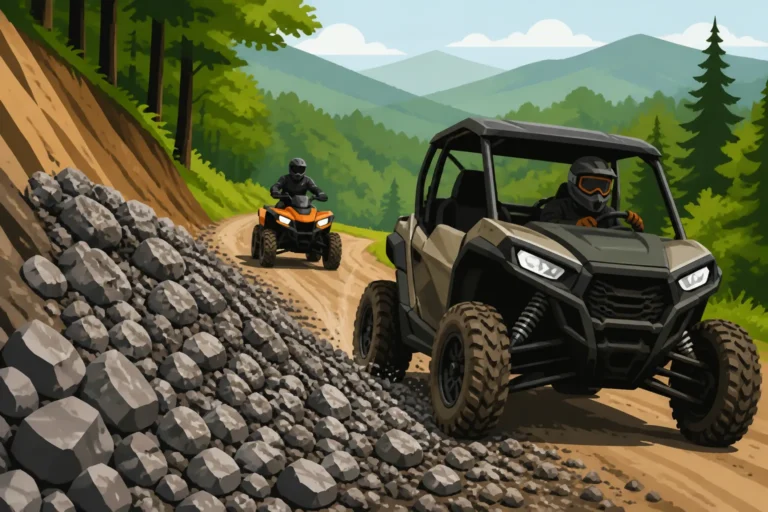
- Rocky Terrain and Steep Climbs/Descents: Mountain trails are often rocky, with loose gravel, embedded boulders, and challenging climbs and descents. Use appropriate riding techniques for these conditions, maintaining control of your speed and body position. On steep descents, use engine braking to help control your speed rather than relying solely on your brakes, which can overheat or fade. This is where high-quality suspension and robust tires, perhaps even from a brand like SuperATV, can truly make a difference in handling and comfort.
- Changing Seasons: Each season brings its own set of conditions. Spring can mean mud and swollen creeks. Summer can be hot and humid with sudden thunderstorms. Fall offers stunning foliage but can also bring slippery leaves. Winter, especially at higher elevations, can mean ice and snow, making some trails impassable or extremely hazardous. Always ride within your skill level and the capabilities of your machine for the current conditions.
Sharing the Road
On many mountain forest roads, you're not just sharing with other ATV/UTV riders. You're part of a larger community of outdoor enthusiasts.
- Log Trucks and Other Industrial Vehicles: Many forest roads are actively used for logging and timber operations. These trucks are massive, heavy, and often move at surprising speeds, especially when empty. They have the right-of-way. Be alert, listen for their distinctive engine sounds, and be prepared to pull over safely to let them pass.
- Hikers, Mountain Bikers, and Equestrians: These users are often quieter than OHVs and can be easily startled. Slow down significantly when you encounter them, give them plenty of space, and be prepared to stop. A friendly greeting can go a long way in fostering good relations.
- Hunters: During hunting season, you'll encounter hunters, especially on game lands or in national forests. Be aware of hunting dates and wear blaze orange for visibility, especially if you're riding during rifle season. While riding an ATV while hunting is restricted in many areas, you might encounter hunters traversing roads or trails to access their hunting grounds. [North Carolina Rules for Riding While Hunting] has more details.
- Wildlife: North Carolina's mountain forests are home to diverse wildlife. Deer, bears, wild turkeys, and smaller animals are common. Be alert for animals darting across the trail, especially at dawn and dusk. Give large animals like bears a wide berth and never approach them.
Riding on North Carolina's mountain forest roads is an incredible privilege. By understanding and respecting the rules, preparing thoroughly, and practicing good trail etiquette, you can ensure a safe, legal, and truly unforgettable experience while helping preserve these magnificent natural spaces for everyone.
North Carolina Forest Road Riding Rules Summary
| Feature | General Rule for ATVs/UTVs on Forest Roads | Key Considerations |
|---|---|---|
| Access | Only on designated OHV trails within National Forests. Most general forest roads are not open to unlicensed ATVs/UTVs. | Check specific Forest Service maps and signage. |
| Permits | Required for designated OHV trails (day or season permits). | Purchase from ranger districts or designated vendors. Specific to each trail system. [North Carolina Forest OHV Permits] |
| Safety Certificate | Required for riders born on or after Jan 1, 1990, on public lands. | Carry proof. [North Carolina ATV Safety Certificate Requirements] |
| Helmets | Required for riders under 18; highly recommended for all riders. U.S. DOT-approved. | Prioritize head protection, especially on mountain terrain. |
| Eye Protection | Required for riders under 18; highly recommended for all riders. | Protects against dust, debris, and branches. |
| Spark Arrester | Generally required on all OHVs operated on public lands. | Prevents wildfires. [North Carolina Spark Arrester Requirement] |
| Road Closures | Never bypass gates or ride on closed trails. | Check forest alerts and conditions. [North Carolina Trail Closures to Check] |
| Environmental Impact | Stay on marked trails; pack out all trash. | Prevents erosion, protects wildlife, preserves natural beauty. [North Carolina Rules for Riding Off the Trail] |
| Sharing Trails | Yield to hikers, horses, and mountain bikers. Be aware of logging trucks and hunters. | Be courteous and visible. |
| Navigation | Carry maps (physical and digital), know your route, inform someone of your plans. | Cell service can be unreliable in mountain areas. |
| Weather | Be prepared for rapid changes (fog, rain, temperature drops). | Dress in layers, carry rain gear. |
Disclaimer
This article is for general informational purposes only and does not constitute professional advice. Laws, prices and regulations vary by location and change over time. Consult a qualified professional for guidance on your specific situation.