North Carolina Rules for a Passenger Under 18
It's incredibly common to see families out enjoying the trails and backroads of North Carolina on their ATVs and UTVs. There's nothing quite like sharing that experience with your kids or younger family members. But when it comes to having passengers, especially those under 18, the rules can feel like a tangled mess of "can I?" and "can't I?". You want to keep your young ones safe, but you also want to make sure you're not breaking any laws. This guide is here to untangle those specific rules, ensuring you understand exactly when and how a minor can legally and safely be a passenger on your off-road machine in the Tar Heel State.
The Core North Carolina Passenger Rule: What You Need to Know
Let's cut right to the chase, because this is where a lot of the confusion often begins. North Carolina law is pretty clear on passengers, but it makes a significant distinction based on the type of machine you're operating. Understanding this difference is key to staying legal and, more importantly, keeping everyone safe.
One-Seater ATVs and the "No Passenger" Rule
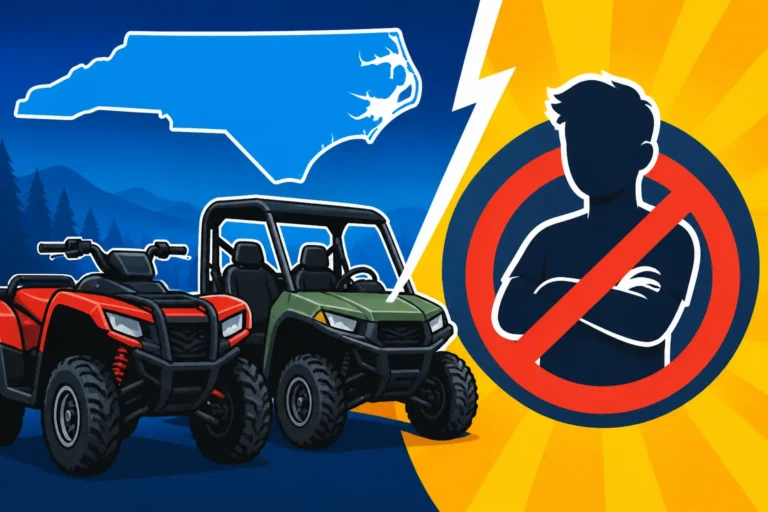
For traditional, single-rider ATVs – the kind where you straddle the seat like a motorcycle – the rule is generally very strict: no passengers allowed, ever. This applies regardless of the passenger's age. The law is designed with safety in mind. These machines are engineered for one rider only. Their weight distribution, center of gravity, and suspension are all calibrated for a single person. Adding a passenger, especially a child who might shift their weight unpredictably, significantly alters these dynamics.
Imagine trying to navigate a tricky turn or a steep incline with someone else on the back of a machine designed for one. It becomes unstable, harder to control, and exponentially more dangerous. The risk of rollover increases dramatically. Even a short, slow ride on flat ground carries risks that aren't present when the machine is operated as intended. While your heart might tell you it's fine for a quick spin around the yard with your little one perched in front, the law, and the machine's design, say otherwise. It's a tough pill to swallow for many, but this rule truly is for everyone's protection.
When Passengers ARE Allowed: Factory Two-Seaters
Now, here's where the rule diverges, and it's good news for families who want to ride together. North Carolina law allows passengers on "factory two-seaters" or machines specifically designed by the manufacturer to carry more than one person. What does this mean in practical terms? It primarily points to Utility Terrain Vehicles (UTVs), often called side-by-sides.
A "factory two-seater" isn't just a regular ATV with an extra pad glued to the back. It means the manufacturer built the machine from the ground up to accommodate a passenger (or multiple passengers) safely. Look for clear indicators:
- Dedicated passenger seat(s): These are actual seats, often bucket or bench style, separate from the driver's.
- Handholds or grab bars: Features for passengers to firmly hold onto during the ride.
- Footrests: Designated places for passenger's feet, preventing them from dragging or getting caught.
- Seatbelts or harnesses: Crucial safety restraints, especially common in UTVs.
Most UTVs, by their very nature, are designed as multi-passenger vehicles, making them the primary way to legally carry a passenger in North Carolina. If your machine has a steering wheel, side-by-side seating, and seatbelts, you're likely in the clear regarding the "factory two-seater" aspect. However, just because a machine can carry passengers doesn't mean any passenger is allowed, especially when we talk about minors. We'll dive into those age-specific rules next. For machines like these, aftermarket accessories from companies like SuperATV can sometimes enhance passenger comfort and safety, but always ensure they don't compromise the manufacturer's original safety design or obscure legal requirements.
Age and Supervision for Young Riders (Passenger or Driver)
Even on a legal factory two-seater, simply having a seat isn't the end of the story when it comes to minors. North Carolina has specific age restrictions and supervision requirements that apply whether the minor is operating their own machine or riding as a passenger. These rules are in place because children are more vulnerable and less able to react appropriately in unexpected situations.
The Under-Eight Ban and Continuous Visual Supervision
This is one of the most critical rules to commit to memory: In North Carolina, children under the age of eight (8) are absolutely prohibited from operating or being a passenger on an ATV or UTV. There's no wiggle room here, no exceptions for private land, and no "just for a minute." This strict [North Carolina's Under-Eight Ban] is a hard line designed to protect very young children who lack the physical development, strength, and cognitive ability to safely ride these powerful machines, even as passengers. Their small size makes proper restraint and protection difficult, and their developing bodies are particularly susceptible to severe injury in a crash or rollover.
For any minor rider, whether they are behind the handlebars of their own age-appropriate machine or riding as a passenger in a multi-seat UTV, if they are under the age of 16, they must be under "continuous visual supervision" by an adult. This means the supervising adult must be able to see the minor at all times. It's not enough to be in the same general area or to know they're out riding. The adult needs to be close enough to intervene quickly if there's an issue and observe their riding behavior. This rule emphasizes that an adult bears significant responsibility when a minor is riding. Whether you're riding a [Youth Machine in North Carolina] or just have a child as a passenger, you need to be constantly aware of their situation. This level of supervision is paramount for safety and legal compliance.
Helmet and Eye Protection Requirements
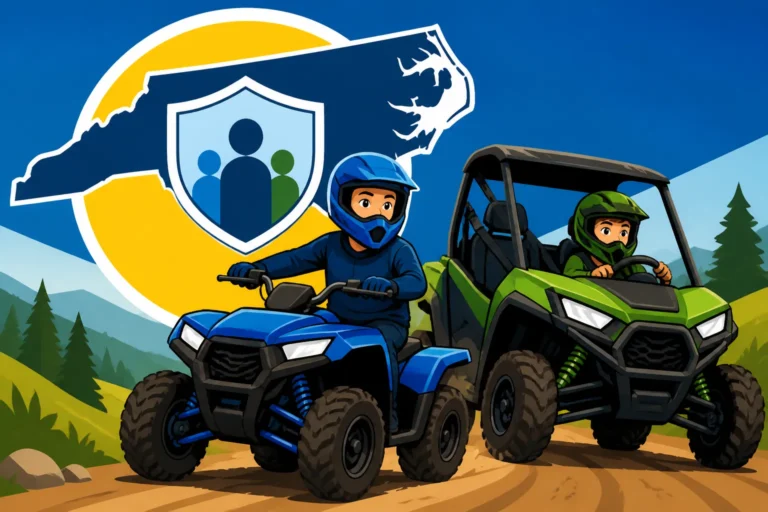
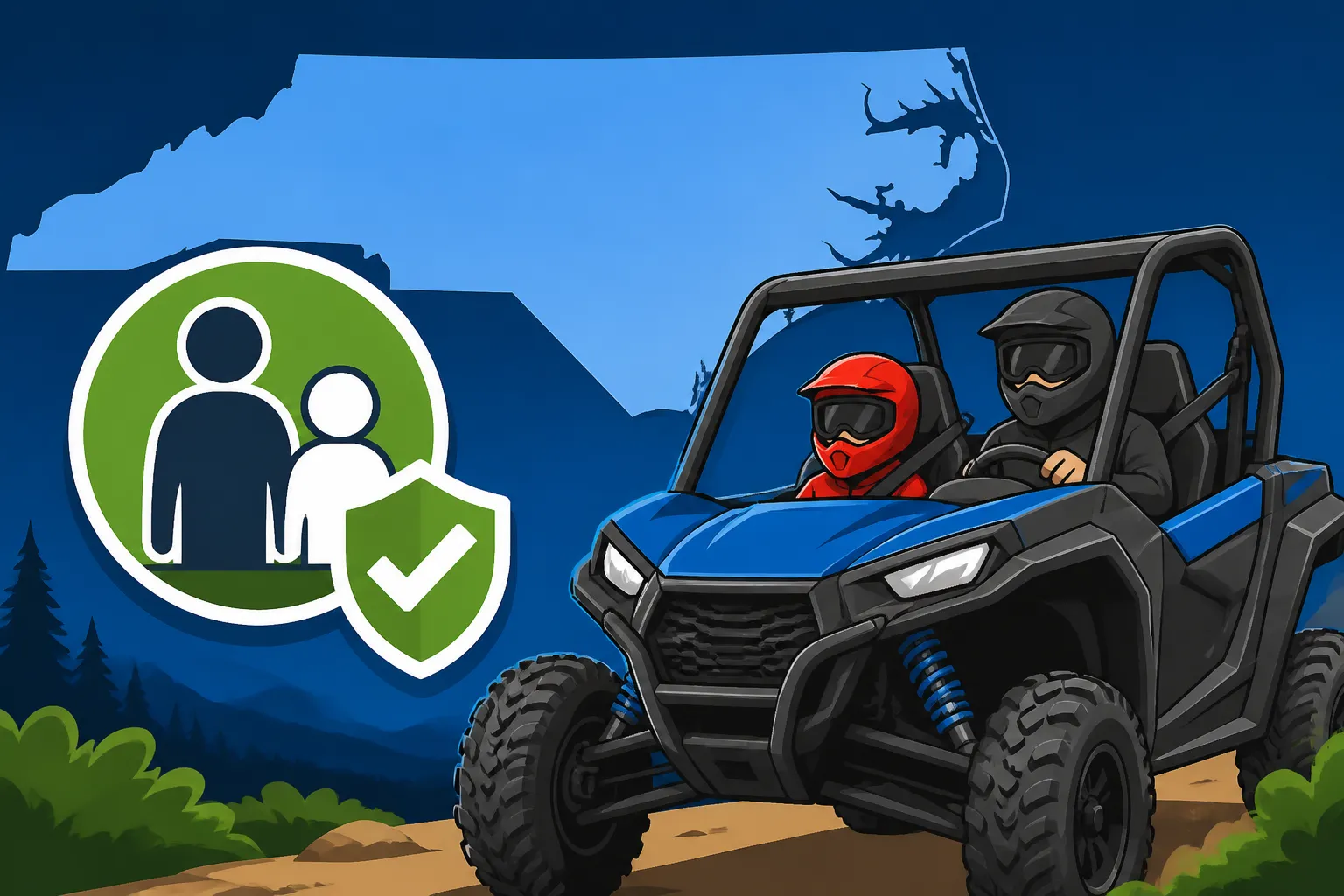
When it comes to safety gear, North Carolina doesn't mess around, especially for its youngest riders. The law states that any person under the age of 18 operating or riding as a passenger on an ATV or UTV must wear a securely fastened, Department of Transportation (DOT)-approved safety helmet and adequate eye protection. This isn't just a suggestion; it's the law, and it's enforced.
A DOT-approved helmet offers critical protection for the head in the event of an impact, protecting against scrapes, concussions, and more severe brain injuries. "Adequate eye protection" typically means goggles or a face shield that fully covers the eyes and protects them from dust, debris, insects, and branches. Regular eyeglasses or sunglasses are usually not considered adequate because they don't offer full coverage or impact resistance. Even if you're just putting around your own property, these rules apply. It's a small inconvenience for potentially life-saving protection. Many manufacturers, and aftermarket brands like SuperATV, offer youth-specific helmets and goggles that provide the necessary protection while being comfortable and appropriately sized for smaller heads, ensuring a secure fit that won't impede vision or cause discomfort. For more details on what's required, you can check out [North Carolina Helmet Law for ATV Riders] and [North Carolina Eye Protection Requirement].
Practical Considerations and Safety Tips for Young Passengers
Knowing the legal rules is one thing, but making sure your young passenger is truly safe and comfortable is another. There are many steps you can take to minimize risks and ensure a positive riding experience for everyone. It's about combining legal compliance with common-sense safety practices.
Choosing the Right Machine and Seating for Young Passengers
Even with a factory multi-passenger UTV, not all seating arrangements are ideal for every child. Consider the following:
- Manufacturer Specifications: Always consult your machine's owner's manual. It will often specify recommended passenger weights, heights, and even age ranges for specific seating positions. Don't assume a seat is suitable just because it's there.
- Proper Fit and Restraint: Can your child sit comfortably with their back against the seat, their feet on the footrests, and their hands on the designated handholds? Crucially, can the seatbelt or harness fit them snugly and securely? If the seatbelt is too loose, it won't provide adequate protection in a sudden stop or impact. For smaller children, you might need to look into aftermarket booster seats or modified harnesses designed for UTVs. Brands like SuperATV offer various accessories, including harnesses and child seats, that can significantly improve a child's safety and comfort in a UTV. Ensure any modifications are installed correctly and don't compromise other safety features.
- Visibility: Can your child see out safely without straining or standing up? This can reduce boredom and discomfort, preventing them from trying to shift around too much. Conversely, ensure they don't block your view or interfere with your operation of the controls.
- Machine Type: While we've established that traditional ATVs are out for passengers, remember that UTVs come in various sizes and power levels. A smaller, less powerful UTV might be a more appropriate choice for family rides with young children, especially if you're just starting out.
Choosing the right machine and ensuring a proper, secure seating arrangement for your young passenger is a fundamental step in responsible riding.
Preparing for the Ride: Gear and Instructions
Once you've got the legal and machine aspects sorted, the next crucial step is preparing your young passenger for the actual ride. This involves more than just slapping on a helmet.
- Beyond the Helmet and Goggles: While these are legally required, proper attire includes long pants, a long-sleeved shirt (even in summer, to protect from scrapes and sun), and sturdy, closed-toe shoes or boots that cover the ankles. Gloves can also be a good idea for grip and protection. Layering is smart for cooler North Carolina mornings that might warm up later.
- Pre-Ride Briefing: Before you even start the engine, talk to your passenger. Explain how to sit, where to hold on, and why it's important to keep their hands and feet inside the vehicle at all times. Teach them basic hand signals if you use them, or establish simple verbal cues. Explain what to do if you encounter bumps or rough terrain – such as bracing themselves or leaning slightly with the machine (if appropriate for the specific machine and their age). Reassure them that you'll be going at a safe pace.
- Hydration and Snacks: Especially on longer rides or warm days, bring water and perhaps a few snacks. A comfortable, hydrated passenger is a happy and safer passenger.
- First Aid Kit: Always carry a well-stocked first aid kit. Small scrapes and bumps are part of outdoor adventures, and being prepared means you can address them quickly.
- Pre-Ride Check: Before every ride, do a quick check of your machine. Are the tires properly inflated? Are the brakes working? Are all harnesses and seatbelts functioning correctly? If you've added any SuperATV accessories or modifications, ensure they are still secure and in good working order.
By taking these preparatory steps, you're not only fulfilling your responsibility as an operator but also instilling good safety habits in your young riders.
Where These Rules Apply: Public vs. Private Land
It's a common misconception that if you're on private property, you can do whatever you want. While private land certainly offers more leeway, it's not a complete free-for-all, especially concerning certain ATV/UTV laws in North Carolina. Understanding the distinction is important to avoid legal trouble and ensure consistent safety.
Public Lands and Enforced Regulations
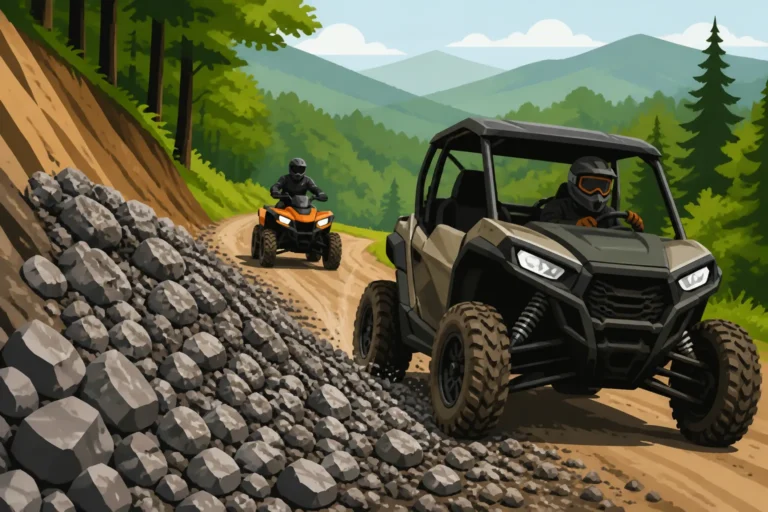
When you're riding on public lands in North Carolina – this includes national forests like Uwharrie and Pisgah, state game lands, or any designated OHV parks – the rules regarding age, passengers, helmets, and supervision are strictly enforced. Forest Service rangers, game wardens, and local law enforcement officers patrol these areas, and they know the laws well.
Violations can result in significant fines, and repeated offenses could even lead to your riding privileges being revoked. More importantly, disregarding these rules drastically increases the risk of serious injury for your minor passenger. Public lands are often diverse in terrain, with challenging trails that demand full attention and proper machine operation. The very reasons these rules exist—to mitigate risks—become even more pronounced on public trails. Whether you're heading to [Badin Lake OHV Trail Complex] or [Brown Mountain OHV Trail System], expect these rules to be closely observed. You can learn more about [What a North Carolina Trooper Checks Roadside] to get a better understanding of enforcement.
Private Property and Landowner Discretion
On private property, the owner generally has the right to set their own rules for invited riders. However, this isn't a blanket exemption from all state laws. While some aspects, like specific road-crossing regulations, might not apply, core safety laws often do. For instance, the [North Carolina Helmet Law for ATV Riders] applies to anyone under 18, regardless of where they are riding. Similarly, the [North Carolina's Under-Eight Ban] is a fundamental safety statute.
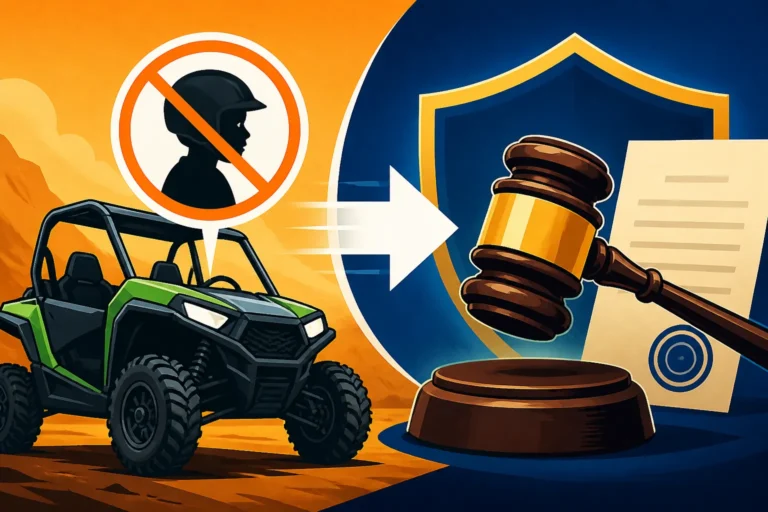
Even if a landowner gives you permission to ride, and even if they don't enforce strict rules themselves, you still have a moral and legal responsibility to ensure the safety of any minor passengers. Should an accident occur on private land, especially one involving an underage passenger not wearing a helmet or riding illegally, the operator could still face civil liability or criminal charges depending on the circumstances. Furthermore, your insurance policy might not cover incidents that happen when state laws are being disregarded. While [Riding Private Ground in North Carolina] offers flexibility, safety and legal compliance should always be your top priority. It's a matter of protecting not just your young passengers, but also yourself from potential legal repercussions and personal heartache.
Here's a quick summary table to help clarify the passenger rules:
| Rule Category | One-Seater ATVs | Factory Multi-Seater UTVs (Side-by-Sides) |
|---|---|---|
| Passengers Allowed? | No, never, regardless of age. | Yes, if designed by manufacturer for multiple riders. |
| Under 8 Age Limit | N/A (no passengers allowed anyway) | ABSOLUTELY NO PASSENGERS UNDER AGE 8. |
| Under 16 Supervision | N/A (no passengers allowed anyway) | Required: Continuous visual supervision by an adult for passengers under 16. |
| Under 18 Helmet | N/A (no passengers allowed anyway) | Required: DOT-approved helmet for all passengers under 18. |
| Under 18 Eye Protect. | N/A (no passengers allowed anyway) | Required: Adequate eye protection (goggles/face shield) for all passengers under 18. |
| Enforcement | Strict on public land, advised on private. | Strict on public land, advised on private. |
Disclaimer
This article is for general informational purposes only and does not constitute professional advice. Laws, prices and regulations vary by location and change over time. Consult a qualified professional for guidance on your specific situation.