Carrying a Passenger on a Factory Two-Seater
Riding the trails and soaking in the incredible natural beauty of North Carolina on an ATV or UTV is an experience many of us love to share. But when it comes to bringing a passenger along, especially on a machine that might look like it could carry two but isn't explicitly designed for it, things can get a little murky. This guide will cut through the confusion and clarify North Carolina's rules and best practices for safely and legally carrying a passenger, specifically on those factory two-seater machines.
North Carolina's Core Passenger Rules for ATVs and UTVs
When you're out on the trails, whether it's the winding paths of Brown Mountain or the challenging terrain of Badin Lake, knowing the rules for carrying passengers is just as important as knowing how to handle your machine. North Carolina has pretty clear guidelines, and they mostly hinge on how your ATV or UTV was originally designed. It's not just about fitting two bodies on a seat; it's about the machine's fundamental engineering.
The "Factory Two-Seater" Distinction
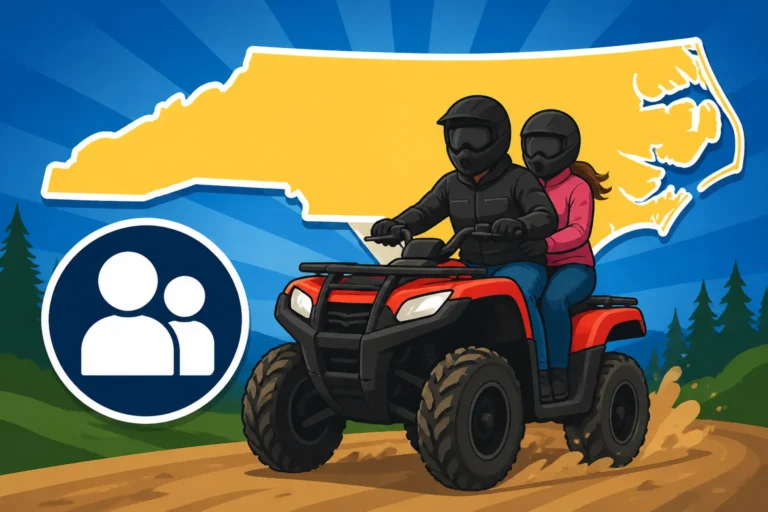
The key to understanding North Carolina's passenger rules lies in what the manufacturer intended. A "factory two-seater" ATV or UTV is exactly what it sounds like: a machine specifically designed and built by the manufacturer to safely accommodate two or more riders. These machines typically feature an extended seat, separate footrests for the passenger, and often grab handles or a backrest for added security. Think of it like a motorcycle designed for a pillion rider – every element is engineered to handle the additional weight and dynamics.
This is a crucial distinction from a single-rider ATV, even one that might look like you could squeeze another person on. You might see aftermarket passenger seat kits for single-rider ATVs, but these usually do not magically transform a single-rider into a legal two-seater in the eyes of North Carolina law. The law respects the original manufacturer's intent and design. So, while it might seem like a simple add-on, it fundamentally alters the machine's balance, suspension, and braking capabilities in ways it wasn't designed to handle, making it unsafe and often illegal for passengers. [A Factory Two-Seater Under North Carolina Law] covers this distinction thoroughly, emphasizing the importance of the machine's original configuration.
The bottom line here is safety first. Just because a machine can physically accommodate another person doesn't mean it's safe or legal. The added weight of a passenger on a single-rider machine dramatically shifts the center of gravity, making turns more difficult, increasing stopping distances, and potentially overloading suspension components. It compromises the operator's ability to control the machine, especially in unexpected situations or on challenging terrain.
General Rules for Carrying a Passenger
North Carolina law is quite straightforward: you generally cannot carry a passenger on an ATV unless it was specifically designed by the manufacturer for two or more riders. This rule is in place to protect both the operator and the potential passenger from serious injury. A single-rider ATV is built for one person, and its handling characteristics are tuned for that single load. Adding a passenger, even a small one, completely changes that dynamic.
Imagine trying to navigate a tight turn or an unexpected obstacle with someone sitting precariously behind you on a machine built for one. The increased weight over the rear axle can make the front end light, reducing steering control. Braking distances increase significantly, and the machine might behave unpredictably. These are not just inconveniences; they are serious safety hazards that can lead to rollovers or loss of control. [When North Carolina Lets You Carry a Passenger] specifically delves into the scenarios where passenger riding is permitted, always circling back to the manufacturer's design.
Furthermore, consider the physical safety of the passenger. On a single-rider ATV, there are often no adequate footrests, grab handles, or back support for a passenger to brace themselves. They might be sitting directly on the fender or a makeshift seat, which offers minimal protection during bumps, sudden acceleration, or braking. The manufacturer's age warning label, which North Carolina considers legally binding, often includes passenger restrictions or recommendations. [The Manufacturer's Age Warning Label in North Carolina] reinforces the idea that these labels aren't just suggestions but legal guidelines that riders should absolutely adhere to, both for themselves and their passengers. If you're pondering [Riding Double on a One-Seat Quad], the answer from a legal and safety perspective in North Carolina is a resounding no.
Safety Considerations Beyond the Law
Even when North Carolina law permits you to carry a passenger on a factory two-seater, adhering to the letter of the law is just the starting point. True responsibility means going above and beyond to ensure the safety and comfort of your passenger. The trails in North Carolina can be unpredictable, from sandy stretches to rocky climbs, and a responsible operator understands that the machine's behavior changes significantly with a second person aboard.
Equipment for Your Passenger
Just like the operator, any passenger riding a two-seater ATV or UTV needs appropriate safety gear. This isn't optional; it's absolutely essential for mitigating injury in the event of an accident. The first and foremost piece of equipment is a helmet. For any rider or passenger under the age of 18 in North Carolina, wearing a helmet is mandatory. But honestly, every single person on an off-road machine should wear one, regardless of age. Brain injuries are no joke, and a properly fitted DOT-approved helmet is your best defense. For more details, check out [North Carolina Helmet Law for ATV Riders].
Next up is eye protection. Again, for those under 18, it's a legal requirement, but it's a smart move for everyone. Dust, dirt, branches, and insects are constantly airborne on the trails. A good pair of goggles or a face shield on a full-face helmet will protect your passenger's vision and keep them comfortable. It's tough to enjoy a ride when you're squinting or trying to bat away debris. You can find specific rules on [North Carolina Eye Protection Requirement]. And when it comes to protecting those under 18, understanding [Why Under-18 Riders Need a DOT Motorcycle Helmet] is critical, as it ensures the right level of protection for younger riders.
Beyond helmets and eye protection, proper attire is paramount. Encourage your passenger to wear long pants, long-sleeved shirts, sturdy gloves, and over-the-ankle boots. This kind of gear protects against scrapes, cuts, and minor impacts, as well as providing a barrier against sun, brush, and exhaust heat. Even on a warm day, exposed skin is vulnerable. This comprehensive approach to gear is a fundamental aspect of safe riding and a topic often discussed in rider safety courses.
Rider Experience and Machine Handling
Carrying a passenger isn't just about having the right machine; it's also about having the right experience. The machine will inevitably handle differently with an extra person on board. The center of gravity will be higher and further back, affecting stability, especially on inclines, declines, and during quick maneuvers. Braking distances will increase, and acceleration will be less snappy. The operator needs to be experienced enough to anticipate and compensate for these changes. This isn't the time for a novice rider to learn how to operate a machine, let alone with a passenger.
Clear communication between the operator and passenger is absolutely vital. Before you even start the engine, establish some basic signals. For instance, how will the passenger indicate they need to stop, slow down, or are uncomfortable? The passenger needs to understand how to move with the machine – leaning into turns with the operator, absorbing bumps, and not making sudden, unexpected movements that could throw off the balance. This teamwork is what makes riding with a passenger enjoyable and safe.
The operator also needs to be extra vigilant about the trail conditions, riding slower and more cautiously than they might if they were alone. Avoiding aggressive riding, sudden acceleration, or sharp turns is key. Remember, your passenger is relying entirely on your judgment and skill. If you have a younger passenger, North Carolina has specific rules regarding supervision and age. [North Carolina Rules for a Passenger Under 18] outlines these guidelines, emphasizing that even on a factory two-seater, the responsibility for a minor's safety rests heavily on the operator. Taking an ATV safety course is an excellent way to refine your skills and learn techniques for riding with a passenger, ensuring you're prepared for the unique challenges it presents.
UTVs and Their Passenger Capacity
While ATVs can be a bit more ambiguous regarding passenger rules, UTVs, or side-by-sides, generally offer a much clearer picture. These machines are increasingly popular on North Carolina trails for their versatility and often inherent multi-passenger design, making them a go-to choice for families and groups looking to share the off-road adventure.
UTVs are Often Multi-Passenger by Design
The very nature of most UTVs is that they are built with multiple passengers in mind. Unlike most ATVs, which started as single-rider machines and sometimes adapted for two, UTVs typically feature bench seating or multiple bucket seats side-by-side (hence the name!). This design makes them inherently more stable and safer for carrying passengers, as their wider stance and lower center of gravity are engineered for multiple occupants from the drawing board.
However, even with UTVs, it's absolutely crucial to respect the manufacturer's stated capacity for your specific model. Just because there's a long bench seat doesn't mean you can cram as many people as possible onto it. Every UTV has a maximum weight and passenger limit, which is clearly outlined in the owner's manual and often on a sticker on the vehicle itself. Overloading your UTV can strain the engine, brakes, suspension, and tires, leading to premature wear, poor handling, and, most importantly, a dangerous situation for everyone inside. You might be looking to customize your UTV with accessories, and brands like SuperATV offer a wide range of products, but always ensure any modifications respect the vehicle's original design limitations and are compatible with its passenger capacity to maintain safety and compliance.
Consider the layout of your UTV. Does it have two bucket seats, a three-person bench, or a four-seat configuration? Each setup is designed for a specific number of passengers, and sticking to that number is essential. This also impacts the availability of seatbelts and proper restraints for everyone on board, which we'll dive into next. Think about your average ride – how many people are usually with you? If you often ride with a larger group, investing in a UTV with a higher factory-rated passenger capacity is always the safest bet.
Seatbelts and Restraints
One of the most significant safety advantages of UTVs over ATVs (even two-seater ATVs) is the inclusion of seatbelts and, in many cases, more robust restraint systems. Most UTVs come standard with three-point seatbelts, similar to what you'd find in a car, for every designated seating position. Some higher-performance or specialized UTVs even feature four- or five-point harnesses, which offer an even greater level of security, keeping occupants firmly planted in their seats during rough terrain or sudden movements.
It cannot be stressed enough: all occupants in a UTV must wear their seatbelts at all times when the vehicle is in motion. This isn't just a recommendation; it's a fundamental safety practice that dramatically reduces the risk of ejection or serious injury in the event of an impact, rollover, or even just a sudden bump on the trail. While seatbelts are generally not legally mandated for off-road use in North Carolina outside of Modified Utility Vehicles (MUVs) on public roads, it's a no-brainer for UTVs. A simple buckle can be the difference between a minor scare and a major injury.
For those looking to enhance their UTV's safety or comfort, aftermarket upgrades exist. Companies like SuperATV offer aftermarket harnesses that can replace factory seatbelts, providing a more secure fit, especially for aggressive riding or when navigating extremely challenging trails. However, always ensure that any aftermarket restraint system is properly installed according to the manufacturer's instructions and is compatible with your specific UTV model. Never compromise on safety by using ill-fitting or improperly installed restraints. Your passenger's well-being depends on it.
What About the "Non-Passenger" Rules?
Beyond the specific requirements for multi-passenger machines, North Carolina has overarching rules that apply to all ATV and UTV riders and passengers, regardless of the machine's design. These regulations are designed to protect the most vulnerable riders and ensure a minimum standard of safety for everyone enjoying the state's incredible trail systems. Understanding these "non-passenger" rules is critical, as they dictate who can even be a passenger in the first place.
The Under-Eight Ban and Continuous Supervision
North Carolina law is unequivocal when it comes to very young riders: no one under the age of eight is permitted to operate or ride as a passenger on an ATV or UTV. This "under-eight ban" is a critical safety measure, acknowledging that children this young lack the physical size, strength, cognitive development, and judgment necessary to safely participate in off-road riding, even as a passenger. Their bodies are simply not equipped to handle the forces and dynamics inherent in ATV/UTV operation or as a passenger. [North Carolina's Under-Eight Ban] is a straightforward rule with no exceptions, designed to prevent serious injury to our youngest enthusiasts.
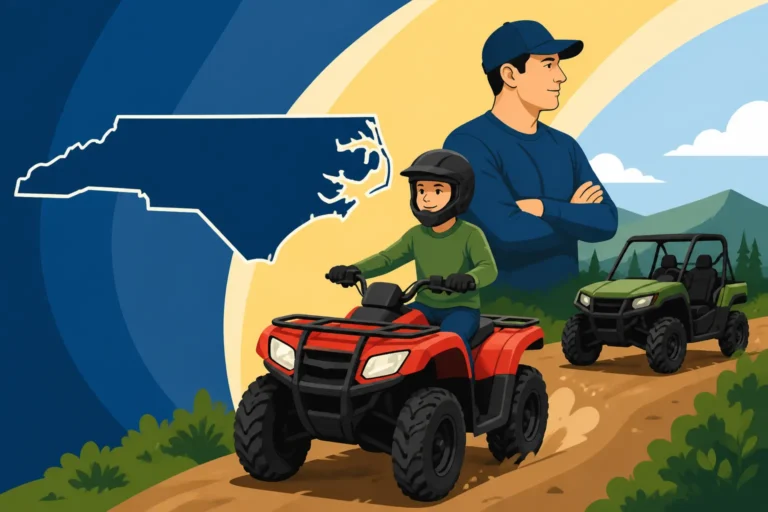
Furthermore, for riders and passengers between the ages of 8 and 16, North Carolina law requires "continuous visual supervision" by an adult. This means an adult must be able to see the young rider or passenger at all times during the ride. It's not enough to be in the general vicinity; the adult must have a clear line of sight, able to react and intervene if necessary. This rule applies whether the minor is operating their own machine or riding as a passenger on a factory two-seater with an adult operator. This ensures that an experienced adult can monitor the minor's safety, provide guidance, and address any potential issues immediately. You can delve into the specifics of [North Carolina Supervision Rules for Minors] to ensure you're compliant.
These rules underscore North Carolina's commitment to youth rider safety. They mean that even if you have a factory two-seater, you still need to ensure your passenger meets the minimum age requirement and, if they are under 16, that they are continuously supervised. It's about creating a safe environment for everyone on the trails, especially those who are still developing their riding skills and judgment.
Age Warnings and Their Legal Weight
You've probably seen those warning labels on ATVs and UTVs – the ones that specify minimum operator ages or passenger restrictions. It's easy to dismiss them as just "suggestions" from the manufacturer, but in North Carolina, these labels carry significant legal weight. The state has adopted the principle that these manufacturer's age warning labels are legally binding. This means that if a label on your factory two-seater ATV states a minimum age for a passenger, or prohibits passengers under certain conditions, you are legally obligated to follow those guidelines.
This is a critical point that many riders overlook. [The Manufacturer's Age Warning Label in North Carolina] is not just advice; it's a legal standard. These age recommendations are based on extensive safety testing and risk assessments by the manufacturers, taking into account factors like the machine's size, weight, speed, and handling characteristics. They are designed to match the physical and cognitive abilities required to safely operate or ride as a passenger on that specific machine. Ignoring these warnings can lead not only to increased risk of injury but also to legal liability.
So, before you head out with a passenger, take a moment to locate and read the warning labels on your specific factory two-seater. Understand [What North Carolina Law Says About a Rider's Age] and how it intersects with these manufacturer recommendations. If your machine says "operator only" or specifies a minimum passenger age that is higher than the general state minimum, the manufacturer's more restrictive warning takes precedence. It's an added layer of protection and responsibility that every operator should respect to ensure a safe and enjoyable experience for everyone on board.
| Feature | Single-Rider ATV | Factory Two-Seater ATV/UTV |
|---|---|---|
| Passenger Legality | Generally illegal in NC | Legal (within manufacturer's capacity) |
| Safety | Highly unsafe for passenger | Designed for passenger safety, but requires experienced operator |
| Handling Impact | Significantly alters handling, reduces control, increases braking distance | Accounts for dual weight, but operator must adjust to altered dynamics |
| Required Equipment | Not applicable for passenger (as they shouldn't be there) | Helmets, eye protection (mandatory for under 18, recommended for all) |
| Age Restrictions | Not applicable for passenger (as they shouldn't be there) | Passenger must be 8+ years old, and comply with manufacturer's age label |
Disclaimer
This article is for general informational purposes only and does not constitute professional advice. Laws, prices and regulations vary by location and change over time. Consult a qualified professional for guidance on your specific situation.