Riding an Interstate Shoulder
We've all been there: you're out on your ATV or UTV, maybe heading to a favorite trail system or a friend's property, and you see that tempting interstate shoulder. It looks like a shortcut, a quick way to cover some ground, or simply a way to get around traffic. But before you even think about putting tires on that asphalt, you need to understand North Carolina's very strict rules about where your off-road machine can and cannot go. This guide is going to break down exactly why riding an interstate shoulder is a definite no-go in the Tar Heel State and what the real implications are.
The Straight Answer: Can You Ride an Interstate Shoulder in North Carolina?
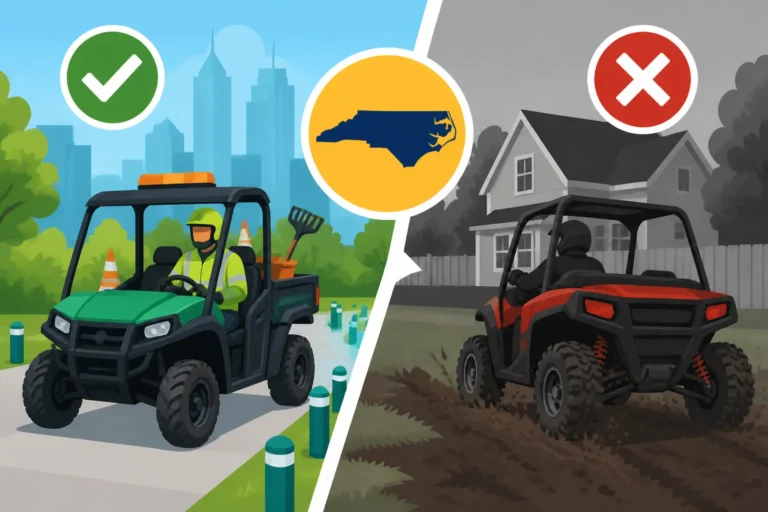
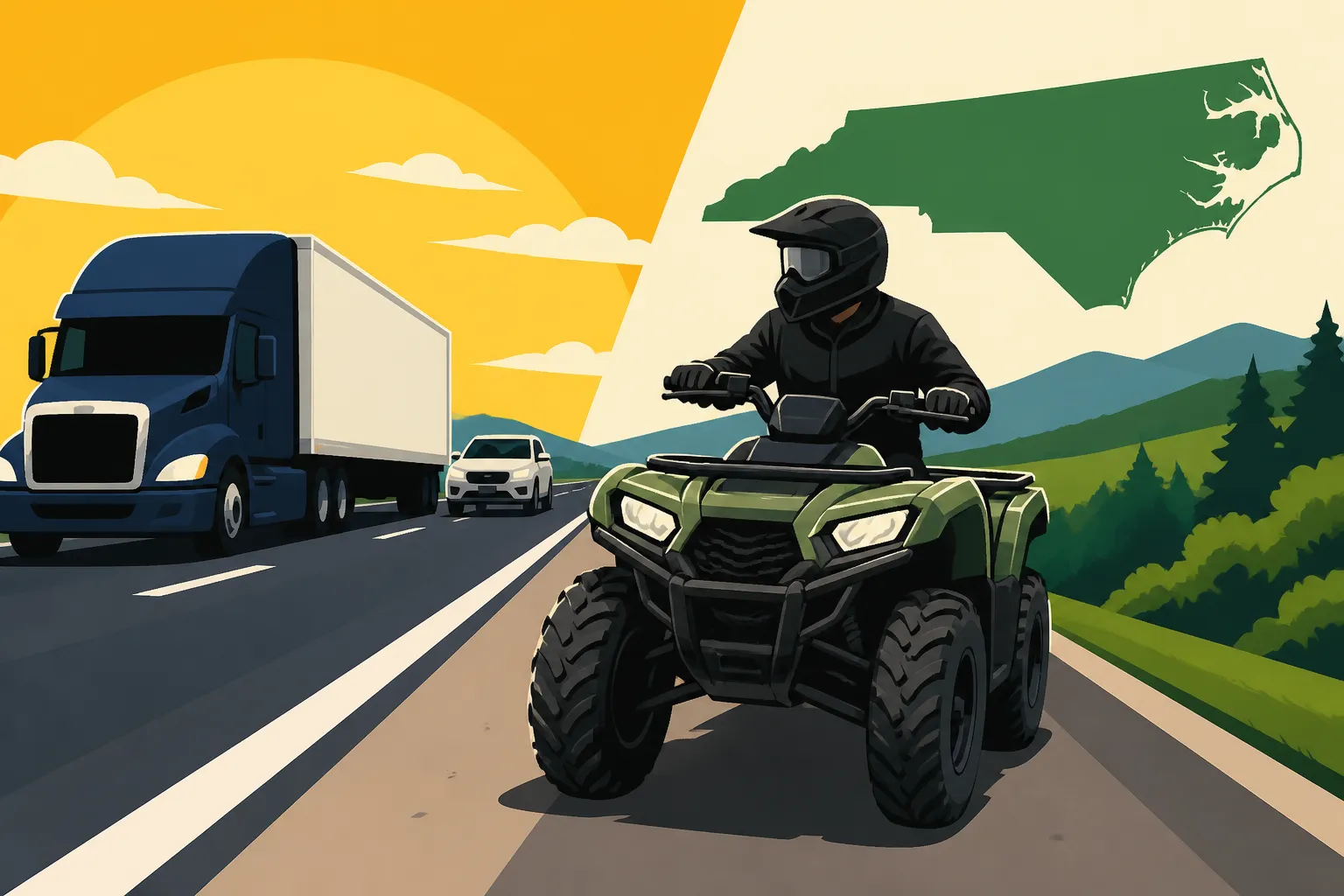
Let's not beat around the bush here, because this is a question with a very clear, unequivocal answer: No. In North Carolina, it is unequivocally illegal to ride an ATV or UTV on the shoulder of an interstate highway. This isn't a gray area, a loophole, or something you can try to talk your way out of. Interstates are designed and legislated for specific types of vehicles, and off-road machines simply don't make the cut.
Think about the sheer speed and volume of traffic on an interstate. These roads are high-speed arteries, and anything that introduces a slow-moving, unprotected vehicle like an ATV or UTV into that environment creates an immediate and severe safety hazard. The law reflects this reality, prioritizing the safety of all motorists on these major roadways. It doesn't matter if you're just going "a little bit" or if you think you're being careful; the law is absolute when it comes to interstates.
Many riders, especially those new to the state or coming from areas with different regulations, often find this frustrating. You might have just a short distance to cover, or perhaps you're simply trying to avoid a congested local road. But the state's stance is firm: interstates are off-limits for ATVs and UTVs, period. This includes the main travel lanes, the emergency shoulders, exit ramps, and entrance ramps. Basically, if it's part of the interstate system, your ATV or UTV doesn't belong there.
The Clear Legal Prohibition
North Carolina law is very explicit about where off-road vehicles like ATVs and UTVs can operate. The primary purpose of these machines is recreational, agricultural, or utility use off the public road system. When it comes to public roads, especially high-speed ones like interstates, the regulations tighten considerably. The statutes simply do not provide for ATVs or UTVs to be ridden on these roads, let alone their shoulders.
This prohibition isn't just about common sense safety; it's codified in state law. An ATV or UTV lacks many of the safety features required for highway use, such as proper lighting, signaling, and occupant protection that highway vehicles are mandated to have. Even if you've added some aftermarket upgrades like those from SuperATV to enhance your machine for the trails, these modifications generally won't make your ATV or UTV street-legal for interstate use. The legal framework simply doesn't recognize them as appropriate for such high-traffic, high-speed environments.
Breaking this rule isn't just a minor infraction; it can lead to significant penalties. We're talking about serious fines, potential impoundment of your machine, and even criminal charges depending on the specific circumstances and any reckless behavior involved. It's crucial to understand that law enforcement takes interstate safety very seriously, and they are well aware that off-road vehicles do not belong on these roads. For more on what's generally prohibited, check out [What Is Illegal on an ATV in North Carolina].
Why Interstate Shoulders Are Off-Limits for ATVs and UTVs
The restrictions on ATVs and UTVs on interstate shoulders aren't arbitrary. They're rooted in fundamental principles of safety, vehicle design, and traffic flow. These machines, while incredibly capable and fun off-road, are simply not built for the unique demands and dangers of interstate travel. Understanding the "why" can help solidify the importance of adhering to these rules.
One of the biggest factors is speed differential. An ATV or UTV, even a powerful one, cannot maintain the minimum speeds typically required on an interstate, which are often 45 mph or higher. Trying to operate a machine that tops out at 40-50 mph in a flow of traffic moving at 70-80 mph is a recipe for disaster. This speed difference dramatically increases the risk of rear-end collisions, which are often severe at highway speeds.
Furthermore, visibility is a huge concern. ATVs and UTVs are smaller than cars and trucks, and they sit lower to the ground. This makes them much harder for drivers of larger, faster vehicles to see, especially in adverse weather conditions, at dusk or dawn, or when obscured by other traffic. Their lighting systems, while adequate for off-road use, are often not designed to meet the rigorous standards for highway visibility. [North Carolina Rules for Riding After Dark] cover some of these lighting requirements, but they rarely extend to interstate suitability.
Safety Hazards Beyond Speed and Visibility
Beyond speed and visibility, ATVs and UTVs present inherent stability and protection issues on an interstate. These machines are designed for off-road agility, which means a higher center of gravity and a narrower track width compared to most highway vehicles. This design makes them more susceptible to rollovers, especially at higher speeds, during sudden maneuvers, or if they encounter uneven pavement or debris often found on shoulders.
The lack of occupant protection is another critical factor. While many UTVs have roll cages and seatbelts, and ATV riders wear helmets and protective gear, this pales in comparison to the crumple zones, airbags, and robust chassis of a typical automobile. In a collision with a car or truck at interstate speeds, an ATV or UTV rider or passenger has virtually no protection. This stark reality is a primary reason [Why Interstates Are Closed in North Carolina] to these types of machines.
Finally, shoulders are not travel lanes. They are intended for emergency stops, breakdown assistance, and sometimes for specific maintenance vehicles or law enforcement. They are not cleared or maintained with the same diligence as main travel lanes, meaning they can contain debris, potholes, or other hazards that could easily cause an ATV or UTV to lose control. For all these reasons, the legal prohibition is a vital safety measure.
The Limited Exceptions for Off-Road Machines on North Carolina Roads
It's true that North Carolina does have a few, very specific exceptions that allow ATVs and UTVs onto some public roads. However, it's absolutely crucial to understand that these exceptions are incredibly narrow and do not apply to interstate highways or their shoulders. Misinterpreting these rules can lead to serious trouble.
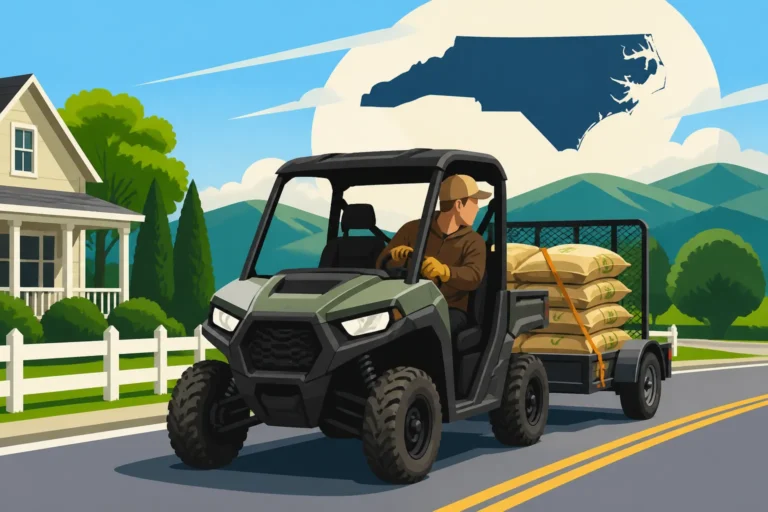
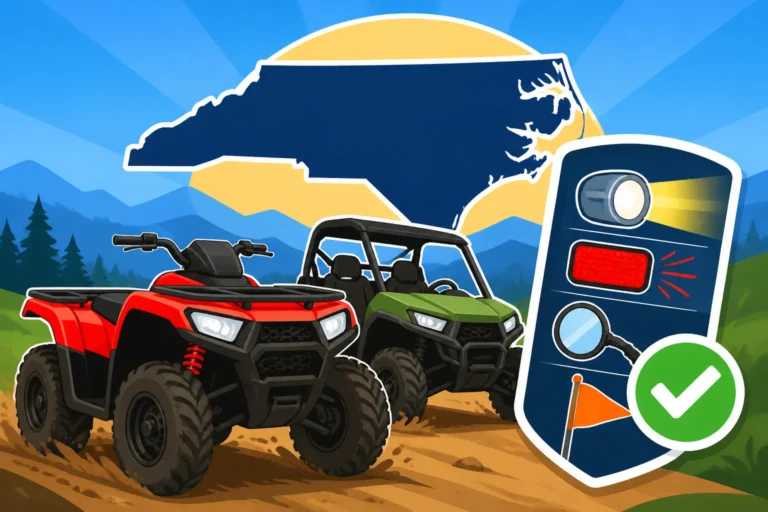
One common point of confusion is the "Modified Utility Vehicle" (MUV) designation. North Carolina has a specific process where certain UTVs, if they meet a laundry list of strict requirements, can be registered as MUVs and driven on public roads with speed limits of 55 mph or less. These requirements include specific engine size, dimensions, safety equipment (like turn signals, headlights, brake lights, mirrors, a speedometer, and a parking brake), and a VIN assigned by the DMV. You can learn more about this by reading [North Carolina MUV Street Legal Requirements].
However, even a fully street-legal MUV is explicitly prohibited from operating on interstates. The law governing MUVs specifically limits their road use to non-interstate highways. So, while you might see a properly registered MUV driving on a two-lane highway in rural North Carolina, you will never see one legally on I-40 or I-85. This distinction is critical and often misunderstood.
Farm Use and Road Crossings: Not for Interstates
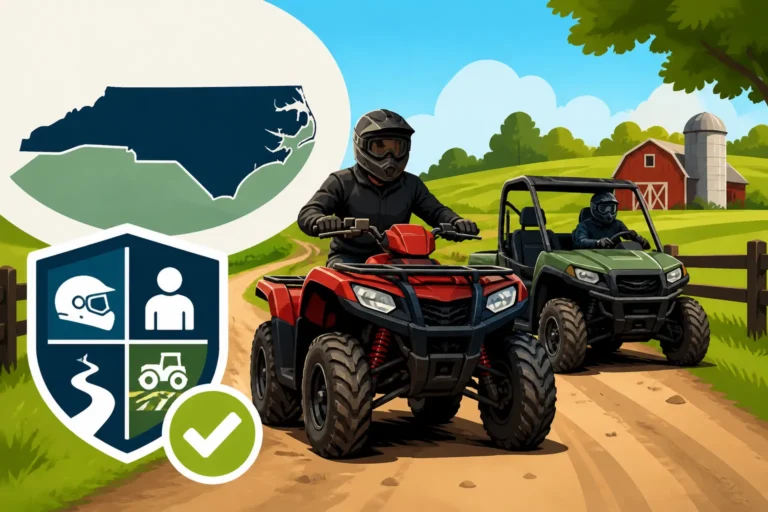
Another area where ATVs and UTVs can sometimes touch public roads is through the "farming operations" exception. Under specific circumstances, machines used for bona fide farming operations can legally travel on public roads, typically from one part of a farm to another, or to access fields. This often requires the vehicle to be operated by a farmer or farm employee and be clearly used for agricultural purposes. For more details, see [North Carolina's Farming Operations Exception].
Again, this exception is very limited and absolutely does not extend to interstate highways. A farmer cannot use an interstate shoulder to move equipment between fields, no matter how short the distance. The farming exception applies to local, low-speed roads, not the high-speed, controlled-access environment of an interstate.
Similarly, there are specific rules for [Crossing a Road on an ATV in North Carolina]. These rules generally permit a direct, perpendicular crossing of a public road, but only when it's safe to do so and for very short distances, typically to access trails or private property on the other side. This is a far cry from riding along a road, and it certainly doesn't apply to the continuous flow of traffic and speeds found on an interstate. These are momentary, highly controlled movements, not sustained travel. So, while you might cross a quiet county road, you absolutely cannot cross an interstate, nor ride its shoulder.
Consequences and Safer Alternatives to Interstate Riding
Ignoring North Carolina's laws regarding ATVs and UTVs on interstate shoulders carries significant risks and penalties. It's not just about a potential ticket; it's about your safety, the safety of others, and the legal repercussions that can follow you for a long time. The consequences for illegal interstate use can be severe, far outweighing any perceived convenience of using the shoulder.
At a minimum, you're looking at fines for illegal operation of an off-highway vehicle on a public road. These fines can be substantial. Beyond that, your machine could be impounded, leaving you with towing and storage fees, in addition to the fines. If your actions are deemed reckless or if an accident occurs, you could face criminal charges, liability for damages, and even serious injury or death. Law enforcement officers have little tolerance for vehicles that pose such a clear danger on interstates. You can find more information about potential penalties in [North Carolina Fines for an ATV Violation].
It's also worth considering the insurance implications. Your ATV or UTV insurance policy is almost certainly designed for off-road use, not highway operation. If you're involved in an incident on an interstate while illegally riding your machine, your insurance company could deny coverage, leaving you personally responsible for all damages, medical bills, and legal fees. This financial burden could be catastrophic.
Planning Your Routes: The Safer Way
Instead of even contemplating the interstate shoulder, the safest and only legal approach is to plan your routes to avoid public roads entirely, or to use them only where explicitly permitted by law (like an MUV on a 55 mph or less road, never an interstate).
This usually means trailering your ATV or UTV to and from approved riding areas. North Carolina boasts some fantastic trail systems and private lands where you can legally and safely enjoy your machine. Areas like the Uwharrie National Forest, with trails like the Badin Lake OHV Trail Complex, or the Brown Mountain OHV Trail System in the Pisgah National Forest, are designed for off-road enthusiasts. [Where to Ride an ATV in North Carolina] provides excellent information on these types of legal riding destinations.
When mapping your trips, use GPS or mapping apps that allow you to exclude interstates and focus on secondary roads, county roads, or private property access points. Many riders use apps that highlight approved OHV trails and forest service roads. If you're traveling a significant distance, remember that a proper truck and trailer setup is the standard, safest, and legal way to transport your off-road machine. Trying to shave a few minutes by breaking the law is simply not worth the immense risk.
| Aspect | Allowed on Interstate Shoulder? | Applicable North Carolina Rules |
|---|---|---|
| ATV/UTV (Standard) | No | Explicitly prohibited for safety and vehicle design reasons. |
| Modified Utility Vehicle (MUV) | No | Permitted on roads <= 55 mph, but strictly not on interstates. |
| Farm Use Machine | No | Limited to local, low-speed roads for agricultural purposes, not interstates. |
| Road Crossing | No (for interstate) | Only for direct, perpendicular crossings of non-interstate roads. |
| Street-Legal Vehicles | Yes (cars, trucks) | Vehicles designed and registered for highway speeds and safety standards. |
By prioritizing safety and adhering to North Carolina's laws, you can ensure your ATV and UTV adventures remain enjoyable, legal, and free from the grave dangers of interstate travel. Always know before you go, and always respect the rules of the road – even the ones that tell you where not to ride.
Disclaimer
This article is for general informational purposes only and does not constitute professional advice. Laws, prices and regulations vary by location and change over time. Consult a qualified professional for guidance on your specific situation.