Why Under-18 Riders Need a DOT Motorcycle Helmet
Oh, the age-old question of what headgear your younger riders need when they hit the dirt in North Carolina! It's a source of constant confusion for so many parents and guardians, and honestly, the law can feel a bit like a winding trail itself sometimes. This guide is going to cut through all that noise and clearly explain why every single rider under the age of 18 in North Carolina absolutely, unequivocally needs a DOT-approved motorcycle helmet when they're on an ATV or UTV, and what that truly entails.
The Critical Rule: DOT Motorcycle Helmets for Minors
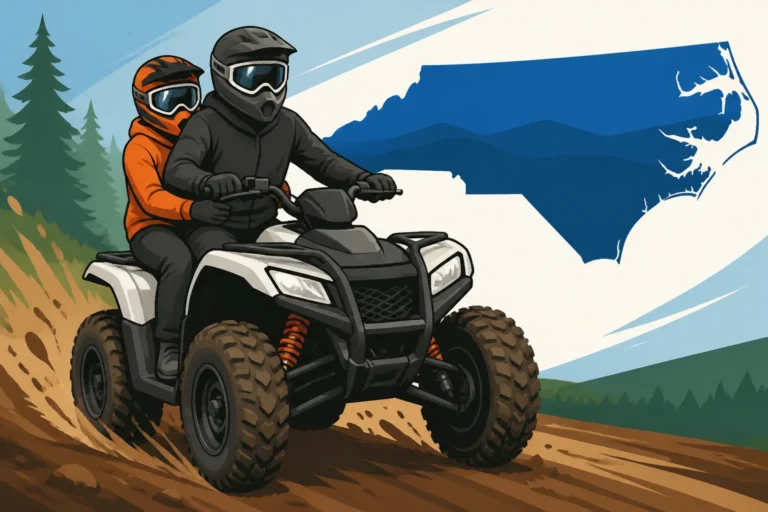
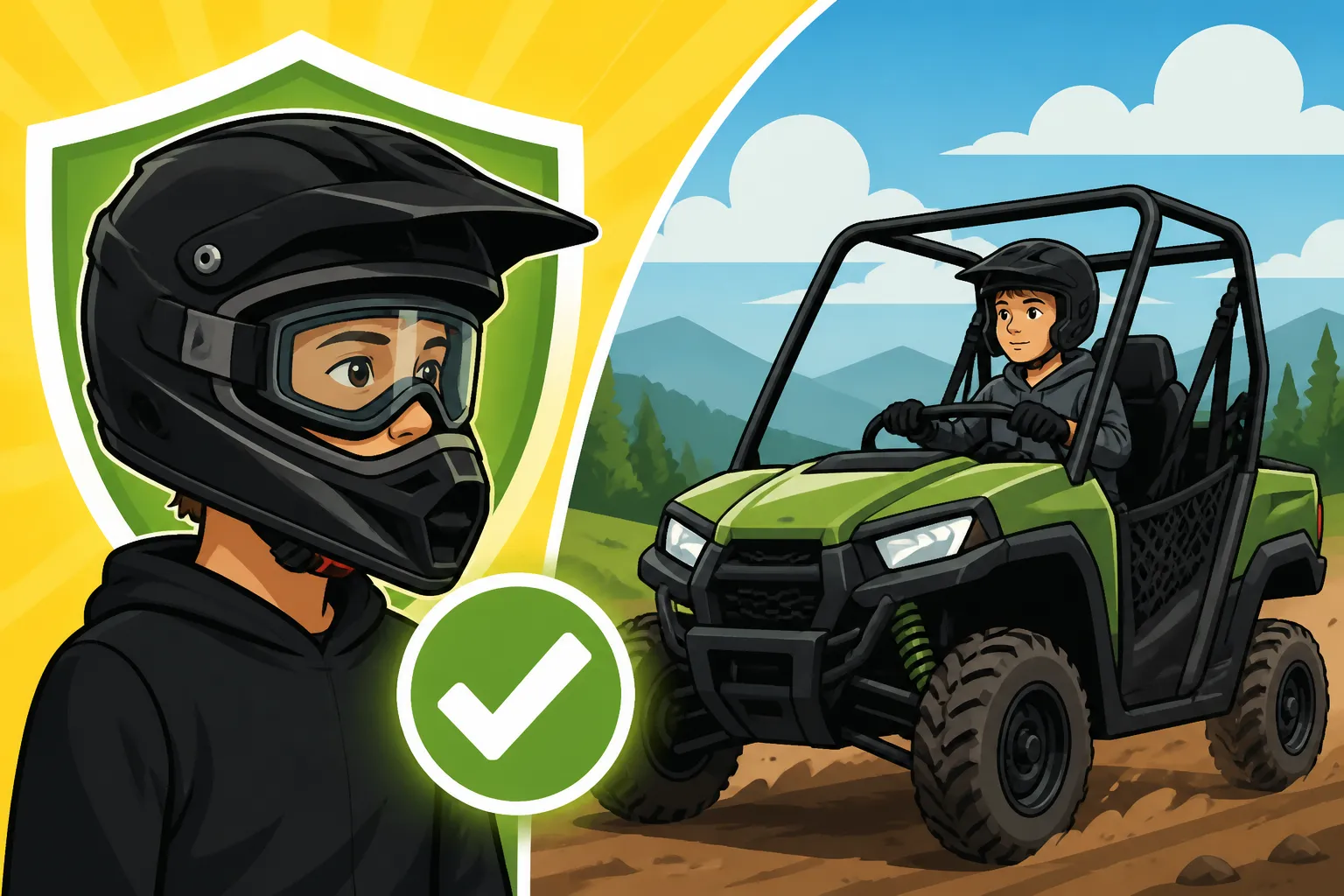
Let's get straight to the heart of the matter: North Carolina law is very specific when it comes to head protection for younger ATV and UTV riders. It's not just "any helmet" or "a bike helmet." The requirement is a DOT-approved motorcycle helmet, and it applies to anyone under 18 years old. This isn't just a suggestion; it's a legal mandate designed to protect our most vulnerable riders. The trails, even the gentlest ones, present inherent risks, and a proper helmet is the first line of defense against serious injury.
Understanding the "Under 18" Mandate
Picture this: you've got your adventurous teenager, let's say a 16-year-old, eager to explore the trails at Badin Lake or Brown Mountain. They've got their machine, their riding gear, and they're ready to go. The law in North Carolina states quite clearly that because they are under 18, they must be wearing a helmet that meets the Department of Transportation (DOT) standards for motorcycles. This isn't just for public trails; it extends to private land as well, unless the private land is exclusively used by the landowner and direct family members under very specific circumstances. Even then, the spirit of safety should always prevail. It's a blanket rule for off-road operations. [North Carolina Rules for Riders Under 16] are quite explicit about this, and it's a detail you absolutely cannot overlook.
This mandate isn't about stifling fun or adding unnecessary bureaucracy; it's born from a very real understanding of injury statistics. Young riders, often still developing their judgment and reaction times, are at a higher risk of accidents. Their growing bodies are also more susceptible to severe trauma. A DOT-approved helmet is engineered to withstand impacts far greater than, say, a cycling helmet, distributing force and absorbing energy to protect the brain. It's about providing the best possible chance of walking away from an unforeseen incident with minimal injury. You want to give your child every advantage in an unpredictable environment.
Why a Bicycle Helmet Just Won't Cut It
Many parents, understandably, might think a robust bicycle helmet or even a skateboard helmet would offer sufficient protection for ATV riding. After all, they look somewhat similar, right? This is a dangerous misconception. While these helmets are excellent for their intended sports, they are simply not designed to withstand the higher speeds, greater impact forces, and different types of impacts associated with ATV and UTV accidents. The materials, construction, and testing standards are vastly different.
A bicycle helmet is primarily designed to protect against blunt force trauma from falls at lower speeds onto relatively flat surfaces. Its coverage is often less comprehensive, leaving areas like the jaw, chin, and temples exposed. On the other hand, a DOT motorcycle helmet is built to offer full-face or extensive coverage, engineered with a much thicker and more robust outer shell, a denser impact-absorbing liner (typically expanded polystyrene or EPS foam), and a strong chin strap system. It's tested against more rigorous standards that simulate impacts with irregular surfaces, higher G-forces, and penetrating objects. So, while a bike helmet might feel lighter and more comfortable, it's a false sense of security when it comes to the demands of off-road vehicle riding. This is one of those times where the comfort of a lighter helmet is not worth the compromise on safety.
What "DOT Approved" Really Means for Your Helmet
When you see "DOT approved" stamped on a helmet, it's not just a marketing slogan. It signifies that the helmet has been manufactured to meet a specific set of minimum performance standards established by the U.S. Department of Transportation, specifically Federal Motor Vehicle Safety Standard (FMVSS) 218. These standards are in place to ensure a basic level of safety and protection for riders on public roads, and by extension, are adopted for off-road use for minors in North Carolina due to the similar risks involved.
The Certification Stamp and What to Look For
So, how do you know if a helmet truly meets the DOT standard? It's all about the label, and you can't miss it. On the back of every DOT-compliant helmet, you will find a white sticker with the letters "DOT." Beneath this, there will be other important information, including the manufacturer's name, model designation, and the words "FMVSS No. 218." You might also see other certifications like Snell or ECE, which represent even higher or different international standards, but for North Carolina's under-18 rule, the "DOT" stamp is the key. [North Carolina Helmet Law for ATV Riders] specifically references this standard for minors, removing any ambiguity.
It's crucial to inspect this label carefully, especially if you're buying a used helmet or one from an unfamiliar source. Counterfeit helmets exist, and they often bear fake DOT stickers. These helmets offer little to no real protection. A genuine DOT-certified helmet has undergone rigorous testing for impact absorption, penetration resistance, and retention system strength. You want to see a clear, well-affixed label that looks professional and official. Don't be shy about asking questions at a reputable gear shop; they should be able to walk you through the specifics and show you exactly where to look for the certification. This is not the time to cut corners or assume.
The Safety Standards Behind the Seal
The FMVSS 218 standard outlines a battery of tests that a helmet must pass. It's quite comprehensive. For example, helmets are subjected to multiple impacts at various points to ensure they can effectively absorb energy without transmitting excessive force to the wearer's head. Imagine dropping a helmet with a weighted headform inside onto a steel anvil from a significant height – that's the kind of scenario they simulate. They also test for penetration resistance, which means a sharp object is dropped onto the helmet to ensure it won't easily pierce through to the skull. This is especially important for off-road riding where branches, rocks, or other debris could be encountered.
Furthermore, the retention system – the chin strap – is put through a dynamic test to ensure it stays securely fastened under force and doesn't stretch or break, keeping the helmet on the rider's head during an impact. [Does a 17-Year-Old Need a Helmet Off-Road?] The answer is a resounding yes, precisely because of these standards. A helmet that comes off during a crash offers no protection at all. These stringent tests mean that when you buy a DOT-approved helmet, you're investing in a product that has been scientifically proven to provide a minimum level of life-saving protection under defined accident conditions. It's peace of mind, not just a legal requirement.
The Risks of Non-Compliance on North Carolina Trails
Ignoring North Carolina's helmet law for riders under 18 isn't just about breaking a rule; it carries significant legal and, more importantly, safety consequences. The state takes the well-being of its young off-road enthusiasts very seriously, and the penalties reflect that commitment. Nobody wants to see a ride day end with a citation, or worse, an emergency.
Fines and Legal Ramifications for Parents and Guardians
Let's talk about the practical side of this. If a Forest Service officer in the Uwharrie National Forest or a local law enforcement officer spots your underage rider without a DOT-approved motorcycle helmet, you, as the parent or guardian responsible, could be facing a fine. These aren't just minor slaps on the wrist; [North Carolina Fines for an ATV Violation] can quickly add up, turning an enjoyable outing into a costly mistake. The exact amount can vary, but it's enough to make you wish you'd just bought the right helmet in the first place. Beyond the immediate financial penalty, repeated offenses could lead to more serious legal troubles, especially if there's an accident involved.
Think about it: an officer pulling you over, having to explain why your child isn't wearing the proper gear. It's not just embarrassing; it can cast a shadow over your reputation as a responsible guardian. Moreover, in the unfortunate event of an accident where your underage rider is injured while not wearing a compliant helmet, you could potentially face increased liability. Insurance claims might be complicated, or even denied, if negligence is determined due to non-compliance with state law. It's a risk that no one should be willing to take, especially when the solution is so straightforward. Protect your wallet, sure, but more importantly, protect your peace of mind by following the rules.
The Very Real Danger to Young Riders
Beyond the legal headaches, the most crucial risk of non-compliance is the undeniable threat to your child's physical safety. Head injuries are among the most common and devastating consequences of ATV and UTV accidents. These machines, while incredibly fun, are powerful and can quickly lead to rollovers, collisions, or unexpected dismounts. A rider, especially a smaller, lighter one, can be thrown with considerable force. Without a DOT-approved helmet, the risk of traumatic brain injury (TBI), concussions, skull fractures, and even fatal injuries skyrockets.
Imagine a scenario: your child is riding on a seemingly easy trail, hits a hidden rut, and the machine unexpectedly bucks, throwing them sideways. If they land awkwardly, headfirst, onto a rock or even hard-packed dirt, the consequences without proper head protection could be life-altering. Even seemingly minor head impacts can lead to long-term cognitive issues, memory problems, and behavioral changes. No one wants to contemplate such a possibility, but it's a grim reality that proper gear can mitigate. Investing in a quality, DOT-approved helmet is an investment in your child's future, their cognitive function, and their ability to continue enjoying life's adventures safely. Companies like SuperATV, which focus on enhancing the off-road experience, would always advocate for safety gear above all else. [North Carolina Eye Protection Requirement] also comes into play here, often integrated with quality helmet designs for comprehensive protection.
Choosing the Right DOT Helmet for Your Young Rider
Selecting a DOT-approved helmet for your young rider isn't just about grabbing the first one you see with the sticker. It's about finding the right helmet – one that fits perfectly, offers maximum protection, and is comfortable enough that they'll actually want to wear it. A helmet that doesn't fit properly is almost as bad as no helmet at all, as it can shift during an impact or simply be uncomfortable, leading to distractions or reluctance to wear it.
Proper Fit and Sizing for Maximum Protection
This is where the rubber meets the road, so to speak. A helmet's ability to protect is directly proportional to its fit. It shouldn't be too tight, causing painful pressure points, but it absolutely cannot be loose. A loose helmet will wobble, obstruct vision, and, most critically, can come off or shift dramatically during an impact, negating its protective qualities. When trying on a helmet for your child, look for these key indicators:
- Snug but Comfortable: The helmet should feel snug all around the head, with pressure distributed evenly. There shouldn't be any significant gaps between the helmet's interior and your child's head.
- No Movement: When your child shakes their head side to side and up and down, the helmet should not move or slip. If it does, it's too big.
- Cheek Pads: The cheek pads should press against the cheeks firmly. If they're loose, the helmet is likely too large.
- Vision Check: Ensure the helmet doesn't obstruct peripheral vision. Your child should be able to see clearly from side to side.
- Retention System: Fasten the chin strap firmly but comfortably. It should not be possible to roll the helmet off the head by pulling up from the back.
Remember, head sizes vary even among children of the same age. Never guess the size; always measure your child's head circumference and consult the manufacturer's sizing chart. Many reputable brands offer youth-specific sizes designed for smaller head shapes and lighter weights, which can prevent neck strain. A local powersports dealer can be an invaluable resource for professional fitting. [North Carolina Minimum Age to Ride an ATV] is a separate consideration, but the helmet rule applies regardless of whether they're old enough to ride.
Features to Prioritize Beyond the DOT Sticker
While the DOT certification is non-negotiable, there are other features that can significantly enhance safety, comfort, and the overall riding experience for your young rider.
- Ventilation: ATV riding, especially in North Carolina's humid summers, can be hot work. Good ventilation, with strategically placed vents and exhaust ports, helps to keep the head cool and reduce fogging of the visor or goggles.
- Weight: A lighter helmet will reduce neck fatigue, which is particularly important for smaller riders whose neck muscles are still developing. While DOT helmets are inherently heavier than bicycle helmets, look for models designed with weight reduction in mind.
- Visibility: Bright colors or reflective graphics can improve your child's visibility to others on the trail, especially in dusty conditions or low light.
- Removable/Washable Liner: Kids sweat, and liners get dirty. A helmet with a removable and washable interior liner is a godsend for hygiene and comfort.
- Goggle Compatibility: Most off-road helmets are designed to be worn with goggles for eye protection. Ensure the eyeport is large enough and shaped correctly to accommodate a good pair of [North Carolina Eye Protection Requirement] goggles without pinching or leaving gaps.
- Chin Bar: Full-face helmets with robust chin bars offer the most comprehensive protection against frontal impacts, which are common in off-road spills.
- Material: Helmets are typically made from thermoplastic shells (like polycarbonate or ABS) or composite materials (like fiberglass or carbon fiber). Composites are generally lighter and stronger but also more expensive. For youth riders, a well-designed thermoplastic helmet often provides excellent protection at a more accessible price point.
By considering these features, you're not just buying a compliant helmet; you're buying a piece of essential safety gear that your child will find comfortable and effective, making them more likely to wear it consistently and correctly. This is an investment in their safety and enjoyment.
Dispelling Common Misconceptions About Helmet Laws
The world of ATV and UTV regulations can be riddled with old information, local legends, and well-meaning but ultimately incorrect advice. It's easy to get confused, especially when you're trying to do the right thing for your kids. Let's clear up some of the most pervasive myths about helmet laws for young riders in North Carolina.
The Persistent Myth of the Age-Based Repealed Rule
One of the most stubborn myths circulating among ATV riders in North Carolina is the idea that the "under 18 helmet rule" was repealed or that certain age groups are exempt. This is absolutely false. [Why North Carolina's Repealed Rule Still Circulates] is a question many ask, and it often stems from outdated information or confusion with other repealed laws that pertained to different aspects of ATV operation, like engine size restrictions for certain age groups, which were indeed changed years ago. However, the requirement for all riders under 18 to wear a DOT-approved motorcycle helmet remains firmly in effect.
This misunderstanding can be dangerous because it leads parents and guardians to believe their children are exempt when they are not, putting them at significant risk and opening the door to legal penalties. Always refer to the most current statutes published by the North Carolina General Assembly or consult directly with the DMV or Forest Service for definitive information. Don't rely on word-of-mouth or old forum posts. The law is designed to protect minors, and its consistency on this point is a testament to the recognized vulnerability of young riders. Whether your child is 8 or 17, that DOT helmet is a must.
Comparing ATV Helmets to Motorcycle Helmets
Another point of confusion sometimes arises around the distinction between "ATV helmets" and "motorcycle helmets." In reality, for the purposes of DOT certification and North Carolina law, there isn't a separate category called "ATV helmet" that differs fundamentally from a "motorcycle helmet." When the law specifies a "DOT-approved motorcycle helmet" for underage ATV riders, it means exactly that: a helmet that meets the FMVSS 218 standard, whether it's marketed specifically for motocross, dirt biking, or general ATV use. The key is the DOT certification.
Many helmets are designed with features specifically beneficial for off-road use, such as large eyeports for goggles, visors that help block roost and sun, and enhanced ventilation for strenuous riding. These are often labeled as "off-road," "motocross," or "dirt bike" helmets. As long as they carry the DOT certification, they fulfill the legal requirement in North Carolina for minors. Don't get bogged down in the specific sport designation; focus on the certification. [Reading an Age Warning Sticker] on an ATV or UTV will also emphasize the importance of appropriate safety gear, often referring to helmet standards. For instance, a quality brand like SuperATV, while known for parts, would always underscore the need for proper, certified safety gear to accompany their high-performance products. When you're picking out that shiny new helmet for your budding adventurer, just ensure that little DOT sticker is present and accounted for.
| Helmet Type | Designed For | Key Features | North Carolina Legality for Under 18 ATV Riders |
|---|---|---|---|
| DOT Motorcycle | Motorcycles, ATVs, UTVs | Robust shell, EPS liner, full face/off-road style, tested for high impact/penetration | REQUIRED |
| Bicycle Helmet | Cycling (low speed) | Lightweight, ventilation, limited coverage, low impact protection | NOT ALLOWED |
| Skateboard/Skate | Skating, boarding | Hard shell, foam liner, multi-impact design (low speed), often open face | NOT ALLOWED |
| Construction Hard Hat | Industrial sites | Impact/penetration from falling objects (top only), not designed for crash impact | NOT ALLOWED |
This table clearly illustrates why only a DOT-certified motorcycle helmet meets the legal and safety requirements for young riders in North Carolina. The intent is to provide maximum protection in a dynamic, high-impact environment.
Disclaimer
This article is for general informational purposes only and does not constitute professional advice. Laws, prices and regulations vary by location and change over time. Consult a qualified professional for guidance on your specific situation.