Meeting a Log Truck in the Nantahala
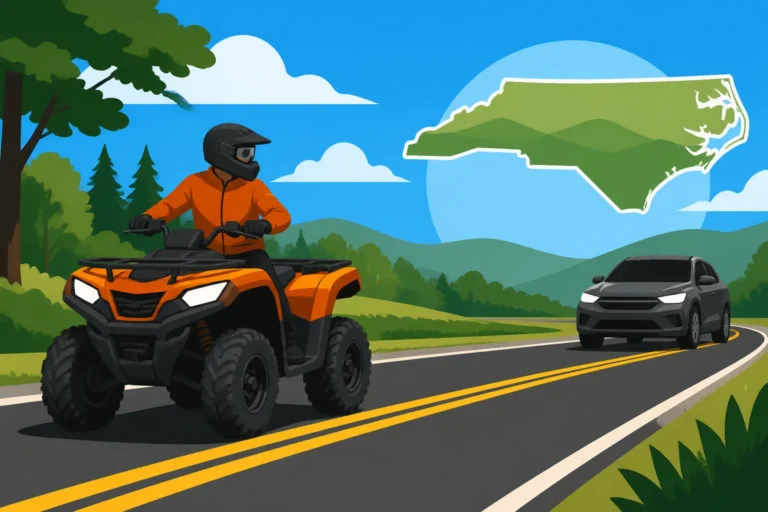
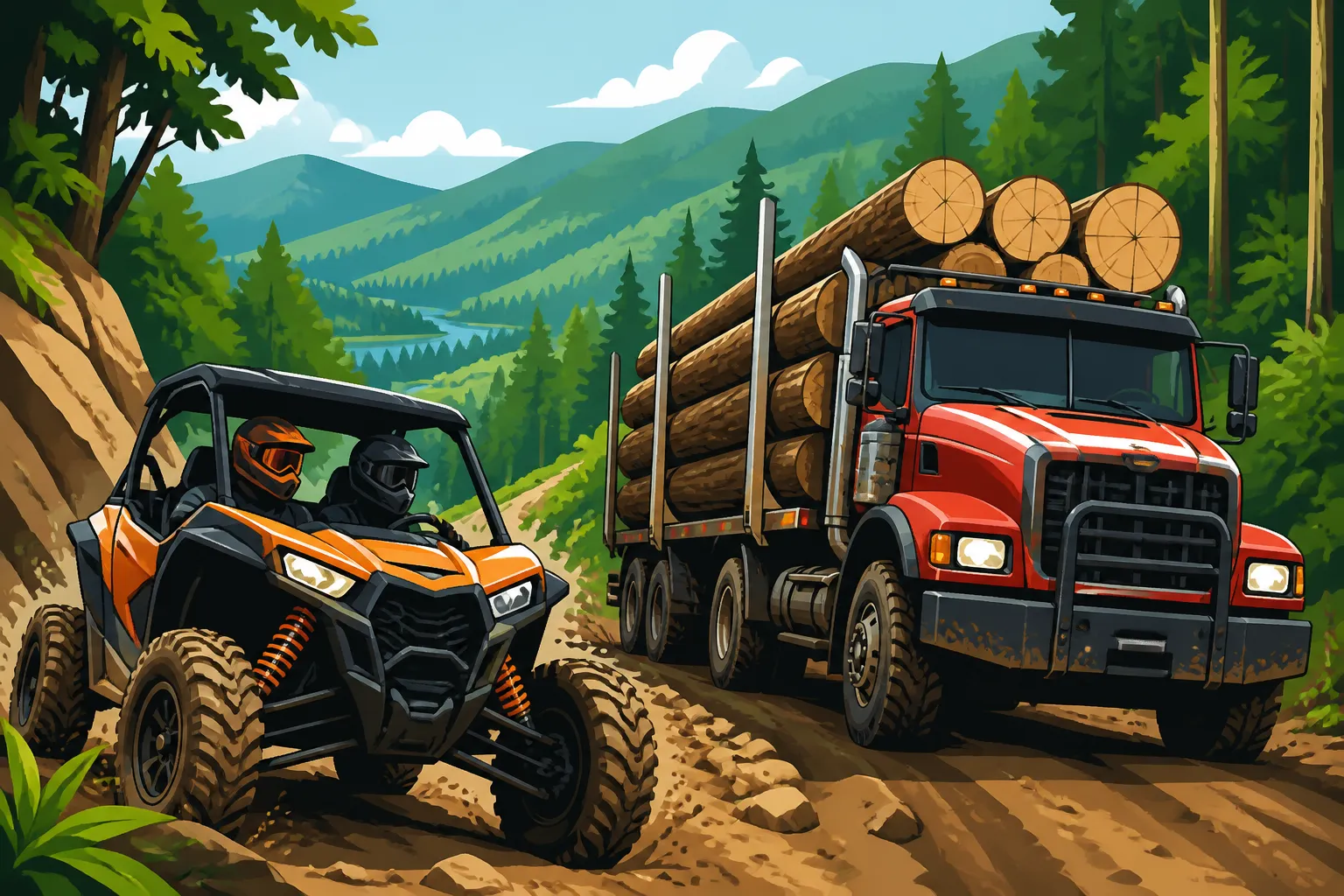
Picture this: you're enjoying a fantastic ride through the winding, dusty forest roads of the Nantahala National Forest, the air is crisp, the scenery is breathtaking, and suddenly, around a blind curve, you see it – a massive log truck, barreling down the road toward you. Your heart jumps, and for a split second, you're not sure what to do. This moment of panic is a real and common frustration for riders sharing multi-use forest roads with commercial traffic. This guide will walk you through exactly what to expect, how to prepare, and most importantly, how to stay safe when you find yourself sharing the road with these giants of the forest.
Understanding North Carolina's Forest Roads and Their Users
North Carolina's national forests, like the beautiful Nantahala, aren't just for recreational riders. They're working forests, vital for timber harvesting, which means you're going to encounter heavy commercial vehicles like log trucks. It’s crucial to understand that these aren't exclusive ATV or UTV trails; they are multi-use roads, and everyone, from hikers to horseback riders to industrial vehicles, has a place on them. For riders new to these areas, or even seasoned veterans, the sheer size and speed of a loaded log truck can be incredibly intimidating.
Who Else Shares the Road?
When you’re out on a forest road, especially in areas like the Nantahala, it’s not just other recreational riders you need to keep an eye out for. You might come across forest service vehicles, wildlife enforcement officers, hunters in their trucks, and, yes, those formidable log trucks. These commercial vehicles are often on tight schedules, hauling immense loads, and their drivers are focused on their job. They have different priorities and capabilities than you do on your ATV or UTV. Expecting to have the road to yourself is a recipe for a bad day. The reality is, these roads are a shared resource, and respect for all users, particularly those operating heavy machinery, is paramount for everyone's safety. Familiarizing yourself with [North Carolina Rules for Riding a Mountain Forest Road] is an excellent first step.
The Role of Commercial Logging in Our Forests
Logging is a legitimate and necessary activity in North Carolina's national forests. It helps manage forest health, prevents disease, and provides essential resources. These operations often rely on the very same network of gravel and dirt roads that you use for recreation. Because of this, log trucks and other heavy equipment have a legal right to be there. Their presence isn't an inconvenience; it's a part of the forest's ecosystem and economy. Understanding this perspective can help you approach encounters with a mindset of shared responsibility rather than frustration. They're not trying to ruin your ride; they're doing their job, often under demanding conditions.
Navigating Encounters with Heavy Equipment Safely
Meeting a log truck head-on, or even just hearing one approach, can be startling. The key to safely navigating these encounters is preparation, awareness, and knowing exactly what actions to take. These vehicles are large, heavy, and often moving faster than you might expect, especially on downhill grades. They also kick up a significant amount of dust, which can obscure visibility for everyone. Your safety, and theirs, depends on your quick and correct response.
Immediate Actions When a Log Truck Approaches
As soon as you become aware of an approaching log truck, whether by sight, sound, or dust cloud, your immediate priority is to make yourself visible and get off the main path of travel.
Here’s a step-by-step guide:
- Slow Down Immediately: Reduce your speed to a crawl or stop completely.
- Move to the Right: Get as far to the right side of the road as safely possible. If there’s a wide shoulder or pull-off area, use it. Log trucks often need the entire width of the road, especially on curves.
- Be Visible: Ensure your headlights and taillights are on, even in daylight. If you have any highly visible gear, make sure it's seen. Waving an arm can sometimes help, but primarily, focus on getting out of the way.
- Signal Your Intentions: Avoid sudden, erratic movements. If you’re pulling over, do so smoothly and predictably.
- Stop and Wait: Remain stopped until the truck has passed completely and the dust has settled. Do not try to creep forward or proceed until you have a clear line of sight and the truck is well past you.
- Maintain Distance: Remember that logs can shift, and rocks can kick up. Give the truck plenty of room.
These actions might seem basic, but in a moment of surprise, they can be easily forgotten. Practicing these responses mentally before you ride can make a real difference. For navigating these complex environments, having the right gear, like robust winches and upgraded suspension from a brand like SuperATV, can give you the confidence to manage tricky pull-offs or get yourself unstuck quickly if you inadvertently stray too far off the path.
Communication and Awareness
Forest roads, particularly in mountainous terrain, often have blind curves and limited visibility. This makes communication and heightened awareness absolutely critical. You might not see a log truck coming until it's right on top of you.
- Listen Actively: Pay attention to engine sounds. Log trucks are loud, and you can often hear them approaching long before you see them.
- Look for Dust: Large dust clouds can be an indicator of a heavy vehicle moving at speed, even if you can’t see the vehicle itself yet.
- Use Your Horn: A quick, polite honk around blind corners can alert oncoming traffic to your presence. Don't rely on it entirely, but it can be a useful tool.
- Don’t Assume: Never assume the other driver sees you, especially if you’re smaller and lower to the ground on an ATV. Always operate defensively.
Many commercial drivers use CB radios to communicate their position on these roads, especially where cell service is non-existent. While you likely won’t have a CB in your ATV or UTV, being aware of this practice reinforces the need for you to be extra vigilant, as they might expect other commercial vehicles, not a recreational rider. Knowing [North Carolina Trail Conditions Before You Ride] can also help you anticipate areas where encounters might be more likely or challenging.
Here's a quick reference for safe encounters:
| Scenario | Immediate Action | Why |
|---|---|---|
| Approaching Blind Curve | Slow down, consider a quick horn blast, hug right | Limited visibility; large vehicles need space. |
| Dust Cloud Ahead | Slow down, prepare to stop, move right | Indicates fast-moving vehicle; dust obscures vision. |
| Hearing Large Engine Sound | Slow down, identify direction, find pull-off | Sound travels; gives early warning for defensive positioning. |
| Log Truck Visible, Approaching | Pull far right, stop, lights on | Maximize clearance for truck; ensure you are seen. |
| Log Truck Passing | Remain stationary, maintain distance | Logs can shift; kickback from tires; avoid creating new hazards. |
| Log Truck Passed, Dust Settling | Wait for clear visibility before proceeding | Ensure road is clear; avoid breathing excessive dust. |
Legalities and Road Rules for ATVs/UTVs on North Carolina Forest Roads
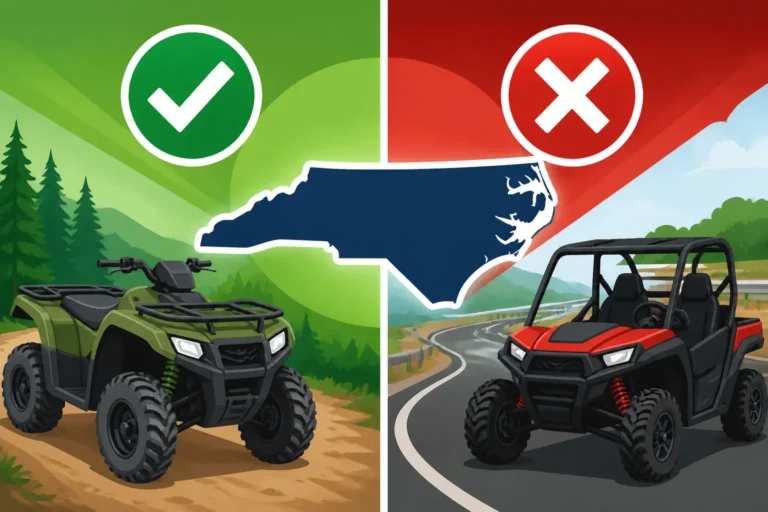
Understanding where you can and cannot legally ride your ATV or UTV in North Carolina is critical, especially when it comes to forest roads. Unlike some states, North Carolina does not generally allow ATVs or UTVs on public roads, and this often extends to roads within national forests unless they are specifically designated for OHV use or fall under certain exceptions. The legal landscape can be confusing, and ignorance is rarely a valid excuse if you get cited.
General Rules for Forest Roads
While national forests may seem like wide-open spaces, they are subject to specific regulations, often enforced by the U.S. Forest Service as well as local law enforcement. In general, ATVs and UTVs are not permitted on forest roads that are open to licensed vehicle traffic, unless those roads are explicitly signed as "OHV routes" or part of a designated OHV trail system. Many forest roads are simply that – roads for licensed vehicles, and your ATV or UTV, in most cases, does not qualify as a licensed vehicle for general road use in North Carolina. This is a point of frequent misunderstanding for riders. If you're venturing into these areas, it's essential to check the specific regulations for that particular national forest district.
For instance, within the Nantahala National Forest, while there are many forest roads, only specific areas like the Wayehutta OHV Trail System are designed and permitted for ATV/UTV use. Even in these areas, you'll still be crossing or using connector roads that might be shared. Always look for clear signage. If a road isn't explicitly marked for OHV use, assume it's off-limits to your machine. Violating these rules can lead to significant fines and penalties, and it can also jeopardize future access for all riders. It's also critical to understand the nuances of [North Carolina Rules for Riding a Logging Road] to avoid legal trouble.
Permits, Licenses, and Exceptions
Riding on designated OHV trails within North Carolina's national forests, such as those in the Uwharrie or Nantahala, typically requires a specific OHV permit. These are usually daily or seasonal permits purchased from the Forest Service or authorized vendors. [North Carolina Forest OHV Permits] are not just a suggestion; they are a requirement. Furthermore, riders born on or after January 1, 1990, generally need to possess an ATV safety certificate to operate on these public lands. So, if you're a younger rider, make sure you've completed an approved safety course and carry proof. For all riders, proper safety gear, including an approved helmet, is non-negotiable, and [North Carolina Helmet Law for ATV Riders] applies in these situations.
There are also very specific, limited exceptions, such as for farming operations, which might allow ATVs on certain public roads for agricultural purposes. However, these exceptions are highly specific and rarely apply to recreational riders. Don't assume you fall under an exception without verifying it directly with local authorities. The safest bet for recreational riding is to stick strictly to designated OHV trails and parks. Exploring [North Carolina Rules for Riding a Game Land] might also be helpful if you plan on hunting, as game lands have their own specific set of regulations regarding ATV use.
Preparing Your Machine and Yourself for North Carolina's Mountain Roads
Beyond understanding the rules and safety protocols, proper preparation of both your machine and yourself is paramount for a safe and enjoyable experience on North Carolina’s mountain roads, especially when sharing them with heavy industrial traffic. The environment itself presents challenges, from varied terrain to unpredictable weather, and your setup should reflect that.
Machine Readiness: Tougher Than the Trail Itself
Your ATV or UTV needs to be in top condition for mountain riding, particularly when there's a chance of encountering large vehicles. This isn't just about fun; it's about reliability and safety.
- Tires and Brakes: Ensure your tires are in excellent condition with appropriate tread for varied terrain (gravel, mud, rock). Check tire pressure before each ride. Your brakes must be fully functional and well-maintained. On steep descents, you'll rely heavily on them. For those really demanding trails or challenging recovery situations, upgrading to a heavy-duty winch system from a reputable brand like SuperATV can be a lifesaver, allowing you to pull yourself out of a ditch or clear an obstruction quickly and safely.
- Lights and Horn: Test all your lights – headlights, taillights, and brake lights – before you head out. A loud, functional horn is also crucial for alerting others to your presence, especially on blind turns.
- Suspension and Steering: Ensure your suspension system is in good working order to handle bumps, dips, and uneven terrain. Steering should be tight and responsive. Any slop in the steering can make navigating around a log truck far more dangerous.
- Fuel and Fluids: Always start with a full tank of fuel. Carry extra if you're planning a long ride in remote areas. Check all fluid levels (oil, coolant, brake fluid) before departure. [North Carolina Muffler Requirements for ATVs] also ensure your machine isn't excessively loud, which is not only polite but can prevent startling wildlife or other users.
- Visibility Enhancements: Consider adding high-visibility flags or bright colored accents to your machine. Anything that makes you stand out to a large truck driver is a good investment.
Remember, a breakdown in a remote area, especially one with logging traffic, isn't just an inconvenience; it can be dangerous. Regular maintenance and a thorough pre-ride check are non-negotiable.
Rider Preparedness: Gear, Awareness, and Contingency Planning
Your personal preparedness is just as important as your machine's. This includes what you wear, what you carry, and how you think about your ride.
- Safety Gear: Always wear an approved helmet, eye protection, sturdy boots, gloves, and long sleeves/pants. Brightly colored clothing, especially blaze orange during hunting season, is highly recommended to increase your visibility. Even if you're over 18, wearing a helmet is a smart choice for any off-road adventure.
- Navigation: Carry a detailed map of the area (both paper and digital, if possible). GPS devices or phone apps can be invaluable, but don't rely solely on them, as cell service is often spotty or non-existent in national forests like the Nantahala. Know your route and potential exit points.
- First Aid and Emergency Supplies: A well-stocked first aid kit is essential. Also carry water, snacks, a flashlight, a whistle, a fire starter, and basic tools for minor repairs. In areas where cell service is unreliable, consider a satellite communication device for emergencies.
- Contingency Planning: Tell someone where you're going and when you expect to return. Have a plan for what to do if you encounter a mechanical issue, get lost, or get injured. Think about how you would handle an emergency, especially one involving a collision or near-miss with a large vehicle. Riding with a partner is always a good idea in remote areas.
- Respect the Environment: Stick to marked trails and roads. Going off-trail can damage fragile ecosystems and contribute to erosion. [North Carolina Rules for Riding Off the Trail] are strict, and for good reason. Be mindful of wildlife and leave no trace.
- Know When to Ride: Be aware of seasonal closures or specific restrictions. [North Carolina Rules for Riding After Dark] are also important to review if your ride extends into the evening.
By meticulously preparing both your ATV or UTV and yourself, you dramatically reduce the risks associated with riding on North Carolina’s multi-use forest roads and significantly increase your chances of a safe and memorable adventure, even when you inevitably [Meeting a Log Truck in the Nantahala].
Disclaimer
This article is for general informational purposes only and does not constitute professional advice. Laws, prices and regulations vary by location and change over time. Consult a qualified professional for guidance on your specific situation.