Blaze Orange on a November Uwharrie Ride
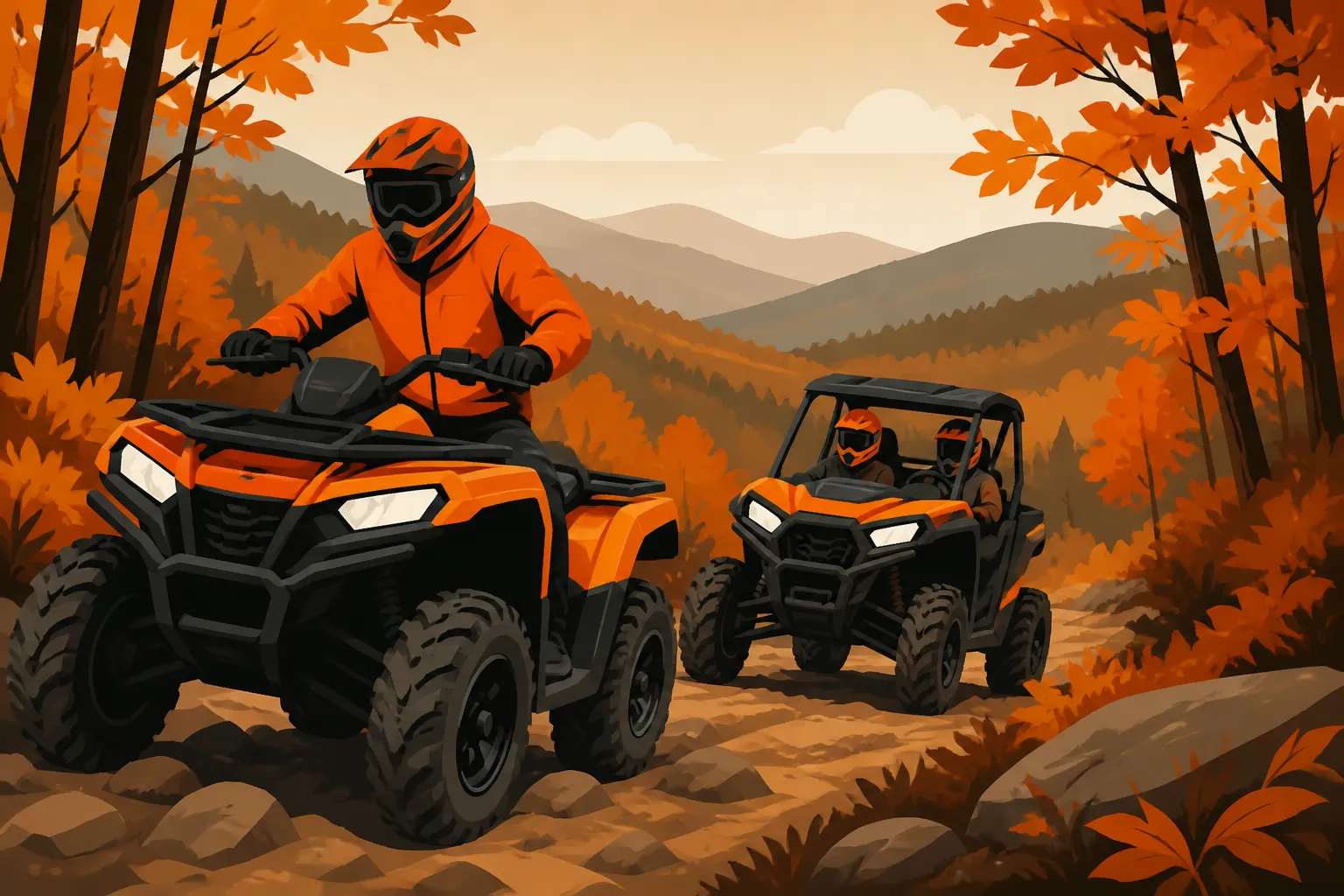
There's nothing quite like the crisp air and vibrant colors of a North Carolina fall ride, especially when you're hitting the trails in a place like the Uwharrie National Forest. But as the leaves turn, another season kicks into high gear: hunting season. For ATV and UTV riders, this can bring a whole new layer of questions and anxieties about safety, visibility, and how to respectfully share our cherished public lands. This guide aims to clear up the confusion around riding in North Carolina forests, particularly when blaze orange becomes your best friend, offering practical advice to keep your autumn Uwharrie adventures safe and enjoyable for everyone.
The Unspoken Rule: Why Blaze Orange Matters in Hunting Season
Picture this: you're cruising down a winding trail, the trees a riot of red and gold, engine humming a happy tune. Suddenly, you hear a rustle in the woods, or see a parked truck with a hunter's gear. It's a moment that can make any rider pause. While North Carolina doesn't have a blanket law requiring ATV or UTV riders to wear blaze orange on forest trails, it's an absolutely essential safety practice, particularly during gun hunting seasons. This isn't about regulations as much as it is about common sense and mutual respect for everyone using the forest.
Understanding Hunting Seasons in North Carolina Forests
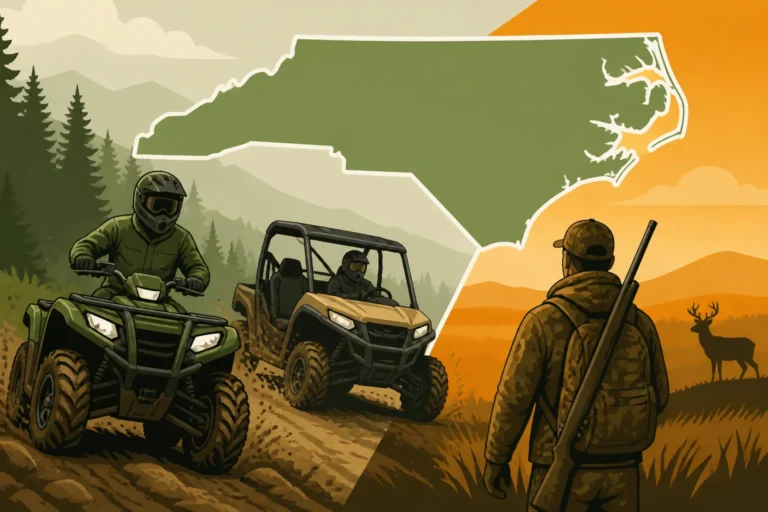
Our state's national forests, including the beloved Uwharrie, are multi-use lands. This means they're open for hiking, camping, fishing, OHV riding, and yes, hunting. Hunting seasons, especially for deer and bear with firearms, typically run through the fall and into early winter. November, specifically, often falls squarely within prime hunting periods, making it a critical time for heightened awareness.
It's easy to get caught up in the thrill of the ride, but forgetting that others are sharing that space for different purposes can lead to serious hazards. Hunters are often camouflaged and focused on their prey, not necessarily expecting a fast-moving vehicle to emerge from the brush. Your machine, even with its bright paint job, can blend into the background, especially in dappled light or dense foliage. This isn't just about avoiding a ticket; it's about avoiding a life-altering accident. Knowing when and where hunting is active is your first line of defense. Always check the North Carolina Wildlife Resources Commission (NCWRC) website for current hunting season dates and regulations for the specific county or game land you plan to ride in. Remember, even if you’re riding on a designated OHV trail, you're still within a larger forest system where hunting might be underway.
The Hunter's Perspective and Your Safety
Imagine you've been sitting patiently for hours, blending into the forest, waiting for a deer. Then, a UTV rumbles by, bright and loud. It's disruptive, sure, but more importantly, it can be a safety concern if you're not visible. Hunters, for their part, are generally required to wear hunter orange during certain firearm seasons, precisely to make themselves visible to other hunters. However, this doesn't automatically extend to expecting recreational users to do the same, which is why we, as riders, must take the initiative.
Wearing blaze orange isn't just for hunters; it's for anyone traversing the woods when hunting is permitted. It creates a stark, unmistakable contrast against natural backgrounds, immediately signaling "human presence" to anyone scanning the forest. This simple act drastically reduces the risk of being mistaken for game, especially in low light conditions like dawn or dusk, or in areas with thick cover. Think of it as a universal sign that says, "Hey, I'm here, and I'm not a deer!" It fosters a safer environment for everyone and shows respect for all users of the public lands. You might encounter hunters who are perfectly safe and aware, but you can't guarantee that for everyone, especially if they're new to the sport or unfamiliar with the specific area. Your safety is ultimately your responsibility.
Legal Requirements vs. Best Practices for Visibility
Here's where it gets a little tricky: while hunters are often legally mandated to wear hunter orange in many circumstances, there isn't a direct statewide law in North Carolina that forces ATV or UTV riders to wear it on non-road surfaces, even during hunting season. This often leads to confusion and a false sense of security. Just because it's not a legal requirement for riders doesn't mean it's not a critical safety measure.
Consider this a best practice, a crucial part of your personal protective equipment, right up there with your helmet and eye protection. It's akin to wearing a life jacket on a boat even if the water patrol isn't checking. In fact, many experienced riders, especially those who frequent areas like the Uwharrie National Forest, wouldn't dream of hitting the trails in November without some form of blaze orange. This includes vests, jackets, hats, or even adding blaze orange flags to your machine. It's about proactive safety, not just compliance. Even if you're on a dedicated OHV trail system, remember that these trails are often corridors within much larger tracts of forest where hunting may be actively occurring just off the marked path. Don't rely solely on others to be aware of you; make yourself impossible to miss.
Navigating Uwharrie National Forest During Hunting Season
The Uwharrie National Forest is a gem for off-road enthusiasts, offering a fantastic trail complex for ATVs and UTVs. However, its popularity means it's also a prime spot for various activities, including hunting. Riding here in November requires specific planning and awareness beyond just showing up with your machine. Knowing the unique aspects of Uwharrie and its surrounding areas is key to a smooth and safe experience. You can find excellent riding at the [Badin Lake OHV Trail Complex] within the Uwharrie.
Checking Season Dates and Forest Alerts
Before you even load your machine onto the trailer, your first step should always be a thorough check of local conditions and regulations. For Uwharrie National Forest, this means going directly to the U.S. Forest Service website for the Uwharrie Ranger District and checking the North Carolina Wildlife Resources Commission (NCWRC) website.
The Forest Service site will often have "Forest Alerts" or "Closures" listed prominently. These can tell you about specific trail closures, prescribed burns, or even advisories related to heavy visitor use or, critically, hunting season activities. They might also post information about special events or changes to permit requirements.
For hunting information, the NCWRC website is your authoritative source. You'll want to look up game lands regulations for Montgomery, Randolph, and Stanly counties, which encompass the Uwharrie National Forest. Pay close attention to:
- Dates for various hunting seasons: When are deer (gun/archery/muzzleloader), bear, turkey, and small game seasons open?
- Specific rules for Game Lands: Are there particular requirements for wearing blaze orange when hunting in these areas? While not directly for riders, this tells you when hunters will be present and when you should be extra visible.
- Permitted weapons: Are firearms allowed during your planned riding time, or is it an archery-only period?
Knowing these details helps you gauge the level of hunter activity you might encounter. A quick call to the Uwharrie Ranger District office can also provide valuable, up-to-the-minute information from rangers who are on the ground daily. Remember to always [Check a Forest Alert Before You Drive] to avoid any surprises.
Specific Rules for OHV Areas
While the general forest may have hunting activity, specific OHV trail systems within national forests often have their own set of rules, which might overlap or run concurrently with hunting regulations. The Uwharrie National Forest OHV trails, such as those accessible from the Eldorado Outpost, are designated for motorized recreation. However, even on these trails, you are still surrounded by the larger forest where hunting is permitted.
For instance, you might be required to have a specific [North Carolina Forest OHV Permits] to ride the trails. These permits typically fund trail maintenance and operations. However, the permit itself doesn't exempt you from being aware of hunting seasons. The core principle remains: if you're riding in a public forest during hunting season, you should make yourself highly visible, regardless of whether you're on a designated OHV trail or a forest road.
Some areas might have stricter rules about noise or night riding during hunting season to minimize disturbance to wildlife and hunters. Always consult the specific OHV trail system's guidelines in addition to broader forest regulations. This ensures you're not only safe but also a responsible and respectful user of the forest. The goal is to minimize conflict and maximize enjoyment for all user groups.
Essential Gear Beyond Blaze Orange
While blaze orange is paramount for visibility, it's just one piece of the safety puzzle when riding in the Uwharries during hunting season. A comprehensive approach to gear is always best.
Here’s a breakdown of other essential items:
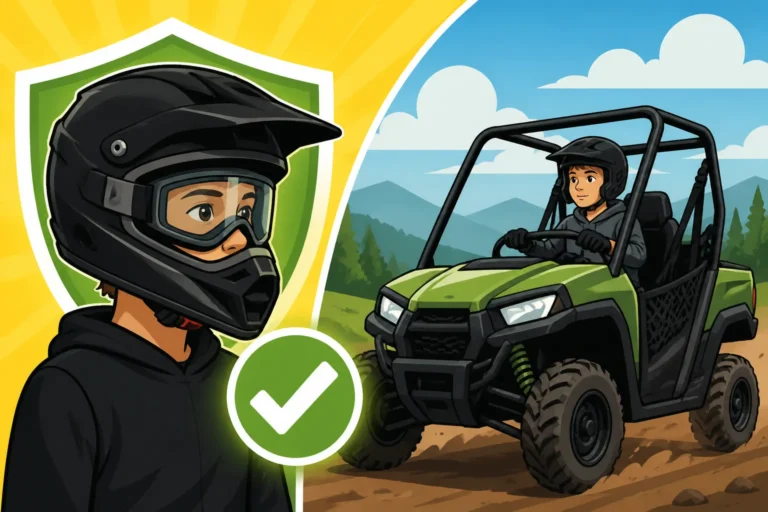
- Helmet and Eye Protection: This is non-negotiable year-round in North Carolina. A DOT-approved helmet protects your head, and goggles or a face shield keep dust, branches, and debris (and stray pellets, though hopefully never!) out of your eyes. Ensure your helmet is well-maintained and fits correctly.
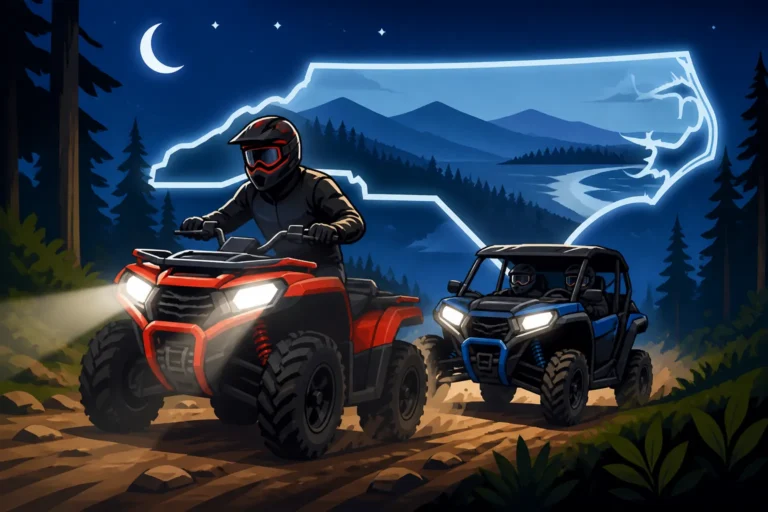
- Lighting: As the days get shorter in November, you might find yourself riding closer to dusk than usual. Ensure your ATV or UTV has bright, functional headlights and taillights. Consider adding auxiliary LED lights for better visibility, especially if you venture into heavily shaded areas or ride early/late. Good lighting helps you see obstacles and makes you visible to others.
- Communication Device: Cell service can be spotty in the Uwharrie National Forest. Consider carrying a satellite messenger or a two-way radio if you're riding with a group. This allows you to call for help in an emergency or communicate with your party if you get separated. Let someone know your planned route and estimated return time.
- First-Aid Kit: A well-stocked first-aid kit is a must for any off-road adventure. Include bandages, antiseptic wipes, pain relievers, and any personal medications. Consider adding a tourniquet and basic trauma supplies if you're venturing into remote areas.
- Repair Kit: Even a minor breakdown can become a major issue if you're far from civilization. Carry basic tools, a tire repair kit, a small air compressor, and zip ties. Sometimes a quick fix can save you a long walk.
- Navigation: Don't rely solely on your phone. A GPS unit with pre-loaded trail maps, or even a good old-fashioned paper map and compass, can be invaluable, especially if you stray from marked trails or lose cell signal.
By having these items, you're not just preparing for hunters; you're preparing for anything the rugged beauty of the Uwharries might throw your way.
Practical Tips for a Safe November Ride
Riding in the Uwharrie National Forest during November can be one of the most rewarding experiences, with cooler temperatures and stunning scenery. However, to truly enjoy it, you need to implement some practical strategies to maximize your safety, especially with hunting season in full swing. This isn't just about adhering to rules; it's about being a considerate and proactive steward of the trails.
Planning Your Ride and Communicating Your Route
Preparation is your best friend when hitting the trails in the fall. Before you even set out for [Camping Near a North Carolina Trailhead] or the trailhead parking lot, meticulously plan your route. Are there specific trails known for high hunter activity, or areas that might be less frequented by recreational riders in November? Use maps to identify potential entry and exit points, and consider sticking to well-marked OHV trails where recreational use is expected.
Crucially, communicate your route and estimated return time to someone who is not riding with you. This could be a family member, a friend, or even a campground host. Give them a clear idea of where you plan to go, what time you expect to be back, and when they should start to worry if they haven't heard from you. This "check-in" system is invaluable in case of an emergency, especially in areas with limited cell service. Also, if you're riding with a group, make sure everyone knows the plan, has a map, and understands the communication strategy. This forethought minimizes risks and ensures that help can be dispatched quickly if needed.
What to Do If You Encounter Hunters
Encounters with hunters are a distinct possibility during a November Uwharrie ride. The key is to approach these situations with courtesy, respect, and a clear focus on safety.
Here’s how to handle it:
- Slow Down and Be Aware: If you see a parked vehicle that looks like a hunter's rig, or spot someone in camouflage, immediately slow your speed. Scan the area, not just the trail, but the surrounding woods.
- Make Your Presence Known (Respectfully): A sudden, loud approach can startle both hunters and wildlife. Instead, if you see them, give a friendly wave or a verbal greeting from a safe distance. "Good morning!" or "Just passing through!" can go a long way. This confirms you are a human and not an animal.
- Give Them Space: Hunters often have established blinds or areas they are actively watching. Try to pass by quickly and quietly once you've made contact, minimizing disturbance. Don't linger or make excessive noise.
- Understand Their Focus: Remember, hunters are typically focused on the woods around them. Your role is to make sure they are aware of your presence, not to expect them to anticipate you.
- Avoid Conflict: If a hunter seems agitated or expresses concern, respond politely. You are both sharing public land. Acknowledging their presence and exercising caution demonstrates good trail etiquette and helps maintain positive relations between user groups.
By following these simple guidelines, you help ensure a harmonious experience for everyone enjoying the beautiful [Uwharrie National Forest in North Carolina].
Equipping Your Machine for Maximum Visibility
Beyond wearing blaze orange yourself, you can take steps to make your ATV or UTV much more visible to others in the forest. Think of your machine as an extension of your own personal safety gear.
Here are some ways to enhance your machine's visibility:
- Blaze Orange Flags: These tall, whip-style flags are an excellent addition. They extend above the tree line or dense brush, making your machine visible even when it's partially obscured by terrain or foliage. Opt for one in a bright blaze orange or neon yellow. Many riders use products from brands like SuperATV for durable, high-visibility flags that can withstand tough trail conditions.
- Reflective Tape: Apply strips of reflective tape to strategic areas of your machine, such as the fenders, roll cage (for UTVs), or the back of your storage box. This becomes especially effective in low light or when caught by a hunter's headlamp.
- Brighter Lights: Consider upgrading your factory headlights and taillights to brighter LED versions. Many aftermarket options exist, including those from SuperATV, which offer significantly improved illumination and visibility. Ensure your taillights are always functioning, as they are your primary rear visibility cue.
- Horn/Whistle: While your machine's horn can be effective, a loud air horn or even a whistle can serve as an audible warning if you need to quickly alert someone to your presence.
- Machine Color: While you can't always choose the color of your machine, if you have options, brighter colors like yellow, red, or even neon green will stand out more than muted earth tones.
Making your machine a beacon of visibility is a critical safety upgrade during hunting season. It’s a proactive measure that complements your personal blaze orange attire, creating multiple layers of safety and awareness for all forest users. This layered approach is the most effective way to ensure that your November ride in the Uwharries is memorable for all the right reasons.
Sharing the Trails: Respect and Responsibility
The magic of North Carolina's public lands, particularly its national forests, lies in their accessibility for a diverse range of recreational activities. From the stunning vistas on a mountain forest road to the adrenaline rush of an OHV trail, these spaces offer something for everyone. However, this shared use comes with a responsibility for every user group to respect the activities of others and ensure safety. During hunting season, this becomes even more paramount.
Minimizing Your Impact on Wildlife and Other Users
When you're out on the trails, especially in an area like the Uwharrie, remember that you are a visitor in a wildlife habitat. Your presence, particularly on a motorized vehicle, has an impact. While we enjoy the freedom our ATVs and UTVs provide, being mindful of that impact is crucial for harmonious coexistence.
Here’s how to minimize your footprint:
- Stay on Marked Trails: This is a fundamental rule for all OHV riders. Veering off-trail can damage sensitive ecosystems, disrupt wildlife patterns, and potentially lead you into areas where hunters might be set up, increasing risk. Always adhere to signs and markers for designated OHV trails. This also includes respecting any temporary [North Carolina Trails Closed After Rain] to prevent further damage.
- Control Noise Levels: While ATVs and UTVs aren't silent, excessive revving or aftermarket exhausts that are overly loud can disturb wildlife and other forest users, including hunters. Ensure your machine has a properly functioning [North Carolina Spark Arrester Requirement] and muffler to keep sound levels within reasonable limits. Respectful noise levels contribute to a more peaceful environment for everyone.
- Manage Your Waste: "Pack it in, pack it out" isn't just a suggestion; it's a golden rule for public lands. Leave no trace of your visit. This not only protects the environment but also shows respect for other users and the wildlife.
- Be Mindful of the Time of Day: Early morning and late afternoon are prime times for wildlife activity and, consequently, hunting. If possible, plan your rides during the middle of the day when animal movement is typically less frequent and hunters might be less active. If you do ride closer to dawn or dusk, be extra vigilant with your visibility efforts. Consider reading about [North Carolina Rules for Riding After Dark] if your ride extends into the evening.
By embracing these practices, we contribute to a sustainable and respectful environment for all who wish to experience the beauty of North Carolina's forests.
The Bigger Picture: North Carolina's Approach to Shared Public Lands
North Carolina, like many states, grapples with the challenge of balancing diverse recreational interests on its public lands. The state's approach is generally one of shared use, where different activities are permitted in different areas or at different times, often with specific regulations tailored to each. The goal is to maximize public access while minimizing conflict and preserving natural resources.
For instance, Game Lands often have specific rules that dictate when and where hunting is allowed, and sometimes these rules will impact other recreational users. Designated OHV areas, like those in the Uwharrie and Pisgah National Forests (such as [Brown Mountain OHV Trail System]), are managed to provide specific recreation opportunities while still being part of a larger, multi-use forest. Understanding this broader context helps riders appreciate why certain recommendations, like wearing blaze orange or staying on trails, are so important. It's not just about isolated rules; it's about making the entire system work for everyone.
The agencies responsible, such as the U.S. Forest Service and the North Carolina Wildlife Resources Commission, constantly monitor conditions and user needs to update regulations. This dynamic environment means that riders should always be prepared for changes and willing to adapt their plans. A proactive rider, who checks current conditions and applies common-sense safety measures, is the best advocate for continued access to our amazing public lands. By taking these steps, you not only protect yourself but also help maintain the positive reputation of the ATV and UTV riding community in North Carolina.
| Safety Measure | Why It's Important During Hunting Season | Rider Action |
|---|---|---|
| Wear Blaze Orange | Makes you highly visible, reduces risk of being mistaken for game. | Wear a vest, jacket, or hat; consider adding orange accents to your helmet. |
| Install Hi-Vis Flags | Extends visibility above brush and terrain, especially for UTVs. | Mount a tall, blaze orange whip flag to your machine (e.g., from SuperATV). |
| Check Season Dates/Alerts | Identifies periods of high hunter activity and trail conditions. | Consult NCWRC and Forest Service websites before every ride; call Ranger District. |
| Stay on Designated Trails | Prevents accidental entry into hunting zones, protects environment. | Adhere strictly to marked OHV trails; avoid cutting through brush or unmarked areas. |
| Manage Noise Levels | Minimizes disturbance to wildlife and other forest users. | Ensure muffler is in good condition, avoid excessive revving, use spark arrester. |
| Communicate Ride Plan | Provides a safety net in case of emergency or separation. | Inform someone off-trail of your route, duration, and expected return time. |
| Equip with Bright Lights | Enhances visibility to others, especially in low light conditions. | Ensure headlights/taillights are functional; consider LED upgrades. |
| Carry First Aid/Repair Kit | Prepares for unexpected injuries or mechanical issues. | Pack a comprehensive kit for personal and machine emergencies. |
| Exercise Courtesy | Fosters positive relations between different user groups. | Slow down, wave, and politely acknowledge hunters; give them space. |
| Be Prepared for Weather | Fall weather can change quickly, impacting safety and visibility. | Dress in layers, carry rain gear, be aware of fog or early dusk. |
Disclaimer
This article is for general informational purposes only and does not constitute professional advice. Laws, prices and regulations vary by location and change over time. Consult a qualified professional for guidance on your specific situation.