Riding While Hunting Outside the Chapter
It’s a scene many North Carolina hunters know well: you’ve got your gear loaded, the crisp morning air hints at a productive day, and your ATV or UTV is ready to haul you and your harvest out of the woods. But when it comes to riding your off-road machine while hunting in the Tar Heel State, the rules can feel like a dense thicket of confusion. This guide is here to untangle the complexities of North Carolina law regarding ATV and UTV use during hunting activities, helping you navigate public and private lands responsibly and legally.
Understanding North Carolina's ATV Laws for Hunting
The first thing many hunters discover, often with a raised eyebrow, is that North Carolina’s statutes don’t lump ATV operation directly into the hunting regulations chapter. This separation can lead to a lot of head-scratching, as you might expect two activities so commonly combined in practice to be governed by a single, clear set of rules. However, the legal reality is a bit more nuanced, and understanding this distinction is crucial for staying out of trouble.
The General Rule: Why ATVs Aren't in the Hunting Chapter
It feels counterintuitive, doesn't it? You use your ATV to access your deer stand, haul out a hog, or transport your decoys to a duck blind, so why isn't the operation of that machine specifically detailed within the hunting rules? The simple truth is that North Carolina's General Statutes separate the laws governing the operation of all-terrain vehicles and utility vehicles from the laws governing hunting itself. While hunting regulations focus on things like seasons, bag limits, methods of take, and licensing, ATV laws are generally concerned with vehicle safety, age restrictions, and where you can actually ride these machines.
This division exists because ATVs are not solely, or even primarily, used for hunting. They're recreational vehicles, farm equipment, and utility workhorses. The state’s approach is to regulate the machine itself under one set of rules (often within motor vehicle or parks and recreation sections) and regulate the hunting activity under another (wildlife and game laws). This means you have to consider both sets of rules, and sometimes additional land-specific regulations, when planning your hunt. It's not a loophole, but rather two separate legal frameworks that occasionally intersect, especially when you consider specific prohibitions on using motorized vehicles to pursue game directly.
What "Outside the Chapter" Really Means
When we talk about hunting "outside the chapter," it means that the specific rules for operating an ATV or UTV are typically found in different sections of North Carolina General Statutes than the ones dedicated to hunting, trapping, and fishing. This doesn’t mean you get a free pass to ignore ATV laws just because you're hunting. Far from it. What it does mean is that you can’t look only at the hunting rulebook and assume you have all the answers for your machine. You might be legally hunting, but illegally riding.
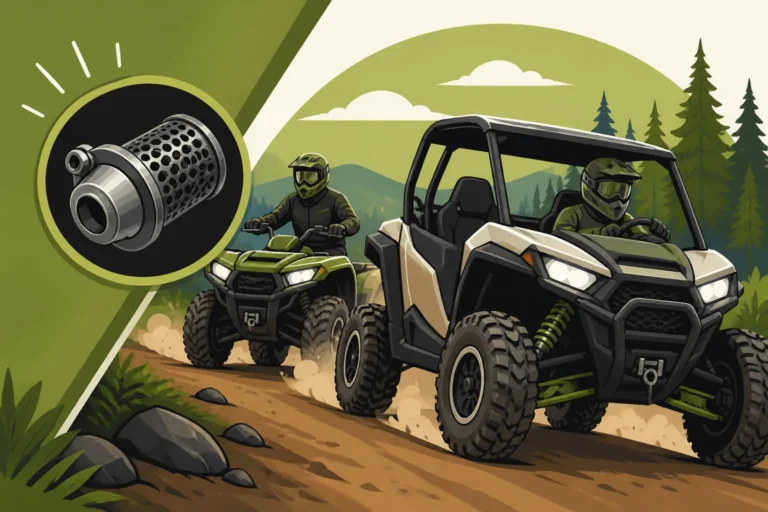
For example, hunting laws will tell you if you can harvest a certain animal, during what dates, and with what weapon. But if you’re riding your ATV to get to your blind, general ATV safety laws still apply. If you're under 18, you'll still need to follow [North Carolina Helmet Law for ATV Riders] and [North Carolina Eye Protection Requirement], regardless of whether you’re carrying a rifle or not. And if you're on public land, specific land-use rules, like those for [North Carolina Rules for Riding Game Lands], will dictate where your machine can and cannot go. You also need to consider basic vehicle requirements, like having a [North Carolina Spark Arrester Requirement] if you're on public forest land, regardless of your hunting intentions. It's about layering multiple sets of rules together to ensure you're compliant on all fronts.
Common Misconceptions and Legal Pitfalls
It’s easy to get tangled up in the rules, and many hunters, through no fault of their own, make assumptions that can lead to costly citations. One of the biggest misconceptions is that if you're actively hunting, your ATV is somehow exempt from standard rules of operation, especially on private land. While private land offers more flexibility, it's not a total free-for-all. For instance, if you’re riding on private property without express permission, that's still trespassing, even if you have a valid hunting license. Similarly, while the hunting chapter might not specifically address ATV operational safety, general ATV safety laws still apply to riders of all ages.
Another common pitfall is misunderstanding the definition of "pursuit" when it comes to game. North Carolina law generally prohibits pursuing or taking game with a motorized vehicle. This means you can't use your ATV to chase down a deer or herd wild turkey. The ATV is for transportation to and from your hunting spot, or for game retrieval after the kill, not for active hunting or spotting. Distinguishing between legal transport and illegal pursuit is critical. Imagine using your UTV to slowly cruise a field looking for deer; that could easily be construed as illegal pursuit, even if you’re just observing. Knowing these nuances is key to staying safe and legal.
Navigating Public and Private Land with Your ATV While Hunting
Once you understand that ATV laws and hunting laws often come from different "chapters," the next step is to apply these rules to where you actually hunt. Whether you're chasing whitetails in a national forest or scouting for turkeys on a friend's private acreage, the landscape dictates a whole new layer of regulations for your machine.
Riding on North Carolina Game Lands and National Forests
Public lands in North Carolina, like the vast tracts managed by the U.S. Forest Service (such as the Uwharrie, Pisgah, and Nantahala National Forests) or areas designated as Game Lands by the North Carolina Wildlife Resources Commission (NCWRC), have very specific rules for ATV and UTV use, especially when combined with hunting. These rules are usually far stricter than on private land, and for good reason—they aim to preserve the natural environment and ensure safety for all users.
On national forests, for example, ATVs and UTVs are typically only allowed on designated OHV (Off-Highway Vehicle) trails. You can’t just ride off a paved road onto any old logging path or game trail. These trails often require a special permit, like a [North Carolina Forest OHV Permits] or a day pass, and usually have specific operating seasons. These permits are per vehicle, not per person, so if you're bringing multiple machines, each needs its own. Even if you have a valid hunting license, if you're caught riding your ATV off a designated trail or on a closed route, you could face significant [North Carolina Fines for an ATV Violation] from a Forest Service officer. Always check current maps and regulations for the specific forest or Game Land you plan to hunt. The NCWRC website and individual forest ranger district offices are your best resources for up-to-date information on where and when your machine can be used. Remember, these rules apply whether you're hunting or just trail riding.
The Role of Landowner Permission on Private Property
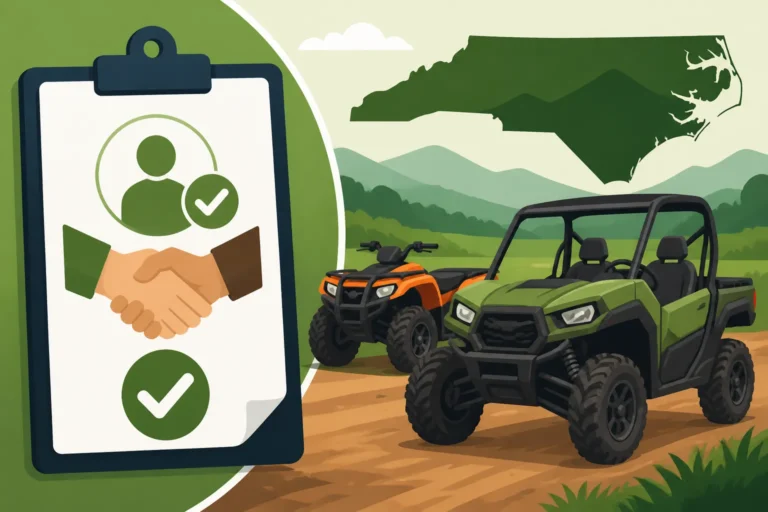
When it comes to hunting on private land, the rules around ATV use are generally more flexible, but the core principle of permission becomes paramount. While the state might not dictate specific trails on private land, your right to ride there depends entirely on the landowner's consent. This isn't just a suggestion; it’s a legal requirement. Always ensure you have explicit [North Carolina Landowner Permission Rules] before bringing your ATV onto someone else's property, and ideally, get it in writing.
Even with permission, the landowner can set their own rules. They might restrict where you can drive, what hours you can operate, or even prohibit ATVs in certain sensitive areas like food plots or near residences. For instance, some landowners might allow ATVs for game retrieval but not for general scouting or recreational riding. Always respect these stipulations. Ignoring them isn't just disrespectful; it could lead to your hunting privileges being revoked or, in severe cases, legal action for violating property agreements. It's a relationship built on trust, and your machine's operation directly impacts that trust.
How Equipment Choices Impact Your Hunting Ride
Outfitting your ATV or UTV for hunting can make a huge difference in your efficiency and enjoyment, but it's important to choose equipment that aligns with both functionality and legality. Many hunters add accessories to help with carrying gear and game, and some of these can even impact where and how you can ride.
Consider things like specialized cargo racks for carrying tree stands, blinds, or even a cooler for your harvested game. For hunters looking to enhance their machine's hauling capacity, brands like SuperATV offer a variety of heavy-duty racks and cargo boxes designed to integrate seamlessly with many ATV and UTV models. A sturdy winch, also available from reputable brands like SuperATV, is another invaluable piece of equipment, especially if you hunt in rugged terrain or anticipate needing to pull a large animal out of a difficult spot. Just be sure that any modifications or additions don't make your machine too wide for designated trails on public land, or violate any landowner-specific rules on private property. Additionally, a reliable gun scabbard or bow holder is essential for safely transporting your weapon. Not only does it protect your firearm or bow, but it also ensures you're not riding with an uncased weapon in a way that could be perceived as reckless or illegal. While you're allowed to carry a [North Carolina Rules for Carrying a Firearm on an ATV], it needs to be done safely and often cased depending on the specific location and circumstances.
Practical Considerations and Best Practices for Hunters
Beyond the legal definitions and land-use rules, there are practical considerations and best practices that can make your hunting experience with an ATV or UTV smoother, safer, and more ethical. Thinking ahead about how you'll use your machine can prevent headaches and ensure a successful hunt.
Transporting Game and Gear Legally
One of the primary benefits of an ATV or UTV for hunters is its ability to transport heavy gear and, more importantly, harvested game. However, there are rules to follow. While you can use your machine to retrieve game, ensure the animal is properly tagged before moving it. The ATV is for getting your trophy out of the woods, not for processing it or illegally covering up a harvest. When transporting firearms, they should ideally be unloaded and cased, especially if you're moving between hunting spots or on public roads where such actions are required. For instance, a quality gun scabbard from a company like SuperATV not only protects your weapon from the elements but also provides a secure and legal way to transport it while riding.
Be mindful of the weight limits of your machine. Overloading your ATV or UTV with gear and a large animal can make it unstable, difficult to control, and potentially dangerous, especially on uneven terrain. This isn't just about preserving your machine; it's about your safety and the safety of anyone riding with you.
Safety and Environmental Responsibility
Operating an ATV or UTV, especially in a hunting context, demands a high degree of safety awareness and environmental responsibility. Even if the law doesn't explicitly state it for a specific situation, wearing appropriate safety gear, including a DOT-approved helmet, eye protection, gloves, and sturdy boots, is always a smart choice. Accidents can happen quickly, and protection can make all the difference.
Environmentally, staying on marked trails on public land is not just a rule, but a critical practice for minimizing your impact. Going off-trail can damage fragile ecosystems, contribute to erosion, and disturb wildlife. On private land, stick to established paths or areas approved by the landowner. Responsible hunters respect the land they hunt on, and that includes minimizing their footprint with their vehicles. This helps ensure that these precious hunting grounds remain viable for future generations and maintains positive relationships with landowners and public land managers.
Avoiding Common Violations and Fines
The complexity of North Carolina's ATV and hunting laws means it's relatively easy to inadvertently commit a violation. To avoid the hassle of fines or even having your hunting privileges revoked, always adhere to the following:
- Know Your Land: Before you even load your machine, verify the specific regulations for the land you plan to hunt on. Public lands have varying rules, and private land requires explicit landowner permission.
- Permits and Safety Certificates: Ensure you have all necessary permits for public land riding and that any age-restricted riders have their [North Carolina ATV Safety Certificate Requirements].
- No Pursuit: Never use your ATV or UTV to actively chase, herd, or locate game. It's for transport and retrieval only.
- Stay on Trails: On public lands, stick strictly to designated OHV trails. Going off-trail is a common and easily avoidable violation.
- Equipment Compliance: Ensure your machine meets basic requirements like having a functional spark arrester, especially in wooded areas where fire danger is a concern.
- Safe Operation: Always operate your machine safely, within your skill level, and never under the influence. This not only keeps you safe but also prevents potential violations of general motor vehicle laws that apply to ATVs.
By being diligent and informed, you can enjoy the convenience and utility your ATV or UTV brings to your hunting adventures without running afoul of the law.
| Aspect of ATV Use | Public Land (e.g., National Forests, Game Lands) | Private Land (with permission) |
|---|---|---|
| Trail Access | Strictly limited to designated OHV trails. | At landowner's discretion; usually existing paths. |
| Permits | Required for OHV trail use (day pass or season permit). | Not required by state for ATV use itself. |
| Hunting License | Required for hunting. | Required for hunting. |
| Age/Safety Rules | State ATV safety laws fully apply (helmets, age, etc.). | State ATV safety laws fully apply. |
| Pursuit of Game | Strictly prohibited. | Strictly prohibited. |
| Game Retrieval | Generally allowed on designated trails to and from kill site. | Generally allowed as permitted by landowner. |
| Firearm Transport | Unloaded and cased, often required on roads or trails. | Cased for safety and legal compliance, as per landowner. |
| Environmental Impact | Strict rules to prevent erosion, preserve wildlife. | Respect landowner's wishes regarding impact. |
| Landowner Permission | Not applicable; public access governed by agency rules. | Absolutely essential; ideally in writing. |
Navigating the rules for riding your ATV or UTV while hunting in North Carolina can certainly feel like a challenge. The key takeaway is to remember that you're operating under two distinct sets of laws: those for your off-road machine and those for hunting. Always prioritize safety, get explicit permission for private land, and diligently check the specific regulations for public hunting areas. A well-prepared and informed hunter is not only more successful but also a better steward of our wild spaces.
Disclaimer
This article is for general informational purposes only and does not constitute professional advice. Laws, prices and regulations vary by location and change over time. Consult a qualified professional for guidance on your specific situation.