Why a 15-Year-Old Cannot Ride on the Sand
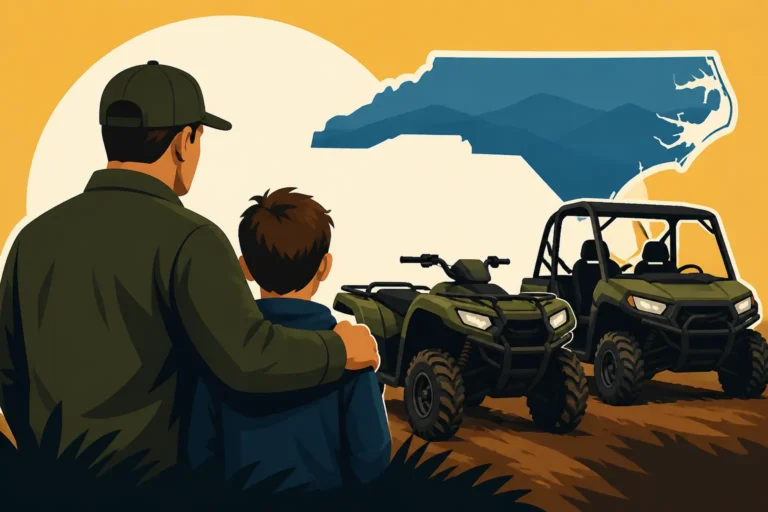
It’s a truly frustrating situation when your younger rider, full of enthusiasm for tearing up the dunes, discovers they can't legally do so on North Carolina's beautiful coastlines. Many families come to our state envisioning fun-filled days on the sand with their ATVs and UTVs, only to be met with strict age restrictions that can put a serious damper on those plans. This guide is here to unravel the specific laws governing ATV and UTV use on North Carolina's ocean beaches, explaining exactly why that 15-year-old rider has to stay off the sand and what your family's options are for safe and legal off-road fun elsewhere.
The Ironclad Rule: No Riders Under 16 on North Carolina's Ocean Beaches
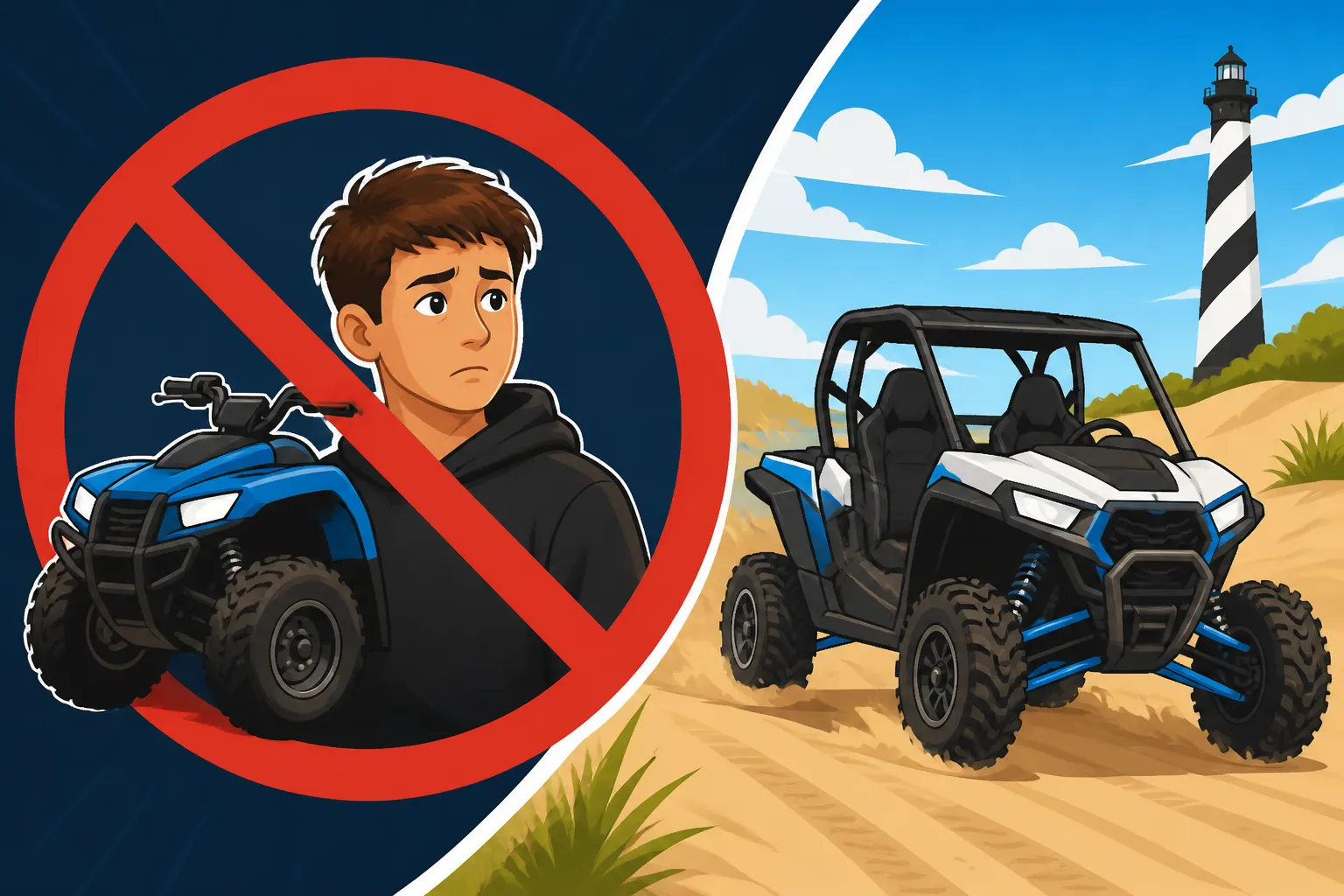
Let's get straight to the point: North Carolina law is quite clear when it comes to who can operate an ATV or UTV on its ocean beaches. If you have a rider in your family who is 15 years old or younger, they are, unfortunately, not permitted to operate these machines on the sand. This isn't a suggestion or a guideline; it's a hard and fast rule embedded in the state's statutes, designed to ensure safety and protect our delicate coastal environment.
This rule often catches folks by surprise, especially if they're visiting from a state with different regulations or if they've heard anecdotal stories about riding on the beach years ago. But the reality is that the legal framework here prioritizes the unique challenges and potential hazards of beach riding, and it sets a firm age minimum. It's a topic that comes up often in discussions among riders, and it’s critical to understand that ignorance of the law won't be a valid excuse if you're stopped by local enforcement. The intent is to keep everyone safe, especially in areas that can quickly become crowded or where conditions can change rapidly. For a deeper dive into the general rules, check out [North Carolina's Ocean Beach Rule].
Defining "Ocean Beach Area" in North Carolina
Before we get too deep into the age restrictions, it's really important to understand what North Carolina actually considers an "ocean beach area." Because, let's be honest, "the beach" can mean different things to different people. For the purpose of ATV and UTV regulations, the definition isn't just a casual stretch of sand by the water. It's a specific legal designation that determines where these age rules apply.
North Carolina defines an "ocean beach area" as the area from the low tide mark to the vegetation line. This includes the wet sand, the dry sand, and any transitional areas up to where stable vegetation (like dune grasses) begins to grow. It's not just the part where the waves are crashing; it encompasses the entire sandy expanse that's exposed to the ocean's influence. This can be a significantly wide area in many places, and it's all subject to the same strict regulations.
Think about it this way: if you're on a coastal island like Hatteras or the Outer Banks, that entire stretch of sand between the ocean and the first line of sea oats or protective fencing is generally considered the "ocean beach area." This comprehensive definition ensures that the rules are applied consistently across all parts of the beach where ATVs and UTVs might be operated, preventing riders from trying to skirt the law by staying on the "dry" sand. Knowing [Where an Ocean Beach Area Begins] and understanding [Where the Vegetation Line Puts the Beach Boundary] is crucial for any rider planning a trip to the coast.
Why the 16-and-Over Rule Exists for North Carolina's Beaches
Now, you might be wondering why North Carolina has such a strict age limit for beach riding specifically. It's not just an arbitrary number; there are several very good reasons behind [The 16-and-Over Rule on a North Carolina Beach] that blend safety concerns, environmental protection, and the unique challenges of our coastal areas.
Firstly, beaches present a very different riding environment compared to dedicated trails or private land. The sand itself is constantly shifting, offering unpredictable traction that can be particularly challenging for less experienced riders. Soft sand can quickly bog down a machine, and the constantly changing terrain near the surf can be deceptively dangerous, especially with unexpected waves or tidal changes. A 15-year-old, while potentially skilled on a familiar trail, might not have the extensive experience or judgment needed to navigate these conditions safely, especially if their machine is outfitted with accessories from, say, SuperATV, designed for more aggressive trail riding rather than beach use.
Secondly, our ocean beaches are often bustling with pedestrians, sunbathers, children playing, and wildlife. Introducing ATVs and UTVs, especially with younger operators who may have less situational awareness, significantly increases the risk of accidents involving others. The sheer volume of people and the unpredictable movements of beachgoers make it a high-risk environment. State and local authorities aim to minimize these conflicts by setting a higher age bar for operation.
Finally, there's the environmental aspect. North Carolina's coastlines are fragile ecosystems, home to nesting sea turtles, shorebirds, and vital dune systems. Uncontrolled or inexperienced ATV use can easily damage these habitats, disrupt wildlife, and contribute to erosion. The rules are in place not just for human safety but also for ecological preservation, ensuring that our beautiful beaches remain healthy for generations to come. This also aligns with broader [North Carolina Rules for Riding a Beach] which often prioritize conservation.
Age Limits in Broader North Carolina ATV/UTV Riding Context
It’s important to understand that the beach riding age limit of 16 is specific to the "ocean beach area." Other riding environments in North Carolina have different age requirements, which can sometimes lead to confusion. This comparison helps illustrate why the beach rule is so distinct.
For general off-road riding on private property, for instance, there isn't a state-mandated minimum age for operating an ATV or UTV, though manufacturers strongly recommend age-appropriate machines and supervision. On designated OHV trails in our national forests, like those found in the Uwharrie or Pisgah, there are age requirements linked to safety certificates. Specifically, riders born on or after January 1, 1990, must possess an approved ATV safety certificate to operate a machine on public OHV lands. This means a 15-year-old, if they meet the birth year requirement (which they would), could potentially ride on these trails if they have the certificate and are adequately supervised, provided they are operating an age-appropriate machine. This is a key difference from beach regulations and is covered in more detail under [North Carolina Minimum Age to Ride an ATV] and [North Carolina Rules for Riders Under 16].
So, while your 15-year-old might be perfectly capable of handling their machine on a forest trail with the right certification and supervision, that doesn't translate to eligibility on an ocean beach. The beach environment simply introduces a different set of risks and regulatory priorities. Always verify specific park rules, as they can sometimes impose stricter age or equipment requirements.
Here's a quick comparison of age requirements in various North Carolina riding environments:
| Riding Environment | Minimum Age Requirement | Notes |
|---|---|---|
| Ocean Beach Areas | 16 years old and over | Strictly enforced. Applies to the entire "ocean beach area" from low tide to vegetation line. |
| Private Property | No state-mandated minimum (manufacturer age labels are recommendations) | Owner's discretion. Continuous visual supervision of minors strongly recommended. Local ordinances may apply. |
| Designated OHV Trails (e.g., National Forests) | Rider born on or after Jan 1, 1990, must have ATV safety certificate (no minimum age for certificate holders) | All riders must comply with machine-specific age recommendations from manufacturers. Under 16s require direct adult supervision. Trail permits are also required. |
| Public Roads (if MUV-qualified) | Valid driver's license (typically 16+) | Only applies to Modified Utility Vehicles (MUVs) that are properly registered, insured, and meet all street-legal equipment requirements. Standard ATVs/UTVs are generally not street-legal. |
This table highlights the crucial distinction that beach riding, due to its unique combination of environmental sensitivity and high pedestrian traffic, carries the most stringent age restriction among all general riding scenarios for ATVs and UTVs in North Carolina.
Alternatives for Young Riders in North Carolina
So, if the beach is off-limits for your under-16 rider, what are the alternatives for enjoying ATV and UTV riding in North Carolina? Don't despair, there are plenty of fantastic opportunities for families to ride safely and legally, often with excellent terrain for all skill levels.
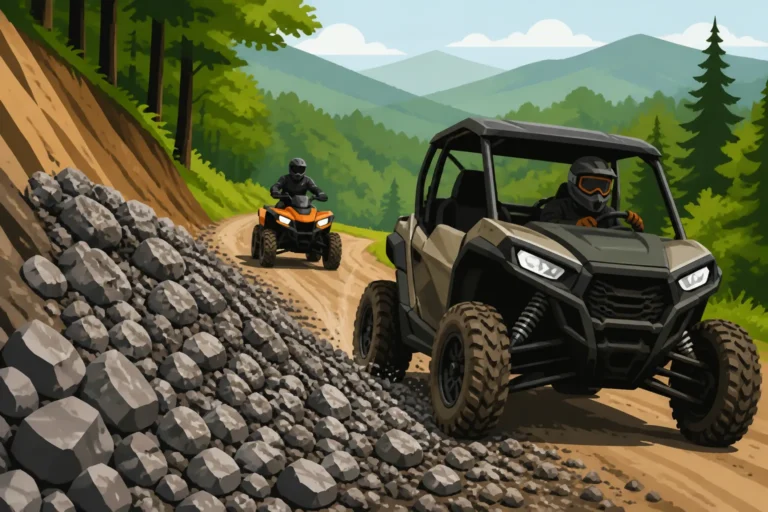
One of the best options, and frankly, the most common for enthusiasts, is heading to one of North Carolina's designated Off-Highway Vehicle (OHV) trail systems. We have incredible national forest land that offers miles of trails specifically designed for ATVs and UTVs. Places like the [Brown Mountain OHV Trail System] in the Pisgah National Forest or the [Badin Lake OHV Trail Complex] in the Uwharrie National Forest provide thrilling and challenging rides. These areas have specific rules about permits and safety certificates, as discussed earlier, but they do allow riders under 16 (with the proper safety certification and supervision) to enjoy the trails on age-appropriate machines. These trails often feature varying difficulties, from beginner-friendly paths to advanced rock crawling, so there's usually something for everyone. And for those looking to upgrade their machines for these rugged environments, companies like SuperATV offer a wide range of accessories, from lift kits to heavy-duty axles, that can enhance performance and durability on tough trails.
Another excellent avenue is riding on private land with permission. Many landowners across North Carolina are willing to allow responsible riders to use their property. This often requires building a good relationship with the landowner, getting clear, written permission, and always respecting their land. Riding on private ground gives you the freedom to set up your own courses or explore natural terrain without the same public access restrictions, though you should always adhere to basic safety practices and manufacturer age guidelines for the machines. Just remember, even on private land, common sense and safety are paramount, and local noise ordinances should always be respected.
Finally, keep an eye out for private, pay-to-ride parks. These facilities are specifically designed for off-road recreation and often cater to a wide range of vehicles and skill levels. They usually have their own set of rules and age requirements, which you'll need to verify directly with them, but they can be a fantastic way to get some seat time without worrying about public land regulations or finding private landowner access. These parks are usually well-maintained and offer amenities like staging areas, wash stations, and sometimes even rentals.
Ensuring Safety and Compliance Beyond the Beach
Regardless of where you choose to ride in North Carolina, safety and compliance with the law should always be your top priority. For younger riders, especially, this means more than just strapping on a helmet.
- Age-Appropriate Machines: Always ensure your child is riding a machine that is appropriate for their age and size. Manufacturers have clear recommendations, and these are based on years of safety research. Forcing a child onto a machine that's too powerful or too large for them is a recipe for disaster.
- Safety Gear: A DOT-compliant helmet is non-negotiable, whether on a trail or private land. Eye protection (goggles or a face shield) is also essential, along with long sleeves, long pants, gloves, and over-the-ankle boots. This gear isn't just for comfort; it's vital protection against bumps, scrapes, and flying debris.
- Supervision: For riders under 16, continuous visual supervision by an adult is crucial. This means you need to be able to see and respond to your child at all times while they are riding. This is a common requirement on public lands and an excellent practice everywhere.
- Education: Encourage (or require) your young rider to take an ATV safety course. While North Carolina mandates this for certain age groups on public trails, it's beneficial for all riders. These courses teach critical skills, awareness, and safe riding practices that can prevent accidents.
- Stay Informed: Laws and regulations can change, and local ordinances, especially near coastal areas, can add additional restrictions. Before any trip, make it a habit to check the most current rules for your intended riding location. A quick call to the local forest ranger district or county sheriff's office can save you a lot of headache. Even for private riding, being aware of general rules, like those governing [North Carolina Rules for Riding a Public Street] or [North Carolina Rules for Crossing a Road] (even if it's just a farm lane), is a good idea.
By understanding the specific reasons behind North Carolina's age restrictions on ocean beaches and exploring the many legal and safe alternatives available, you can ensure your family enjoys countless hours of responsible ATV and UTV adventures across our beautiful state. It might mean a different kind of scenery than the ocean, but the thrill of the ride will be just as rewarding.
Disclaimer
This article is for general informational purposes only and does not constitute professional advice. Laws, prices and regulations vary by location and change over time. Consult a qualified professional for guidance on your specific situation.