Where an Ocean Beach Area Begins
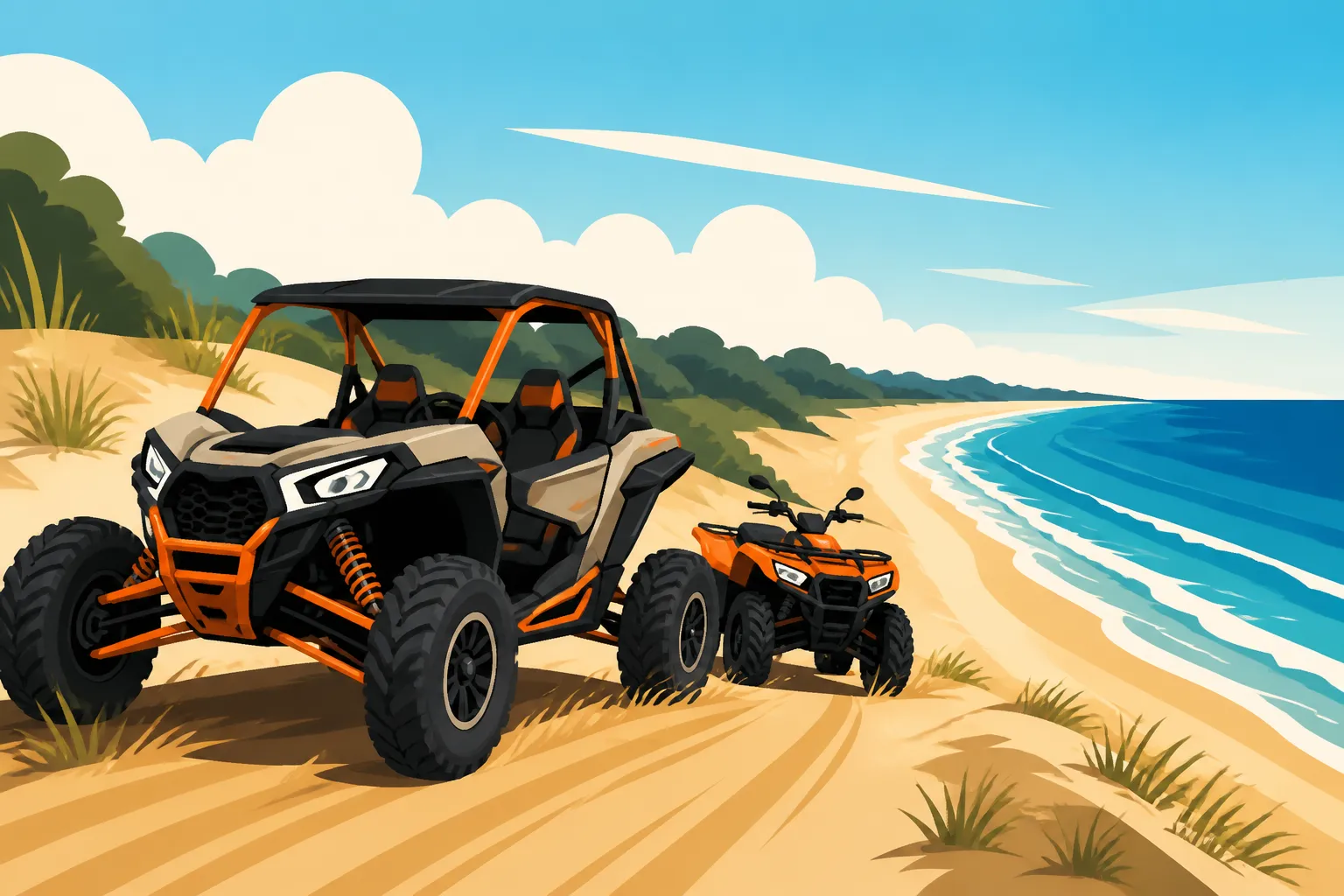
It's incredibly frustrating when you head to North Carolina's beautiful coastline, full of excitement to maybe explore some sandy terrain with your ATV or UTV, only to be met with confusing signs, local ordinances, or the disapproving glares of locals. The truth is, riding an off-road machine on an "ocean beach" in North Carolina isn't as straightforward as just pointing your wheels towards the sand. A lot of riders get caught out because they don't understand the very specific legal definition of what an "ocean beach area" actually entails, and why that distinction is so crucial. This guide is here to clear up that confusion, diving deep into how North Carolina defines its coastal areas and what that means for you and your machine.
Understanding North Carolina's Legal "Ocean Beach Area"
North Carolina's coastline is a national treasure, and protecting it is a serious business. When it comes to ATVs and UTVs, the state has some very particular rules about where you can and cannot ride, especially near the ocean. These rules aren't just arbitrary; they're designed to protect fragile ecosystems, ensure public safety, and manage the delicate balance of our coastal environments. For the average rider, understanding these legal definitions is the first, and most important, step to avoiding fines and protecting our beautiful beaches.
The Importance of the Mean High Water Mark
When you think of the beach, you probably picture the expanse of sand between the waves and the dunes. But legally, things get a bit more technical. One of the key definitions that forms the boundary of the "ocean beach area" is the "Mean High Water Mark." This isn't just where the last wave broke on any given day; it's a scientifically determined average. Imagine looking at the highest point the tide reaches each day over a period of 19 years – that average point defines the mean high water mark. It's a fairly stable, long-term boundary line that separates the land from the tidal waters.
For ATV and UTV riders, this line is incredibly important because it essentially dictates the wet edge of the legal beach. Anything consistently below this line is considered tidal waters, and riding in or through these areas with your machine is generally not permitted and can lead to significant environmental damage, particularly to shellfish beds or delicate marine life. It’s not just about getting your tires wet; it’s about understanding a legal demarcation that’s rooted in ecological protection.
The Elusive "Vegetation Line"
If the mean high water mark is the wet boundary, then the "vegetation line" marks the landward edge of the legal ocean beach area. This one can be a bit more elusive to identify on a casual glance, which is why it often causes confusion. North Carolina law defines the vegetation line as the first line of stable, natural, perennial vegetation. What does that mean in plain English? It's where the sand stops being constantly shifted by wind and waves, and where plants like sea oats, beach grasses, and other dune-stabilizing flora consistently grow.
This isn't just any stray patch of grass; it's a discernible, consistent line of plant growth that indicates the start of a more stable, albeit still fragile, dune system. The reason this line is so vital is that the areas beyond it – the dunes themselves – are extremely vulnerable. Dunes act as natural barriers against storms, protect inland properties, and provide critical habitat for numerous species. Riding an ATV or UTV over these dunes or beyond the vegetation line can destroy years of natural growth and destabilize these protective formations in a matter of minutes. This is why [Where the Vegetation Line Puts the Beach Boundary] is such a critical concept for any rider near the coast.
Why the Specific Definition Matters for ATV Riders
Knowing these precise definitions isn't just legal minutiae; it's paramount for any ATV or UTV owner who loves North Carolina's coast. The state has a very clear [North Carolina's Ocean Beach Rule] that largely prohibits off-road vehicles on these defined beach areas. The reason is simple: the environmental impact. The weight and tires of ATVs and UTVs can compact sand, crush nesting sites for sea turtles and shorebirds, damage the root systems of dune vegetation, and disrupt the natural flow of the ecosystem.
Beyond the environmental aspect, there's also the matter of public safety. Beaches are busy places, especially during peak season. Mixing fast-moving vehicles with pedestrians, sunbathers, and children creates a hazardous environment. While it might seem tempting to cruise the open sand, the legal framework is designed to keep everyone, and everything, safe. It's easy to feel a pang of frustration when you see official vehicles, like those from city crews or emergency services, cruising along the sand. But it's important to remember [Why City Crews Can Ride Where You Cannot]; they have specific exemptions for official duties, which do not extend to recreational riders.
Table: Key Elements of North Carolina's "Ocean Beach Area"
Understanding these distinctions can save you a lot of headache and potential fines. Here's a quick summary of the key features that define North Carolina's "ocean beach area" for legal purposes:
| Feature | Definition in North Carolina Law (General) | Impact for ATV/UTV Riders |
|---|---|---|
| Ocean Beach Area | Lands subject to the ebb and flow of the tide and contiguous areas. | Generally prohibited for ATV/UTV use, with very few exceptions. |
| Mean High Water Mark | The average height of all high waters observed over 19 years. | Forms the wet boundary of the legal "beach"; beyond this, it's typically tidal water. |
| Vegetation Line | The first line of stable, natural vegetation present. | The critical landward boundary; riding past this is typically illegal and harmful. |
| Dunes | Naturally formed accumulations of sand, often stabilized by vegetation. | Strictly protected; riding on or disturbing dunes is prohibited. |
| Sound-Side Shores | Areas adjacent to sounds and estuaries, not directly on the ocean. | Different rules often apply here, but still usually require private permission. |
Practical Implications for Off-Road Enthusiasts
So, with those definitions in mind, what does this actually mean for you, the ATV or UTV rider who simply wants to enjoy the coast? It means being exceptionally cautious and, for the most part, recognizing that the ocean beach area is off-limits for recreational riding. This can be a tough pill to swallow when you've invested in a machine designed for off-road adventure, but understanding the limitations is key to responsible enjoyment of North Carolina's diverse terrain.
The General Prohibition on Beach Riding
Let's be blunt: for most recreational ATV and UTV riders, the "ocean beach area" as defined by North Carolina law is a no-go zone. This includes the vast majority of our coastal beaches, from the Outer Banks down to the Brunswick Islands. The rules are in place to protect the fragile environment and ensure the safety of beachgoers. Attempting to ride your machine on these restricted sands can lead to significant fines, confiscation of your vehicle, and even more serious penalties depending on the extent of environmental damage caused. It’s always best to assume you cannot ride on an ocean beach unless you have explicit, documented permission or are operating under a very specific, limited exception. This general prohibition is why you rarely see [North Carolina Rules for Riding a Beach] that permit recreational use.
This rule can be especially frustrating if you’re visiting from another state where beach riding might be more permissible or if you’ve heard anecdotal stories about people riding on certain stretches of sand. However, North Carolina's regulations are quite strict, and ignorance of the law is no excuse. Always err on the side of caution.
Limited Exceptions and Special Permits
While the general rule is "no riding," there are extremely limited exceptions, though these rarely apply to the average recreational rider. For instance, some local governments may issue permits for specific events, beach cleanups, or for commercial fishing operations. In very few, highly regulated instances, some municipalities might allow ATVs or UTVs for very specific purposes, like accessing remote fishing spots, but these are almost always tied to strict conditions, time limits, and require special permits that are difficult to obtain for casual use. It’s never a given, and always requires extensive research and official approval.
Furthermore, there are specific rules for age restrictions if riding is ever permitted. For example, [The 16-and-Over Rule on a North Carolina Beach] would apply in any scenario where riding is allowed, and [North Carolina Beach Riding Age Requirement] remains a key consideration. The bottom line is that if you believe there's an exception that might apply to you, you must contact the local municipality or the North Carolina Department of Environmental Quality directly to confirm and secure any necessary permits before you even think about putting tires on the sand. Don't rely on hearsay or outdated information.
Protecting Your Machine from Salt and Sand
Even if you meticulously avoid the actual ocean beach area, simply being near the coast presents challenges for your ATV or UTV. The salty air and fine sand can be incredibly corrosive and abrasive. If you're exploring [Sound-Side Shores] or private land that's still coastal, you'll want to take extra precautions. Regularly rinsing your machine with fresh water, paying special attention to the undercarriage, suspension components, and electrical connections, is crucial. Salt can quickly corrode metal parts, seize bearings, and damage wiring, leading to costly repairs.
Consider investing in aftermarket protective gear to shield vital components. Durable skid plates, A-arm guards, and CV boot protectors can deflect sand and debris, preventing premature wear. Companies like SuperATV offer a wide range of robust parts designed to withstand harsh off-road conditions, which can be invaluable in a coastal environment where rust and abrasion are constant threats. Protecting your air filter from fine sand is also critical; a pre-filter or a high-quality, frequently cleaned air filter system is a must to prevent engine damage. Even if you're not riding directly on the beach, a good maintenance routine and robust protection can extend the life of your machine when operating in a salty, sandy environment.
Identifying the Boundaries on the Ground
Given the strict rules and the often subtle nature of the legal boundaries, how do you, as a rider, practically identify where the "ocean beach area" begins and ends? It requires a keen eye, an understanding of the natural environment, and a healthy respect for posted regulations. Mistakes can be costly, so taking the time to observe and understand your surroundings is paramount.
Reading the Landscape: Dunes, Vegetation, and Tidal Marks
When you're at the coast, start by observing the natural cues. Look for the distinct line where the bare sand gives way to established plant life. This is your "vegetation line." Beyond this line, you'll typically see sand dunes, which are protected ecosystems. [Dune Riding in North Carolina] is strictly prohibited, so avoid these areas at all costs. The dunes are often stabilized by specific types of grasses and plants that are essential for coastal resilience.
Closer to the water, pay attention to the high tide line. You can often see debris, seaweed, and shells marking where the water typically reaches its highest point. This generally correlates with the mean high water mark. Anywhere seaward of that line is almost certainly off-limits. Remember that these natural boundaries can shift with storms or erosion, so what was permissible last year might not be this year. For example, [Storm Debris and the Beach Boundary] can sometimes temporarily alter the appearance of the vegetation line, but the underlying legal definition remains. Always look for the stable line of vegetation, not just transient growth.
Local Ordinances and Posted Signs
While state law provides the overarching framework for [North Carolina's Ocean Beach Area Definition], local municipalities often have their own specific ordinances that can further restrict or, in rare cases, offer highly conditional access to certain areas. It is absolutely essential to check with the local town or county government before attempting to ride anywhere near a coastal area. Don't assume that because one town allows something (unlikely for recreational beach riding), another one will.
Look for posted signs at beach access points, parking areas, and along the shoreline. These signs will often clearly state prohibitions on off-road vehicles, driving on dunes, or restricting access to specific times or types of vehicles. Heed these signs without question. A friendly warning: if you're riding [North Carolina Rules for Riding Private Land] near the coast, you still need to ensure your activities don't infringe on public access rules or protected areas, and you must have explicit landowner permission. Always respect posted regulations and, when in doubt, assume riding is not allowed.
Avoiding Accidental Trespass and Fines
The best way to avoid fines and potential legal trouble is to stick to designated riding areas and always assume a beach is off-limits unless you have confirmed otherwise through official channels and have the necessary permits. If you're unsure about a specific stretch of coastline, don't risk it. The penalties for violating coastal riding rules can be steep, often involving fines, court costs, and potential impoundment of your machine. It's simply not worth it for a recreational ride.
Instead of trying to navigate the complexities of ocean beach areas, focus on the incredible [Where to Ride an ATV in North Carolina] that are legally designated for off-road vehicles. North Carolina boasts fantastic trail systems in its national forests, like Brown Mountain and Badin Lake, which offer challenging and rewarding experiences without the legal ambiguities of coastal riding. These trails are specifically designed and managed for off-road enthusiasts, providing a safe and legal way to enjoy your ATV or UTV without risking environmental damage or breaking the law. For those truly passionate about off-road adventures, focusing on these approved areas is the most responsible and enjoyable path.
Disclaimer
This article is for general informational purposes only and does not constitute professional advice. Laws, prices and regulations vary by location and change over time. Consult a qualified professional for guidance on your specific situation.