Riding Private Ground in North Carolina
It's no secret that navigating the world of ATV and UTV riding in North Carolina can feel like a maze, especially when it comes to what's allowed on public roads versus private property. Many folks get tangled up in the various regulations, and sometimes, the sheer lack of state-level ATV registration adds to the confusion. This guide is here to clear the air, focusing specifically on the ins and outs of riding your machine on private ground in the Tar Heel State, helping you understand your rights and responsibilities so you can ride with confidence and peace of mind.
Understanding North Carolina's Stance on Private Land Riding
North Carolina has a unique approach to ATVs and UTVs. Unlike many other states, it doesn't require you to register your ATV with the DMV, and there aren't state-issued trail stickers. This often leads to a lot of head-scratching when people try to figure out where they can and can't ride. The crucial distinction lies in whether you're on public land or private property.
The Fundamental Difference: Public vs. Private
When we talk about ATVs and UTVs in North Carolina, the rules change drastically depending on where your tires are touching the ground. Public roads and most public lands have strict regulations about where and how you can operate these machines, often limiting them to very specific, designated areas or requiring them to meet certain "Modified Utility Vehicle" (MUV) criteria to even consider road use. This is where most of the state's official rules and restrictions come into play, governing things like age limits, helmet laws, and equipment.
However, private land is a different ballgame altogether. On your own property, or property where you have explicit permission, the state largely steps back. You have considerably more freedom to ride, explore, and even build your own trails without being subject to the same strict public highway laws. This is a huge relief for many riders who simply want to enjoy their machines without constant worry about complex state statutes. But this freedom comes with its own set of responsibilities, primarily ensuring you have the right to be there and that you're not creating a nuisance or danger to others.
No State Registration or Trail Stickers for Private Use
One of the biggest sources of confusion for ATV and UTV owners in North Carolina is the absence of a statewide registration system. You see registration stickers on cars, trucks, and even motorcycles, but not typically on ATVs. This is by design. The state does not require a general registration for off-highway vehicles like ATVs and UTVs. This means you don't have to visit the DMV, fill out special forms, or pay recurring fees just to own and operate your machine on private land. You can learn more about this in our guide, [Why North Carolina Has No ATV Registration].
Similarly, North Carolina doesn't issue state-level trail stickers or decals for general ATV use. While some specific OHV trail systems within national forests might require a permit to access their trails, this isn't a statewide mandate for all private riding. So, if you're riding in your backyard or on a friend's farm, you won't need any special sticker from the state to be legal. This also means you won't find yourself needing a "North Carolina OHV Decal" because the state simply doesn't issue one. This simplifies things immensely for private landowners and those with permission, allowing them to focus more on riding and less on bureaucratic hurdles.
The Absolute Necessity of Landowner Permission
While North Carolina gives you a lot of freedom on private land, there's one golden rule that trumps everything else: permission. Without explicit permission from the landowner, you're trespassing, plain and simple. This isn't just a polite suggestion; it's a legal cornerstone of private property rights that carries significant weight.
Verbal Versus Written Permission: What's Best?
So, you want to ride on someone else's property—maybe a buddy's farm, a relative's large tract of land, or even a local timber company's acreage. The first step, always, is to ask. But beyond just asking, how do you best protect yourself and the landowner?
Verbal permission, while common among friends and family, can be a bit of a shaky foundation. In a perfect world, everyone remembers the conversation clearly and agrees on the scope of the permission (where you can ride, when you can ride, etc.). However, memories fade, misunderstandings happen, and if there's ever a dispute, verbal agreements can be incredibly difficult to prove. Imagine a scenario where a new family member takes over the land, or a neighbor complains, and the original landowner isn't around to vouch for you. It can quickly turn into a messy situation.
For this reason, I always advise riders to push for written permission, especially if you plan on riding regularly, bringing a group, or making any modifications to the land (like clearing a new trail). A simple, signed letter or email outlining who has permission, what machines they can ride, the specific areas of the property that are open to riding, and the dates for which the permission is valid can save a world of trouble. It acts as a clear, undeniable record for all parties involved. It's not about distrust; it's about clarity and protection for everyone. Think of it like this: if you were buying a used ATV, wouldn't you want a [North Carolina Bill of Sale for an ATV] in writing? The same principle applies here. For more details on what this entails, take a look at our article, [North Carolina Landowner Permission Rules].
Consequences of Trespassing in North Carolina
Ignoring the need for permission is not just rude; it's illegal and can lead to some pretty serious consequences. In North Carolina, trespassing on private property with an ATV or UTV can result in more than just an angry landowner.
Legally, you could face fines, which can add up quickly, especially if it's not your first offense. Your machine, which is often a significant investment, could be impounded, leaving you with impoundment fees on top of any fines. In some cases, repeated or aggravated trespassing can even lead to criminal charges, potentially impacting your record. Beyond the direct legal penalties, consider the damage to your reputation and the broader ATV community. One rider's irresponsible actions can lead to landowners closing their property to all riders, even those who respect the rules.
Landowners in North Carolina are within their rights to protect their property. If they have clearly posted "No Trespassing" signs or have otherwise made it known that entry is forbidden, proving you didn't know you were trespassing becomes much harder. Always assume land is private and off-limits unless you have explicit permission. A little proactive communication can save you a whole lot of headache, heartache, and expense down the road. You can dive deeper into the specifics of what this means in North Carolina by reading [North Carolina Trespass Rules for Riders].
Safety and Equipment Considerations on Private Land
Just because you're on private land doesn't mean safety goes out the window. While state laws regarding public road use might not apply to your backyard track, common sense and a commitment to personal safety should always be your top priorities.
Essential Safety Gear: Always a Good Idea
Even when tearing it up on your own property, personal safety gear is non-negotiable in my book. Think of it this way: a crash on a private trail can be just as, if not more, dangerous than one on public land. There might be fewer official rules, but gravity and momentum still apply!
- Helmets: A DOT-approved helmet should always be the first piece of gear you reach for. Head injuries are no joke, and a good helmet can be the difference between a scary incident and a life-altering one. While [North Carolina Helmet Law for ATV Riders] specifically applies to public land and riders under 18, it's a solid benchmark for all riders, regardless of age or location.
- Eye Protection: Goggles or a full-face helmet visor are crucial. Dust, branches, mud, and even insects can fly up and impair your vision, potentially leading to an accident. Protecting your eyes ensures you can see where you're going and react quickly to obstacles.
- Sturdy Clothing: Long pants, long-sleeved shirts, over-the-ankle boots, and gloves provide essential protection against scrapes, bruises, burns from hot engine parts, and even flying debris. Denim and leather are great choices for durability.
- Riding Within Your Limits: It's tempting to push the limits when you're on your own turf, but knowing your skill level and your machine's capabilities is key. Don't attempt jumps or difficult terrain that you're not comfortable with.
Remember, nobody wants to end a fun day of riding with a trip to the emergency room. Gear up, ride smart, and enjoy the thrill safely.
Machine Maintenance and Modifications
Taking care of your ATV or UTV isn't just about making it run better; it's a huge part of staying safe, especially on diverse private terrain. Regular maintenance checks, like inspecting brakes, tires, fluids, and steering components, ensure your machine responds predictably when you need it most. A well-maintained machine is a safe machine, regardless of where you're riding.
Many private land riders also enjoy modifying their machines to better suit their riding style or the specific challenges of their property. Brands like SuperATV offer a huge range of aftermarket parts, from lift kits and heavy-duty axles for tackling rough terrain, to improved suspension components for a smoother ride, and even winches for self-recovery when you get stuck in the mud. These modifications can greatly enhance the capability and enjoyment of your machine on private land. For instance, if you're frequently crossing muddy creeks or climbing steep inclines, upgrading to more aggressive tires or a robust suspension system can make a world of difference.
However, while private land gives you more freedom with modifications, always consider how they impact the machine's handling and safety. Too much lift, for example, can raise the center of gravity and make your UTV less stable on side slopes. Also, even though there's no state-level noise regulation for private land, being mindful of your exhaust system (and ensuring it has a spark arrester if you ever venture onto regulated public trails like those in national forests, as discussed in [North Carolina Spark Arrester Requirement]) is a good practice for neighborly relations.
Youth Riders and Supervision on Private Property
When it comes to kids and ATVs, North Carolina has specific laws for public lands, particularly for riders born on or after January 1, 1990, requiring a safety certificate. There are also age restrictions for public roads and certain public trails. However, on private property, these state statutory restrictions on age and certification typically do not apply directly.
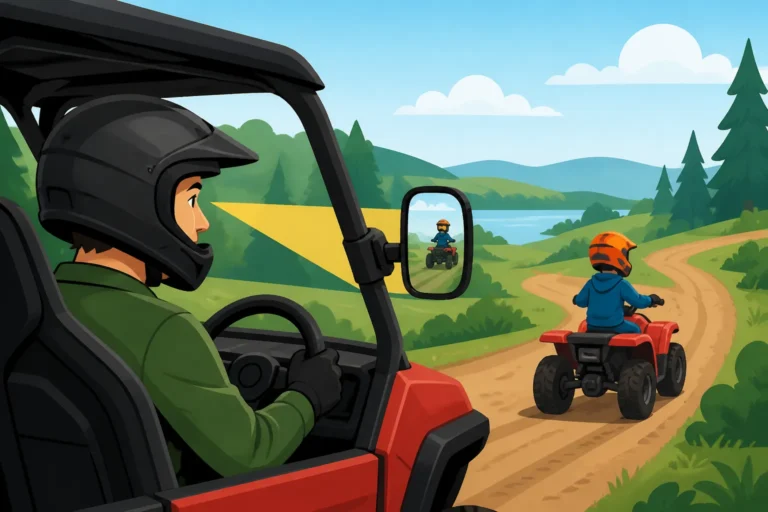
This doesn't mean it's a free-for-all, though. Parental responsibility becomes even more critical. As a parent or guardian, you have the ultimate say and responsibility for the safety of young riders on your private land. Here are some key considerations:
- Continuous Supervision: While [Continuous Visual Supervision Under North Carolina Law] is a public land rule, it's an excellent guideline for private land too. Always keep a close eye on young riders.
- Appropriate Machine Size: Ensure the ATV or UTV is the right size and power level for the child's age, weight, and skill. Don't put a small child on an adult-sized machine. The manufacturer's age warning labels are there for a reason and should be respected as a strong recommendation for safe operation.
- Safety Gear: Make sure children are always wearing the same essential safety gear as adults: helmets, eye protection, gloves, long pants, and sturdy boots.
- Training: Even on private land, consider enrolling your child in an ATV safety course. These courses teach vital riding skills, hazard awareness, and responsible behavior that can prevent accidents.
Ultimately, on private land, you're the rule-maker for your kids. Prioritizing their safety and fostering good riding habits from a young age is paramount. You can find more information about regulations for younger riders in North Carolina in [North Carolina Rules for a Rider Under 16].
Respecting the Land and Your Neighbors
The freedom of private land riding comes with a profound responsibility: respecting the land itself and maintaining good relationships with your neighbors. Irresponsible riding practices can lead to environmental damage, legal disputes, and the loss of riding opportunities for everyone.
Environmental Stewardship and Trail Maintenance
When you're riding on private land, you become the steward of that land. Your actions have a direct impact on the environment. Here are some ways to practice good environmental stewardship:
- Stay on Designated Trails: Resist the urge to create new trails indiscriminately. Riding off-trail can lead to soil erosion, damage sensitive plant life, and disturb wildlife habitats. If you're building trails, plan them carefully to minimize environmental impact.
- Avoid Sensitive Areas: Steer clear of stream beds, wetlands, and other fragile ecosystems. These areas are easily damaged and can take a long time to recover. Crossing a creek can sometimes be unavoidable, but minimize repeated passes and avoid churning up the streambed.
- Pack It In, Pack It Out: Whatever you bring onto the property, make sure you take it back out. This includes trash, empty fuel cans, and any broken machine parts. Littering not only degrades the environment but also shows disrespect for the land and its owner.
- Control Erosion: If you notice areas on your trails that are prone to erosion, consider building water bars or diverting water flow to prevent further damage. Healthy trails are sustainable trails.
By being mindful of your impact, you help preserve the beauty and health of the land for years to come.
Noise, Dust, and Property Lines
Even if you own your land, your actions can affect your neighbors. Excessive noise and dust are two of the most common complaints levied against ATV and UTV riders, and they can quickly sour neighborly relations.
- Noise Control: While North Carolina doesn't have specific noise ordinances for private ATV use that are as strict as public road rules, common courtesy goes a long way. Consider riding during reasonable hours, especially if you have close neighbors. Early mornings, late evenings, and particularly Sunday mornings might be times to keep the throttle a bit lighter. Ensure your machine's exhaust system is in good repair and consider quieter aftermarket options if noise is a persistent issue. Even though [North Carolina Muffler Requirements for ATVs] applies to public roads, a quiet muffler is a good neighborly choice anywhere.
- Dust Management: If your trails kick up a lot of dust, especially in dry seasons, consider the direction of the wind and how it might carry dust onto a neighbor's property or even their home. Sometimes, a little water on the dustiest sections can make a big difference, or adjusting your riding patterns to avoid creating excessive dust near property lines.
- Respecting Property Lines: This seems obvious, but it's crucial. Know exactly where your property lines are and stay well within them. Accidentally (or intentionally) crossing a neighbor's boundary without permission can lead to serious trespassing issues, even if it's just a few feet. If there's any doubt, err on the side of caution or get a survey done.
Good neighbors are a blessing, and maintaining a positive relationship means being considerate and proactive about potential issues. A little thoughtfulness can prevent major headaches and ensure you can continue enjoying your private riding space.
Private Land Riding: Best Practices
| Aspect | Do's | Don'ts |
|---|---|---|
| Permission | Get written permission; confirm boundaries. | Assume permission; ride without asking. |
| Safety Gear | Always wear a helmet, eye protection, and sturdy clothing. | Ride without protection, especially a helmet. |
| Machine Maintenance | Regularly inspect brakes, tires, and fluids. | Neglect maintenance; ride with known issues. |
| Youth Riders | Supervise continuously; use appropriate machine size. | Allow unsupervised riding; put kids on oversized machines. |
| Environmental Impact | Stay on marked trails; pack out all trash. | Ride off-trail; litter; damage sensitive areas. |
| Neighbor Relations | Ride during reasonable hours; control noise and dust. | Create excessive noise or dust; cross property lines. |
| Modifications | Use quality aftermarket parts (e.g., from SuperATV). | Make unsafe modifications; ignore handling changes. |
Riding your ATV or UTV on private land in North Carolina offers an incredible sense of freedom and adventure. Unlike the often complex and restrictive regulations for public roads and trails, private property allows you to truly enjoy your machine on your terms. However, this freedom comes hand-in-hand with significant responsibilities – to the landowner, to your neighbors, and to the environment itself. By prioritizing clear communication for permission, adhering to common-sense safety practices, maintaining your machine, and acting as a responsible steward of the land, you can ensure that your private riding experiences remain enjoyable, safe, and free from unnecessary complications. Always ride with respect, and you'll find the trails on private ground in North Carolina to be some of the most rewarding.
Disclaimer
This article is for general informational purposes only and does not constitute professional advice. Laws, prices and regulations vary by location and change over time. Consult a qualified professional for guidance on your specific situation.