Keeping a Young Rider in Continuous Sight
It's a familiar scene for many North Carolina parents: you want your kids to experience the thrill and freedom of riding an ATV or UTV, but you're constantly battling that little voice in your head, or perhaps even a nagging fear, about their safety. One of the biggest hurdles, and frankly, one of the most misunderstood rules, revolves around keeping your young rider in "continuous visual supervision." This guide is here to untangle what that phrase truly means in our beautiful state, why it's so vital, and how you can practically apply it to keep your little adventurers safe and sound on the trails and fields.
What "Continuous Visual Supervision" Really Means in North Carolina
When North Carolina law talks about keeping a rider under a certain age (specifically, those under 16) in "continuous visual supervision," it’s not just suggesting you be in the general vicinity. This isn't like letting them play in the backyard while you’re inside cooking dinner. The legal and practical interpretation of this rule is much stricter and far more demanding than many parents realize. It's about being actively present and able to react immediately.
More Than Just Being in the Same Area
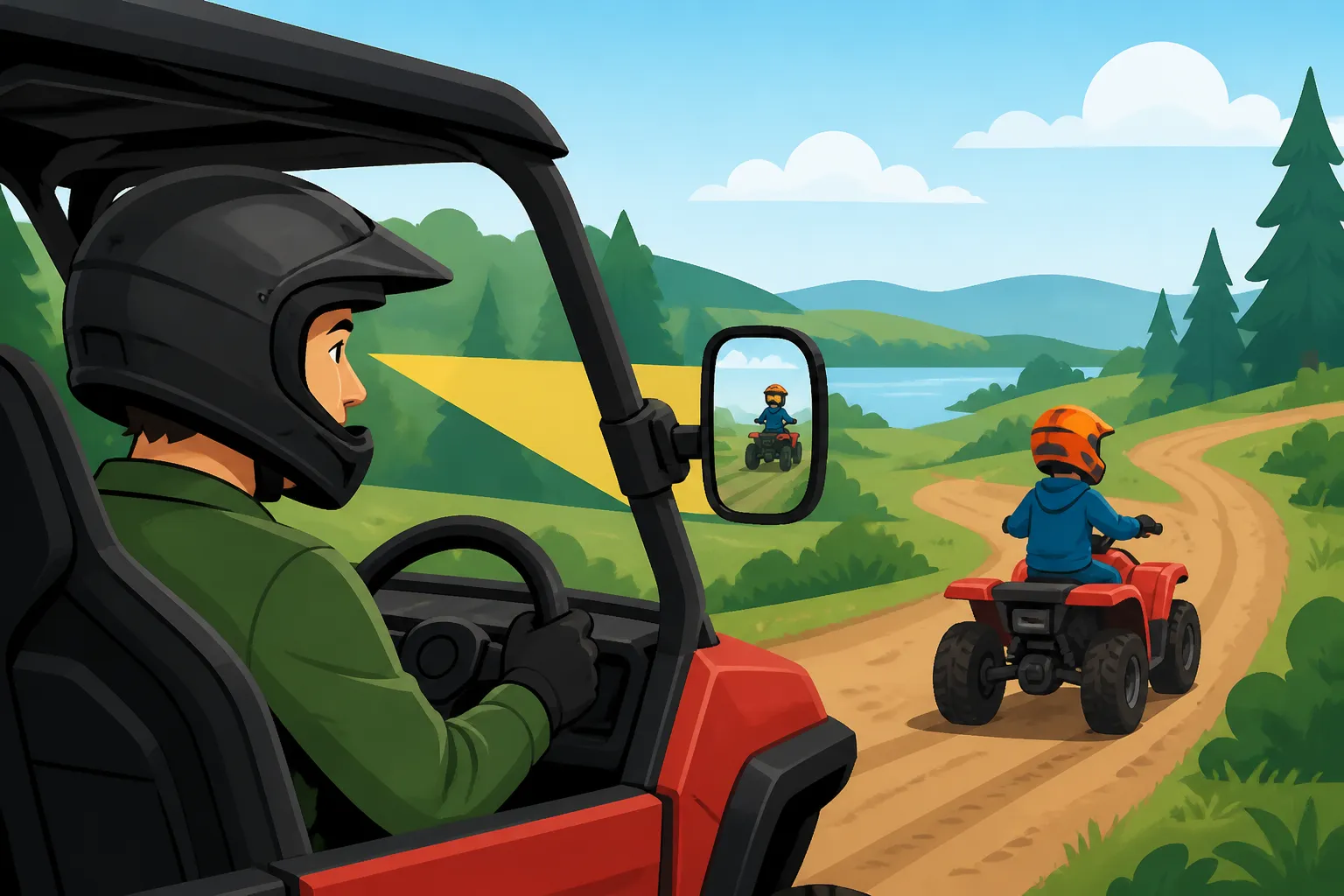
"Continuous visual supervision" means exactly what it sounds like: you need to be able to see your young rider at all times they are operating their ATV or UTV. This isn't about hearing them or knowing they are "somewhere out there" on your property. It implies an unbroken line of sight, where you can observe their actions, anticipate potential hazards, and intervene without delay if something goes awry.
Think of it this way: if your child rides behind a stand of pines, disappears over a small hill, or even just gets a bit too far ahead around a bend in the trail, you've lost continuous visual supervision. Even if you know the terrain like the back of your hand, that moment they're out of sight is a moment you can't see them make a critical error, have a mechanical issue, or encounter something unexpected. This rule is in place because off-road riding, especially for younger, less experienced riders, requires constant vigilance. A split second can make all the difference between a near-miss and a serious incident.
Practical Challenges of Maintaining Continuous Sight
While the concept of continuous sight might seem straightforward in a wide-open field, the reality of North Carolina's diverse landscapes often presents significant challenges. Our state offers everything from rolling Piedmont hills to dense mountain forests and coastal plains. Each environment brings its own set of obstacles to maintaining that unbroken visual connection.
Imagine you're supervising your child on a wooded trail. Even moderately thick underbrush can obscure a rider in an instant. Dust kicked up on a dry farm track can create a temporary, but dangerous, blind spot. And let's not forget the simple factor of speed; a youth ATV, even at lower speeds, can cover ground quickly, widening the distance between supervisor and rider faster than you might expect. These real-world elements make active supervision a constant effort. You might find yourself needing to ride alongside or directly behind your child, especially in unfamiliar or challenging terrain. Sometimes, it means adjusting your own machine or even using accessories to boost visibility. Products like brightly colored safety whips or flags, which you can find at retailers like SuperATV, can make a huge difference in keeping your rider visible, even when the terrain tries to hide them.
Why This Rule Matters for Your Young Rider's Safety
It's easy to view rules as just another bureaucratic hurdle, but the "continuous visual supervision" requirement for young ATV riders in North Carolina is rooted deeply in safety. It's designed to protect kids from preventable accidents and to safeguard parents from devastating consequences, both emotional and legal.
Preventing Accidents and Injuries
The primary reason this rule exists is painfully simple: to prevent accidents and injuries. Kids, bless their hearts, are explorers by nature. They push limits, get distracted, and sometimes, frankly, don't always make the best split-second decisions when faced with an obstacle. When a young rider is out of sight, even for a moment, a multitude of scenarios can unfold without a parent's immediate knowledge or intervention.
Consider these common situations:
- Getting Stuck: A young rider might get their machine bogged down in mud, caught on a root, or stuck in a ditch. Without continuous supervision, they might struggle to free themselves, potentially overturning the ATV or getting injured in the process.
- Hitting Unexpected Obstacles: A hidden rock, a fallen branch, or even a sudden dip in the terrain can be enough to throw a small ATV off balance. If you're not there to witness it, you can't provide immediate assistance, which could mean a minor tumble turns into a more serious injury if the child is pinned or alone.
- Encountering Wildlife or Other Hazards: North Carolina is full of natural beauty, but also wildlife. A sudden encounter with a deer or even a dog can startle a young rider, causing them to lose control. Similarly, unforeseen hazards like unexpected ditches, barbed wire fences, or even other riders can pose risks. Your presence allows you to warn them or guide them away from danger.
- Mechanical Issues: A loose chain, a sputtering engine, or a flat tire can leave a young rider stranded and vulnerable. Being in continuous sight means you can identify these issues quickly and help before they become bigger problems.
The speed at which things can go wrong with youth machines is often underestimated. What might seem like a slow pace to an adult can still generate significant momentum and impact. Your presence isn't just about guidance; it's about being the first responder. You can read more about what North Carolina requires for young riders in [North Carolina Rules for Riders Under 16].
The Legal Ramifications for Parents
Beyond the heartbreaking potential for injury, parents who fail to maintain continuous visual supervision of their underage riders in North Carolina can face serious legal consequences. Ignorance of the law is rarely an excuse, and authorities take the safety of young riders very seriously.
Here's what you could be looking at:
- Citations and Fines: Law enforcement, whether local sheriffs, state troopers, or even forest service officers on designated trails, can issue citations for violating supervision laws. These fines can add up, but they are often the least of the worries.
- Liability in Case of an Accident: This is where things get truly serious. If your child is involved in an accident while riding unsupervised—whether they injure themselves, damage property, or, tragically, injure another person—you, as the supervising adult, could be held liable. This can lead to costly lawsuits, medical bills, and significant financial strain. Insurance policies might even deny coverage if the terms of supervision outlined in state law were not met.
- Impact on Future Privileges: In some cases, repeated violations or severe incidents could lead to discussions about a child's eligibility to ride or a parent's responsibility in allowing them to do so.
It's crucial to understand that these laws are in place to establish a baseline of responsible behavior. Adhering to the continuous visual supervision rule isn't just about avoiding a ticket; it's about ensuring you've met your fundamental responsibility to protect your child and anyone else they might encounter while riding.
Strategies for Effective Continuous Supervision
Okay, so we know why continuous visual supervision is important and what it legally means. Now, let's talk about the how. It's not always easy, but with some forethought and practical strategies, you can make supervision effective and still allow your young rider to enjoy their time on the machine.
Choosing the Right Riding Environment
The environment where your child rides plays a huge role in your ability to provide continuous supervision. Not all land is created equal when it comes to keeping an eye on a moving target.
- Open Spaces are Your Friend: For beginners, and even for more experienced young riders, open fields, large clearings, or specially designed youth tracks offer the best visibility. These areas minimize blind spots, allow for easier maneuvering, and give you plenty of space to react. You can easily maintain visual contact without having to constantly adjust your position.
- Private Land Provides Control: Riding on your own property or private land with permission gives you the ultimate control over the environment. You can clear brush, mark hazards, and establish clear boundaries without worrying about public land regulations or unexpected encounters. This allows you to tailor the riding experience to your child's skill level and your supervision capabilities. For more on this, check out [Riding Private Ground in North Carolina] and [North Carolina Landowner Permission Rules].
- Assessing Trail Difficulty: If you venture onto trails, be brutally honest about their difficulty and how well they lend themselves to supervision. Narrow, winding trails with dense foliage and frequent elevation changes make continuous sight nearly impossible. Opt for wider, more open trails, or those specifically designed for youth riders, where visibility is less obstructed. Sometimes, it means walking ahead on foot to scout or having multiple adults supervise different sections.
Utilizing Technology and Equipment
While nothing replaces your direct presence, certain tools and equipment can significantly enhance your ability to supervise effectively and safely.
- Communication Devices: Two-way radios are an absolute game-changer, especially if you're riding separate machines or if your child is just beyond easy shouting distance. Helmet-mounted communication systems (often designed for motorcycle riders but adaptable) can provide clear, hands-free communication, allowing you to give real-time instructions or warnings. This isn't a substitute for visual contact, but it's an invaluable layer of safety.
- Visibility Accessories: As mentioned before, making your child's machine (and them) as visible as possible is key.
- Safety Whips/Flags: These tall, flexible poles with flags attach to the rear of the ATV, extending above the rider and machine. They are especially helpful in dusty conditions or over slight rises, making your child visible even when their machine might be obscured. SuperATV offers various styles and heights.
- Bright Clothing/Vests: Ensure your child wears bright, high-contrast colors. A reflective safety vest is a simple, inexpensive way to make them stand out against any background, especially in dimmer light or wooded areas.
- Lights: If there's any chance of riding near dusk or in shaded areas, ensure their machine's lights are functional and that they have additional reflective elements. Consider the points raised in [North Carolina Rules for Riding After Dark].
- Youth-Specific Machines: Make sure your child is on an age-appropriate machine. These are designed with lower top speeds, limited power, and features that make them safer for young riders, giving you more leeway to maintain control and supervision.
Establishing Clear Rules and Boundaries
Before the wheels even turn, a clear understanding of expectations and boundaries is paramount. This isn't just about safety; it's about teaching responsibility and fostering trust.
- Pre-Ride Briefings: Every single ride, no matter how short, should start with a brief. Discuss the day's riding area, any specific hazards, and reiterate the "stay in sight" rule. Emphasize what to do if they lose sight of you (stop immediately, put the machine in neutral, and wait for you).
- Designated Riding Areas: Clearly define the boundaries of where your child is allowed to ride. Use natural landmarks, cones, or temporary markers to create a visible "course" or riding zone. This helps prevent them from wandering into areas where supervision is difficult or impossible.
- Speed Limits and Safe Distances: Set a maximum speed they can reach and emphasize maintaining a safe distance from you or any other riders. Teach them how to use hand signals to indicate turns, stops, or hazards.
- "Stop and Wait" Protocol: This is critical. Instill in your child that if they ever lose sight of you, they must immediately stop their machine, turn it off (or put it in neutral), and wait until you come into view. Rehearse this scenario. This proactive step prevents them from getting further away or encountering an unknown hazard while unsupervised.
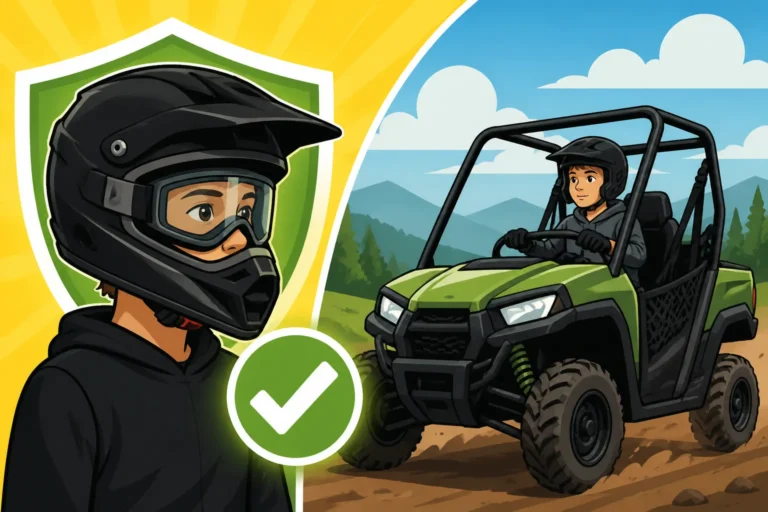
- Gear Check: Before every ride, ensure they have all their safety gear on correctly: a properly fitted helmet, eye protection, long sleeves and pants, gloves, and sturdy boots. These aren't just suggestions; they're vital. Consult [North Carolina Helmet Law for ATV Riders] and [North Carolina Eye Protection Requirement] for details.
Common Pitfalls and How to Avoid Them
Even with the best intentions, it's easy to fall into common traps when supervising young riders. Recognizing these pitfalls is the first step to avoiding them and ensuring continuous visual supervision isn't just a goal, but a consistent reality.
The Illusion of "Close Enough"
One of the most tempting pitfalls is believing that "close enough" is sufficient. As kids gain experience and confidence, or as parents get more comfortable with their child's riding abilities, the temptation to relax strict supervision can grow. You might think, "Oh, they're just over that rise, I can hear them," or "They know this path like the back of their hand."
This is a dangerous illusion. The law, and indeed common sense for safety, doesn't make exceptions for rider skill or familiarity with the terrain. "Continuous visual supervision" means always seeing them. That brief moment your child is out of sight is when a deer could dart out, a tire could blow, or they could simply make a beginner's mistake. It’s during these "close enough" moments that the most unpredictable and regrettable incidents can occur. Resist the urge to let your guard down; your child's safety is worth the constant vigilance.
Distractions While Supervising
Let's be real, parents are busy people. It's incredibly challenging to dedicate 100% of your focus to one task for an extended period. But when you're supervising a young ATV rider, distractions are not just an annoyance; they're a direct threat to safety.
Think about it:
- Cell Phones: The ubiquitous smartphone is perhaps the biggest culprit. A quick check of a text, an email notification, or even taking a call can pull your eyes and attention away from your child for critical seconds or even minutes.
- Conversations with Other Adults: If you're riding with friends or other family members, it's natural to engage in conversation. However, this can divert your focus from actively scanning the environment and observing your child.
- Other Children or Responsibilities: If you have multiple children, or if you're trying to multitask with other chores or activities while supervising, your attention can be fragmented.
To truly provide continuous visual supervision, you need to be as engaged in the riding experience as your child. This means putting away the phone, dedicating that time solely to supervision, and, if you have other responsibilities, delegating them or choosing a different time for your child to ride. Your full, undivided attention is the most powerful safety tool you possess.
Understanding Age-Specific Requirements
While the "continuous visual supervision" rule is often applied broadly for young riders, it's particularly stringent for those under a certain age in North Carolina. The state has specific guidelines, and being aware of these nuances can help you stay compliant and, most importantly, keep your child safe.
For instance, children under 16 years of age typically need direct supervision. It's not just a recommendation; it's a legal requirement designed to ensure an adult can physically intervene if necessary. This often goes hand-in-hand with safety certificate requirements for those born on or after a certain date. You'll find specific details related to age and ATV riding in articles like [North Carolina Minimum Age to Ride an ATV]. Knowing these exact rules is crucial because what might be permissible for a 15-year-old could be entirely different for an 8-year-old.
To help clarify some of these age-related distinctions for general riding, here's a quick reference:
| Age Group (General Guide) | Supervision Requirement | Key Considerations |
|---|---|---|
| Under 8 years old | Prohibited from riding ATVs in North Carolina | No riding on public or private land (with exceptions for very specific farm use). |
| 8 to Under 16 years old | Continuous Visual Supervision by an adult 18+ | Must be on age-appropriate machine; safety certificate may be required depending on birth year. |
| 16 years and older | No mandated continuous visual supervision by law | Still encouraged for less experienced riders; helmet & eye protection rules may apply. |
Note: This table provides a general overview. Always consult the latest North Carolina regulations for precise details, as specific exceptions may apply (e.g., for farm use with specific machine types). The safety certificate requirement for those born after a certain date is critical and is covered in depth in [North Carolina ATV Safety Certificate Requirements].
By understanding and actively applying these strategies, you can ensure that your young rider has a fantastic, safe, and legal experience on their ATV in the beautiful North Carolina outdoors.
Disclaimer
This article is for general informational purposes only and does not constitute professional advice. Laws, prices and regulations vary by location and change over time. Consult a qualified professional for guidance on your specific situation.