Do Seventeen-Year-Olds Need Goggles in North Carolina?
Riding an ATV or UTV in North Carolina can be an exhilarating experience, but the myriad of rules and regulations, especially concerning minors and specific safety gear, often leaves riders and parents scratching their heads. It’s particularly confusing when trying to figure out if a 17-year-old needs goggles, or if the rules change depending on where they’re riding. This guide aims to clear up that confusion, providing a comprehensive look at eye protection and other critical safety requirements for young riders in the Tar Heel State.
Eye Protection Requirements for Riders in North Carolina
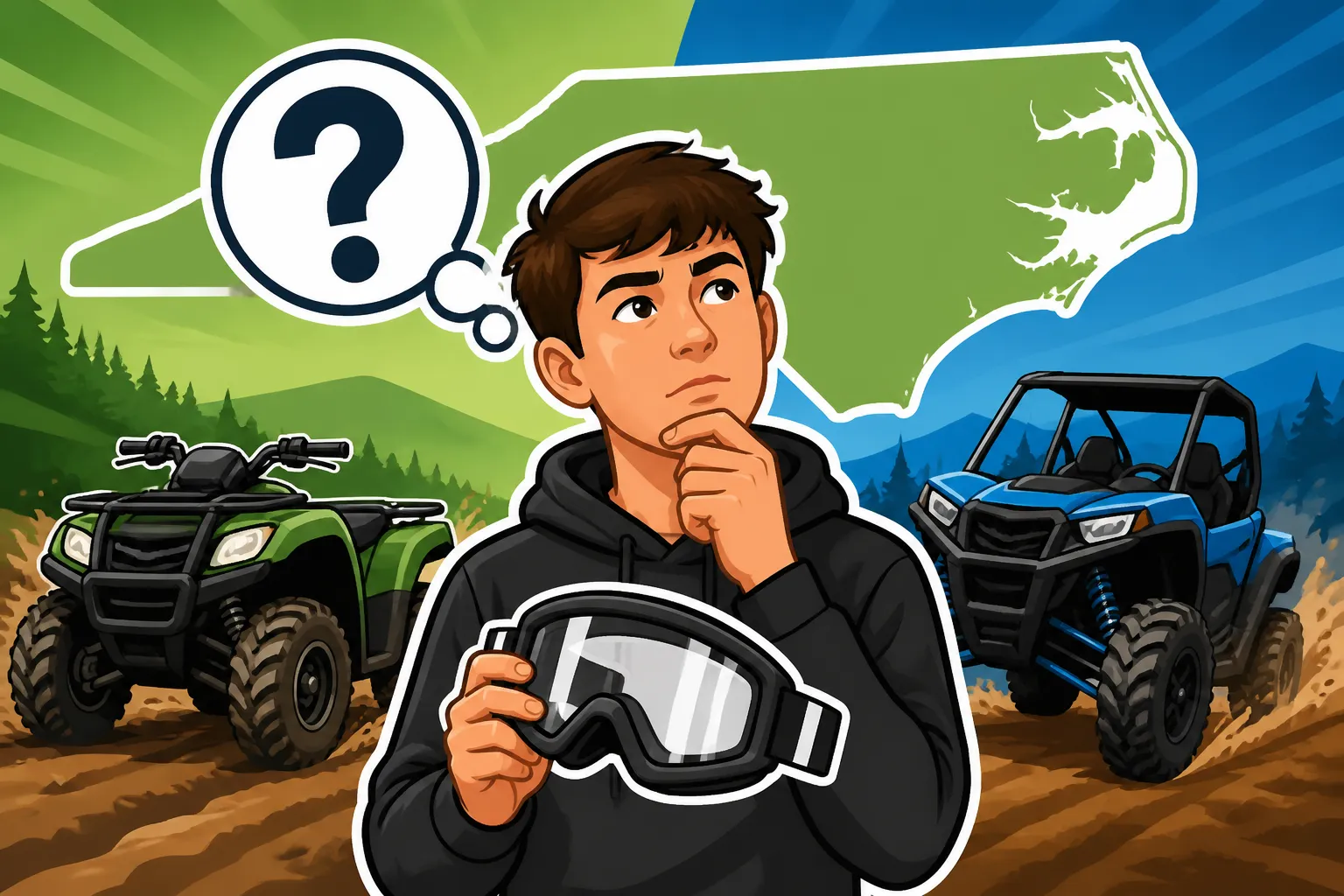
Let's dive right into the core of your question: do 17-year-olds need goggles in North Carolina? The short answer, straight from the North Carolina General Statutes, is yes, under specific circumstances. It's not just about age, but also about the type of riding and the rider's overall head protection. The law focuses heavily on ensuring safety, especially for those who might be less experienced or more vulnerable.
North Carolina law states that anyone operating or riding as a passenger on an ATV under the age of 18 must wear a safety helmet and eye protection. This isn't just a suggestion; it's a legal requirement designed to protect young riders from serious injury. So, for a 17-year-old, whether they're behind the handlebars or enjoying the ride as a passenger, eye protection is non-negotiable. This regulation applies to riding on public lands, designated trails, and even sometimes on private property depending on specific agreements or circumstances. The intent is clear: protect those vulnerable eyes from flying debris, dust, insects, and anything else that can impair vision or cause injury while riding.
It’s crucial to understand that this rule isn't just about avoiding a ticket. ATV riding inherently comes with risks, and vision is paramount. Imagine hitting a dusty section of trail or having a small branch snap back unexpectedly. Without proper eye protection, a momentary loss of vision could lead to a serious accident. This is why products from reputable brands, perhaps even those found at SuperATV, are so important. They offer clear, impact-resistant lenses that can make all the difference in maintaining safe sightlines on the trail. For a deeper dive into what the state mandates, you can look into the broader [North Carolina Eye Protection Requirement].
Understanding North Carolina's Age-Based Riding Rules
North Carolina has a clear framework of rules designed to keep younger riders safe, and these rules are often tied directly to a rider's age. While the focus of our primary question is on 17-year-olds and goggles, it's helpful to understand the full spectrum of these age-related mandates. This broader context helps clarify why certain rules apply and how they interact.
Helmet and Eye Protection for Minors
As mentioned, riders under 18 years old are specifically required to wear both a safety helmet and eye protection. This rule applies regardless of whether they are operating the ATV or riding as a passenger. This means if you have a 17-year-old who is new to riding, or even one with years of experience, they must always don a DOT-approved helmet and proper goggles or a full-face helmet with a shatter-resistant visor. This isn't just about covering the bases; it’s about providing a robust layer of defense against potential head and facial injuries, which are tragically common in ATV accidents. You can find more comprehensive details on this aspect in [North Carolina Helmet Law for ATV Riders].
The specific type of eye protection matters, too. Sunglasses or prescription glasses alone often don't provide sufficient protection against impact or dust from all angles. Dedicated ATV goggles are designed to seal around the eyes, preventing debris from entering, and are built with durable, anti-fog lenses for consistent visibility. A full-face helmet with an integrated visor can also fulfill this requirement, as long as the visor is in good condition and offers clear, unobstructed vision.
General Age Limits and Supervision
Beyond gear, North Carolina law also sets out specific age requirements for operating ATVs. For instance, children under the age of eight are legally prohibited from operating an ATV. This rule is in place because younger children typically lack the physical strength, coordination, and judgment necessary to safely control such a powerful machine. It's a critical safety measure that parents and guardians must strictly adhere to. You can learn more about this in [North Carolina Minimum Age to Ride an ATV].
For riders between the ages of 8 and 16, there are additional layers of protection, primarily focused on supervision. These riders must be under the continuous visual supervision of an adult. This means an adult must be able to see the child at all times while they are riding, ensuring they are operating the machine safely and can intervene if needed. This isn't just about being in the same general area; it means actively watching and being ready to respond. This rule underscores the state's commitment to preventing accidents among its youngest riders and is detailed further in [North Carolina Rules for Riders Under 16].
For 17-year-olds, while the strict "continuous visual supervision" rule might not apply in the same way it does for younger children, the underlying expectation is still responsible riding. They are on the cusp of adulthood, but legally, for ATV safety, they are still considered minors and thus subject to the helmet and eye protection mandates.
Safety Certificate Requirements
Another significant age-based rule relates to safety education. In North Carolina, any person born on or after January 1, 1990, who operates an ATV on public lands, must possess a valid ATV safety certificate. This certificate is earned by completing an approved ATV safety course. This rule applies to 17-year-olds born after this date, meaning most 17-year-olds today would fall under this requirement. This certification ensures that riders have a foundational understanding of safe ATV operation, rules of the trail, and emergency procedures. Even if you're an experienced rider, these courses often highlight things you might not have considered. You can find out more about where to get certified and what's covered in [North Carolina Safety Certificate Requirements].
It’s important to note that these courses are designed to instill a culture of safety, covering everything from pre-ride inspections to proper turning techniques. This formal education complements the protective gear requirements, creating a more holistic approach to rider safety.
Essential Safety Equipment for All North Carolina Riders
While we've focused on the specific needs of 17-year-olds and eye protection, it's vital to remember that a comprehensive approach to safety gear benefits all riders, regardless of age or experience level. North Carolina's regulations, while specific for minors, are built on principles that every rider should embrace. Ignoring safety gear is not just risky; it can turn a fun day into a life-altering event.
Helmets: The Non-Negotiable Necessity
For anyone under 18, a DOT-approved helmet is legally required. However, common sense and a wealth of accident statistics suggest that everyone should wear a helmet. A properly fitted helmet significantly reduces the risk of head injury, which is often the most severe outcome in an ATV accident. When choosing a helmet, ensure it meets Department of Transportation (DOT) standards. This certification guarantees a certain level of impact protection. Look for helmets designed specifically for off-road use, as they often feature visors to block sun and roost, and offer better ventilation for strenuous riding.
Considering the diverse terrain across North Carolina, from the sandy trails around Badin Lake to the rocky climbs of Wayehutta, the type of helmet you choose can also impact your comfort and endurance. Many riders prefer modular or full-face helmets for their comprehensive protection and integrated eye shields, while others opt for motocross-style helmets with separate goggles for better airflow. For those looking for robust options, exploring retailers with a wide selection, like SuperATV, can help you find gear that perfectly matches your riding style and protection needs. For more on general requirements, see [North Carolina Equipment Rules for ATVs].
Eye Protection for Everyone
While legally mandated for those under 18, wearing eye protection is a smart choice for all riders. Dust, dirt, mud, branches, and insects are constant companions on the trail. A simple splash of mud could temporarily blind you, leading to a loss of control. Goggles or a full-face helmet with a visor protect your eyes from these hazards, ensuring you maintain clear vision. When selecting goggles, consider features like anti-fog coatings, tear-off posts for muddy conditions, and a comfortable fit with your helmet.
Gloves and Boots: Protecting Extremities
Hands and feet are often the first parts of the body to make contact with the ground or obstacles in an accident. Robust gloves offer protection from scrapes, cuts, and blisters, while also improving grip on the handlebars. They're especially useful during long rides or in wet conditions. Similarly, sturdy over-the-ankle boots protect your feet and ankles from impacts, provide stability, and prevent them from slipping off the footpegs. Think about the rough terrain and potential for impact; sneakers just won't cut it. This is about preventing sprains, breaks, and deep cuts.
Long Sleeves and Pants
Even on a hot day, wearing long sleeves and pants made of durable material is highly advisable. This simple measure provides a barrier against abrasions, cuts, and scrapes from branches, rocks, and falls. Denim jeans and a thick long-sleeved shirt can offer basic protection, but specialized riding gear is designed with abrasion-resistant fabrics and often includes integrated padding for knees, elbows, and shoulders, offering superior protection.
Chest Protectors and Knee Pads
For more aggressive riding or for younger, more vulnerable riders, adding a chest protector and knee pads can provide significant additional protection. A chest protector guards against impacts to the chest and back, which can be critical in preventing serious internal injuries. Knee pads protect one of the most common injury sites for ATV riders. These items are not legally required for adults but are highly recommended for anyone, especially children and teenagers, riding on challenging trails or at higher speeds.
Here’s a quick overview of key safety gear by age group in North Carolina:
| Item | Under 8 | 8-15 Years Old (Under Supervision) | 16-17 Years Old | 18+ Years Old |
|---|---|---|---|---|
| Helmet (DOT-approved) | Prohibited from riding | Required | Required | Highly Recommended |
| Eye Protection | Prohibited from riding | Required | Required | Highly Recommended |
| Long Sleeves/Pants | Prohibited from riding | Recommended | Recommended | Recommended |
| Over-Ankle Boots | Prohibited from riding | Recommended | Recommended | Recommended |
| Gloves | Prohibited from riding | Recommended | Recommended | Recommended |
| Safety Certificate | Prohibited from riding | Required (if born Jan 1, 1990 or after) | Required (if born Jan 1, 1990 or after) | Required (if born Jan 1, 1990 or after) |
| Adult Supervision | Prohibited from riding | Required | Not Legally Required | Not Legally Required |
Where These Rules Apply and Why They Matter
Understanding where these rules apply is just as important as knowing what the rules are. North Carolina's ATV laws generally apply to public lands, including designated OHV (Off-Highway Vehicle) trail systems within national forests like the Uwharrie National Forest, where you might visit trails such as those around Badin Lake or Brown Mountain. They also apply to any riding that might occur on public property, even if it's not a designated trail.
Public Lands and Designated Trails
When you're out exploring places like the Brown Mountain OHV Trail System or the Wayehutta OHV trails, these state laws are in full effect. Forest Service officers and local law enforcement are authorized to enforce these regulations, and non-compliance can result in citations and fines. For example, if a 17-year-old is caught riding on a public trail without eye protection, they could face a fine, and their parents or guardians could also be held responsible. This isn't just about revenue for the state; it's about discouraging dangerous behavior that can lead to serious injury or even death.
These rules are a crucial part of maintaining the safety and sustainability of our shared riding areas. They help ensure that everyone, particularly our younger riders, can enjoy the sport responsibly. This is also why many trail systems will have specific signs or pamphlets detailing required safety gear. Learning about [Where to Ride an ATV in North Carolina] will give you a better sense of these environments.
Private Property Considerations
While the state's statutes primarily govern public land use, safety practices should extend to private property as well. Legally, the explicit helmet and eye protection rules for minors generally don't apply to private land unless there's a specific local ordinance or the landowner has their own set of rules. However, from a practical and ethical standpoint, the risks of riding without proper gear don't diminish just because the land is private.
Many responsible parents and guardians insist on the same safety gear for their children on private land as they would on public trails. After all, a fall on a private farm field can be just as dangerous as one on a national forest trail. Encouraging consistent safety habits, regardless of location, is the best way to instill a lifelong commitment to responsible riding. Additionally, if you're riding on private land that is part of a club or commercial park, they will almost certainly have their own strict safety requirements that mirror or exceed state laws. You can explore this further in [North Carolina Rules for Riding Private Land].
The Rationale Behind the Regulations
So, why all these rules, particularly for younger riders and specific gear like goggles? It boils down to a few key factors:
- Vulnerability: Children and teenagers, especially those under 18, are generally more susceptible to severe injuries in an accident due to developing bodies and potentially less developed judgment and risk assessment skills.
- Accident Statistics: Unfortunately, ATV accidents involving minors are a significant concern. Safety equipment like helmets and eye protection dramatically reduces the severity of injuries.
- Preventative Measures: The laws are designed to be preventative, aiming to reduce the overall number of injuries and fatalities associated with ATV use.
- Promoting Responsible Riding: By mandating safety gear and education, North Carolina encourages a culture of responsible off-road recreation.
When you invest in high-quality gear, whether it's a new set of goggles or a full helmet, you're not just complying with the law; you're investing in the safety and well-being of the rider. Think about the clear vision provided by a quality pair of SuperATV goggles when you're navigating a tricky section of trail—that's peace of mind you can't put a price on. The state's regulations are there to enforce what is, ultimately, good common sense when it comes to riding ATVs safely.
Disclaimer
This article is for general informational purposes only and does not constitute professional advice. Laws, prices and regulations vary by location and change over time. Consult a qualified professional for guidance on your specific situation.