Bringing a Machine From Tennessee
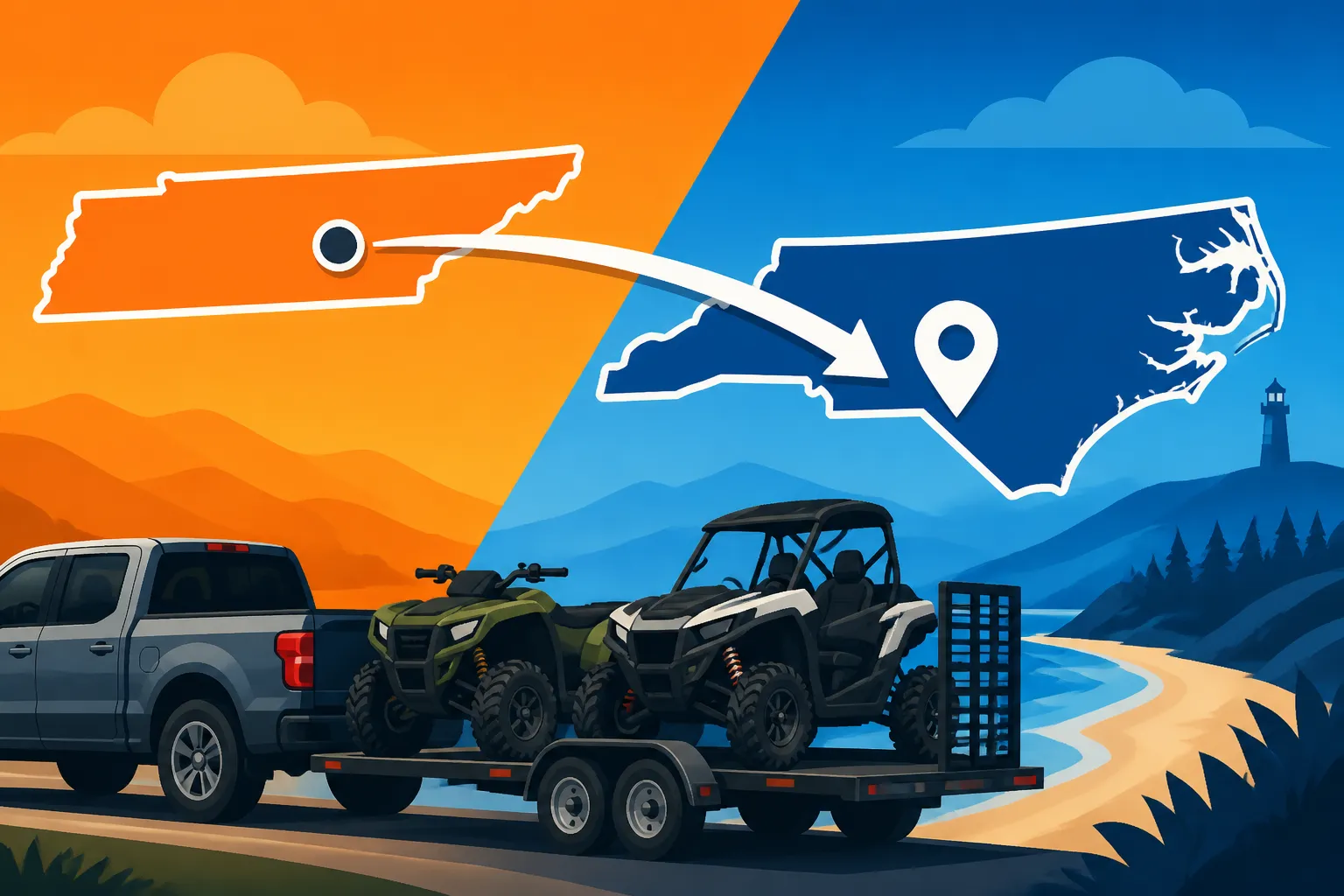
Moving your beloved ATV or UTV across state lines can feel like navigating a maze, especially when you're coming from Tennessee to North Carolina. You've got your machine, you're ready to hit the trails, but suddenly you're wondering about titles, registrations, and all sorts of paperwork that wasn't a big deal back home. This guide will walk you through exactly what you need to do to get your Tennessee-purchased off-road vehicle properly titled in the Tar Heel State, cutting through the confusion and getting you ready to ride.
Understanding North Carolina's Approach to Off-Road Machines
One of the biggest sources of confusion for folks moving to North Carolina with their ATVs and UTVs is the state's unique stance on off-road vehicle documentation. What might have been standard practice in Tennessee could be completely different here, and it's essential to understand these distinctions from the get-go.
The Lack of ATV Registration in North Carolina
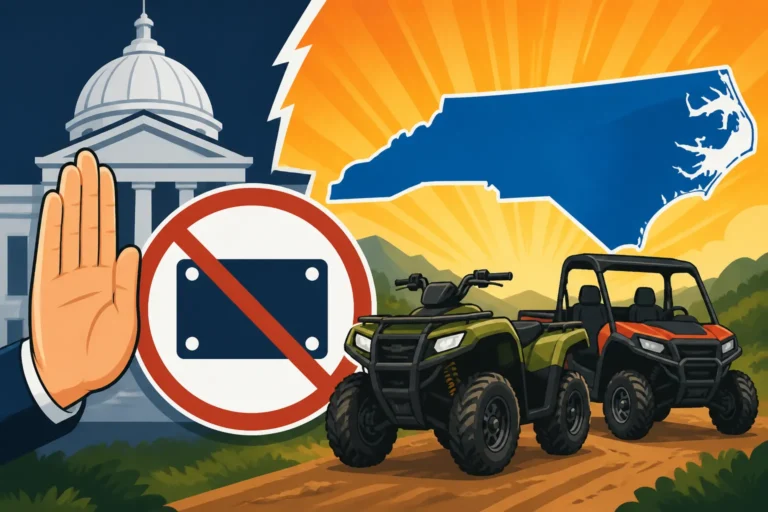
Let's get this out of the way upfront: North Carolina does not have a statewide registration system for off-road vehicles like ATVs and UTVs. This can be a real head-scratcher if you're coming from a state like Tennessee, which might have its own specific registration requirements or trail permits that feel a lot like registration. Many riders assume that if they're bringing a machine into a new state, they'll just re-register it, much like they would a car. Not so in North Carolina.
Because there's no overarching state database of registered ATVs, you won't be getting a license plate or a yearly sticker for your machine to signify its legal status for off-road use. This doesn't mean your machine is in some sort of legal limbo; it simply means the state has chosen a different path. While some states have specific OHV decals or tags you affix to your machine, North Carolina operates without them. If you're curious about this unique situation, you might find our article on [Why North Carolina Has No ATV Registration] illuminating.
Why Titling Your Tennessee Machine Is Still Important in North Carolina
Even though registration isn't a thing for ATVs and UTVs in North Carolina, titling absolutely is. Think of a title as the official paper proving you own your off-road machine, just like the title for your car or truck. It's not about permitting your machine to ride on specific trails, but about establishing legal ownership.
Having a North Carolina title for your ATV or UTV is incredibly important for several practical reasons. First and foremost, it provides undeniable proof that the machine belongs to you. This is crucial if your ATV is ever stolen; without a title, proving ownership can become a bureaucratic nightmare. It also makes selling your machine much easier down the road, as most buyers will, and should, insist on a clear title. Furthermore, if you ever plan to use your machine as collateral for a loan, or if you need to secure financing for an upgrade, lenders almost universally require a title. Without one, you might find yourself hitting roadblocks. Our guide on [Why a North Carolina Title Is Worth Having] goes into more depth on this. So, while you might not have to register it, getting that North Carolina title for your Tennessee machine is a critical step for peace of mind and future flexibility.
Essential Paperwork for Your Tennessee ATV/UTV in North Carolina
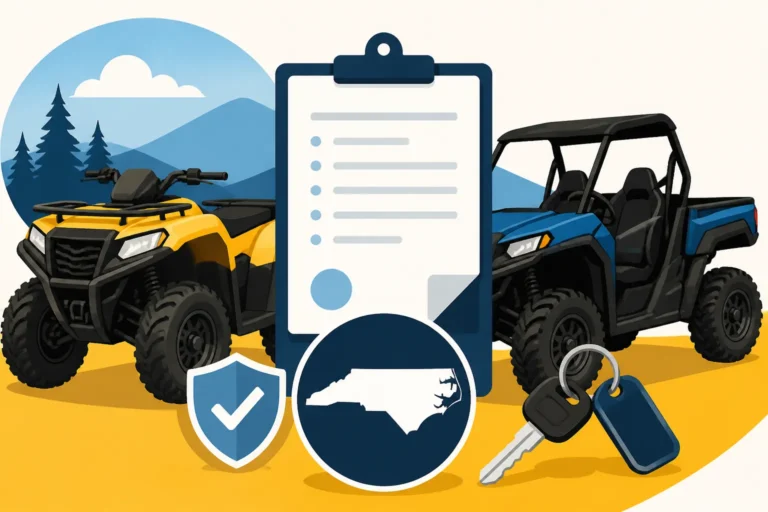
Now that we understand North Carolina's philosophy on off-road machines, let's dive into the nitty-gritty: the actual documents you'll need to gather and complete to get your Tennessee ATV or UTV properly titled here. This isn't just about showing up with your machine; it's about proving its lineage and legal status.
Your Tennessee Title or Bill of Sale
The foundation of titling your machine in North Carolina starts with proving you legally owned it in Tennessee. The absolute best-case scenario is if you have a clean, clear Tennessee title in your name. This document is gold. It unequivocally states who the owner is and confirms that there are no outstanding liens or claims against the machine. When you bring this to the North Carolina Department of Motor Vehicles (NCDMV), it serves as your primary proof of ownership, making the process relatively straightforward.
However, sometimes it's not that simple. Maybe you bought your machine years ago, and Tennessee didn't require titles for certain types of ATVs, or perhaps you just never got around to formally titling it there. Or, worse yet, your original Tennessee title is lost to the ages. In these situations, a robust bill of sale becomes your next best friend. This document needs to clearly identify the seller and buyer, detail the machine (make, model, VIN), and state the purchase price and date. If you're in a pinch and need to create a retrospective bill of sale with the seller's cooperation, or if your existing one is flimsy, a reputable online service like LawDepot can help you generate a comprehensive and legally sound document that will likely satisfy the NCDMV. It’s always best to have as much detail as possible. If you're navigating buying a used machine, even if it's your own "used" machine coming from another state, our article on [Buying a Used ATV in North Carolina] offers some helpful context.
North Carolina DMV Forms You'll Need
Once you have your Tennessee proof of ownership in hand, you'll need to tackle the specific North Carolina DMV forms. These are standard forms used for any vehicle titling process, but there are a couple of key ones relevant to off-road machines.
First up is Form MVR-1, the Application for Certificate of Title. This is your main application where you'll provide all the details about yourself and your ATV or UTV, including its make, model, year, and VIN. You'll also declare the purchase price, which is vital for calculating the Highway Use Tax (more on that in a moment). Take your time filling this out, ensuring all information is accurate and legible. Our guide on [North Carolina Title Application on Form MVR-1] provides a detailed walkthrough.
Next, you might need Form MVR-1A, the Damage Disclosure Statement. This form is required for vehicles less than seven years old. It asks you to disclose any unibody or frame damage that totals 25% or more of the vehicle's market value. Even if your ATV has seen some rough trails, this typically applies to major structural damage. If your machine is older than seven years, or if it hasn't sustained such significant damage, you likely won't need to worry about this one. You can read more about this on [North Carolina Damage Disclosure on Form MVR-1A].
Finally, for off-road vehicles specifically, you'll need to submit Form MVR-59, the Off-Road Vehicle Certification. This form is critical because it officially certifies that your machine is, in fact, an off-road vehicle and not intended for highway use. It asks for basic information about your machine and your acknowledgment that it's designed for off-road activities. This helps the NCDMV categorize your machine correctly and ensures you're not inadvertently trying to title a street-legal vehicle under the ATV guidelines. Understanding [North Carolina Form MVR-59 Explained] will help you complete it correctly.
Verifying the Vehicle Identification Number (VIN)
The Vehicle Identification Number (VIN) is the unique fingerprint of your ATV or UTV. When you're bringing a machine from Tennessee to North Carolina, the NCDMV will want to verify this number against your documentation. It's absolutely crucial that the VIN on your Tennessee title or bill of sale matches the VIN physically stamped on your machine.
Before you even head to the DMV, take a moment to locate and visually inspect the VIN on your ATV or UTV. It's usually found on the frame, often near the steering column, on the engine casing, or on a cross-member. Ensure it's clear, readable, and free from any signs of tampering. If the VIN is obscured by dirt, rust, or even a sticker, clean it thoroughly. If for some reason the VIN is difficult to read, or appears to be missing or altered, you will likely face significant delays and additional scrutiny at the NCDMV. In some cases, they may require a physical inspection by a law enforcement officer or a DMV inspector to verify the VIN's authenticity. This step is a non-negotiable part of the titling process, as it prevents fraud and ensures the machine isn't stolen. Our article on [Checking a VIN Before a North Carolina Purchase] offers valuable advice that applies equally to your existing machine.
Understanding Costs and Where to Title Your Machine
Beyond the paperwork, there's the practical matter of costs and where to actually go to get all this done. Nobody likes surprise fees, so let's break down what you can expect to pay and the best places to finalize your ATV or UTV's North Carolina title.
The North Carolina Highway Use Tax
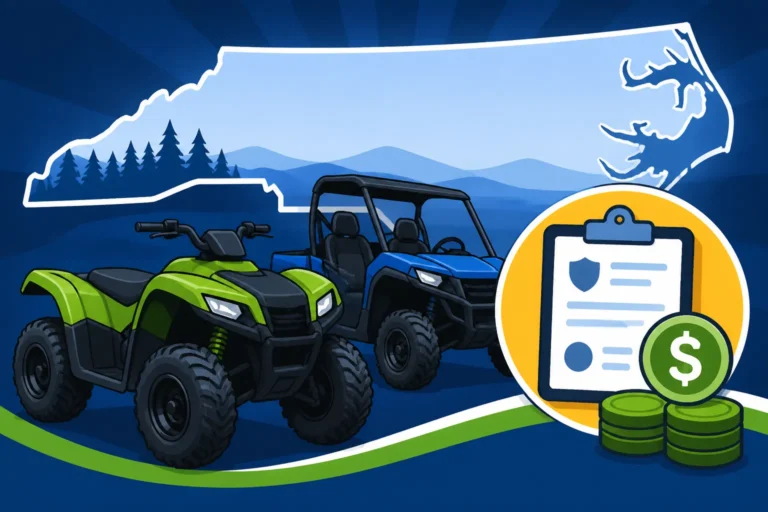
Unlike a traditional sales tax that you might have paid at the point of sale in Tennessee, North Carolina assesses what's called a Highway Use Tax when you title your off-road machine in the state. This is a very important distinction because it's levied not at the time you buy the machine, but when you present it for its first North Carolina title. It doesn't matter if you've owned the machine for years; if it hasn't been titled in NC before, this tax applies.
The Highway Use Tax in North Carolina is typically 3% of the machine's retail value, with a maximum cap that applies to very high-value vehicles (though most ATVs and UTVs fall below this cap). The NCDMV will determine the retail value based on the purchase price you declare on your MVR-1 form, or sometimes by consulting established valuation guides if they suspect the declared price is significantly lower than market value. So, if you declare a purchase price on your Tennessee bill of sale, that's usually the figure they'll use for calculation. This tax is specifically designed to contribute to the state's highway fund, even though ATVs and UTVs aren't generally allowed on public roads. It's a key part of the cost of bringing your machine into the North Carolina titling system. We have more information about [North Carolina's 3 Percent Highway Use Tax] and [3 Percent of Retail Value in North Carolina] if you're looking for extra details.
Other Fees to Expect
In addition to the Highway Use Tax, you'll also encounter a few other minor fees during the titling process. The primary one is the actual title fee itself. This is a fixed, relatively small charge for the administrative cost of processing your title application and issuing the physical title document.
You might also encounter notary fees. While many forms, particularly the MVR-1 and MVR-59, don't always require notarization if you are present to sign them in front of a DMV agent, certain circumstances or specific forms might necessitate it. For example, if you're unable to appear in person and someone else is submitting paperwork on your behalf, or if you're using a generic bill of sale from a source like LawDepot that might benefit from notarization for added credibility, you might need to visit a notary. Notary services are widely available at banks, credit unions, and often at local tag agencies for a small fee. While these additional fees are generally modest, it’s always good to be aware of them so you're not caught off guard. For a comprehensive look at the costs involved, check out [What North Carolina Charges for an ATV Title].
Where to Complete the Titling Process
So, where do you actually go to get all this done? Your journey will lead you to a North Carolina Department of Motor Vehicles (NCDMV) office or, more conveniently, one of the many authorized NCDMV tag agencies located throughout the state.
While you can go to a main NCDMV office, for most people, a local tag agency is the preferred option. These are typically privately owned businesses that are authorized by the NCDMV to handle vehicle registrations and titling services. They often have shorter wait times, more convenient hours, and a generally more customer-friendly atmosphere than the larger DMV offices. You can usually find them in shopping centers or commercial districts. They act as a one-stop shop for submitting your MVR-1, MVR-59, and any other required forms, paying your Highway Use Tax and title fees, and getting your temporary registration. They'll also verify your VIN and process your application. You can often walk out with a temporary title application receipt on the same day, while your official title certificate will be mailed to you later. To find the nearest location and get some tips, take a look at our article on [Where to Title an ATV in North Carolina]. Many folks find it easiest to handle the entire transaction, even if it's just for their own machine, at these tag offices, as detailed in [Closing a Sale at a Tag Office].
Common Hurdles and How to Overcome Them
Bringing an ATV or UTV from another state isn't always a perfectly smooth road. There are a few common bumps that riders often hit, especially when dealing with paperwork or past ownership situations. But don't worry, there's usually a way around them.
Lost or Missing Tennessee Paperwork
This is perhaps the most common headache: you've got your machine, you know you own it, but the original Tennessee title or a solid bill of sale has vanished. Perhaps it was misplaced during a move, or maybe it was an older machine that just never had a formal title to begin with in Tennessee.
If your Tennessee title is simply lost, your first step should be to contact the Tennessee Department of Revenue or their equivalent vehicle services agency. They should have a record of your title and can guide you through the process of obtaining a duplicate. Be prepared for a fee and a waiting period. If you can't get a duplicate title, or if your machine was never titled in Tennessee, then a robust bill of sale becomes paramount. It needs to clearly show the transfer of ownership from the previous owner to you. If you need to reconstruct this, try to get in touch with the person you bought the machine from in Tennessee. A notarized bill of sale, possibly created using a template from a service like LawDepot, signed by both you and the original seller, can often serve as sufficient proof of ownership in North Carolina, especially if accompanied by other supporting documents like old registration cards or proof of insurance. Don't be afraid to take the initiative to create a strong document if your original is lacking; the NCDMV needs clear evidence. For more on what North Carolina expects in terms of sales documents, see [North Carolina ATV Bill of Sale Requirements].
Machines Bought Without a Title in Tennessee
In some states, especially for older or lower-value off-road machines, a formal title might not have been issued or required. This can be a real quandary when you're trying to title it in North Carolina. You might be accustomed to just riding with a bill of sale, or perhaps even just a handshake, but North Carolina's DMV needs more official proof for titling purposes.
If you bought your ATV or UTV without a title in Tennessee, the most critical piece of documentation you can present is a detailed, signed, and preferably notarized bill of sale. This document acts as your primary proof of ownership. It needs to list the full names and addresses of the buyer and seller, the date of sale, the full VIN of the machine, and the purchase price. The more information, the better. If you can track down the person you bought it from, getting their cooperation to create a comprehensive bill of sale is your best bet. A generic bill of sale from a trusted provider like LawDepot can be a real asset here, offering a clear format for all the necessary details. Without some form of official documentation proving your ownership chain, the NCDMV might be hesitant to issue a title. It's a common issue, and our article [Buying a Quad Advertised With No Paperwork] delves into the complexities of these situations.
Titling a Machine With a Lien
If you financed your ATV or UTV in Tennessee and still owe money on it, the titling process in North Carolina will have an extra step. In most financing arrangements, the lender (a bank, credit union, or dealership) holds the original title or has their lien recorded on it. This means they legally have a claim on the machine until you've paid off the loan.
Before North Carolina will issue a clean title in your name, you'll need to satisfy that lien. This typically involves paying off your loan with the Tennessee lender. Once the loan is paid in full, the lender will provide you with a lien release document. This official document confirms that their claim on your machine has been satisfied. You will then need to present this lien release along with your Tennessee title (if the lender held it) and your other North Carolina titling paperwork to the NCDMV. They will then process your application and issue a new North Carolina title that shows no outstanding liens. It’s a bit of a dance between states and financial institutions, but it's a necessary step to secure your clear North Carolina title. If you're dealing with this, you'll want to read up on [Titling a Machine With a Lien in North Carolina] and [North Carolina ATV Lien Release].
Here's a quick overview of what to bring:
| Document | Source | Purpose | Notes |
|---|---|---|---|
| Original Tennessee Title | Tennessee DOR | Primary proof of ownership from previous state | Must be in your name, or properly signed over. |
| Detailed Bill of Sale | Previous Owner / LawDepot | Proof of ownership if no TN title or if title is lost | Include VIN, buyer/seller info, date, price. Notarization recommended. |
| North Carolina Form MVR-1 | NCDMV | Application for Certificate of Title in NC | Fill out completely and accurately. |
| North Carolina Form MVR-1A (if applicable) | NCDMV | Damage Disclosure Statement (for machines < 7 years old) | Disclose significant frame/unibody damage. |
| North Carolina Form MVR-59 | NCDMV | Off-Road Vehicle Certification | Certifies your machine for off-road use only. |
| Lien Release (if applicable) | TN Lender | Proof that any existing loan on machine is satisfied | Required if a lien was recorded on the TN title. |
| Valid Photo ID | You | For verification of applicant's identity | Driver's License or State ID. |
| Proof of North Carolina Residency | You | Utility bill, lease, etc. (sometimes requested) | Not always required, but good to have on hand. |
Disclaimer
This article is for general informational purposes only and does not constitute professional advice. Laws, prices and regulations vary by location and change over time. Consult a qualified professional for guidance on your specific situation.