North Carolina Rules for a Machine Over 58 Inches
It's incredibly frustrating when you invest in a robust, wider ATV or UTV, dreaming of adventure or getting work done, only to discover that its very dimensions might complicate where and how you can legally ride it on North Carolina's public roads. Many riders find themselves in a bind, confused about whether their favorite side-by-side or heavily modified quad falls into a legal gray area. This guide is here to untangle the complexities surrounding North Carolina's rules for machines that exceed the common 58-inch width limit, helping you understand your options and avoid potential legal headaches.
The Challenge of Wider ATVs and UTVs on North Carolina Roads
North Carolina has some unique perspectives on off-highway vehicles (OHVs), and one of the most impactful rules for owners of larger machines revolves around width. Unlike some states that might broadly classify anything with four wheels and an engine as an ATV, North Carolina drills down into specific dimensions, especially when public roads enter the picture. For many of us who love the power and stability of a wider rig, this creates a significant hurdle, making casual road crossings or linking trails a genuine concern.
Why 58 Inches Is a Critical Threshold
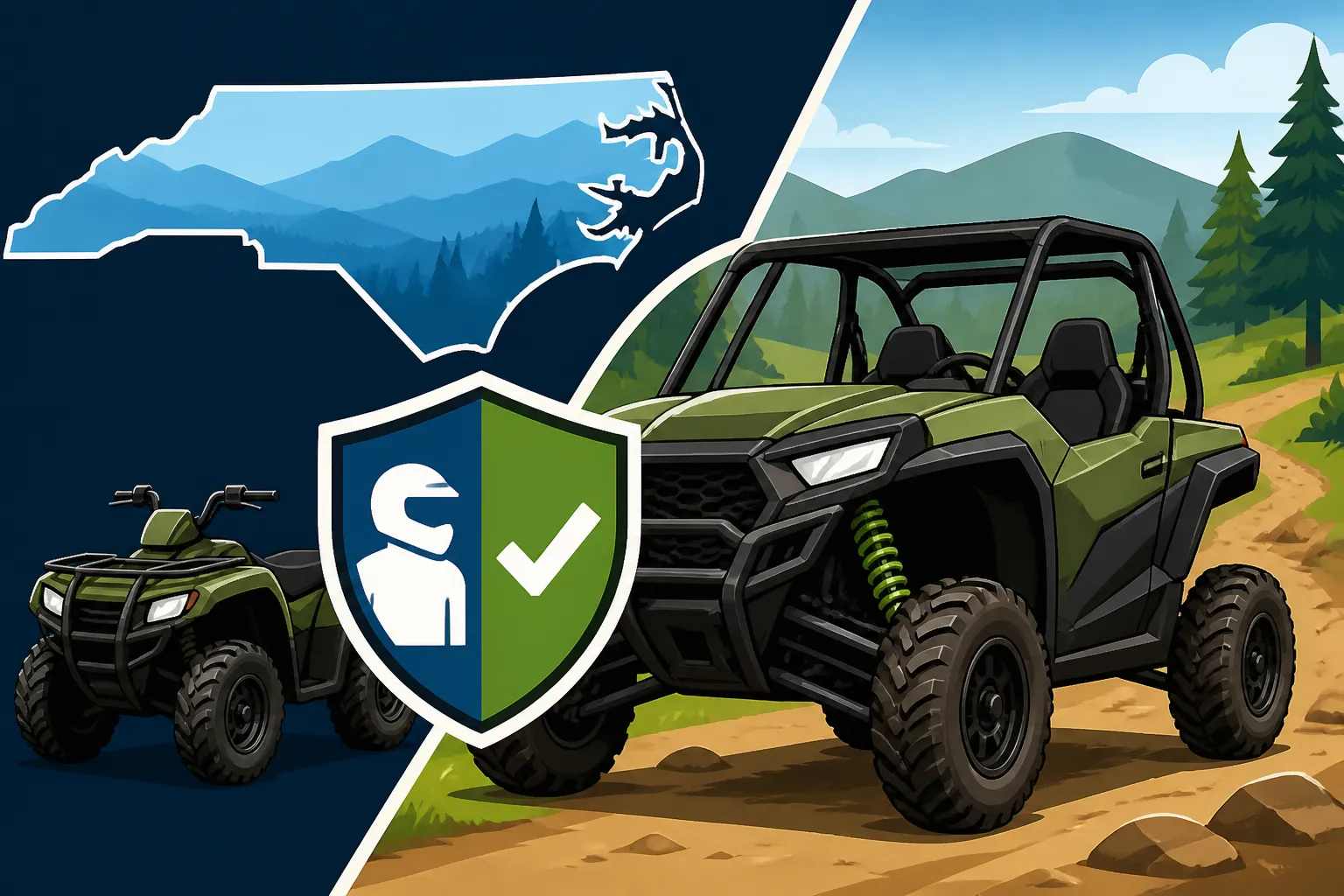
The 58-inch measurement isn't just an arbitrary number pulled out of thin air; it's deeply rooted in how North Carolina defines what an All-Terrain Vehicle (ATV) actually is. For a long time, and still in many common understandings, a traditional ATV was seen as a single-rider machine, generally narrower, designed primarily for off-road use. When side-by-sides (UTVs) started gaining popularity, offering more seating and cargo capacity, their inherent width often pushed them beyond what the state considered a conventional ATV. This distinction became critical because the rules governing ATVs are vastly different from those for street-legal vehicles.
Essentially, if your machine is over 58 inches wide, it immediately falls outside the traditional definition of an "all-terrain vehicle" as outlined in North Carolina statutes. This doesn't mean it's illegal to own or ride off-road, but it certainly complicates any aspiration of riding it on a public road, even for a short stretch. Many riders, especially those new to the state or to the world of UTVs, don't realize this distinction until they're trying to figure out how to get their pride and joy to the local store for supplies or across a paved road to another section of trail. It's a fundamental understanding that shapes all further discussions about road legality.
The Impact on Standard ATV Definitions
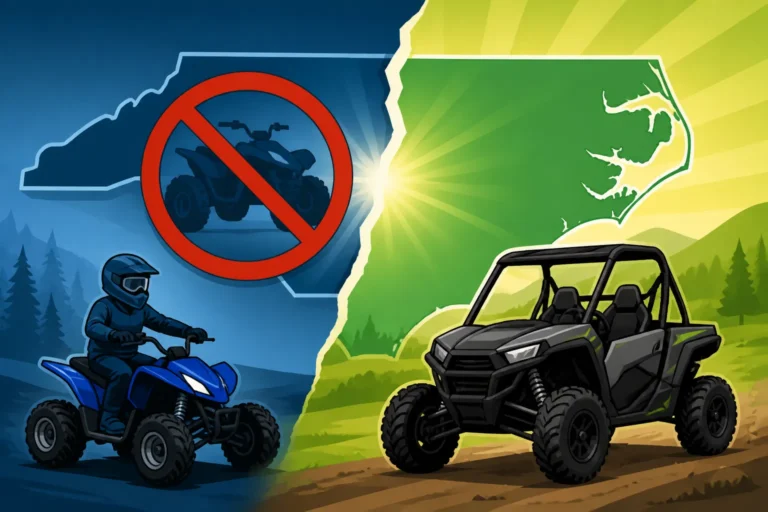
When a machine exceeds the 58-inch width, it immediately loses its classification as a simple "ATV" under North Carolina law for purposes of road use. This is a crucial point that often catches owners by surprise. Many states have a more relaxed view, perhaps allowing ATVs of any size to cross roads or be registered for limited street use. North Carolina is much more prescriptive. If your quad, side-by-side, or other off-road vehicle measures more than 58 inches from its widest point (excluding mirrors), it essentially ceases to be an "ATV" in the eyes of the law when considering public thoroughfares.
This reclassification means that the limited permissions typically granted to narrower ATVs, such as crossing a road at a 90-degree angle, may no longer apply. You can't simply assume that because your friend's 50-inch quad can legally zip across a country road, your 64-inch side-by-side can do the same. This legal nuance is precisely why so many owners of wider machines feel stuck, as the common understanding of ATV rules doesn't quite fit their equipment. It forces a complete rethinking of how one might get their machine from point A to point B if public roads are involved, pushing them toward specialized categories like the Modified Utility Vehicle, which we'll explore shortly. For more on what the state considers an ATV, check out [What North Carolina Counts as an ATV].
Common Wider Machines and Their Predicament
The reality is that a huge percentage of modern UTVs, and even some ATVs with aftermarket modifications, easily exceed that 58-inch mark. Think about popular side-by-sides like many Polaris RZRs, Can-Am Mavericks, or Honda Talons – most of these machines roll off the factory floor already wider than 58 inches. Then you have riders who love to customize, adding wider A-arms, offset wheels, or beadlock tires, perhaps from companies like SuperATV, to enhance stability or accommodate larger tires. These modifications, while fantastic for off-road performance, can push even a traditionally "narrow" quad over the limit.
So, if you own one of these wider machines, you're not alone in facing this predicament. It means that while your machine might be perfectly legal and safe to operate on private land or designated off-road trails like those at Brown Mountain, the moment you consider touching a public road, you run into the 58-inch barrier. This is why you often see these larger machines being trailered everywhere, even for what seems like a short hop. It’s not just inconvenience; it’s a strict legal necessity born from the state's very specific definitions.
North Carolina's Modified Utility Vehicle MUV Path
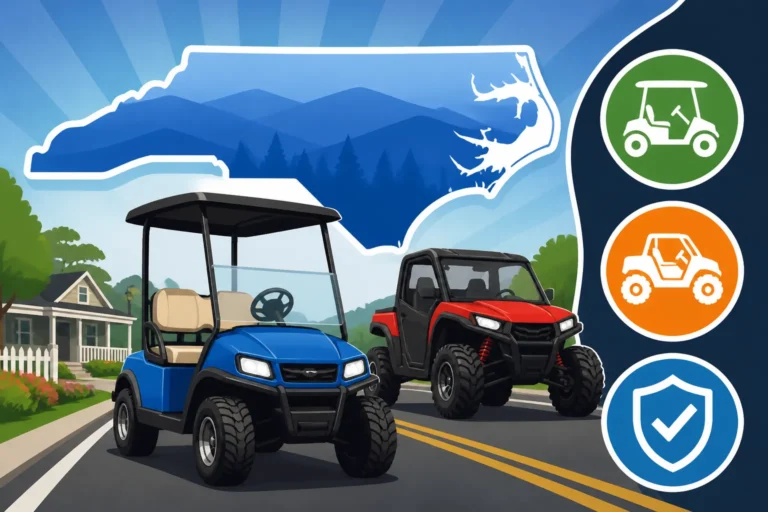
For owners of wider machines who genuinely need to use public roads, North Carolina offers a very specific, albeit rigorous, alternative: the Modified Utility Vehicle (MUV) designation. This isn't a loophole; it's a completely separate class of vehicle with its own set of rules and requirements designed to bridge the gap between off-road vehicles and street-legal transportation. It's a path that demands significant modifications and compliance, but for some, it's the only viable way to gain road access.
Understanding MUV Requirements Beyond Width
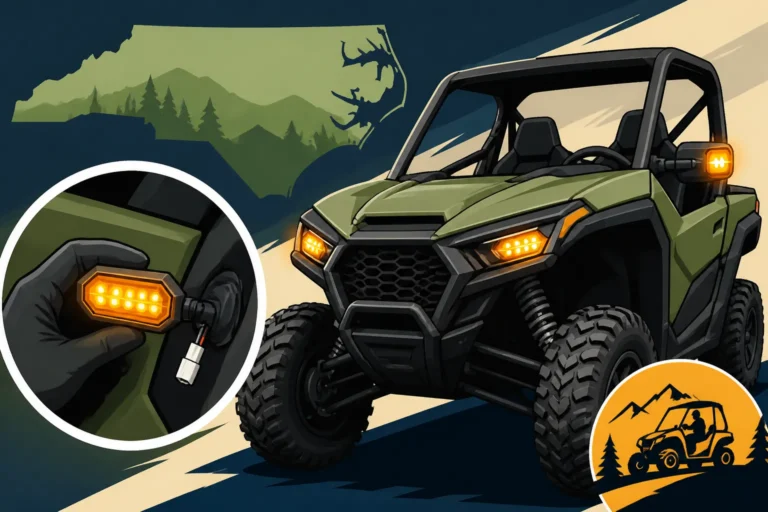
Gaining MUV status in North Carolina is far more involved than just meeting a width requirement. It’s about transforming your off-road machine into something that can safely and legally share the road with traditional cars and trucks. The state has a comprehensive list of equipment and performance standards that must be met. This includes having a legitimate vehicle identification number (VIN) assigned by the North Carolina DMV, which isn't always straightforward for a machine originally built for off-road use. Beyond that, you're looking at things like a speedometer, turn signals, brake lights, headlights, taillights, a parking brake, a horn, and even specific seat belt requirements.
Furthermore, your machine needs to meet certain performance criteria, such as being capable of exceeding 40 mph on a level surface. This often means that even if a machine meets the physical dimensions, its engine size or gearing might not allow it to consistently achieve that speed, making it ineligible. It's a holistic assessment; every single box on the MUV checklist needs to be ticked, and you can't just pick and choose which ones to meet. For a deeper dive into all the specifics, you'll want to read up on [North Carolina's Modified Utility Vehicle Route] and [North Carolina MUV Registration Requirements].
The Specific Width Requirement for MUVs
While the 58-inch rule effectively excludes wider machines from being classified as traditional ATVs for road use, the MUV designation includes a width requirement that many larger side-by-sides can actually meet. An MUV must be no more than 70 inches wide. This is a crucial distinction. It means that if your machine is, for example, 64 inches wide – well over the 58-inch ATV limit – it can still potentially qualify as an MUV, provided it doesn't exceed 70 inches.
This wider allowance for MUVs acknowledges the design of many modern UTVs, which naturally tend to be wider for stability and passenger comfort. For many riders, this 70-inch maximum offers a glimmer of hope for road legality. However, it's important to measure carefully, especially if you've added aftermarket parts that might push the limits, such as wider wheels or A-arms often found through suppliers like SuperATV. Always measure from the widest point, excluding mirrors, to ensure your machine falls within this specific parameter.
The Process of Making a Wider Machine Road-Legal
So, you've got a wider machine, and you're contemplating the MUV path. What does that journey look like? It's not a quick trip to the DMV. First, you'll need to ensure your machine already meets, or can be modified to meet, all the MUV requirements – not just the width. This often involves installing a full suite of automotive-style lighting, mirrors, a horn, a working speedometer, and seatbelts for all designated seating positions. Companies specializing in UTV accessories can be a great resource for MUV conversion kits or individual components.
Once your machine is properly equipped, you'll need to apply for a VIN assignment if your machine doesn't have a recognizable street-legal VIN already. This process involves inspections by the DMV to verify the vehicle's identity and safety equipment. After a VIN is assigned and all mechanical and safety requirements are met, you can then apply for a North Carolina title and registration for your MUV. Remember, you'll also be subject to North Carolina's 3 percent Highway Use Tax during the titling process, which is similar to sales tax on other vehicles. This entire process can be time-consuming and requires meticulous attention to detail to ensure every regulation is satisfied. It’s not for the faint of heart, but for those who need road access, it’s the legal route.
Exploring Other Exceptions and Limitations
While the MUV path is the primary route for wider machines seeking road legality, it's not the only consideration. There are very limited circumstances where an OHV, regardless of width, might find itself on a public road in North Carolina. However, these are exceptions, not broad permissions, and they come with strict conditions that many owners often misunderstand or misinterpret.
The Farming Operations Exception and Width
North Carolina does provide a "farming operations" exception that allows certain off-road vehicles to operate on public roads. This exception is designed to help farmers move their equipment, including ATVs and UTVs, between fields or to and from supply points. Critically, this exception doesn't specify a width limit in the same way the general ATV definition does for non-farm use. This means a wider UTV used exclusively for farm work might legitimately traverse public roads under this specific exemption.
However, it’s essential to understand the severe limitations. The machine must be operated solely for farming operations. This means no joyriding, no trips to the grocery store, and no using it to simply get to a hunting spot. The moment it's used for anything other than a legitimate farming purpose, the exception evaporates, and your wider machine is back to being an illegal vehicle on the road. Furthermore, the operator must hold a valid driver's license, and the travel must be during daylight hours. This exception is very narrow and intended for true agricultural use, not as a blanket allowance for wider machines to be on the road. You can learn more about this by looking at [North Carolina Farming Exception for ATVs].
Private Land and Trail Riding Considerations
For most owners of machines over 58 inches wide, the vast majority of their riding will occur on private land or within designated OHV trail systems. On private property, if you have permission from the landowner, you can generally ride your wider UTV without concern for state road-legal dimensions. The rules for private land are dictated by the landowner and local ordinances, which are typically much less restrictive than state highway laws. This is where your wider, more stable, and powerful machine can truly shine without the worries of MUV conversions or narrow exceptions.
Similarly, established OHV trail systems, such as those found in the Uwharrie National Forest like the Badin Lake OHV Trail Complex, are designed to accommodate a range of off-road vehicles, including wider side-by-sides. These trails have specific rules regarding permits, safety gear, and sometimes even noise levels, but they don't generally impose the same strict width restrictions that apply to public roads. Always check the specific rules of any trail system before you go, as some extremely narrow trails or bridges might have their own localized width recommendations, but generally, the 58-inch road rule is not a factor here. For more about private land rules, check out [North Carolina Rules for Riding Private Land].
The Unregistered Reality for Many Wider Machines
Let's be realistic: despite the MUV path and the farming exception, a significant number of wider ATVs and UTVs in North Carolina are never legally registered or titled for road use. For many owners, the expense, time, and modifications required to achieve MUV status simply aren't worth it, especially if their primary use is off-road. These machines remain purely off-highway vehicles in the eyes of the law.
This means that while they might be a blast on the trails or invaluable on the farm, they are strictly prohibited from public roads, shoulders, or rights-of-way, outside of the very specific farm exception. This creates a challenging situation for owners who live in areas where private land isn't directly adjacent to trailheads, necessitating trailering their machines everywhere. Ignoring these rules can lead to significant fines, impoundment of the vehicle, and even more severe legal consequences, as operating an unregistered, non-street-legal vehicle on public roads can be a serious offense. This is why understanding these distinctions is so crucial for avoiding trouble with law enforcement.
| Vehicle Type / Requirement | Standard ATV (under 58 inches) | Wider OHV (over 58 inches) | Modified Utility Vehicle (MUV) |
|---|---|---|---|
| Max Width | Up to 58 inches | Over 58 inches | Up to 70 inches |
| Road Crossing | Permitted (90-degree, direct) | Generally Not Permitted | Permitted |
| Public Road Travel | Generally Not Permitted | Generally Not Permitted | Permitted (if registered) |
| Farm Exception | Yes, if farming operations | Yes, if farming operations | Yes, if farming operations |
| Titling for Road | Not applicable | Not applicable | Mandatory |
| Registration for Road | Not applicable | Not applicable | Mandatory |
| Min Speed | Not specified | Not specified | Must exceed 40 mph |
| Road Equipment | Not required | Not required | Lights, horn, speedometer, etc. |
Practical Considerations for Wider Machine Owners
Understanding the legal landscape for wider ATVs and UTVs in North Carolina is one thing; navigating it in the real world is another. From the moment you consider purchasing a machine to every time you plan a ride, there are practical steps and precautions you should take to ensure you stay compliant and safe.
Navigating Dealer Purchases and Modifications
When you're at the dealership, whether you're looking at a brand new side-by-side or a used quad, it's vital to have an honest conversation about its dimensions and your intended use, especially if you plan any road interaction. Most dealers will clarify that UTVs are primarily off-road vehicles and that road legality in North Carolina is complex. Don't assume that because a dealer sells a wide machine, it's automatically street-legal. Always ask for the exact factory width specification.
If you're considering aftermarket modifications, such as lift kits, wider tires, or A-arms from companies like SuperATV, be acutely aware of how these changes will impact your machine's overall width. What might give you better ground clearance or stability off-road could push you further away from any potential MUV qualification or simply solidify its status as a purely off-highway machine. Always measure after modifications and keep records of your machine's dimensions. It's much easier to make informed decisions upfront than to deal with the legal repercussions later.
Trailer Laws and Transporting Wider Machines
For most owners of wider ATVs and UTVs in North Carolina, trailering is simply a way of life. If your machine isn't an MUV or operating under a very specific farm exception, it must be trailered when moving on public roads. This means understanding North Carolina's trailer laws, including maximum widths for trailers and loads, proper tie-down procedures, and any lighting requirements for your trailer.
Even when trailering, you need to ensure your combined vehicle and trailer width isn't excessive. North Carolina generally allows a maximum vehicle width (including load) of 102 inches (8 feet 6 inches) on its highways without a special permit. While most side-by-sides on standard trailers will fit within this, it's always wise to double-check, especially if you have an extra-wide UTV or a utility trailer with wide fenders. Proper securing of your machine is paramount, not only for legal compliance but for safety on the road. A loose machine can be incredibly dangerous and lead to severe accidents.
What Happens if You're Pulled Over
If you're operating a wider ATV or UTV on a North Carolina public road without meeting MUV requirements or falling under the farm exception, and you get pulled over, the consequences can range from a stern warning to significant fines, and potentially even the impoundment of your machine. Law enforcement officers are generally well-versed in the distinctions between ATVs, UTVs, and MUVs. They'll quickly identify if your vehicle exceeds the 58-inch width limit for an ATV and then assess if it meets the MUV criteria or a valid farm exception.
You'll likely be cited for operating an unregistered or unlawful vehicle on a public roadway. This can lead to court appearances, fines that can easily run into hundreds of dollars, and the added hassle of retrieving your impounded machine, which comes with towing and storage fees. It's a situation no one wants to be in, and it's a stark reminder of why understanding and adhering to North Carolina's specific width and classification rules is so vital for every owner of a wider off-road vehicle. Knowledge is your best defense against such situations, so make sure you're always informed before you ride.
Disclaimer
This article is for general informational purposes only and does not constitute professional advice. Laws, prices and regulations vary by location and change over time. Consult a qualified professional for guidance on your specific situation.