Why North Carolina’s Repealed Rule Still Circulates
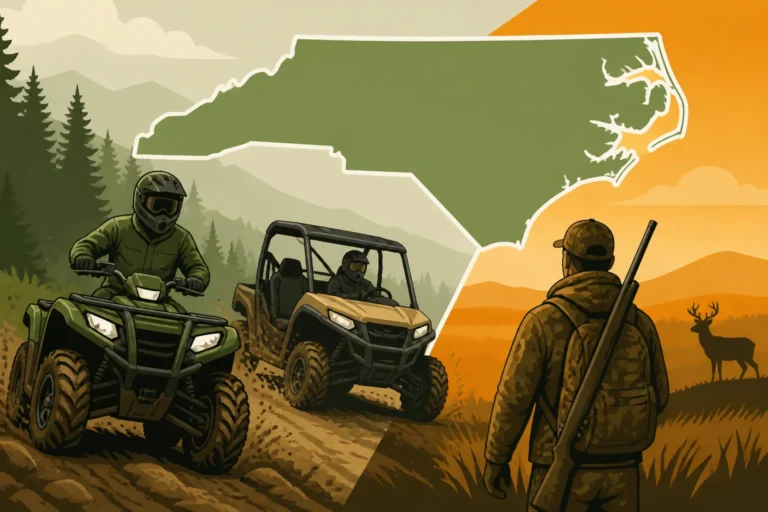
It’s incredibly frustrating, isn't it, when you're trying to figure out the rules for riding ATVs in North Carolina and you keep running into conflicting information? Especially when you're doing your best to keep your family safe and legal. This guide is here to cut through the confusion surrounding a particular repealed rule that still pops up everywhere, explaining its history, why it was changed, and most importantly, what the actual laws are for ATV riders in the Tar Heel State today.
The Ghost of Rules Past: What Was the 70cc Rule?
For years, many North Carolina residents, especially parents of eager young riders, were familiar with a specific regulation regarding ATV engine size. This was the so-called "70cc rule," a piece of legislation that, at one point, significantly influenced who could ride what. It dictated that children below a certain age—often cited as 12 or 16, depending on who you talked to—were restricted to ATVs with engine displacements of 70 cubic centimeters or less.
The Intent Behind the Original Rule
This rule wasn't born out of thin air; it was designed with good intentions, aiming to improve safety for young, inexperienced riders. The idea was simple: smaller engines meant less power, less speed, and theoretically, a reduced risk of serious injury. Lawmakers observed the rising popularity of ATVs and the unfortunate incidents involving children on machines too powerful for their skill level, weight, and judgment. They believed that by capping engine size, they could create a safer environment for youngsters to learn and enjoy off-road riding without the inherent dangers of larger, more aggressive machines. It felt like a common-sense approach to a growing safety concern, providing a tangible limit for parents and guardians to follow.
How the Rule Influenced Buying Decisions and Riding Practices
Back when the 70cc rule was in effect, it heavily influenced what kind of ATVs families would consider buying for their younger members. Dealers would often highlight machines specifically designed to meet this 70cc threshold, marketing them as "kid-friendly" or "learner ATVs." Parents, wanting to stay compliant with the law and ensure their children's safety, would actively seek out these smaller machines. If you had a child nearing a certain age, your options were significantly narrowed, and the emphasis was firmly on low-powered entry-level models. This also meant that if a child outgrew their 70cc machine, or if a family already owned a larger quad, they might have faced legal restrictions on who could ride it, leading to a lot of careful planning and sometimes, frustration over machine choices.
The Repeal and Its Quiet Disappearance
Like many laws, the 70cc rule eventually faced scrutiny and debate. Over time, new perspectives on rider safety, training, and responsibility emerged. What once seemed like a straightforward solution began to be viewed as perhaps too restrictive or, in some cases, not entirely effective on its own. The discussion moved towards rider education and supervision as primary factors in preventing accidents, rather than just engine size.
When the Law Officially Changed
The North Carolina General Assembly actually repealed the 70cc engine limit in 2005. That's right, it's been over a decade and a half since that specific regulation was on the books! The change was part of a larger legislative effort to update ATV laws, recognizing that a blanket engine size restriction didn't fully address the complexities of rider safety. Instead, the focus shifted to age-appropriate riding, proper supervision, and mandatory safety education for younger riders. This was a significant pivot, moving away from a single, measurable metric (engine size) towards a more holistic approach that emphasized training and direct oversight. For many, this repeal was a welcome change, offering more flexibility in machine choice, while others still clung to the perceived simplicity of the old rule. You can learn more about [Why the 70cc Rule Was Repealed in North Carolina].
Why the 70cc Rule Was Replaced
The repeal wasn't just about removing a restriction; it was about replacing it with a more comprehensive safety framework. Lawmakers recognized that engine size alone wasn't the sole determinant of safety. Factors like a rider's experience, maturity, physical size, the terrain, and most crucially, adult supervision, play equally, if not more, important roles. The new approach aimed to empower parents and guardians with the responsibility to choose appropriate machines and ensure their children received proper training, rather than relying solely on an arbitrary engine size limit. It was a move towards promoting responsible riding practices and education, rather than simply banning certain machines for certain age groups. This change underscored the state's commitment to safety through education and parental involvement, a sentiment echoed by organizations like the ATV Safety Institute. The core idea became: it's not just the machine, it's the rider and their training.
The Stubborn Circulation of Old Information
Even though the 70cc rule has been gone for years, it still pops up everywhere – on online forums, local community boards, and even in casual conversations among riders. It's like a zombie rule; it just refuses to die. This persistent misinformation can be incredibly frustrating for new riders or parents trying to get accurate, up-to-date information. They stumble upon outdated rules, and suddenly, they're questioning everything, worried about breaking a law that no longer exists.
Outdated Handouts and Signage
One of the biggest culprits for the lingering confusion is outdated printed material. Think about it: local county government offices, old dealerships, or even state park kiosks might still have dusty brochures or signs printed years ago, long before the law changed. These materials, once accurate, now inadvertently spread incorrect information. Imagine visiting a county fair, picking up a safety pamphlet, and seeing the 70cc rule prominently displayed – you'd naturally assume it's current. These physical remnants of the past can be incredibly misleading. Even well-meaning individuals who were educated on the rules years ago might still share what they think is correct, not realizing the law has evolved. It highlights how important it is to always verify information against the most current state statutes. It's truly a headache to try and navigate when old, printed materials are still floating around. In fact, [Why a County Handout May Be Out of Date] often comes down to budget and resource limitations in updating everything.
Word-of-Mouth and Online Forums
Beyond official-looking but outdated print, word-of-mouth and online discussions are huge contributors to the circulation of the repealed rule. You'll hear it at the local diner, during a casual chat at the trailhead, or see it posted in Facebook groups dedicated to North Carolina off-roading. Someone says, "Oh, yeah, my kid couldn't ride that until they were 16 because of the 70cc rule," and that's it – the misinformation spreads like wildfire. People tend to trust what they hear from "experienced" riders, or what they read in what seems like an authoritative online forum, without realizing that the information might be based on laws that are decades old. The internet, while a fantastic resource, can also be an echo chamber for outdated facts, especially if no one is actively moderating or correcting old threads. This creates a challenging environment for anyone trying to find truly current and reliable information, leading to unnecessary worry and confusion.
North Carolina's Current ATV Rider Age and Equipment Laws
So, if the 70cc rule is gone, what are the rules now? North Carolina's current laws focus on a combination of age, supervision, and protective gear, aiming for a more nuanced approach to rider safety. It’s all about ensuring that riders, especially the young ones, are properly prepared and protected for the inherent risks of off-road riding.
Minimum Age and Supervision Requirements
North Carolina law dictates that no one under the age of eight is allowed to operate an ATV. This is a hard and fast rule, no exceptions. For children between the ages of 8 and 16, there are specific requirements for supervision and safety education. If you're in this age group, you must be under the continuous visual supervision of an adult. This isn't just about being in the same general area; it means the adult needs to be able to see you at all times, ready to intervene if needed. Furthermore, if you were born on or after January 1, 1990, and are under 16, you are required to possess a safety certificate proving you've completed an approved ATV safety course. This is a crucial element that replaced the engine size rule – education over arbitrary displacement. This certificate needs to be carried with you when riding. It's really about giving kids the knowledge and skills they need, rather than just restricting what machine they can sit on. You can find more detail on [What North Carolina Law Says About a Rider's Age] and [North Carolina Minimum Age to Ride an ATV].
Mandatory Helmet and Eye Protection
When it comes to safety gear, North Carolina doesn't mess around, especially for younger riders. All ATV riders under the age of 18 are legally required to wear a safety helmet that complies with DOT (Department of Transportation) standards. This isn't just a recommendation; it's the law. Beyond helmets, eye protection is also mandatory for anyone under 18. This could be goggles, a face shield on a full-face helmet, or safety glasses – anything that provides adequate protection from dust, debris, and branches. These rules are in place because head injuries and eye injuries are among the most common and severe types of trauma in ATV accidents. Investing in high-quality gear, perhaps from a reputable brand like SuperATV, isn't just about compliance; it's about making sure you or your child come home safely. Many manufacturers also have age recommendations on their machines, and while these aren't laws, they serve as valuable guidelines. For more specific details, check out [North Carolina Helmet Law for ATV Riders] and [North Carolina Eye Protection Requirement].
Passenger Rules
Riding double on an ATV designed for a single rider is a huge no-no in North Carolina, and for good reason. Most ATVs are designed with a specific center of gravity and suspension setup for one operator. Adding a passenger, especially one who shifts their weight independently, can severely compromise the machine's stability, making it much harder to control and dramatically increasing the risk of a rollover. The only exception to this rule is if your ATV is specifically designed by the manufacturer to carry a passenger, meaning it has a designated passenger seat and handholds. Even then, all applicable age and helmet rules still apply to the passenger. Safety isn't just about the driver; it's about everyone on board.
Dispelling Other Common North Carolina ATV Myths
The 70cc rule isn't the only piece of outdated or misunderstood information circulating in the North Carolina ATV community. There are a few other common myths that can trip up even experienced riders, leading to confusion about what's legal and what's not. Getting these straight helps everyone enjoy the trails and roads responsibly.
"ATVs Are Banned from All Public Roads"
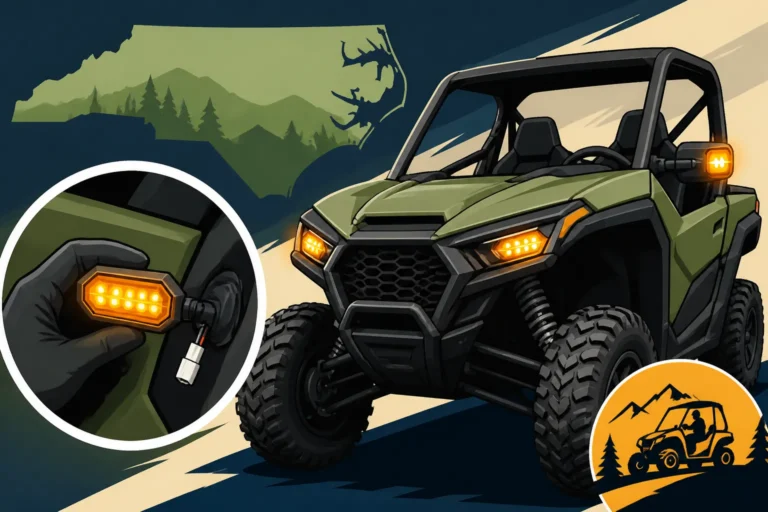
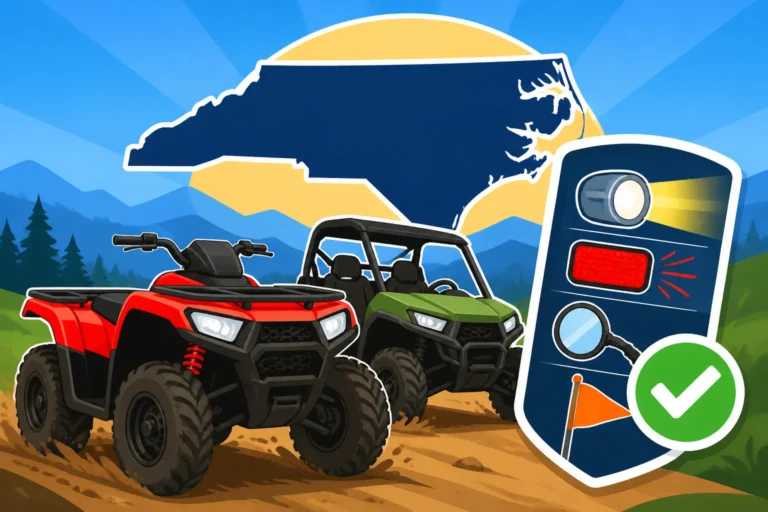
This is a common misconception, and while it's mostly true that ATVs aren't generally street-legal for regular road use in North Carolina, there are some very specific, narrow exceptions. The primary pathway to street legality for a specific type of off-road machine is through the "Modified Utility Vehicle" (MUV) designation. These are utility vehicles (like side-by-sides) that meet a stringent set of requirements, including engine size (over 2,400cc), specific dimensions, speed capability, and must be equipped with full street-legal accessories like headlights, taillights, brake lights, turn signals, mirrors, a speedometer, and seatbelts. It's a significant undertaking to convert a UTV to an MUV, and most standard ATVs simply cannot meet these criteria. There are also very limited exceptions for farm operations or crossing a public road at a right angle for agricultural purposes. But for the average trail rider, expecting to cruise down Main Street on their quad is generally not an option. Check out [Street Legal ATVs in North Carolina: The Short Answer] for a deeper dive.
"You Have to Register Your ATV in North Carolina"
This is another pervasive myth that causes a lot of head-scratching. North Carolina does not have a statewide registration requirement for ATVs or UTVs used exclusively off-highway. This means you won't be getting a license plate or registration sticker from the DMV just for riding trails. The state's focus is on titling for ownership purposes, which is optional for ATVs unless there's a lien, but not on registration for general use. The confusion often stems from other states that do require ATV registration, leading out-of-state riders or those new to North Carolina to assume it's universal. However, just because you don't register your machine doesn't mean there are no rules. For instance, if you plan to ride on certain public lands, like the National Forests, you will need to purchase a specific forest permit, but this isn't the same as state-mandated vehicle registration. For more information, read [Why North Carolina Has No ATV Registration].
"Manufacturers' Age Labels Are Just Suggestions"
While manufacturers' age labels (like "16+" or "10+") found on ATVs are not directly enforced by North Carolina law in the same way as the state's minimum age rules, ignoring them is a grave mistake. These labels are based on extensive research, testing, and industry safety standards from organizations like the ATV Safety Institute (ASI). They consider factors like machine size, weight, speed, handling characteristics, and the developmental stage of riders. Placing a small child on an ATV designed for an adult, even if they meet the state's minimum age, can be incredibly dangerous. The handling dynamics, throttle response, and physical demands of a larger machine can quickly overwhelm an inexperienced or undersized rider. Reputable brands, like those whose parts you might find at SuperATV, always adhere to these guidelines, understanding the importance of matching the rider to the machine for optimal safety. So, while the state won't ticket you for defying an age label specifically, manufacturers provide them for a reason: your safety.
Navigating Information: Where to Find Accurate, Up-to-Date North Carolina ATV Laws
Finding accurate, current information about ATV laws in North Carolina can feel like a scavenger hunt, especially with all the old rules floating around. But it's essential for responsible riding and avoiding citations. Knowing where to look for official, reliable sources is key.
Official North Carolina Government Websites
The absolute best place to start your search is the official North Carolina government websites. Specifically, the North Carolina General Assembly's website (ncleg.gov) is where you'll find the actual statutes and laws. You can search for "Chapter 20" which deals with motor vehicles, and then look for sections pertaining to all-terrain vehicles. This is the source document for all the laws, straight from the horse's mouth. While the legal language can sometimes be a bit dense, it’s the most authoritative source you can get. Similarly, the North Carolina Department of Environmental Quality (NCDEQ) or the U.S. Forest Service websites will have information regarding rules and permits for riding on state and national lands within North Carolina. These sites are regularly updated and reflect the current legal landscape.
Reputable ATV Safety Organizations
Organizations dedicated to ATV safety are another excellent resource. The ATV Safety Institute (ASI) is a prime example. They are a national organization that provides safety training courses and educational materials, and their website often has summaries of state laws, including North Carolina's. While they might not be the direct legal source, they interpret and communicate these laws in an easily digestible format, emphasizing safe riding practices. They are also the body that approves the ATV safety courses required for certain young riders in North Carolina. Many off-road clubs and associations in North Carolina also strive to keep their members informed of current regulations, often providing links to official sources or hosting Q&A sessions with local authorities. Always cross-reference their information with official government sites if you have any doubts.
Local DMV and Law Enforcement Offices
When in doubt, don't hesitate to reach out to local authorities. Your local DMV (Department of Motor Vehicles) office, while not typically handling off-road registration, can often point you to the correct state resources for ATV laws, especially concerning titling or MUV conversions. Local law enforcement agencies, such as the Sheriff's Office or local Police Department, are also valuable resources, particularly if you have questions about riding on specific local roads or within town limits. Forest Service rangers, for those riding in National Forests, are the best source for rules and permit requirements on those lands. They are the ones enforcing the rules, so they are usually very knowledgeable about what's current. Keep in mind that interpretations can sometimes vary, so always try to get a clear, concise answer and, if possible, refer back to the official statutes.
To summarize the common rules and the truth about them:
| Myth/Repealed Rule | Current North Carolina Law | Key Takeaway |
|---|---|---|
| 70cc Engine Limit | REPEALED in 2005. No specific engine size limit for minors. | Focus is now on rider age, supervision, and safety education. |
| Minimum Age | Under 8: NO riding. 8-16: Requires continuous visual supervision by an adult. Under 16 (born after Jan 1, 1990): Requires approved safety certificate. | Strict age and supervision rules are in place to protect young riders. |
| ATV Registration | North Carolina does NOT have a statewide registration requirement for off-highway ATVs. | Titling is optional (unless lien). Forest permits are for specific lands, not general registration. [Why North Carolina Has No ATV Registration] |
| Street Legal ATVs | Generally NOT street legal. Limited exceptions for Modified Utility Vehicles (MUVs) that meet strict criteria, or for specific farm operations/road crossings. | Don't expect to ride your ATV on public roads. MUV conversion is complex. [Are ATVs Street Legal in North Carolina?] |
| Helmets/Eye Protection | Mandatory for ALL riders under 18. Must be DOT-compliant helmets and adequate eye protection. | Essential safety gear is legally required for minors. |
| Passengers | Only allowed on ATVs specifically designed by the manufacturer for two people, with a designated seat and handholds. | Single-rider ATVs are for one person only due to stability risks. |
Knowing these crucial distinctions helps you stay safe, legal, and avoid unnecessary headaches. Happy riding!
Disclaimer
This article is for general informational purposes only and does not constitute professional advice. Laws, prices and regulations vary by location and change over time. Consult a qualified professional for guidance on your specific situation.