North Carolina Passenger Rules on an ATV
Riding an ATV or UTV in North Carolina is an exhilarating experience, but understanding who can ride with you, and how, can feel like navigating a maze. Many riders get frustrated trying to figure out if it's okay to bring a friend or a child along, especially with so many different machine types out there. This guide will cut through the confusion and clarify North Carolina's rules regarding passengers on ATVs and UTVs, helping you ride safely and legally with your loved ones.
Understanding North Carolina's Core Passenger Rules for ATVs
Let's get right to the heart of the matter: North Carolina law is pretty clear about the basic principle of carrying passengers on ATVs. It's fundamentally about safety and the design intent of the machine. The state takes a dim view of putting more people on a vehicle than it was explicitly designed to carry, and for good reason – the risks of injury are significantly higher.
The "One Rider, One Seat" Principle
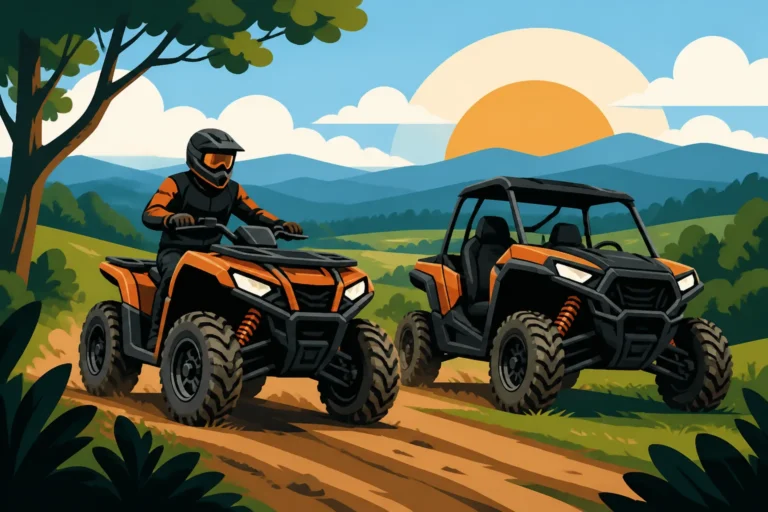
For traditional, single-rider ATVs, North Carolina adheres strictly to the "one rider, one seat" principle. What does this mean in practical terms? If your ATV was manufactured with a single seat, designed for one operator, then that's all it's legally intended to carry. Period. Trying to squeeze a passenger onto a single-seat ATV, whether they're sitting behind you, in front, or perched precariously on a storage rack, is not only illegal but incredibly dangerous. These machines are engineered for the weight distribution and dynamic handling of a single rider. Adding a passenger completely throws off the balance, making steering difficult, braking less effective, and increasing the likelihood of a rollover or loss of control, especially on uneven terrain or during quick maneuvers. This is often the most misunderstood rule, leading to tickets and, far worse, preventable accidents. It's why you'll often see signs at trailheads reminding riders about this core safety guideline. If you've ever seen someone trying to ride double on a quad designed for one, you know how unstable and risky it looks. It's a prime example of [Riding Double on a One-Seat Quad] being a major no-no.
Factory-Designed Passenger Capacity vs. Aftermarket Additions
The critical distinction here is between an ATV that was designed from the factory to carry more than one person and one that has had aftermarket modifications. North Carolina law generally recognizes only the manufacturer's original design intent. A "factory two-seater" ATV, also known as a two-up ATV, is built with a longer chassis, a dedicated passenger seat, separate footrests, and often handholds for the passenger. These machines are engineered to handle the additional weight and different center of gravity that comes with two occupants. They're a different beast entirely from a standard ATV.
On the other hand, simply bolting a secondary seat, a cargo box with a cushion, or any other add-on to a single-seat ATV does not magically transform it into a legal or safe two-person vehicle. These aftermarket additions, while perhaps comfortable, do not alter the fundamental design, suspension, or braking capabilities of the machine to safely accommodate a second person. It's a safety hazard that North Carolina won't overlook. While companies like SuperATV offer fantastic upgrades and accessories for enhancing your machine's performance and utility, any modification that attempts to convert a single-rider ATV into a passenger vehicle without a complete redesign by the manufacturer is usually not going to pass muster for legal passenger transport. Always double-check your machine's original manufacturer specifications if you're unsure about its passenger capacity.
When Carrying a Passenger is Permitted: Factory Two-Seaters and UTVs
So, if traditional ATVs are mostly single-rider affairs, where can you actually bring someone along? North Carolina's regulations open up to allow passengers on machines specifically engineered for multiple occupants. This primarily means factory-built two-up ATVs and, perhaps more commonly, utility task vehicles (UTVs), often referred to as side-by-sides.
The Specifics of a Factory Two-Seater
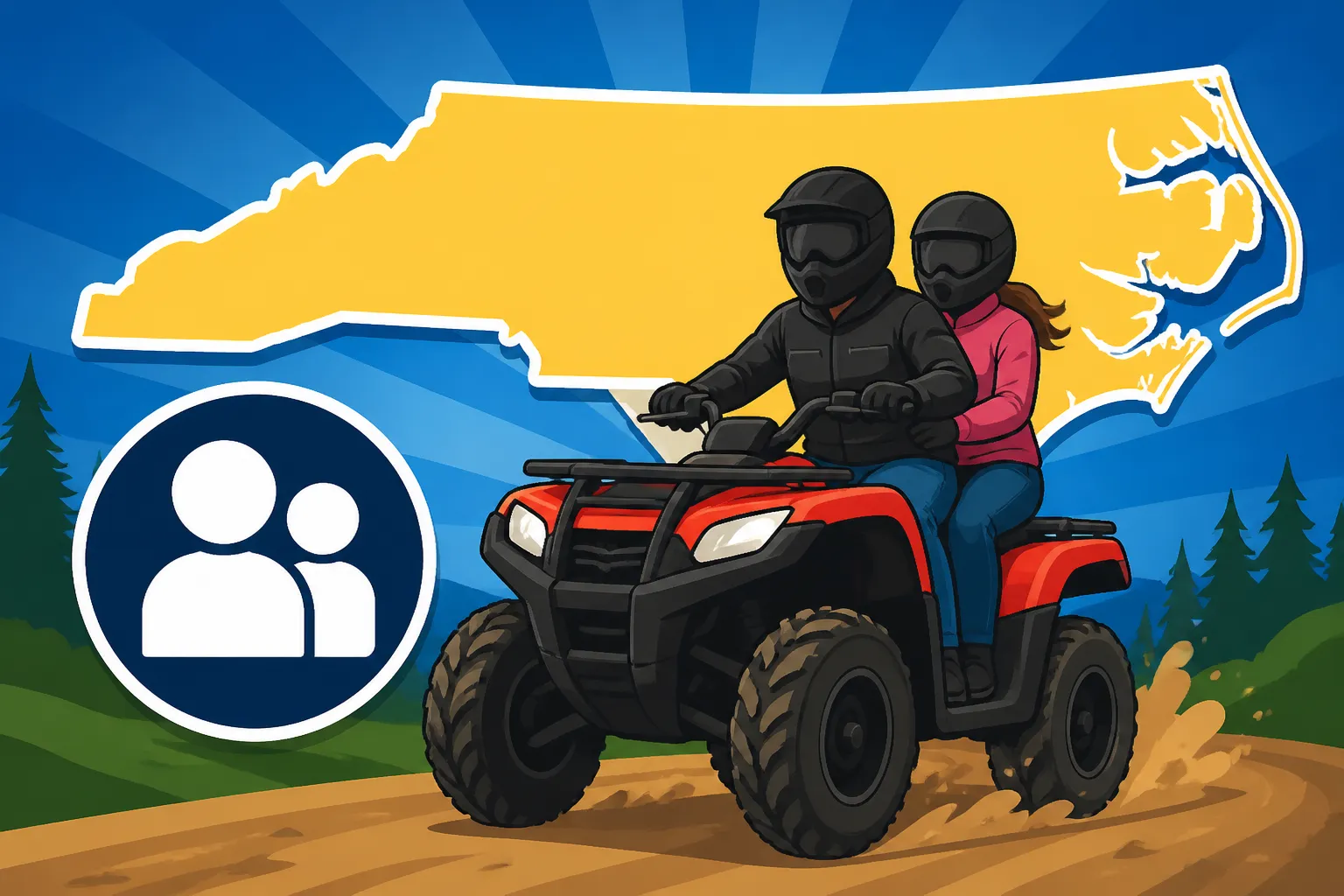
A factory two-seater ATV is your go-to option if you want to share the ATV experience with a single passenger. These machines are designed from the ground up to accommodate two riders comfortably and, most importantly, safely. They feature an extended frame, allowing for a longer, distinct seat for the passenger that's separate from the operator's. Crucially, they also come equipped with dedicated passenger footrests and handholds. These aren't just cosmetic additions; they're integral safety features that allow the passenger to maintain balance and stability, especially when traversing rough terrain or navigating turns.
When it comes to [A Factory Two-Seater Under North Carolina Law], the emphasis is on that "factory" designation. This means the machine rolled off the assembly line with these features, signifying that the manufacturer has certified it for two riders. This distinction is vital because it speaks to the engineering behind the machine – the suspension, braking system, and overall stability are all calibrated for the combined weight and dynamics of two individuals. If you're looking to ride with a buddy or your child, investing in a genuine two-up ATV is the only legal and responsible way to do it on an ATV platform in North Carolina. This allows for [Carrying a Passenger on a Factory Two-Seater] legally and safely.
Side-by-Sides and Their Passenger Seating
UTVs, or side-by-sides, are much more forgiving when it comes to passenger capacity, mainly because they're built with multiple seats as a core design feature. Most UTVs come standard with bench seating or individual bucket seats for two, three, four, or even six occupants, depending on the model. These machines resemble small cars more than traditional ATVs, offering roll cages, seatbelts, and a more stable platform.
For UTVs, the rule is generally simple: you can carry as many passengers as there are factory-installed seats with corresponding seatbelts. This means if your side-by-side has four seats and four seatbelts, you can legally carry three passengers in addition to yourself. The design of UTVs inherently provides a safer environment for multiple passengers, with a lower center of gravity, wider stance, and often more robust suspension systems built to handle heavier loads. However, never exceed the manufacturer's stated seating capacity. Don't try to cram an extra person onto a bench seat if there isn't a dedicated seatbelt for them. While you might be tempted to squeeze in just one more, this compromises safety and is usually illegal. Companies like SuperATV offer excellent UTV accessories like full doors, windshields, and even robust roll cages, which can further enhance the safety and comfort of your passengers, but the fundamental seating capacity must always be respected according to the manufacturer's design.
Special Considerations for Young Passengers and Supervised Riding
Bringing children along for a ride can be a wonderful experience, fostering a love for the outdoors and responsible recreation. However, North Carolina has very specific and critical rules in place to protect young riders, whether they are operating their own machine or riding as a passenger. It’s not just about what machine you’re on; it’s also about the age of the rider and the supervision provided.
Age and Supervision for Young Riders
When considering a young person as a passenger, North Carolina law pays close attention to their age and the level of supervision required. While there isn't a specific minimum age to be a passenger on a legally permitted multi-seat ATV or UTV, the general spirit of the law and manufacturer recommendations strongly advise against carrying very young children. A child must be mature enough to sit upright, hold on securely, and understand basic safety instructions. Think about the bumpy, jarring nature of off-road riding; an infant or very young toddler simply cannot adequately brace themselves or respond to the dynamic movements of the vehicle.
Furthermore, North Carolina has comprehensive rules regarding children operating ATVs, which often influence decisions about passengers. For instance, [North Carolina Rules for Riders Under 16] require specific safety training. Even as a passenger, the overall safety of minors is paramount. Parents and guardians must provide [North Carolina Supervision Rules for Minors], ensuring continuous visual supervision of riders under the age of 16. While this primarily applies to operators, the expectation of responsible adult oversight extends to any situation where a minor is involved with an ATV or UTV. Always refer to your machine's owner's manual for manufacturer-recommended passenger ages and weight limits, as these often go beyond the bare minimum legal requirements and are designed for optimal safety.
Carrying a Minor on a Multi-Seater
If you're operating a factory two-up ATV or a UTV, and you plan to have a minor as a passenger, there are a few extra layers of consideration. First, ensure the child is adequately sized for the seat and can reach the footrests and firmly grasp the handholds if applicable. Small children can be tossed around easily if they can't brace themselves properly. A seatbelt is non-negotiable in a UTV, and it must fit snugly. For ATVs, the passenger must be able to maintain their own stability, which is why a child who is too small might struggle, even on a two-up machine.
The "manufacturer's age warning label" is also a crucial piece of information. While this typically pertains to the operator's age, it underscores the importance of adhering to the manufacturer's guidelines for safe use. Many manufacturers advise against carrying passengers under a certain age on ATVs, even two-up models, due to the inherent dynamics of the vehicle. For UTVs, the rules are somewhat more relaxed due to their car-like design, but the requirement for a dedicated seat and seatbelt for every occupant, especially a minor, cannot be overstated. When you're out exploring trails in the Uwharrie National Forest or around Badin Lake, having a minor as a passenger means you, as the operator, bear a heightened responsibility for their safety and adherence to all rules, including [North Carolina Rules for a Passenger Under 18]. Always prioritize the child's safety and comfort over getting them on the trail.
Beyond the Rules: Safety and Practical Advice for Passenger Riding
Knowing the letter of the law is one thing, but truly prioritizing safety when carrying a passenger involves going beyond the minimum requirements. The off-road environment presents unique challenges, and responsible riding means taking every precaution to ensure a positive and safe experience for everyone aboard your machine.
Essential Safety Gear for All Occupants
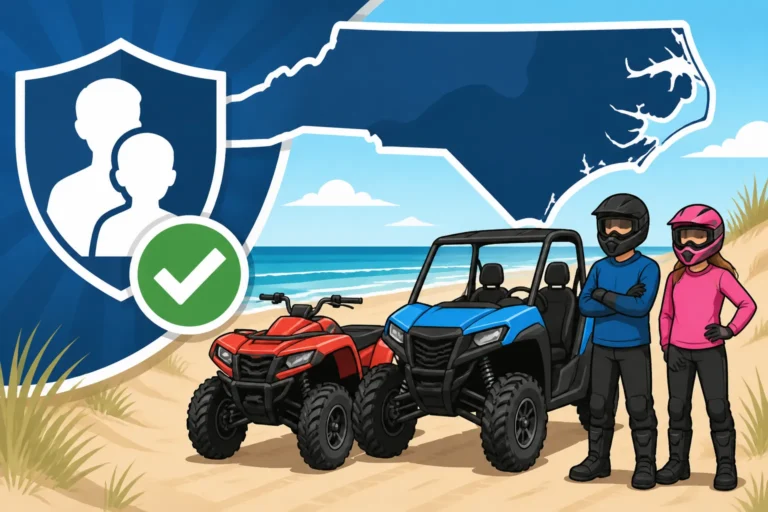
This is where common sense meets critical protection. Just as you, the operator, should be wearing appropriate safety gear, so should any passenger you bring along. In North Carolina, [Helmet and Eye Protection Rules in North Carolina] are not just suggestions; they are often legal requirements, especially for younger riders. For anyone under 18, a DOT-approved motorcycle helmet is mandatory, even on private land. While the law might relax slightly for adults on private property, it's absolutely non-negotiable for public trails and always recommended.
Think about it: a sudden branch, a thrown rock, or an unexpected tumble can cause serious head injuries. A proper helmet absorbs impact and protects your most vital organ. Similarly, eye protection – whether goggles or a face shield – shields against dust, debris, insects, and low-hanging branches. Beyond helmets and eye protection, consider sturdy over-the-ankle boots, long pants, and long-sleeved shirts to protect against scrapes, impacts, and exhaust heat. Companies like SuperATV also provide various UTV accessories such as robust full doors, nets, or even safety harnesses that can significantly improve passenger containment and protection, especially in rough terrain. Equipping your passengers with proper gear is just as important as equipping yourself. Always ensure that the gear fits correctly and doesn't impede their movement or vision. This is particularly crucial for children, where ill-fitting gear can actually become a hazard. Remember, [North Carolina Helmet Law for ATV Riders] is there for a reason – it saves lives.
Communicating and Riding Responsibly with a Passenger
Riding with a passenger fundamentally changes the dynamics of your ATV or UTV. The extra weight alters handling, braking distances, and stability, especially on inclines, declines, or off-camber trails. It's crucial to adjust your riding style accordingly. This means slowing down, taking turns wider, and being gentler on the throttle and brakes. Sudden accelerations or sharp turns can easily unbalance a passenger, leading to injury.
Effective communication is also key. Before you even set out on the trail, establish clear signals with your passenger. Discuss how they should hold on, when they should lean, and what to do in case of an unexpected stop or obstacle. For example, explain that they should always lean with you into turns. If you're on a UTV, remind them to keep all limbs inside the vehicle and use the grab handles when things get bumpy. Continuously check in with your passenger, especially if they are new to off-roading, to ensure they are comfortable and not getting overwhelmed.
It's also essential to choose trails appropriate for carrying a passenger. Extremely difficult, technical trails might be exhilarating solo, but they become significantly more challenging and dangerous with a second person. Opt for easier, more open trails, particularly when starting. Remember, the goal is to have fun and create positive memories, not to test the limits of your machine or your passenger's endurance. Always be aware of your surroundings and any local regulations. For instance, some areas or specific events might have additional rules regarding passengers. By combining adherence to North Carolina's laws with a strong focus on communication and responsible riding practices, you can ensure a safe and enjoyable adventure for everyone on board.
| Machine Type | Passenger Permitted? | Key Requirements | Notes |
|---|---|---|---|
| Single-Seat ATV | No | N/A (One Rider, One Seat Principle) | Illegal and highly dangerous to carry a passenger. |
| Factory Two-Up ATV | Yes, 1 Passenger | Dedicated passenger seat, footrests, handholds. | Manufacturer-designed for two riders. |
| UTV (Side-by-Side) | Yes, up to manufacturer's limit | Dedicated factory-installed seats with seatbelts for each. | Can carry multiple passengers (2, 3, 4, 6+ seats typical). |
| Aftermarket Seat on Single ATV | No | Does not alter manufacturer's original design/safety. | Modifications do not make it legal or safe for a passenger. |
Disclaimer
This article is for general informational purposes only and does not constitute professional advice. Laws, prices and regulations vary by location and change over time. Consult a qualified professional for guidance on your specific situation.