Posted Land in the Piedmont
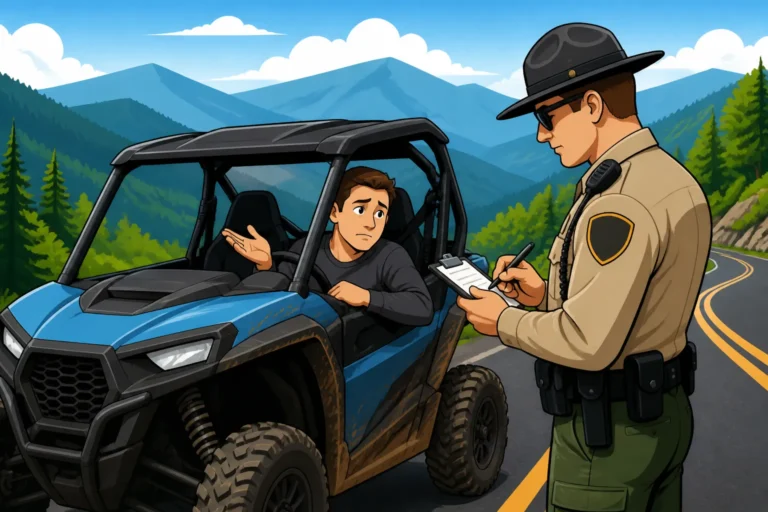
One of the trickiest things about riding your ATV or UTV in North Carolina, especially here in the beautiful, sprawling Piedmont, is figuring out where you can actually legally ride. You’re out there, enjoying the hum of your engine, maybe exploring a new area, and suddenly you see a sign: “Posted. No Trespassing.” This can instantly deflate your adventurous spirit and leave you wondering if you're on the right path or about to run into trouble. This guide will walk you through what "posted land" means in our neck of the woods, why it's so important to respect it, and how you can ride responsibly while staying on the right side of the law.
Understanding "Posted Land" in North Carolina
When you see a sign that says "Posted" or "No Trespassing" in North Carolina, it's not just a friendly suggestion from a landowner. It carries legal weight, and ignoring it can lead to serious consequences, whether you're on foot, in a car, or on your favorite off-road machine. The laws are designed to protect private property rights, and they're taken seriously here. It’s crucial for every ATV and UTV rider to understand these regulations, especially given the mix of rural and developing areas we have across the Piedmont.
The Legal Definition of Posted Property
In North Carolina, for land to be legally "posted," a landowner needs to provide clear notice that entry is forbidden. This isn't just a casual fence line. Our state law specifies particular methods for this notification. The most common, and perhaps the most obvious, is visible signage. These signs must be conspicuous, placed at intervals no greater than 200 yards along the boundaries of the posted area, and at all normal access points like gates or pathways. They also need to be legible, meaning you can actually read what they say without squinting or getting off your machine. The language usually includes phrases like "No Trespassing," "Private Property," or "No Hunting or Fishing," clearly indicating that entry is prohibited without permission.
Another increasingly common method for posting land, particularly in more rural or heavily wooded areas, is the use of purple paint. Yes, purple paint! North Carolina General Statute § 14-159.7 makes it legal for landowners to mark their property boundaries with vertical purple paint marks on trees or posts. These marks must be at least eight inches long and centered at least three feet, but no more than five feet, from the ground. Like signs, they need to be placed at intervals of 200 yards or less along the property boundary and at all obvious access points. This method is incredibly effective for large tracts of land where traditional signs might be difficult to maintain or frequently vandalized. When you see that distinctive purple stripe, consider it the same as a "No Trespassing" sign. It's the landowner's clear message: "Stay Out." This is especially common if you're riding near areas that might also have active [North Carolina Rules for Riding While Hunting].
Common Posting Methods in the Piedmont
Riding through the Piedmont, you're likely to encounter a diverse range of landscapes, from agricultural fields and managed forests to growing suburban developments and scattered rural homesteads. This variety means you'll see both traditional signs and purple paint used, sometimes even in conjunction. Farmers, for instance, often post their fields not only to prevent trespassing but also to protect crops and livestock from accidental damage. As you zip along on your UTV, a clear "Private Property" sign nailed to a fence post or a series of purple-painted trees along a hedgerow should immediately grab your attention.
It’s easy to think that if you don’t see a fence, the land must be open. But that’s a dangerous assumption, especially in our region where property lines can sometimes cut through seemingly wild or undeveloped land. A landowner might have a remote piece of acreage that backs up to a popular riding spot, and they've relied on purple paint to mark their boundary in a way that's durable and clear without needing constant upkeep. When you're out there, whether you've got a stock machine or one kitted out with SuperATV aftermarket parts for rougher terrain, always be on the lookout for these visual cues. Ignorance of the law or a landowner's intent is no defense if you find yourself facing a trespassing charge. It's just a crucial part of being a responsible rider in North Carolina.
Why Landowners Post Their Property (And Why It Matters to You)
Understanding why landowners choose to post their property isn't just academic; it gives you insight into the seriousness of trespassing and why simply "not knowing" isn't an excuse. People don't typically post their land just to be difficult; there are very real, often personal, reasons behind it that every ATV and UTV rider needs to respect.
Protecting Privacy and Property Rights
At its core, posting land is about protecting personal space and property rights. Imagine you own a beautiful piece of land in the Piedmont – maybe it’s a quiet patch of woods you enjoy with your family, or a farm passed down through generations. You’ve invested time, money, and emotion into this land. Having strangers, especially those on loud, fast machines, coming onto your property without permission can feel like a profound invasion of privacy. It disrupts the peace, can damage sensitive areas, or even interfere with personal activities. For many, their land is their sanctuary, and posting it is a clear way to establish those boundaries and maintain their sense of security.
Beyond privacy, there's the protection of the property itself. ATVs and UTVs, while incredibly fun, can leave a significant impact. Trails can get rutted, gates can be left open (leading to livestock escaping), crops can be damaged, and fragile ecosystems can be disturbed. A landowner might have spent years cultivating a particular habitat or managing timber, and unauthorized riding can undo that work in moments. It’s also about preventing theft or vandalism. Unfortunately, posted land sometimes attracts those with ill intentions, and clear signage serves as a deterrent and a legal basis for prosecution if something goes wrong.
Liability Concerns for Landowners
Perhaps one of the biggest drivers for posting land, especially for those who own large tracts or land adjacent to public areas, is liability. North Carolina law provides some protections for landowners who allow recreational use of their property without charge (often called recreational use statutes), but these protections aren't absolute. If someone is injured on your property, even if they were trespassing, there's always the potential for a lawsuit, which can be a huge financial and emotional burden.
By explicitly posting their land, landowners are clearly stating that they do not invite or permit entry, thereby attempting to mitigate their liability for any accidents or injuries that might occur to unauthorized individuals. It's a legal shield, a way to say, "You were warned. You entered at your own risk, against my explicit wishes." As an ATV or UTV rider, this is incredibly important to grasp. If you’re riding on posted land without permission and you have an accident – say, you hit a hidden stump, roll your machine, or even just get scratched by a branch – the landowner is far less likely to be held responsible if they have clearly marked their property. They've done their due diligence by warning you away. This is a very serious consideration, and it's why many property owners in the Piedmont, from small lot owners to large timber companies, are diligent about marking their boundaries. Don't put yourself or a landowner in such a precarious position.
Navigating Posted Land Laws as an ATV/UTV Rider in the Piedmont
Now that we understand what posted land means and why it's posted, let's talk about practical strategies for you, the rider, to ensure you're always riding legally and respectfully in the North Carolina Piedmont. This is about being prepared, being smart, and being a good neighbor in the riding community.
Always Seek Explicit Permission
The golden rule for riding on private land is simple: always get explicit permission from the landowner. "Explicit" is the key word here. Don't assume. Don't infer. Don't take a friend's word for it unless they are the landowner or have verifiable written permission. Verbal permission is good, but written permission is even better, especially if you plan to ride regularly. A simple note or text message documenting the permission can save a lot of headaches later.
When seeking permission, be polite, respectful, and clear about your intentions. Explain what kind of machine you ride, where you'd like to ride, and when. Offer to share contact information. Some landowners might be hesitant, perhaps due to past negative experiences or concerns about noise or damage. Reassure them you're a responsible rider. Perhaps suggest a trial period, or offer to help with a task on their property in exchange for riding privileges. You might be surprised how many doors open with a little courtesy and communication. Remember, developing a good relationship with a landowner could secure you access to some fantastic private trails, far better than any unauthorized ride could offer. This proactive approach can make all the difference in expanding your legal riding opportunities. If you're looking to modify your machine for the types of trails you'll find on private land, companies like SuperATV offer a wide range of parts that can enhance your ride, from suspension upgrades to winches, making you a more capable and prepared rider for approved excursions.
The Importance of Maps and GPS
In today's world, there's really no excuse for accidentally straying onto posted land. Technology is your best friend here. Before you even load your machine onto the trailer, spend some time studying maps of your intended riding area. Public land boundaries are generally well-documented, but private parcels can be a maze. Many counties in North Carolina offer online GIS (Geographic Information System) maps that show property lines, owner names, and parcel numbers. These are invaluable resources. You can often overlay satellite imagery with property lines, giving you a clear visual of who owns what.
Once you’re out on the trail, a good GPS unit or a reliable mapping app on your smartphone is essential. Apps like onX Offroad or others can show property boundaries in real-time, often using the same parcel data available from county GIS offices. Plot your route, mark known public access points, and always be aware of your position relative to property lines. If you're on a multi-day trip or exploring unfamiliar territory, a power bank for your devices is a must. Don't rely solely on cell service, as many prime riding spots, especially in the more rural parts of the Piedmont, can be cell dead zones. Knowing your location precisely can prevent an honest mistake from turning into a trespassing charge. This proactive mapping and navigation are just as important as ensuring your machine has all the necessary [North Carolina Equipment Rules for ATVs] for safe operation.
Here's a quick comparison of mapping types:
| Map Type | Best Use | Pros | Cons |
|---|---|---|---|
| County GIS Online Map | Pre-ride planning, ownership research | Accurate property lines, owner info, aerial views | Not always mobile-friendly, requires internet, static |
| Dedicated GPS Device | Real-time trail navigation, remote areas | Durable, good battery life, pre-loaded maps, often works offline | Upfront cost, learning curve, map updates can be costly |
| Smartphone App (e.g., onX Offroad) | Real-time navigation, flexible, budget-friendly | Often includes property lines, satellite views, works offline (with download) | Relies on phone battery, less durable than dedicated GPS, small screen |
| Paper Topographic Map | Backup navigation, big picture overview | No battery needed, durable in rough conditions, shows terrain details | Less detail on property lines, no real-time position, can be bulky |
What to Do If You Trespass Accidentally
Even with the best intentions and careful planning, mistakes can happen. You might take a wrong turn, miss a small sign, or follow an old trail that unexpectedly leads onto private property. If you find yourself in this situation, the most important thing is to act quickly, respectfully, and without causing further issue.
First, stop immediately. Turn off your engine if possible. Do not try to quickly turn around or make a run for it; this can look suspicious and escalate the situation. Assess your surroundings. Is there a clear sign you missed? Are you on a well-defined trail or deep in someone's backyard?
Next, turn around and leave the way you came, if safe to do so. Do not try to find a shortcut or cut across someone's property to get back to where you think you should be. Simply retrace your steps. If you encounter a landowner, be polite, apologetic, and explain that you made an honest mistake and are leaving immediately. Do not argue or become defensive. Offer to show them your map or GPS if it helps explain your error. A calm, respectful demeanor can de-escalate a potentially tense situation.
Finally, learn from the experience. When you’re back on legal ground, mark the area on your map or GPS to ensure you don’t make the same mistake again. Share this information with your riding buddies. This proactive correction and communication are vital for maintaining good relationships with landowners and the broader community. Sometimes, a simple mistake can lead to questions about [North Carolina ATV Highway Use Tax] or even [North Carolina ATV Title Paperwork] if authorities get involved, so avoiding the situation altogether is always best.
The Piedmont's Unique Landscape and Riding Challenges
The North Carolina Piedmont is a truly distinctive region, and its specific geographic and demographic characteristics present unique challenges and considerations for ATV and UTV riders when it comes to posted land. Unlike the vast, often remote tracts of the mountains or the coastal plain's marshy expanses, the Piedmont is a tapestry of varied land uses that requires a different kind of awareness from riders.
Patchwork Ownership and Development
One of the defining features of the Piedmont is its "patchwork" ownership pattern. We have areas of dense urban and suburban development, but just a few miles out, you'll find thriving farms, small timber operations, and sprawling rural estates. This means that public lands and private properties are often intricately intertwined, making property lines less straightforward than in areas with large, unbroken swathes of forest. A seemingly wild forest path could suddenly become someone's backyard. A logging road that feels open might quickly cross onto private hunting land.
The ongoing development across the Piedmont also contributes to this complexity. As towns grow and new subdivisions pop up, old logging trails or farm access roads that were once casually used might now abut private residences, making their boundaries strictly enforced. What was once considered "open" land a decade ago may now be clearly posted. This dynamic landscape means riders need to be exceptionally vigilant and proactive in checking current land ownership and respecting new postings. It also means that finding continuous, extensive legal riding areas can be more challenging, often requiring riders to seek out specific, designated private parks or organized trail systems rather than simply heading out into the woods. If you're outfitting a machine for these diverse conditions, considering robust protection like skid plates or heavy-duty bumpers from SuperATV might be a good idea, as accidental bumps or scrapes are more likely with varied terrain and closer proximity to fences or structures.
Where to Find Legal Riding Opportunities in the Piedmont
Given the challenges of navigating private land, many riders in the Piedmont look for dedicated, legal places to ride their ATVs and UTVs. While large public OHV trail systems like Brown Mountain or Badin Lake are mostly found in the western part of the state, the Piedmont still offers options, though they often lean towards private parks or managed recreational areas.
Some private parks are specifically designed for off-road enthusiasts. These parks typically charge an entry fee, but in return, they offer well-maintained trails, designated parking areas, and often amenities like restrooms or wash stations. They've already handled the permission issues, so you can ride with peace of mind. These are fantastic places to bring your [North Carolina Titles for a Youth Machine] and introduce younger riders to the sport in a controlled environment, or to enjoy a group ride without constantly worrying about boundaries.
Another avenue is to seek out private landowner permission, as discussed earlier. Forming relationships with farmers or other large property owners can unlock unique riding experiences. Some may even have extensive trail networks they are willing to share with responsible riders. Clubs are also a great resource. Joining an ATV or UTV club can connect you with fellow enthusiasts who know of legal riding spots, organize group rides on private lands with permission, or even manage their own club trails. These communities often have a wealth of knowledge about local regulations and safe riding practices. Remember, wherever you ride, ensure your machine meets all [North Carolina Equipment Rules for ATVs] and that you're aware of the [North Carolina Rules for Riders Under 16] if you have young passengers. Always check the rules and status of any riding area before you go, as conditions and access can change.
Disclaimer
This article is for general informational purposes only and does not constitute professional advice. Laws, prices and regulations vary by location and change over time. Consult a qualified professional for guidance on your specific situation.