North Carolina Rules for Riding a State Park Road
It’s a beautiful weekend here in North Carolina, and you’re looking at your ATV or UTV, dreaming of hitting those scenic winding roads you’ve seen cutting through our incredible state parks. You picture crisp mountain air or the unique coastal landscape, and naturally, you wonder, "Can I just take my machine for a spin on those park roads?" It’s a common and totally understandable thought, but unfortunately, the reality for ATV and UTV riders in North Carolina’s state parks is often quite a bit different from that idyllic dream. This guide is here to clear up the confusion and help you understand the actual rules for riding off-highway vehicles in our state parks.
The Straight Talk About North Carolina State Parks and OHVs
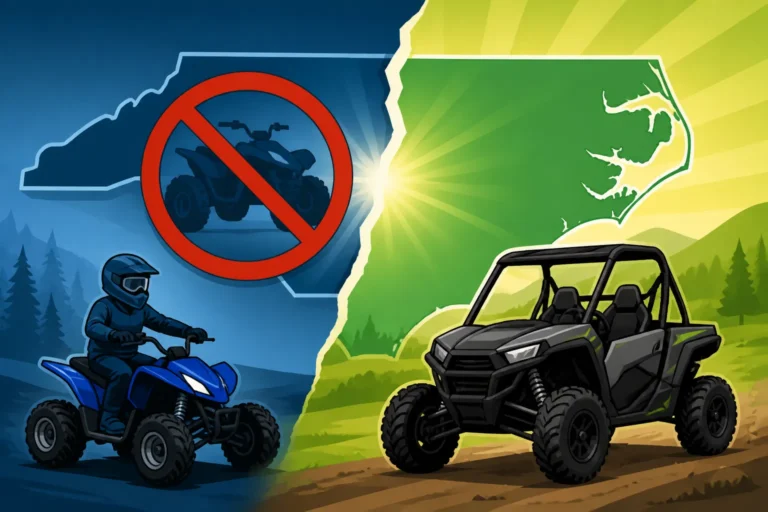
Let's cut right to the chase, because I know you don't want to waste a beautiful day wondering. Generally speaking, riding your ATV or UTV on state park roads in North Carolina is a non-starter. North Carolina State Parks are established with specific missions: to conserve natural and cultural resources, and to provide recreational opportunities that are compatible with that conservation mission. For the most part, off-highway vehicles like ATVs and UTVs just don't fit into that picture.
Think about it from the park system's perspective. These roads, whether paved or gravel, are usually intended for traditional passenger vehicles, bicycles, or foot traffic. Introducing off-highway vehicles, which have different noise profiles, potential for environmental impact (especially off marked paths), and safety considerations, runs counter to the quiet enjoyment and environmental protection goals of a state park. It’s not a slight against ATV and UTV riders; it’s a policy rooted in how these lands are managed for the benefit of all visitors and for the long-term health of the ecosystem. So, while the idea of cruising through the picturesque scenery of a place like Crowders Mountain State Park or Merchants Millpond State Park on your quad might be tempting, it’s highly unlikely you’ll find it permitted.
There's a fundamental difference between state parks and designated OHV trail systems, even those managed by the federal government within our national forests. State parks prioritize passive recreation, wildlife protection, and educational experiences, often aiming for minimal impact. OHV areas, on the other hand, are specifically designed and managed to sustain the impact of motorized recreational vehicles. This distinction is crucial when you're planning your rides.
Why North Carolina State Park Roads Are Generally Closed to OHVs
Understanding why these rules exist can sometimes make them a little easier to swallow, even if they're not what we want to hear. North Carolina's state parks operate under a different set of directives compared to, say, the national forest systems.
Conservation and Environmental Impact
The primary mission of North Carolina State Parks is conservation. Every decision, from trail development to visitor access, is weighed against its potential impact on the natural environment. ATVs and UTVs, by their very nature, can have a greater environmental footprint than hiking or cycling. Issues like soil erosion, noise pollution disturbing wildlife, and potential damage to sensitive plant life are all concerns that the park system has to consider. Even on established gravel or paved roads, the park service often limits vehicle types to maintain a certain atmosphere and minimize broader environmental stress. Imagine the cumulative effect if hundreds of OHVs were allowed on park roads daily – it would quickly change the character of the park and potentially harm its delicate ecosystems.
The state has designated specific areas for motorized recreation, typically within national forests, precisely because those areas are managed for that type of use and can sustain it. [North Carolina Rules for Riding a State Park Road] are designed to keep the park's primary mission intact, ensuring these treasured natural spaces remain pristine for generations to come, and for wildlife that calls them home.
Safety and User Conflict
Another significant factor is safety and the potential for user conflict. State park roads are often shared by hikers, cyclists, joggers, families with children, and wildlife observers. Introducing faster-moving, heavier, and sometimes louder off-highway vehicles into this mix can create hazardous situations and disrupt the peaceful experience many park visitors are seeking. The goal is to ensure that everyone can enjoy the parks safely and without undue disturbance. A cyclist enjoying a quiet ride through Umstead State Park certainly isn't expecting to share the road with a side-by-side.
The infrastructure of state park roads is also not always designed to handle diverse vehicle types and speeds. While some roads might seem sturdy, they aren't necessarily built to the same specifications as designated OHV trails which account for the specific demands of ATVs and UTVs. The liability implications for the state also play a role; by restricting OHVs, they limit potential accidents and injuries on roads not intended for such use.
Legal Classifications and Road Designations
In North Carolina, the legal classification of roads is quite nuanced. A road within a state park might be considered a "public road" in some contexts, but it's often under the specific jurisdiction of the State Parks system, which has its own set of regulations distinct from broader highway laws. Unlike public roads where a [North Carolina's Modified Utility Vehicle Route] might be permissible if properly registered and equipped, state park regulations often supersede these allowances for the specific purpose of park management.
This means that even if your UTV could theoretically be made street-legal in North Carolina, the internal rules of the state park would still prevent its use on park roads. These roads are not like typical county or state highways; they are integral parts of a protected natural area with strict management guidelines. You wouldn't take your fishing boat onto a hiking trail, right? It's a similar principle – different recreational vehicles have different designated spaces.
Where North Carolina Riders CAN Legally Ride Their ATVs and UTVs
So, if state parks are generally off-limits, where can you ride your beloved ATV or UTV in North Carolina? The good news is, our state and surrounding regions still offer fantastic opportunities for off-road enthusiasts. You just need to know where to look and understand the specific rules for those areas.
Designated OHV Trail Systems in National Forests
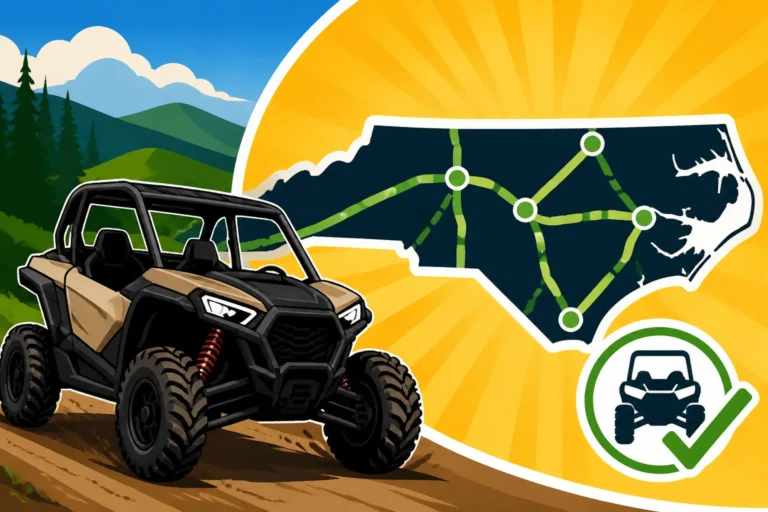
North Carolina is fortunate to host parts of three national forests: the Pisgah, Nantahala, and Uwharrie National Forests. Within these federal lands, you’ll find dedicated OHV trail systems that are managed specifically for ATVs and UTVs. These are your prime destinations for legal, organized off-roading.
- Brown Mountain OHV Trail System: Located in the Pisgah National Forest near Morganton, this system offers miles of challenging trails. It's known for its climbs, descents, and rocky sections that will truly test your machine and your skills. Remember, you'll need a permit to ride here.
- Badin Lake OHV Trail Complex: Situated in the Uwharrie National Forest, the Badin Lake system is popular for its diverse terrain, including mud, roots, and rocky areas. It’s a great spot for a full day or even a weekend of riding, and like Brown Mountain, requires a permit. You'll find plenty of other riders here, and companies like SuperATV offer heavy-duty parts that are popular for navigating these trails.
- Wayehutta OHV: Over in the Nantahala National Forest in western North Carolina, Wayehutta provides another excellent riding experience, though it's seen some closures due to storm damage in the past, so always check its status before you go.
These national forest trails are designed with OHV use in mind, balancing recreation with environmental stewardship through careful planning and maintenance. They are the antithesis of state park roads when it comes to OHV access. Always check current conditions and permit requirements for these systems before heading out. [North Carolina Forest OHV Permits] are usually required, and you can often purchase them at local ranger stations or designated vendors.
Private Off-Road Parks and Lands
Beyond the national forests, North Carolina has a growing number of private off-road parks. These are businesses that have developed and maintain their own trail systems specifically for ATVs, UTVs, and sometimes other off-road vehicles. They often offer a variety of terrain, from beginner-friendly loops to extreme rock crawling, and may even include amenities like wash stations, camping, and restrooms.
Private parks are fantastic because they're built around the rider experience. Examples might include smaller, locally-run parks that cater to specific types of riding or larger, more commercial ventures. Always check their specific rules, fees, and requirements before visiting. Many private parks also host events, races, and group rides, offering a vibrant community aspect to off-roading. When you're outfitting your machine for these demanding environments, accessories from brands like SuperATV can make a real difference in terms of durability and performance.
Another option, if you're lucky enough to have it, is riding on private land with the express permission of the landowner. This is perhaps the most flexible option, but it comes with critical responsibilities. You must have clear, explicit permission, preferably in writing, to avoid trespassing. [North Carolina Landowner Permission Requirements] are serious business, and you don't want to inadvertently become a trespasser. This is where many riders enjoy their machines, whether it's on a family farm, a friend's hunting lease, or a dedicated private property.
Limited Road Use: Farming Exceptions and Modified Utility Vehicles
While not directly related to state park roads, it's worth noting the very limited circumstances where ATVs and UTVs can legally operate on certain public roads in North Carolina.
- Farming Operations Exception: North Carolina law provides an exception for ATVs and UTVs to be used on public roads when directly related to farming operations. This isn't a free pass to joyride; it's strictly for farm business, such as moving equipment between fields or checking livestock. Even then, there are stipulations regarding speed and safety.
- Modified Utility Vehicles (MUVs): This is a unique classification in North Carolina. An MUV is essentially a UTV that has been modified to meet specific safety and equipment standards, allowing it to be registered and titled for limited road use. The requirements are stringent: engine size, dimensions, specific safety equipment (like turn signals, headlights, tail lights, seat belts, a speedometer, and a parking brake), and a maximum speed limit. Most stock UTVs do not meet these MUV requirements, and the process to convert one can be extensive. Even if you have an MUV, these would still likely be excluded from state park roads due to park-specific regulations. You can learn more about these specifics in articles like [North Carolina MUV Registration Requirements].
For the vast majority of riders, these exceptions won't apply to state park access, but it's good to understand the full landscape of ATV and UTV laws in our state.
Planning Your North Carolina OHV Adventure
Since state parks are largely off the table for OHV riding, planning your adventure means focusing on the designated legal areas. Here are some steps to ensure a fun and compliant experience.
Research and Verify Current Regulations
Before you load up your trailer and hit the road, always do your homework. Regulations can change, and trail conditions can vary wildly due to weather or maintenance.
- Check National Forest Websites: For Brown Mountain, Badin Lake, and Wayehutta, regularly consult the U.S. Forest Service website for the Pisgah, Nantahala, and Uwharrie National Forests. Look for current operating hours, trail closures, permit requirements, and any specific alerts (like those due to hunting season or heavy rain).
- Contact Private Parks Directly: If you're planning to visit a private park, check their website or call them for their latest rules, fees, booking procedures, and any specific machine requirements. Many parks have their own rules regarding helmets, passenger age, and vehicle modifications.
- Understand Permit and Safety Requirements: Most national forest OHV trails require a permit, and North Carolina also has a [North Carolina ATV Safety Certificate Requirements] for riders born on or after January 1, 1990. Make sure you and everyone in your riding party meets these criteria and carries the necessary documentation. [Who Needs a North Carolina Safety Certificate] can help clarify this for your group.
Prepare Your Machine and Gear
Once you know where you’re going, make sure your machine is ready for the terrain. This is where quality parts and proper maintenance really shine.
- Pre-Ride Inspection: Always perform a thorough inspection of your ATV or UTV. Check tire pressure, fluid levels, brakes, lights, and ensure all nuts and bolts are tight. A breakdown far from civilization is no fun.
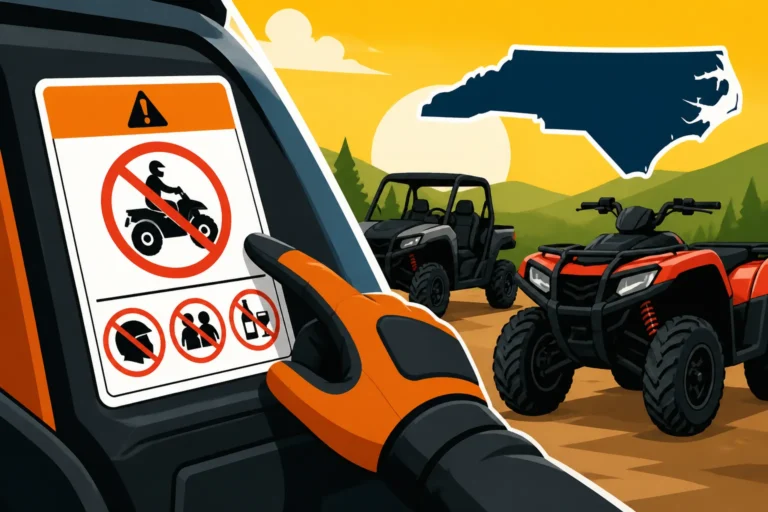
- Safety Gear: Helmets are non-negotiable, and eye protection, gloves, and sturdy boots are highly recommended. Dress in layers appropriate for the weather, and consider body armor or chest protectors for more aggressive riding.
- Essential Supplies: Carry a first-aid kit, tools for basic repairs, a spare tire (if applicable for UTVs), a tow strap, water, snacks, and a way to communicate (cell phone, satellite messenger, or two-way radio). Even on well-maintained trails, things can happen. Many riders who push their machines on challenging trails often rely on upgrades from companies like SuperATV for enhanced durability, like stronger axles or heavy-duty suspension components, which can give you more confidence out on the trail.
Respect the Rules and the Land
When you're finally out on the trails, remember that responsible riding is key to keeping these areas open for everyone.
- Stay on Marked Trails: This is paramount. Riding off-trail causes erosion, damages sensitive ecosystems, and can lead to trail closures. Respect the signage and the hard work of those who maintain the trails.
- Pack It In, Pack It Out: Leave no trace. Carry out everything you carry in, including trash and any broken machine parts.
- Yield to Others: Be courteous to other riders, hikers, and equestrians you might encounter. Share the trails responsibly.
- Know Your Limits: Ride within your skill level and the capabilities of your machine. Pushing too hard can lead to accidents and injuries.
By focusing on these dedicated OHV areas and adhering to their specific rules, you can still enjoy countless hours of thrilling and scenic riding in North Carolina, even if those beautiful state park roads remain off-limits for our machines. For more ideas on where to ride, check out resources like [Where to Ride an ATV in North Carolina].
| Category | State Park Roads (Generally) | National Forest OHV Trails | Private OHV Parks | Private Land (With Permission) |
|---|---|---|---|---|
| ATV/UTV Access | No | Yes | Yes | Yes |
| Permit Required | N/A | Yes (Day/Season) | Yes (Entry Fee) | No (Owner's rules apply) |
| Primary Purpose | Conservation, Passive Rec. | Motorized Recreation, Multi-use | OHV Recreation, Business | Owner's Discretion |
| Typical Terrain | Paved/Gravel Roads | Dirt, Rock, Mud, Hills | Varied (trails, tracks, etc.) | Varied |
| Supervision Rules | N/A | Yes (for minors) | Varies by Park | Owner's Discretion |
| Conservation Focus | High | Balanced with Rec. | Varies, often part of mission | Varies |
Disclaimer
This article is for general informational purposes only and does not constitute professional advice. Laws, prices and regulations vary by location and change over time. Consult a qualified professional for guidance on your specific situation.