A Rider Born Before August 1997
Navigating the world of ATV and UTV regulations in North Carolina can feel like trying to follow a winding trail without a map, especially when you've been riding for years. Many seasoned riders, who've enjoyed the dirt and mud long before today's rules were even dreamt up, often find themselves wondering if the newer laws apply to them. This guide is here to untangle the specifics for those of you who were born before August 1997, clarifying what you need to know to ride legally and safely in our beautiful state.
Understanding North Carolina's Historical ATV Safety Laws
It's easy to look at the current rule book and feel a pang of nostalgia for simpler times. For those who've been riding ATVs since the days when safety regulations were far less comprehensive, the sheer volume of modern mandates can be a bit overwhelming. You've probably seen friends or family members who are newer to the sport scrambling to meet requirements that seem to appear out of nowhere. This isn't just your imagination; North Carolina, like many states, has steadily evolved its approach to off-road vehicle safety over the years.
The Landscape Before August 1997
Decades ago, the focus on ATV safety was primarily on rider responsibility and common sense. There wasn't a complex web of certifications or specific age-related training requirements enforced by the state. Riders bought their machines, learned the ropes, and hit the trails. While some manufacturers provided warnings and guidance, the state largely left it up to the individual. For many of us who grew up with this freedom, the idea of having to "prove" we know how to ride can feel a little redundant, even insulting. After all, you’ve probably logged more hours in the saddle than some instructors have!
However, as ATVs and UTVs grew in popularity, so did the concerns about accidents and injuries, particularly among younger riders. This led to a push for more structured safety measures. The state's goal, ultimately, was to enhance rider safety across the board, reducing the risks associated with these powerful machines. It’s a classic case of public safety evolving alongside the popularity of a recreational activity.
The Birth of the Grandfather Clause
This journey towards increased regulation reached a significant milestone with the introduction of specific safety training requirements. The pivotal date in North Carolina's ATV safety legislation is August 1, 1997. This wasn't a random date picked out of a hat; it marked a legislative change that introduced a new era of responsibility for off-road riders, particularly those who were just starting out. The General Assembly, recognizing that many experienced riders were already out there, riding safely and responsibly, incorporated a "grandfather clause" into the new law.
What this means is that if you were born before August 1, 1997, you are essentially exempt from certain requirements that apply to younger riders. It's the state's way of saying, "We understand you've been doing this for a while, and we're not going to make you jump through hoops that were designed for newcomers." This distinction creates a clear line in the sand, dividing riders into two main categories based on their birth year. For many veteran riders, this was a relief, but it's crucial to understand the nuances of what this exemption truly entails and, just as importantly, what it doesn't cover.
What the "Born Before August 1997" Exemption Means For You
So, you're an experienced rider, you've seen a few seasons, and you were born before that significant August 1997 cutoff. What does that actually mean for your time on the trails and your compliance with North Carolina law? It's pretty straightforward for one key area, but it's vital not to misunderstand it as a blanket exemption from all rules.
Exemption from the Safety Certificate Requirement
The biggest, most direct benefit of being born before August 1, 1997, is that you are not required to possess an ATV safety certificate to operate an all-terrain vehicle in North Carolina. This is a huge relief for many long-time riders who might dread sitting through a safety course for something they feel they've mastered over decades.
For those born on or after this date, the situation is different. They generally need to complete an approved ATV safety course and carry proof of that completion when riding. You can learn more about this in [North Carolina ATV Safety Certificate Requirements]. So, while younger riders are diligently studying safe riding techniques and passing exams, you get a pass on this particular piece of paperwork. You don't need to enroll in a course, carry a card, or worry about a forest service officer asking for your certificate at the trailhead in the Uwharrie or Brown Mountain.
What the Exemption Does Not Cover
Here's the critical part, and it's where misunderstandings can lead to trouble. Being "grandfathered in" for the safety certificate doesn't mean you're exempt from all North Carolina ATV laws. Far from it! There are numerous universal safety regulations and operational rules that apply to every rider, regardless of their age or birth year.
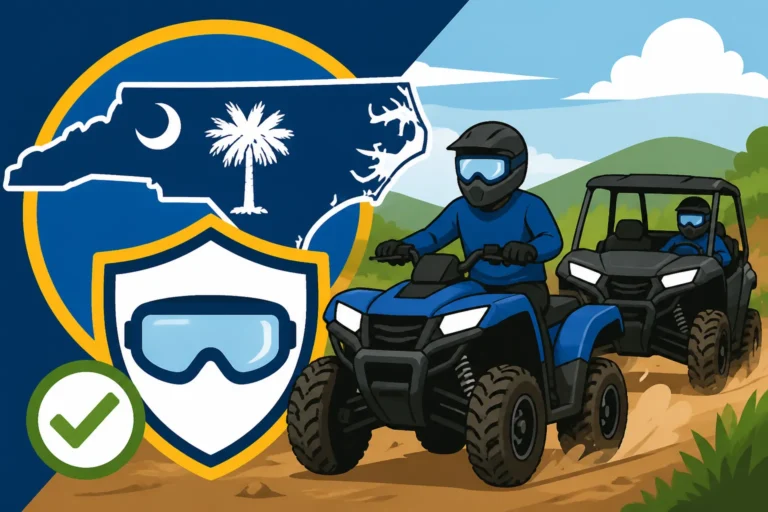
For instance, [North Carolina Helmet Law for ATV Riders] dictates that all riders and passengers under the age of 18 must wear a DOT-approved safety helmet. If you're over 18, the helmet law doesn't apply to you while riding off-road on private land, but if you're on public lands where helmets are specifically required, like the National Forests, then you need one, too. Similarly, [North Carolina Eye Protection Requirement] generally states that riders under 18 must wear eye protection. Again, if you're over 18, it's not legally mandated off-road, but it's absolutely common sense for everyone to wear goggles or a face shield to protect against dust, branches, and debris. Even if you might not need a certificate, essential safety gear like a DOT-approved helmet and proper eye protection—perhaps even robust full-face options found through providers like SuperATV—are non-negotiable for any rider who values their safety and well-being.
You also still need to adhere to rules regarding where you can ride. This includes obtaining [North Carolina Landowner Permission Rules] if you're on private property, understanding restrictions on public roads (most ATVs aren't street-legal, as discussed in [Street Legal ATVs in North Carolina: The Short Answer]), and following specific rules for riding on designated OHV trails within our National Forests. Passenger rules, especially those concerning minors, also apply universally, as detailed in [North Carolina Passenger Rules on an ATV]. The minimum age to operate an ATV, regardless of a safety certificate, is still relevant, so be sure to check [North Carolina Minimum Age to Ride an ATV] if you ever have younger riders with you.
In short, while the burden of a safety certificate is lifted for you, the responsibility of riding safely and legally remains just as strong.
Essential Rules That Still Apply to Every North Carolina Rider
No matter when you were born or how many miles you have under your belt, certain foundational rules and best practices are in place for the safety of everyone enjoying North Carolina's trails and outdoor spaces. These aren't just arbitrary laws; they're designed to prevent accidents, protect our natural resources, and ensure that everyone can have a good time without unnecessary risk.
Universal Safety Gear and Practices
First and foremost, let's talk about gear. While your birth year might exempt you from a safety certificate, it doesn't give you a pass on wearing appropriate safety equipment. A DOT-approved helmet is strongly recommended for all riders, and legally required for those under 18, and on many public trails. Eye protection, whether goggles or a full face shield, is also crucial. Imagine hitting a patch of thorny bushes or having mud kicked up by the rider in front of you without it – that's a quick way to end a fun day. Beyond that, sturdy boots that cover your ankles, long pants, a long-sleeved shirt, and gloves are all part of a smart riding ensemble. They protect you from scrapes, bruises, and even minor burns. Even seasoned riders, well past the August 1997 cutoff, often upgrade their machines with accessories from companies like SuperATV for enhanced safety and performance, like tougher skid plates or brighter LED lighting for night rides. These upgrades aren't just about looking cool; they're about making your machine more capable and safer for the unexpected challenges of the trail.
Beyond the gear, adopting safe riding practices is paramount. Always perform a pre-ride inspection of your machine, checking tires, brakes, lights, and fluid levels. Ride within your skill level and never beyond what your machine can safely handle. Avoid alcohol and drugs when riding, and always be aware of your surroundings, especially if you're riding in unfamiliar territory or sharing trails with others. Remember, even the most experienced riders can get into trouble if they become complacent.
Land Use, Age Restrictions, and Passenger Rules
North Carolina's diverse landscape offers incredible riding opportunities, but knowing where you can legally ride is essential. Public roads are generally off-limits for ATVs and UTVs, unless you're operating a specially registered Modified Utility Vehicle (MUV) or qualify for a very specific farming exemption. Understanding [North Carolina Rules for Riding a Public Street] and [North Carolina Farming Exception for ATVs] is vital to avoid fines.
For private land, you absolutely must have permission from the landowner. Trespassing is a serious issue, and ignoring this rule can lead to legal trouble and damage the reputation of all off-road enthusiasts. This applies to everyone, regardless of age. If you're exploring [Riding Private Ground in North Carolina], always get that permission in writing if possible, or at least clearly understand the boundaries of where you're allowed.
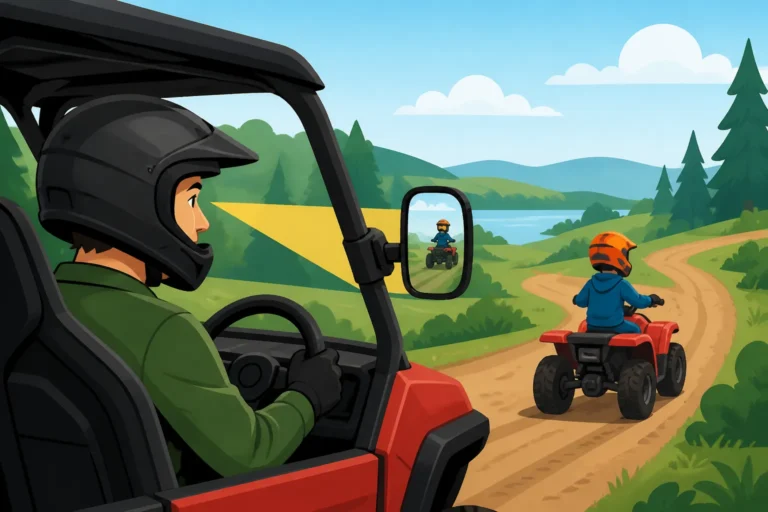
Age restrictions for operators and passengers are also non-negotiable. While you, as an experienced rider, might be exempt from the safety certificate, you still need to ensure that any younger riders or passengers accompanying you meet the state's minimum age requirements and are properly supervised. For instance, children under eight are generally prohibited from riding ATVs. [North Carolina Rules for a Rider Under 16] outlines specific supervision and equipment rules for minors. And speaking of passengers, generally, an ATV is designed for one operator, unless it's a factory-designed two-up model. Carrying a passenger on a single-rider ATV is dangerous and often illegal. Always refer to [North Carolina Passenger Rules on an ATV] for the specifics before you double up.
Finally, if you're planning on riding in North Carolina's national forests, like the Uwharrie or Pisgah, you'll need to purchase a permit. Even if you're "grandfathered" out of a safety certificate, [North Carolina Forest OHV Permits] are required for access to designated trail systems.
Why Staying Informed is Always Your Best Bet
Even for the most seasoned riders, resting on your laurels when it comes to rules and regulations is a risky move. The world of off-road recreation is dynamic, and what was true a few years ago might have shifted.
Laws Evolve: Don't Rely on Old Information
North Carolina's laws, like those in any state, are not static. They can change, often in response to new data, public safety concerns, or evolving technology. Relying solely on what you remember from when you first started riding, or even from a county handout you picked up years ago, could put you in a bind. As highlighted in [Why a County Handout May Be Out of Date], information can become obsolete. What was perfectly legal and safe to do ten or twenty years ago might now carry specific restrictions or require different equipment.
It's tempting to think that once you've passed a certain age or accumulated enough experience, you're done with learning. But truly responsible riders understand that staying current is part of the game. Make it a habit to periodically check official sources like the North Carolina DMV website, the U.S. Forest Service websites for our national forests, or reliable resources dedicated to North Carolina ATV and UTV regulations. A quick search before a big trip could save you from a hefty fine or, worse, a preventable accident.
Embracing the Spirit of Safety
Even though you're exempt from the mandatory ATV safety certificate due to your birth year, embracing the spirit of safety is still the hallmark of a true off-road enthusiast. It's about more than just avoiding tickets; it's about preserving the sport, protecting yourself, and setting a good example for the next generation of riders. Many long-time riders, even those grandfathered in, still choose to take modern safety courses or participate in organized rides that reinforce best practices, often outfitting their machines with reliable parts and accessories, perhaps from SuperATV, to ensure peak performance and safety on the trails.
Think of it this way: you're an ambassador for the sport. When you ride responsibly, respect the land, and adhere to all applicable rules (even those that might not strictly apply to your age group but contribute to overall safety), you help ensure that riding areas remain open and that the public continues to have a positive view of ATV and UTV recreation. Whether you're hitting the expansive trails of the Badin Lake OHV Trail Complex or exploring the challenging terrain of Wayehutta, your actions reflect on the entire riding community. So, keep learning, keep riding safely, and keep enjoying all that North Carolina has to offer!
Disclaimer
This article is for general informational purposes only and does not constitute professional advice. Laws, prices and regulations vary by location and change over time. Consult a qualified professional for guidance on your specific situation.