The 70cc Engine Rule That No Longer Exists
Many North Carolina ATV riders are still confused by an old, persistent rumor about a strict 70cc engine limit for their machines. This outdated information often leads to unnecessary worry and difficulty when trying to comply with the law. This guide will thoroughly explain why the 70cc engine rule is no longer valid in North Carolina and clarify the current regulations concerning ATV engine sizes.
The Lingering Ghost of the 70cc Engine Rule
It’s completely understandable why so many folks in North Carolina still think there’s a 70cc engine limit for ATVs. This particular piece of information has circulated for a long time, becoming one of those bits of common knowledge that just sticks, even after the facts have changed. For years, there was indeed a rule on the books that placed specific restrictions on ATVs with engine displacements of 70cc or less. The intent, of course, was to regulate smaller machines often ridden by younger operators, aiming to enhance safety.
However, laws are not static; they evolve as understanding changes, and as the needs of the riding community and state change. What was once law can become obsolete or even counterproductive. The 70cc rule, despite its initial good intentions, eventually became just such an outdated regulation. It caused significant confusion and sometimes even prevented families from enjoying off-road recreation responsibly. Thankfully, for clarity and practicality, this specific engine size restriction was repealed years ago. So, if you're hearing about a 70cc limit, you're hearing a ghost of a rule that no longer applies to the vast majority of ATV use in the state. You can find more details about why this change happened in [Why the 70cc Rule Was Repealed in North Carolina].
What the Repealed Rule Actually Meant
When the 70cc engine rule was in effect, it generally focused on the operational aspects of smaller ATVs. This often meant specific age requirements for riders, supervision stipulations, and sometimes restrictions on where these smaller machines could be operated. For a parent looking to buy a youth ATV, it created a hurdle of understanding whether their child's machine met the criteria, and what additional legal obligations came with it. Imagine trying to explain to a dealership or a private seller that you needed to be absolutely sure the engine size was precise to the letter of the law, not just for safety, but for legal compliance!
The challenge was that focusing solely on engine size didn't always align with the overall safety profile of a machine or the actual skill level of a rider. A 70cc machine from one manufacturer might be wildly different in weight, stability, and speed from another. It created a somewhat arbitrary line in the sand that didn't always serve the purpose of safety as effectively as intended. It was a well-meaning but ultimately unwieldy regulation that the state recognized needed to be updated to reflect current best practices in ATV safety and education.
North Carolina's Current Approach to ATV Engine Size
With the 70cc rule firmly in the past, North Carolina now takes a much more practical and comprehensive approach to ATV safety and regulation. For typical off-road ATVs, there isn't a general state-mandated engine size limit that applies to everyone. Instead, the focus has shifted to rider age, safety training, and proper operation, which are far more effective ways to promote responsible riding than an arbitrary engine displacement number.
This means you won't find yourself scrambling to verify the exact cubic centimeters of an engine for a standard ATV purchase or ride, as long as it's for off-highway use. This frees up riders to choose machines that are appropriate for their skill level and intended use, whether that's a small youth machine or a larger utility quad. Of course, common sense and manufacturer recommendations, which we'll discuss shortly, still play a huge role in choosing the right machine.
No General Off-Road Engine Limit
For ATVs used purely off-road—whether on private land, designated OHV trails in national forests like the Uwharrie, or at private riding parks—North Carolina law doesn't impose a blanket engine size restriction. This is a crucial point of clarification for many. You can ride a 50cc youth quad or a 1000cc side-by-side without state law dictating specific engine size limits for their off-road operation. This is a huge relief for parents who might be shopping for youth models, as well as for experienced riders looking at powerful utility or sport machines.
The focus has rightly moved away from the machine's numerical engine size and towards the rider's preparedness and adherence to safety guidelines. This approach aligns better with national safety standards and allows for a broader, more inclusive, and safer riding environment. It means that whether you're looking at an entry-level machine or checking out robust upgrades from companies like SuperATV for your larger UTV, engine displacement isn't a legal hurdle in itself for off-road use.
Special Case: Modified Utility Vehicles (MUVs) and Engine Size
While there's no general engine size limit for off-road ATVs, it's vital to understand a very specific exception if you're thinking about street-legal options. North Carolina has a unique category called "Modified Utility Vehicles" (MUVs). These are off-road machines, often side-by-sides, that have been specifically modified and inspected to be legally operated on certain public roads. This is not a blanket street-legal permit for all ATVs or UTVs, but a distinct path with its own set of stringent requirements.
And here's the kicker: MUVs do have an engine size requirement, but it’s the opposite of what the old 70cc rule implies. To qualify as an MUV, the machine must have an engine displacement of more than 2,400 cubic centimeters. Yes, you read that right – more than twenty-four hundred cubic centimeters! This is a massive engine, far beyond most typical ATVs, and is a key distinguishing factor for this specific street-legal category. If you're pondering whether your side-by-side could ever see pavement, you'll need to research [North Carolina's Modified Utility Vehicle Route] and pay close attention to the engine size, as well as the other strict dimension requirements. For further reading on this specific requirement, check out [More Than Twenty-Four Hundred Cubic Centimeters].
Age, Manufacturer Warnings, and the Law
With the old 70cc rule gone, what does North Carolina law say about matching riders to machines, especially for younger operators? This is where understanding the interplay between state law, manufacturer recommendations, and common sense becomes paramount. North Carolina law has shifted its focus to age-based restrictions and safety education, making these the cornerstone of responsible ATV use.
Instead of a specific engine displacement, the law now often refers to minimum age requirements for operating ATVs and mandates safety certificates for certain age groups. This means that while the state isn't micromanaging engine sizes, it is very much concerned with ensuring riders are mature enough and properly trained to handle the machine they're on. This proactive approach aims to prevent accidents more effectively than a simple engine size cap ever could.
The Manufacturer's Age Warning Label
Even though North Carolina doesn't have a specific engine size rule for off-road ATVs, every single ATV sold by a reputable manufacturer comes with a prominent age warning label. These labels are incredibly important and are often tied to engine size categories (e.g., "Age 6+", "Age 10+", "Age 12+", "Age 16+"). They are developed through extensive research, testing, and industry standards, recommending the minimum age for a rider to safely operate a particular machine based on its size, weight, speed, and handling characteristics.
For North Carolina riders, [The Manufacturer's Age Warning Label in North Carolina] actually carries legal weight. The law states that a person cannot operate an ATV if they are younger than the age recommended by the manufacturer’s permanent label. This means if you buy a quad with a "16+" sticker, someone under 16 years old legally cannot operate it, regardless of their skill level or whether a parent is supervising. This puts the onus on parents and guardians to choose age-appropriate machines and ensure their children comply with these critical safety guidelines. It’s not just a suggestion; it’s part of the law!
North Carolina's Age-Based Riding Rules
Beyond the manufacturer's label, North Carolina has specific laws dictating who can ride an ATV based on age. Generally, children under the age of eight are prohibited from operating an ATV on public lands, and there are strict supervision rules for riders under 16. These rules are designed to protect our youngest and most vulnerable riders, ensuring they have the guidance and oversight necessary to ride safely.
Here's a quick overview of how North Carolina approaches age and ATV riding:
| Age Group | General Rule for Off-Road ATV Operation |
|---|---|
| Under 8 Years | Generally prohibited from operating an ATV on public lands. This is a hard stop for young riders on shared trails or public access points. Private land rules apply differently, but caution is paramount. |
| Under 16 Years | Must be under the continuous visual supervision of a parent, guardian, or an adult who is authorized by the parent or guardian. They must also operate an ATV that meets the manufacturer's age recommendation for that rider. Additionally, riders born on or after January 1, 1990, must hold a valid ATV safety certificate. |
| 16 Years and Up | Must operate an ATV appropriate for their age and skill level. Riders born on or after January 1, 1990, still need an ATV safety certificate. |
These regulations underscore the state's commitment to safety through education and responsible operation, rather than focusing on an outdated engine size limit. For comprehensive details on youth riding rules, check out [North Carolina Rules for Riders Under 16]. And don't forget the importance of proper safety training; more information can be found at [North Carolina ATV Safety Certificate Requirements].
Navigating ATV Use Safely and Legally in North Carolina
So, if the 70cc engine rule is a thing of the past, what should North Carolina ATV and UTV enthusiasts focus on to ensure they're riding safely and legally? The answer lies in a combination of responsible machine selection, rider training, proper safety gear, and understanding where you can and cannot ride. It's about being prepared, informed, and respectful of the rules and your environment.
Getting reliable information is key. Don't rely on old hand-me-down stories or outdated online forums. Always check official sources like the North Carolina DMV or Forest Service websites for the most current regulations regarding ATV use, permits, and trail statuses. Riding an ATV is an incredible experience, but it comes with responsibilities.
Choosing the Right Machine (Beyond Engine Size)
When selecting an ATV, especially for a youth rider, think beyond just the engine size. Consider the rider's experience, physical size, maturity, and the type of terrain they'll be riding on. A smaller rider might struggle with a machine that's too heavy or wide, regardless of its engine displacement. This is where the manufacturer's age recommendation becomes your guiding star. Always adhere to that label!
For accessories and upgrades, ensure they enhance safety and control. For instance, a quality helmet, eye protection, sturdy boots, and gloves are non-negotiable for every rider. If you're looking for aftermarket parts like improved suspension, larger tires for specific terrain, or protective skid plates, ensure they're from reputable brands like SuperATV and that they are installed correctly. These additions can greatly improve your riding experience and safety, but they don't change the underlying legal requirements for age or operation.
Where You Can and Cannot Ride
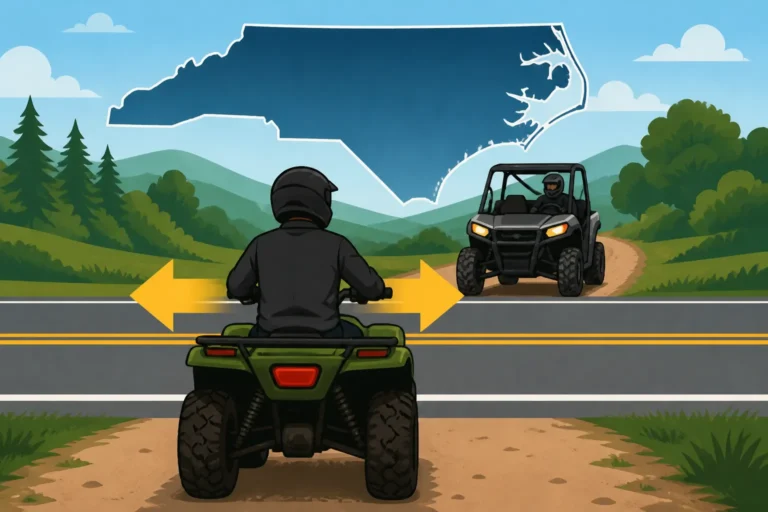
North Carolina has specific rules about where ATVs can be operated. Generally, ATVs are intended for off-road use. This means private property (with permission!), or designated OHV trails within national forests or private parks. Public streets and highways are generally off-limits for standard ATVs, with limited exceptions such as crossing a road safely and directly. This is a very common point of confusion, and understanding [North Carolina Rules for Crossing a Road] is vital.
Always make sure you have explicit permission before riding on private land. Trespassing can lead to serious fines and legal trouble, not to mention damaging landowner relationships. If you're heading to a national forest, make sure you have the necessary permits and that the trails are open. Trail conditions can change rapidly due to weather or maintenance, so always check ahead. [North Carolina Rules for Riding Private Land] offers more insights into respecting private property.
The Importance of Safety Training and Gear
With the 70cc rule gone, the emphasis on safety training has only increased. For anyone born on or after January 1, 1990, a state-approved ATV safety certificate is mandatory for operating an ATV on public lands. This isn't just a hoop to jump through; these courses teach invaluable skills, hazard awareness, and responsible riding practices that can literally save lives. Make sure you carry your certificate with you when you ride.
Proper safety gear is equally non-negotiable. Beyond the basics like helmets and eye protection, consider wearing long sleeves, long pants, and over-the-ankle boots. This gear isn't just for looking the part; it provides crucial protection from falls, debris, and environmental elements. Remember, while North Carolina doesn't generally require helmets for adults on private land, it's always the safest choice. For more on equipment, see [North Carolina Equipment Rules for ATVs].
Disclaimer
This article is for general informational purposes only and does not constitute professional advice. Laws, prices and regulations vary by location and change over time. Consult a qualified professional for guidance on your specific situation.