Sound-Side Shores in North Carolina
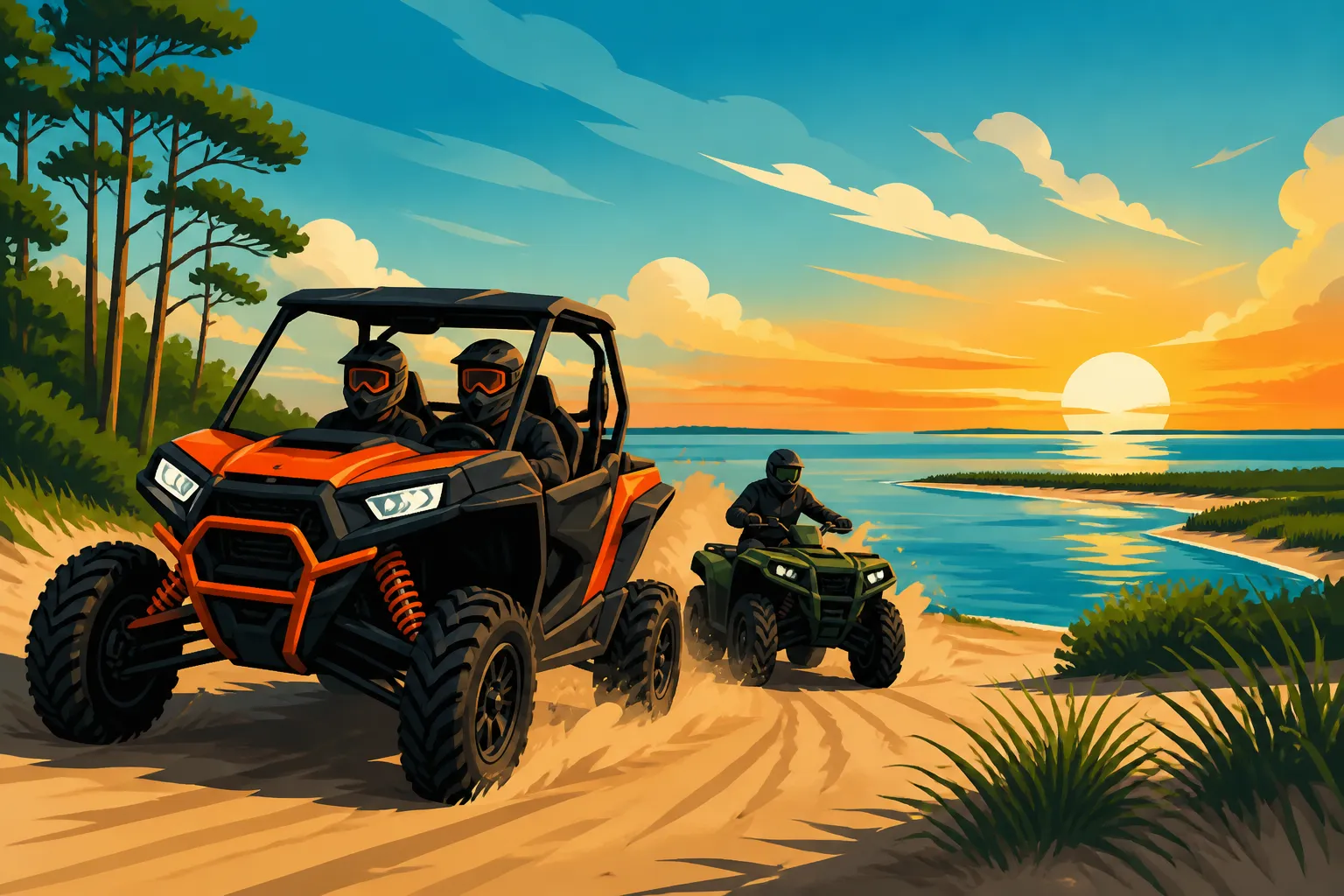
It’s easy to look at those beautiful stretches of sand and shallow water along North Carolina’s sounds and imagine a peaceful ride on your ATV or UTV. We’ve all seen photos or videos of machines cruising along sandy expanses, and it's natural to wonder if those idyllic scenes can be found right here in the Old North State, especially on the sound side. However, the reality of riding an off-road vehicle in these unique coastal environments is far more complex than a simple "yes" or "no." Many riders mistakenly believe that if it’s not the oceanfront, the rules might be different, or perhaps even nonexistent, leading to confusion and potential legal trouble. This guide will cut through that confusion, giving you a clear picture of what North Carolina law says about ATVs and UTVs on sound-side shores.
What Exactly Are North Carolina's Sound-Side Shores?
Before we dive into the nitty-gritty of regulations, let's get on the same page about what "sound-side shores" actually mean in North Carolina. It's a common misconception to lump all sandy coastal areas together, but the distinction between ocean beaches and sound-side areas is crucial, not just geographically, but legally.
Defining "Sound-Side" vs. Ocean Beach
When we talk about North Carolina’s coastline, we often picture the vast Atlantic Ocean beaches – places like Carolina Beach, the Outer Banks, or Oak Island. These are the shores directly facing the open sea, subject to ocean tides, crashing waves, and often very specific, well-known regulations regarding vehicle access, if any. You might recall hearing about [North Carolina's Ocean Beach Rule], which dictates very limited access in certain areas.
Sound-side shores, on the other hand, refer to the land bordering our state's extensive system of sounds, estuaries, and bays that lie behind the barrier islands. Think of the Pamlico Sound, Albemarle Sound, Currituck Sound, Bogue Sound, or the dozens of smaller inlets and creeks that wind their way inland. These are generally calmer waters, protected from the full force of the Atlantic, and they often feature a different kind of shoreline—sometimes sandy, sometimes muddy, frequently marshy, and often fringed with dense vegetation. The key takeaway here is that they are not ocean beaches, and therefore, the rules that might apply to ocean beaches typically do not automatically extend to the sound side.
Typical Characteristics of Sound-Side Areas
The landscape of North Carolina's sound-side shores is incredibly diverse, but it generally shares a few key characteristics that influence ATV and UTV use. You'll often find areas of sparse sand giving way to thick marsh grasses, muddy flats exposed at low tide, and intricate networks of creeks and tidal pools. These environments are vital nurseries for marine life and home to a delicate ecosystem. They're not designed for heavy vehicle traffic.
Because of this ecological sensitivity, many sound-side areas, especially those managed by state or federal agencies, are protected. Even on private property, the land can be soft, boggy, and challenging to navigate without causing significant environmental impact. It's a far cry from a hard-packed gravel trail or a designated [Brown Mountain OHV Trail System] where machines are expected. Understanding these characteristics helps explain why general access for ATVs and UTVs in these areas is often restricted.
The Legal Landscape for ATVs and UTVs on Sound-Side Shores
This is where many riders get frustrated because the answer isn't always what they hope to hear. North Carolina takes a very conservative stance on where ATVs and UTVs can operate, especially on public lands and roads. When it comes to sound-side shores, this general rule holds true.
General Prohibition on Public Roads and Lands
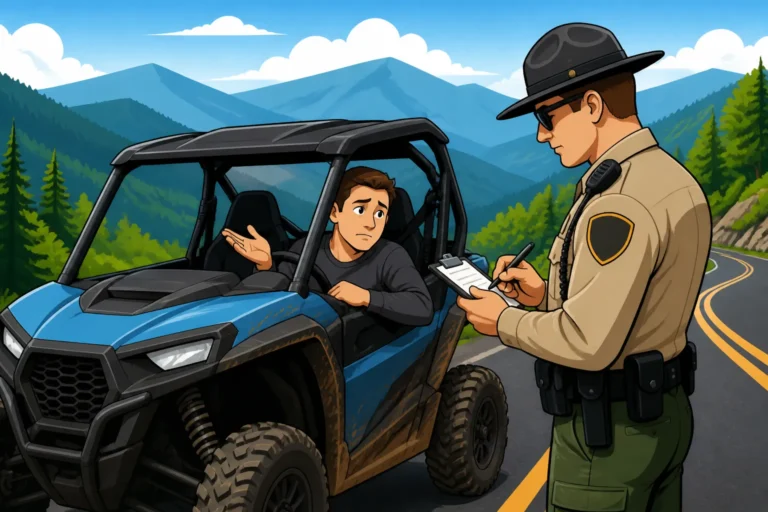
Let's be blunt: for the most part, ATVs and UTVs are not considered street-legal vehicles in North Carolina. This means they are generally prohibited from operating on public roads, streets, and most public lands, including beaches, parks, and, yes, the vast majority of sound-side shores. This isn't just a suggestion; it's the law. If you're caught riding your machine on public property where it's not explicitly permitted, you could face significant fines and even have your machine impounded. It’s important to understand [Are ATVs Street Legal in North Carolina?] from the outset.
There are very narrow exceptions to this rule, such as the [North Carolina's Modified Utility Vehicle Route] which applies to very specific, highly modified UTVs that meet stringent criteria (like specific dimensions, engine size, and safety equipment), or the [North Carolina's Farming Operations Exception], which allows ATVs and UTVs to operate on public roads only for the purposes of directly crossing them or traveling short distances for legitimate agricultural work. These exceptions are specific and rarely apply to recreational riding on sound-side areas.
No Specific "Sound-Side" Exception
Here’s a critical point of clarification: unlike some states or even some very specific towns within North Carolina that might have designated ATV access on certain ocean beaches (often for fishing or property access, not general recreation), North Carolina law does not have a blanket "sound-side" exception for off-road vehicles.
This lack of a specific exception often catches riders by surprise. They might reason that if the ocean beach rules are strict, perhaps the less-trafficked sound side would be more lenient. Unfortunately, this is not the case. Without specific legislation or local ordinances carving out designated riding areas for ATVs and UTVs on public sound-side shores, the general prohibition on operating these vehicles on public roads and lands applies. It means that if it's public land along the sound, it's generally off-limits for your machine unless a very specific and narrow exception, like a farming operation, is in play.
Local Ordinances and Private Property Nuances
While state law is quite restrictive, local county or town ordinances can add layers of complexity, and private property always presents its own set of rules.
Some municipalities or counties might have their own specific rules regarding vehicles on various types of shorelines within their jurisdiction. However, these local rules are usually more restrictive, not less. They might prohibit all vehicles, including golf carts, from areas near the water to protect sensitive habitats or to prevent erosion. It’s always your responsibility to check with the local county or town government where you intend to ride. A quick call to the local sheriff's department or the planning department can save you a lot of headache and potential fines. This is where the frustration really hits home because what's allowed in Dare County might be completely forbidden just a few miles down the road in Hyde County, for example.
The most straightforward way to ride an ATV or UTV on sound-side shores is if you own private property bordering the sound or have explicit permission from the landowner. [North Carolina Landowner Permission Rules] are critical here. If you're on private land, the owner sets the rules, as long as those rules don't violate state laws (such as age restrictions for riders or basic safety requirements). This is the primary avenue for legal sound-side riding for most individuals. However, even on private land, you still have a responsibility to ride safely and respect the environment. Your awesome SuperATV lift kit might make navigating the marsh easier, but it doesn't give you a free pass to damage wetlands.
Navigating the Complexities: Where Can You Potentially Ride?
Given the legal restrictions, many riders wonder if there’s any realistic way to enjoy their ATVs or UTVs near North Carolina’s sounds. The answer is yes, but it almost always boils down to specific, limited scenarios.
Private Land with Permission
As mentioned, this is your golden ticket. If you own land that backs up to a sound or have a friend, family member, or employer who does, and they grant you permission, then you can legally ride your ATV or UTV on that specific private property. This is probably the most common scenario for sound-side riding. It’s crucial that this permission is clear and preferably in writing. Just a verbal "go ahead" can sometimes lead to misunderstandings, especially if a new owner takes over or if there's a dispute.
When riding on private land, remember that even though you have permission, you should still practice responsible riding. These areas are often ecologically sensitive. Stick to existing tracks, avoid driving through fragile marsh grasses or directly into shallow waters where you might disturb aquatic life or cause erosion. Many landowners appreciate their property's natural beauty and expect riders to respect it. This also ties into overall safety; even if it's private, all riders under 16 still need continuous visual supervision.
Commercial Operations or Guided Tours
Another potential avenue for experiencing sound-side areas with an ATV or UTV is through a commercial tour operator. Some businesses might obtain special permits or operate on their own large tracts of private land that border the sounds. These [Guided ATV Tours in North Carolina] are typically structured experiences where you ride their machines under the supervision of a guide.
It’s important to understand that participating in a guided tour doesn't grant you general permission to ride your own machine in these areas. It simply means the tour company has done the legwork to ensure their operations are legal. If you’re looking for a casual ride on your own machine, this isn't your solution, but it can be a fantastic way to see parts of the sound-side that are otherwise inaccessible.
Farming Operations and Utility Work
The [North Carolina's Farming Operations Exception] allows ATVs and UTVs to be used for agricultural purposes on public roads, but only under very specific conditions. This exception might apply to sound-side areas if they are actively used for farming (e.g., aquaculture, marshland management for crops or livestock).
For instance, if a farmer needs to access an oyster farm or manage livestock on property that borders a sound, they might use an ATV or UTV to transport equipment or check fences. In these cases, the use is strictly tied to the agricultural operation. Similarly, utility companies performing maintenance on power lines or other infrastructure might use off-road vehicles to access remote sound-side locations. However, these are work-related uses, not recreational ones. The exception covers [Which Roads the Farm Exception Actually Opens] for these purposes, but it doesn't open sound-side recreational riding.
Staying Safe and Legal on North Carolina's Coasts
No matter where you're riding in North Carolina, safety and legal compliance should always be your top priorities. The unique conditions of sound-side areas add another layer of considerations.
| Feature / Area | Ocean Beaches (Generally) | Sound-Side Shores (Generally) | Private Land (Sound-Side) |
|---|---|---|---|
| Legal Status | Highly restricted, specific town/county rules may apply | Largely prohibited on public access points | Permitted with explicit landowner consent (within state law) |
| Primary Regulation | Local ordinances, state exceptions (limited, often for access) | NC ATV/UTV public road/land laws (general prohibition) | Landowner discretion, general state safety laws apply |
| Common Use | Access for fishing/hunting (limited), very few recreational areas | Agricultural/utility work with proper permits, private recreation | Recreation, access to private docks/watercraft, farming |
| Permit/License | Varies by town/county, if allowed at all | No general permit for public sound-side recreation (as prohibited) | None for the land itself, but age/safety certs for riders apply |
| Vehicle Type | Standard ATVs/UTVs (if allowed), often specific tire rules | Standard ATVs/UTVs, MUVs for specific road use (unlikely on shore) | Any ATV/UTV type, consider appropriate modifications |
| Key Concern | Dune protection, sea turtle nesting, pedestrian safety | Marshland protection, sensitive ecosystems, erosion, water quality | Environmental impact, property damage, rider safety |
Always Check Local Regulations
I can't stress this enough: always, always verify the current regulations with local authorities before you head out. Laws and local ordinances can change, and what was allowed last year might not be this year. A quick phone call to the county sheriff's office, parks and recreation department, or town hall in the specific area you plan to visit can save you a lot of grief. Don’t rely solely on online forums or old information. Getting caught on a prohibited sound-side area could result in [North Carolina Fines for an ATV Violation] that will certainly ruin your day.
Respect the Environment
Whether you're on private land with permission or navigating a rare permitted area, sound-side ecosystems are incredibly delicate. The salt marsh grasses, the shallow waters, and the sandy flats are crucial habitats for a wide variety of wildlife. Driving recklessly or off-trail can cause irreversible damage, leading to erosion, habitat destruction, and harm to marine life. Even the most capable machine, perhaps outfitted with rugged tires from SuperATV, needs to be operated with environmental consciousness.
Always stay on established trails or dry, firm ground. Avoid driving into the water or through wet marsh areas. Proper maintenance of your machine, including having a functional [North Carolina Spark Arrester Requirement], is also crucial to prevent wildfires in dry vegetation. Let's make sure our enjoyment doesn't come at the cost of North Carolina's natural beauty.
Gear Up for Coastal Conditions
Riding in sandy, potentially wet, and salty environments requires specific considerations for both rider and machine. While sound-side riding doesn't typically have the same designated trail systems as mountain OHV parks like [Badin Lake OHV Trail Complex], you still need to be prepared.
Even if not explicitly mandated for "sound-side" riding, it's always wise to wear appropriate safety gear, including a DOT-approved helmet, eye protection, long pants, a long-sleeved shirt, gloves, and sturdy boots. These are generally recommended for all ATV riders, regardless of location, as outlined in [Helmet and Eye Protection Rules in North Carolina]. The sun can be intense, and reflections off the water can be blinding.
For your machine, consider the impact of sand and saltwater. Regular cleaning is essential to prevent corrosion. Your vehicle’s air filter will likely get dirty faster in sandy conditions, so frequent checks and cleaning are a must. Some riders also opt for specialized tires or modifications designed to handle softer terrain, and companies like SuperATV offer a range of products that can enhance your machine's capability and durability in challenging environments, provided you're riding legally on private land.
In conclusion, while the allure of North Carolina's sound-side shores for ATV and UTV riding is undeniable, the legal reality is that most public access points are off-limits for recreational use. Your best bet for enjoying these unique areas with your machine is on private land with explicit permission, or through sanctioned commercial tours. Always prioritize safety, environmental stewardship, and legal compliance to ensure a positive experience for everyone.
Disclaimer
This article is for general informational purposes only and does not constitute professional advice. Laws, prices and regulations vary by location and change over time. Consult a qualified professional for guidance on your specific situation.