Riding Double on a One-Seat Quad
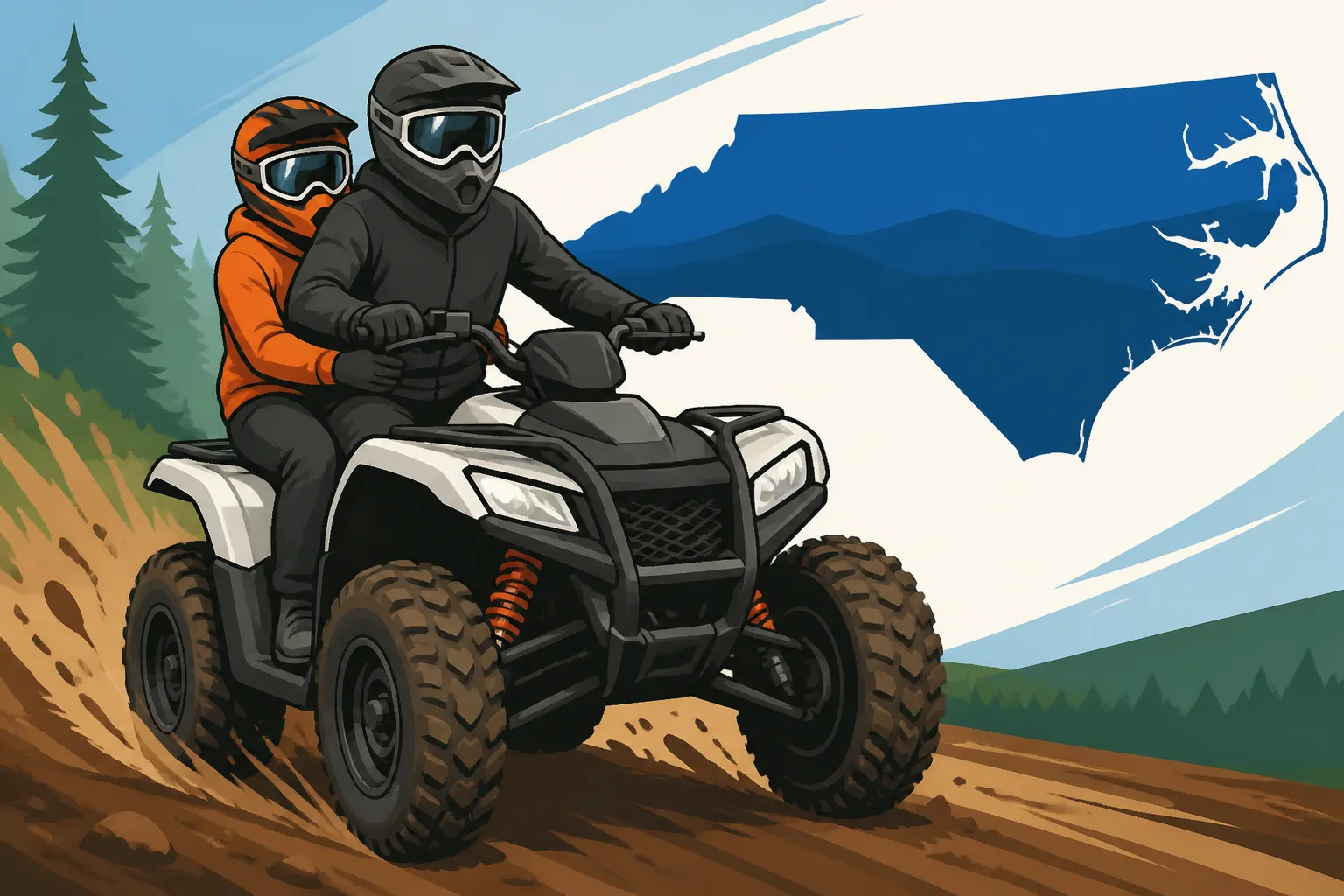
Oh, the age-old dilemma! You've got your trusty quad, a beautiful stretch of North Carolina trail beckons, and a friend or loved one wants to come along for the ride. It’s a natural impulse to want to share the adventure, and many riders find themselves wondering, "Can I just squeeze someone on the back of my single-seat ATV?" The short answer, and the hard truth, is that riding double on a quad designed for one person is not only incredibly risky but also largely against the law here in North Carolina. This guide will delve deep into why it's a bad idea, what the law specifically says, and safe, legal ways you can enjoy the trails with company.
Understanding Why One-Seat Quads Aren't Meant for Two
It's easy to look at a sturdy ATV and think it can handle a bit more weight, but the engineering behind these machines is incredibly precise, designed for a single operator's weight and control. Adding a second person fundamentally alters everything.
The Fundamental Design Limitations
When an ATV manufacturer designs a machine, they meticulously calculate its center of gravity, suspension travel, braking capacity, and steering response based on a single rider. Every component, from the frame to the tires, is balanced for that specific purpose.
Imagine trying to ride a bicycle with someone perched on the handlebars – it immediately becomes wobbly, hard to steer, and nearly impossible to stop quickly or maintain balance, especially on uneven terrain. A single-seat ATV responds in a similar, though perhaps less obvious, way.
- Weight Distribution and Center of Gravity: A second person, especially on the rear rack or crowded onto the seat behind the driver, shifts the machine's center of gravity dramatically. This makes the ATV top-heavy and far more prone to rollovers, especially during turns, climbs, or descents. What might have been a stable, controlled maneuver with one rider can become a dangerous balancing act with two. The front end might lift unexpectedly, or the rear might slide out without warning.
- Suspension and Braking: The suspension system is tuned for the weight of one rider and their gear. Adding a passenger overloads it, compressing springs beyond their intended range, reducing ground clearance, and making the ride bouncy and unpredictable. This loss of suspension effectiveness also impacts traction and control. Brakes, too, are designed to stop a specific amount of weight. With an extra person, stopping distances increase significantly, and the brakes can overheat, leading to fading and a dangerous loss of stopping power when you need it most.
- Steering and Control: With a passenger, the driver's ability to shift their weight – a crucial element in controlling an ATV – is severely restricted. You can't lean into turns or adjust for bumps as effectively, compromising your agility and responsiveness on the trail. The passenger also often restricts the driver's movement and vision, creating an even more hazardous situation. A slight bump or unexpected turn that would be easily managed by a single rider can send both riders sprawling when the machine is overloaded and off-balance.
Manufacturer Warnings and Safety Standards
You've seen those stickers, right? The ones plastered all over your ATV, usually in bold, clear language: "Single Rider Only." These aren't just suggestions; they are crucial safety warnings born out of extensive testing, engineering, and, unfortunately, past accidents. Manufacturers explicitly state "single rider only" because their machines are certified to meet specific safety standards for one rider.
Ignoring these warnings isn't just a minor infraction; it's a deliberate choice to operate the machine outside its intended design parameters. This puts you, your passenger, and potentially others at extreme risk. It also has major implications for liability, as we'll discuss later. They put those warnings there for a reason, not just to be difficult, but to try and keep everyone safe on the trails.
North Carolina Law on ATV Passengers
When it comes to off-road riding in North Carolina, the laws around passengers are pretty clear-cut, and they align directly with the safety warnings from manufacturers. The state prioritizes safety, especially when it comes to operating powerful machinery.
The Legal Distinction: Single vs. Factory Two-Seaters
North Carolina law is quite specific about who can ride an ATV and how many people can be on it. Generally, an ATV (the kind with straddle seating, not a side-by-side UTV) is presumed to be designed for a single operator. The key here is whether the machine was "designed by the manufacturer for use by a single operator" or if it's a multi-passenger machine.
If your ATV has a seat clearly designed for one person, without separate, elevated seating for a passenger, or dedicated passenger handholds and footrests, then it's considered a single-operator machine. Trying to squeeze a second person onto this type of quad is usually a violation of state law. The law is looking for specific design features that indicate the manufacturer intended it for more than one person. For a deep dive into what the state considers permissible, check out [North Carolina Passenger Rules on an ATV].
What about those ATVs that look like they might hold two, but aren't explicitly advertised as two-up models? The law typically defers to the manufacturer's design. If the manufacturer's guidelines, often found in your owner's manual or on warning labels, state it's a single-rider machine, then that's how North Carolina will view it. There are specific design characteristics that qualify a machine as [A Factory Two-Seater Under North Carolina Law]. These usually include an extended seat, passenger handholds, and separate footrests, all integrated into the original design of the ATV. Simply adding a cushion to the back doesn't change its legal classification or safety rating.
Furthermore, if you're riding with younger passengers, there are additional layers of regulations. North Carolina has rules about the minimum age to ride an ATV, and this often extends to passengers as well. It’s vital to be aware of [North Carolina Rules for Riders Under 16] and [North Carolina Rules for a Passenger Under 18]. These rules are in place because young riders and passengers are particularly vulnerable on these powerful machines, lacking the physical strength, coordination, and judgment to react safely to unexpected situations.
Who Can Ride and Where
Even if you have a legitimate factory two-seater ATV, the rules about carrying passengers still depend on where you're riding.
- Public Lands: On designated OHV trails in North Carolina's national forests, like Brown Mountain or Badin Lake, two-up riding on a factory two-seater is generally permitted, provided both riders meet safety requirements (helmets, eye protection, etc.). However, always double-check specific park or forest regulations, as some areas might have stricter rules. These are public lands, and they come with a responsibility to adhere to all posted guidelines.
- Private Land: If you're on private property with the landowner's permission, the rules can be a bit more flexible regarding how many people are on a machine, but the safety risks remain. Even with a landowner's blessing, if you have an accident, you could still be in serious legal trouble if you were operating the machine unsafely or contrary to its design. Remember, [North Carolina Rules for Riding Private Land] still imply a level of responsible operation.
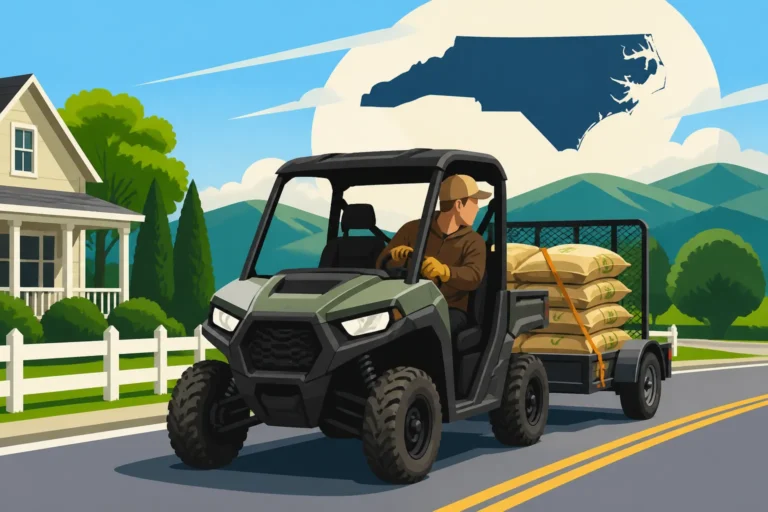
- Public Roads and Highways: This is where things get even trickier. Most ATVs are not street-legal in North Carolina. This means you generally cannot ride them on public roads, regardless of how many people are on board. There are very limited exceptions, such as farm use or crossing a road. For a comprehensive look at this, you might explore topics like [North Carolina Rules for Crossing a Road]. If you're considering a machine for street-legal passenger carrying, you'd likely be looking at something very specific, like [What Makes a Machine an MUV in North Carolina], which are rarely ATVs.
| Feature | Single-Seat ATV | Factory Two-Seat ATV | Multi-Passenger UTV (Side-by-Side) |
|---|---|---|---|
| Passenger Capacity | One (Operator only) | One (Operator) + One (Passenger) | Two or More (Operator + Passengers) |
| Seating Style | Straddle | Extended Straddle | Bucket/Bench (Automotive-style) |
| Steering | Handlebars | Handlebars | Steering Wheel |
| Control | Driver shifts weight | Driver and passenger weight shift is critical | Automotive-style pedals, less body english |
| Safety Features | Limited to operator | Dedicated passenger handholds & footrests | Seat belts, roll cage, often doors |
| Manufacturer Design | Explicitly "single rider" | Explicitly "two-up" or "two rider" | Explicitly "multi-passenger" |
| Typical Usage | Sport, utility | Trail riding with a companion | Recreation, utility, work |
The Serious Risks and Consequences of Illegal Double Riding
When you ride double on a single-seat quad, you're not just bending a rule; you're significantly increasing the chances of a serious accident and opening yourself up to a world of legal and financial woes. It's truly not worth the gamble.
Elevated Safety Hazards for Both Riders
Let's not sugarcoat it: carrying a passenger on a machine not designed for it is profoundly dangerous. The scenarios are endless, and none of them end well.
- Loss of Control: As discussed, the altered weight distribution makes the ATV inherently unstable. A sudden dip, a tight turn, or even a bump you'd normally barely notice can cause the machine to pitch, buck, or roll over. When this happens, the driver has less control, and the passenger, without proper restraints or a secure position, is often the first to be ejected.
- Ejection and Injury: A passenger on a single-seat quad has no secure place. They are usually holding onto the driver or a makeshift grip, with their feet dangling or uncomfortably perched. In an unexpected maneuver or impact, they can easily be thrown off, often into the path of the moving ATV or against a tree or rock. Injuries can range from scrapes and bruises to broken bones, head trauma, or even worse.
- Driver Compromise: The driver's ability to react to changing terrain or obstacles is severely hampered. Their vision might be obstructed, their body movement restricted, and the added weight makes the machine less responsive. This means slower reaction times and less effective evasive maneuvers. It's a lose-lose situation where both riders are put at unnecessary risk.
- Lack of Proper Protection: While you might ensure your passenger wears a helmet, like those required by [North Carolina Helmet Law for ATV Riders], and eye protection, as per [North Carolina Eye Protection Requirement], they lack the fundamental protection of a dedicated seat, footrests, and handholds. Even with the right gear, the position on an inappropriate machine is a massive liability.
Legal Penalties, Insurance, and Liability Issues
Beyond the immediate safety concerns, the legal and financial ramifications of an accident while riding double on a single-seat ATV in North Carolina can be devastating.
- Fines and Citations: North Carolina law enforcement, including local police, county sheriffs, and Forest Service rangers, can issue citations for operating an ATV improperly. Riding double on a single-seat machine falls under this. While specific fines can vary, you could be looking at monetary penalties. More importantly, this type of infraction contributes to a record that could lead to further scrutiny if you have future incidents. Understanding [What Is Illegal on an ATV in North Carolina] is crucial to avoid these unpleasant surprises.
- Insurance Nightmares: This is where it gets truly painful. Your ATV insurance policy is likely written with the understanding that you're operating the machine legally and according to its manufacturer's specifications. If you have an accident while carrying an unauthorized passenger, your insurance company could deny your claim. They might argue that you were operating the vehicle outside of its intended use and in violation of state law, voiding your coverage. This means you would be personally responsible for all damages – to your ATV, to any property, and, critically, for any medical expenses and injuries sustained by your passenger.
- Personal Liability: If your passenger is injured in an accident that occurred because you were operating the single-seat ATV with two people, you could face a civil lawsuit. This means your passenger could sue you for their medical bills, lost wages, pain and suffering, and long-term care costs. Such lawsuits can result in judgments for hundreds of thousands, or even millions, of dollars, potentially wiping out your savings, assets, and future earnings. Even if it's a friend or family member, an injury can strain relationships and force legal action due to medical costs. It's a situation no one ever wants to be in, and it stems directly from ignoring those fundamental safety rules.
Smart & Safe Ways to Enjoy the Trails With Company
So, you want to share the joy of off-road riding in North Carolina with a friend or family member? That's a fantastic goal! The good news is that there are plenty of safe, legal, and much more enjoyable ways to do it without risking life, limb, or your bank account.
Investing in a Purpose-Built Two-Up Machine
The most straightforward and safest solution is to get a machine that is actually designed to carry a passenger. Manufacturers recognize the demand for two-up riding, and they've engineered fantastic options.
- Factory Two-Seater ATVs: These are ATVs explicitly designed with an extended seat, separate passenger footrests, and integrated handholds for a second rider. They have longer frames, more robust suspension systems, and altered weight distribution to safely accommodate two people. When you buy one of these, you know it's been engineered and tested for exactly that purpose. You and your passenger will be much more comfortable, stable, and, most importantly, safer.
- Side-by-Side UTVs: For many, a Utility Terrain Vehicle (UTV), often called a side-by-side, is the ultimate answer to riding with company. These machines feature automotive-style seating, seatbelts, a roll cage, and often doors, providing a much higher level of safety and comfort for multiple passengers. They come in two-seat, four-seat, and even six-seat configurations, making them ideal for families or groups. Plus, with the extra cargo space, you can pack more gear for longer adventures. You can even enhance their utility and comfort with aftermarket accessories from companies like SuperATV, which offer everything from windshields and roofs to sound systems and winches, making your two-up experience even better.
The initial investment in a proper two-seater might seem significant, but consider it an investment in safety, peace of mind, and avoiding potentially catastrophic legal and medical expenses. It ensures everyone gets to enjoy the ride without unnecessary risks.
Exploring Other Recreational Options in North Carolina
Maybe buying a new machine isn't in the cards right now, or you're just visiting North Carolina and want to try out two-up riding. There are still excellent options available:
- Renting a Two-Seater: Many outfitters and rental companies across North Carolina offer two-seater ATVs and multi-passenger UTVs for rent. This is a fantastic way to experience riding with a passenger without the commitment of purchasing a machine. Rental companies often operate near popular trail systems like those in the Uwharrie National Forest or the Blue Ridge Mountains. You can find places offering half-day, full-day, or multi-day rentals, sometimes even bundling them with guided tours. When considering [Renting an ATV in North Carolina], make sure to inquire about their passenger policies and safety gear provided. It's often the most convenient and cost-effective way to get on the trails safely with a companion.
- Guided Tours: Many rental operations also offer guided ATV or UTV tours. These tours often utilize multi-passenger machines, and experienced guides lead you through scenic trails, ensuring a safe and enjoyable experience for everyone. It's a fantastic option for beginners or those who prefer not to navigate on their own.
- Modified Utility Vehicles (MUVs): While rare and highly specific, North Carolina does have a category for "Modified Utility Vehicles" that can be street legal and carry passengers. However, these are not typically ATVs as we commonly think of them; they are heavily modified UTVs that meet strict requirements for engine size, dimensions, safety features (like seatbelts, turn signals, mirrors), and speed. The process of making a UTV an MUV is extensive and involves specific inspections and registrations with the DMV. You can read more about [What Makes a Machine an MUV in North Carolina], but be aware this route is complex and not applicable to standard ATVs. For trail riding, a purpose-built two-seater ATV or UTV is almost always the simpler and more appropriate choice.
Ultimately, the goal is to create lasting memories and enjoy the incredible off-road opportunities North Carolina has to offer. By choosing the right machine and adhering to safety guidelines and state laws, you can ensure those memories are happy ones, shared safely with your favorite riding companions.
Disclaimer
This article is for general informational purposes only and does not constitute professional advice. Laws, prices and regulations vary by location and change over time. Consult a qualified professional for guidance on your specific situation.