Fitting a Parking Brake to Register an MUV
Trying to get your off-road machine street-legal in North Carolina can feel like navigating a maze, especially when you hit a specific requirement like a parking brake for a Modified Utility Vehicle (MUV). Many riders find their beloved side-by-side perfectly capable of holding still on a hill with its factory transmission or a flimsy lever, only to discover the North Carolina Division of Motor Vehicles (DMV) has a much more stringent standard. This guide will walk you through exactly what's required, why it's crucial, and how to properly equip your MUV with a parking brake that satisfies state law, so you can finally get that tag and hit the pavement.
Understanding the North Carolina MUV Parking Brake Requirement
Let's be honest, for most of us who love tearing up trails, a parking brake on an ATV or UTV might not be something we give much thought to beyond its basic function. You put it in park, maybe engage a small hand lever, and you're good to go. But when you venture into the world of making your machine a [North Carolina's Modified Utility Vehicle Route], the state starts looking at things through the lens of road safety, just like it would for a car or truck. The parking brake, which seems like a minor detail, suddenly becomes a non-negotiable safety feature, distinguishing a true road-worthy vehicle from an off-road toy.
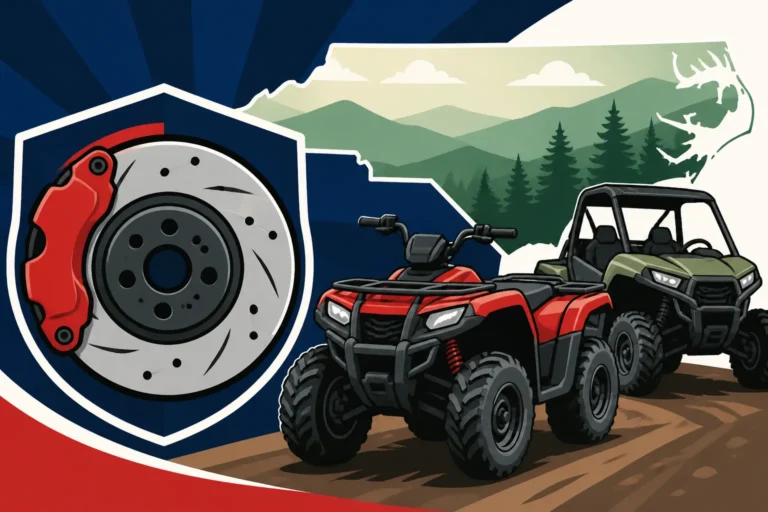
The North Carolina General Statutes require that a registered Modified Utility Vehicle be equipped with a parking brake system that is separate and independent from the service brake system. This isn't just a suggestion; it's a legal mandate that needs to be met before your MUV can legally share public roads. This means that simply relying on the transmission to hold your machine in place, or even a parking brake that’s integrated directly into the hydraulic service brake system, often won't cut it in the eyes of the DMV. They want to see a dedicated, mechanical system that can hold your MUV securely, even if there's a failure in your primary braking system. This requirement is a cornerstone of the broader [North Carolina MUV Registration Requirements], ensuring that MUVs are as safe as possible for both their operators and other road users.
Why a Standard ATV/UTV Parking Brake Might Fall Short
Many factory ATVs and UTVs do come with some form of a parking brake. Often, it's a small lever on the handlebar or dash that applies tension to the rear brake cable, or it's built into the transmission's "park" gear. While these are perfectly adequate for trail riding or staging, they often don't meet the specific, independent criteria for a North Carolina MUV.
Consider a typical ATV. Its "parking brake" might just be a simple mechanical lock on the rear brake lever. This often applies directly to the same brake calipers or drums used by the foot pedal. If there's an issue with the main brake system—say, a hydraulic line bursts or a cable snaps—that parking brake might become ineffective. For an MUV, which is now expected to operate on public roads, this shared dependency is a red flag for the DMV. They need a safeguard. The concern is about preventing uncontrolled rolling on inclines, especially when parked, or if the primary brakes fail. Imagine parking on a steep street in Asheville, or even a slight incline at a gas station, and your MUV starts to roll because its parking brake system isn't robust enough or is compromised by a primary brake failure. That's the scenario the state aims to prevent with this strict requirement. This is also why many street-legal conversions for MUVs require careful consideration of all braking components, not just adding a horn and turn signals.
Transmission Park vs. Dedicated Parking Brake
The "park" gear in an automatic transmission UTV is a common point of confusion. Many drivers assume that if their machine has a "P" setting, they're good to go. While the park mechanism does lock the transmission, preventing the wheels from turning, it's generally not considered an independent parking brake system by the North Carolina DMV for MUV purposes. The "park" mechanism is an internal component of the transmission itself. If there's an issue with the transmission, or if the vehicle is towed with the drive wheels on the ground, the "park" mechanism might not offer the necessary security.
The state's requirement for a separate and independent parking brake means they want a system that acts directly on the wheels, typically via a mechanical linkage, and functions regardless of the transmission's state or the integrity of the primary service brakes. This ensures redundancy and a fail-safe. It's about having that "belt and suspenders" approach to safety. So, while your UTV's park gear is great for general use, don't rely on it alone to satisfy the MUV parking brake requirement. You'll likely need to install an additional, standalone system.
Types of Parking Brake Systems for MUVs
When you’re looking to add a compliant parking brake system to your MUV, you generally have a few different options, each with its own advantages and considerations. The key is finding one that is truly independent of your primary hydraulic brakes and robust enough to hold your machine securely. Many aftermarket manufacturers, including companies like SuperATV, offer kits and components that can be adapted for this purpose, providing solutions for a variety of popular UTV and ATV models.
Line Lock Systems
Line lock systems are often used by performance enthusiasts for drag racing, but they can also be adapted for parking brake purposes, though they come with some caveats for MUV registration. A line lock is essentially an electronic or manual valve installed in the hydraulic brake lines. When activated, it locks hydraulic pressure in the brake lines, effectively keeping the calipers or wheel cylinders engaged.
While a line lock can hold your vehicle, it's still relying on the hydraulic brake system. If there's a leak in the brake lines, a component failure, or a slow bleed-down of pressure, the effectiveness of the line lock diminishes. Because the North Carolina MUV requirement emphasizes a separate and independent system, a line lock might not pass muster with the DMV, as it's directly tied into the primary hydraulic circuit. Always check with the DMV or a qualified inspection facility to confirm if a line lock would be acceptable in your specific case, but generally, a purely mechanical system is preferred.
Mechanical Drum or Disc Brake Systems
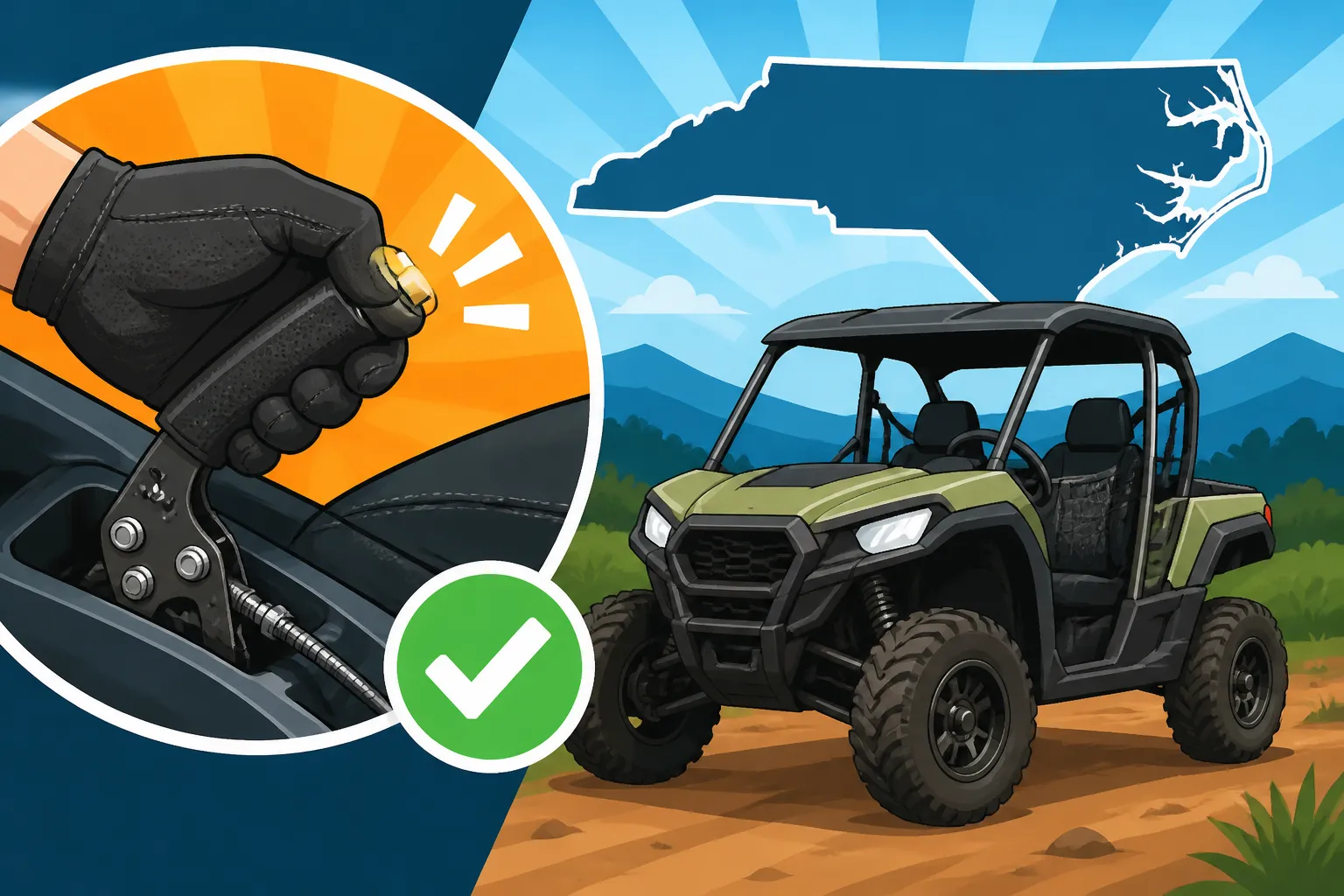
This is often the most straightforward and universally accepted solution for MUV parking brakes. A mechanical system operates completely independent of your hydraulic service brakes. It typically consists of a dedicated cable, lever, and a set of small brake pads or shoes that engage a drum or disc, usually mounted on the driveline (such as the transmission output shaft or driveshaft) or directly on the rear wheels.
Here’s how they usually work:
- Driveshaft Brake: This system uses a small caliper and rotor, or a drum brake, mounted directly on the driveshaft. When you engage the parking brake lever, a cable pulls a mechanism that clamps down on the driveshaft, preventing it from rotating. This effectively locks the entire drivetrain. This is a very common and effective solution for UTVs.
- Independent Rear Wheel Brakes: Less common for aftermarket MUV conversions due to complexity, but some commercial vehicles use a separate mechanical system that applies dedicated brake shoes or pads to the rear wheels, completely distinct from the hydraulic service brakes.
These mechanical systems are favored because their operation is entirely separate. If your hydraulic brake lines fail, your mechanical parking brake will still function. Companies like SuperATV often carry universal driveline parking brake kits or components that can be adapted to many UTV chassis, which can be invaluable when trying to meet this specific MUV requirement. When choosing one, ensure it's robust, can be securely mounted, and is easily accessible for operation.
Integrated Parking Brake Solutions (with caveats)
Some high-end UTVs or specialty vehicles might have parking brake systems that are integrated into the rear calipers but are designed to be mechanically actuated independently of the hydraulic system. This means that while they use the same physical caliper, the parking brake lever engages a separate mechanical mechanism within the caliper to hold the pads against the rotor, even if there's no hydraulic pressure.
While these could theoretically meet the "independent" criteria, it's crucial to confirm this with the DMV or an inspection station. The key is that the parking brake engagement cannot rely on hydraulic pressure. If the factory system on your machine works this way, you might be in luck. However, for most standard ATVs and UTVs, adding a truly separate mechanical system is the safest bet to ensure compliance and avoid headaches during the MUV registration process.
Installing and Verifying Your MUV Parking Brake
Once you've decided on the type of parking brake, the installation process, while varying by machine and kit, follows some general principles. This isn't just about bolting on a part; it's about ensuring it functions reliably and meets the legal standard for your North Carolina MUV. This often involves careful planning, some mechanical aptitude, and potentially a little help from a professional.
Step-by-Step Installation Considerations
- Selection and Sourcing: First, ensure the kit or components you choose are suitable for your specific make and model. Check reviews, compatibility guides, and manufacturer recommendations. Aftermarket specialists like SuperATV are excellent resources for finding appropriate parts, especially universal kits that can be adapted.
- Mounting Location: For driveshaft-mounted systems, identify a clear, stable section of the driveshaft and a suitable mounting point on the frame for the caliper/drum assembly. Ensure there's no interference with other components, especially suspension travel.
- Brake Mechanism Installation: Install the caliper or drum brake mechanism according to the manufacturer's instructions. This usually involves bolting it securely to the frame and positioning it around the driveshaft or wheel hub.
- Cable Routing: Route the parking brake cable carefully. Avoid sharp bends, kinking, or areas where it could rub against moving parts, get pinched, or be exposed to excessive heat. Use cable clamps to secure it along its path, keeping it tidy and protected.
- Lever/Actuator Installation: Mount the parking brake lever or actuator in an easily accessible location within the cabin. It should be within reach of the driver, operate smoothly, and provide a positive "lock" when engaged.
- Adjustment and Testing: Once everything is installed, adjust the cable tension to ensure the brake engages firmly without excessive lever travel and fully releases when disengaged. Test the parking brake on a slight incline (in a safe, controlled environment) to verify it can hold your MUV securely. It should prevent the wheels from turning without requiring excessive force on the lever.
- Final Inspection: Double-check all bolts, connections, and cable routing. Ensure no components are loose or interfering with other parts of the vehicle.
What the DMV Looks For
When you present your MUV for inspection (or complete the necessary affidavits), the North Carolina DMV isn't just looking for any parking brake; they're looking for one that meets their specific criteria. Here's a breakdown of what they'll typically verify:
- Independence: The most critical factor. They want to see that the parking brake system operates completely separate from your primary hydraulic service brakes. If your primary brakes fail, the parking brake must still be fully functional.
- Effectiveness: The parking brake must be capable of holding the MUV stationary on any grade on which it is operated, under all conditions of loading, on a dry paved surface. In simpler terms, it needs to work and hold the machine securely.
- Accessibility: The control for the parking brake must be easily accessible to the driver from the operating position.
- Mechanical Actuation: While not always explicitly stated as "mechanical-only," the spirit of the law typically favors a robust mechanical linkage system over a purely hydraulic or electronic "line lock" that relies on the primary brake system.
- Durability: The components should appear well-installed and capable of withstanding normal use, without looking like a temporary fix.
It's a good idea to perform your own thorough check before heading to the DMV. If you have any doubts, consider having a reputable mechanic or off-road shop that specializes in [North Carolina's Modified Utility Vehicle Route] conversions take a look. They can offer advice and ensure everything is up to snuff.
Comparison of Parking Brake Options for MUVs
To help you visualize the differences, here’s a quick comparison of common parking brake approaches in the context of North Carolina MUV requirements:
| Feature | Standard ATV/UTV Parking Brake (Factory) | Aftermarket Driveline Mechanical Brake | Aftermarket Line Lock System |
|---|---|---|---|
| Independence from Service Brakes | Often reliant on primary system | Fully independent | Relies on primary hydraulic system |
| Actuation Method | Cable/lever, integrated with main brakes | Cable/lever, dedicated mechanism | Hydraulic pressure via valve |
| DMV Compliance (NC MUV) | Unlikely to pass | Highly likely to pass | Unlikely to pass without caveats |
| Installation Difficulty | N/A (factory) | Moderate to advanced DIY | Moderate DIY (electrical/hydraulic) |
| Cost Implications | N/A (included) | Varies by kit, plus installation | Varies by kit, plus installation |
| Reliability | Good for off-road use | Excellent for MUV use | Can degrade with hydraulic issues |
Beyond the Brake: Other MUV Road Requirements
While getting your parking brake right is a crucial step, remember that it's just one piece of the puzzle for a fully street-legal MUV in North Carolina. The state has a whole host of other requirements that your machine must meet before it can legally get a license plate and cruise down public roads. Understanding these requirements together will give you a clear picture of the conversion process.
For instance, your MUV needs to be the right size. This isn't just about aesthetics; there are strict dimensional limits. It must be [The 142-Inch Length Requirement], no wider than [The 58-Inch Width Requirement], and no taller than [The 70-Inch Height Requirement]. If your side-by-side is a monster wide-track, you might already be out of luck, so checking these dimensions early is key.
Then there's power. Your MUV must have an engine displacement of [Why an MUV Needs More Than 2,400cc] cubic centimeters or more. This is a big one that excludes many standard ATVs and smaller UTVs, as the state views larger engines as more capable for road speeds. On that note, your MUV also needs to be able to hit [40 mph to Qualify as an MUV] and maintain it on a level surface. These requirements are all aimed at ensuring MUVs can keep up with traffic and operate safely on roads where larger vehicles are present.
Beyond these fundamental specs, you'll also need to ensure your MUV has all the standard road-going safety equipment. This includes proper lighting, such as headlamps, taillamps, brake lights, and functioning [North Carolina MUV Turn Signal Requirement]. A [North Carolina MUV Mirror Requirement] (or two!) is essential for visibility, and you’ll also need a functioning [North Carolina MUV Speedometer Requirement] to ensure you can monitor your speed accurately. Don't forget proper seat belts for all occupants as well! The entire MUV conversion process is about bringing an off-road machine up to a standard that allows it to coexist safely with traditional road traffic. It's a significant undertaking, but for many North Carolina riders, the freedom of a street-legal MUV is well worth the effort.
Disclaimer
This article is for general informational purposes only and does not constitute professional advice. Laws, prices and regulations vary by location and change over time. Consult a qualified professional for guidance on your specific situation.