North Carolina’s Ocean Beach Rule
The dream of riding your ATV or UTV along North Carolina's stunning coastline can be incredibly strong. You picture the salty air, the roar of the ocean, and the freedom of the open sand. But then reality hits: the legalities surrounding off-road vehicles on our beautiful beaches are a maze of rules, exceptions, and local ordinances that can leave any rider feeling lost and frustrated. This guide is here to untangle North Carolina's ocean beach rule, helping you understand where you can and cannot ride, who can operate these machines, and what you need to know before you even think about hitting the sand.
Understanding North Carolina's Unique Beach Access
North Carolina’s coastline is truly something special, stretching for hundreds of miles with diverse landscapes, from the Outer Banks to the bustling Brunswick Islands. For many of us who love ATVs and UTVs, the thought of cruising along these shores is deeply appealing. It’s a different kind of freedom than carving up a forest trail, a unique experience that calls to the adventurer in all of us. However, unlike some other states, North Carolina has a very particular and often restrictive approach to off-road vehicle access on its public beaches. It's not a free-for-all, and understanding the core philosophy behind these rules is the first step.
The Allure of Coastal Riding
There’s an undeniable appeal to taking your machine to the beach. Imagine the wide-open spaces, the sound of the waves, and the unique challenge of navigating soft sand. It’s a completely different riding environment compared to the rocky climbs of the Uwharrie National Forest or the muddy trails near Badin Lake. For many, it represents the ultimate blend of adventure and scenic beauty. You might see photos or videos from other states where beach riding is common and naturally assume North Carolina offers similar opportunities. This expectation often leads to the initial frustration when discovering the strict limitations here. We all crave those unique experiences, and beach riding definitely qualifies as one that stands out from the usual trail ride.
The desire to ride on the beach also comes from the practical side for some. Perhaps you own a beach property and want to use your UTV for hauling gear, checking fishing lines, or just getting around your own stretch of sand without having to load up a street-legal vehicle. This convenience, combined with the sheer enjoyment, makes understanding these specific rules even more critical. You don't want to inadvertently break the law while simply trying to enjoy your own property or a brief coastal excursion.
The Local Control Paradox
One of the biggest sources of confusion for riders looking to hit the beach in North Carolina is the patchwork of regulations. While the state sets some overarching guidelines, much of the control over beach access for off-road vehicles is delegated to local municipalities. This means that what might be allowed in one small coastal town could be strictly prohibited just a few miles down the road in another. It’s not a consistent statewide policy, which can be incredibly frustrating when you’re trying to plan a trip or simply understand your rights. This "local control paradox" means you can't just assume anything about one beach applies to another.
This often leads to a situation where riders have to do extensive research, checking individual town websites, county ordinances, and sometimes even calling local law enforcement or park services to get a definitive answer. This level of detail isn't something most people expect when planning a casual outing, and it adds a significant layer of complexity. The state wants to protect its natural resources and ensure public safety, but the implementation of those goals varies wildly depending on who’s in charge at the local level. It’s a real challenge to navigate, and it often feels like you need a legal degree just to figure out where to park your trailer.
Defining the "Ocean Beach Area" in North Carolina
Before we even get into who can ride and where, it's crucial to understand what North Carolina actually considers the "ocean beach area." This isn't just a casual term; it has a specific legal definition that dictates where these special rules apply. The lines aren't always clear-cut to the naked eye, and what might look like a natural transition from sand to vegetation actually carries significant legal weight. Misunderstanding this boundary can inadvertently lead to fines or confrontations with authorities.
The High Tide Mark and Vegetation Line
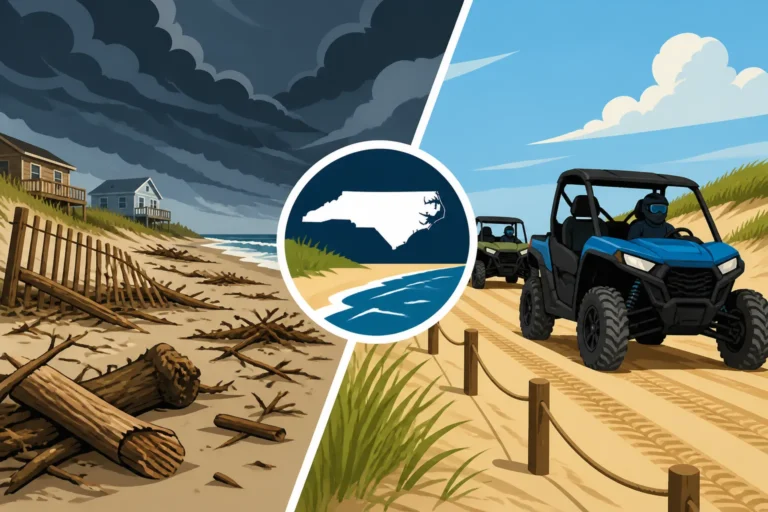
In North Carolina, the "ocean beach area" is generally defined as the area seaward of the vegetation line. This vegetation line is often determined by the presence of permanent, naturally established vegetation, which helps stabilize the dunes. The actual sandy beach where you might lay out a towel is typically considered part of this area, extending all the way to the mean high water mark (the average level of high tide). [Where an Ocean Beach Area Begins] is a critical concept to grasp, as venturing beyond this line onto dunes or areas with established growth can be viewed as environmental damage, leading to much more severe penalties than simply being on the wrong part of the beach.
Think of it this way: the state is trying to protect the fragile dune ecosystems that are vital for coastal stability and wildlife habitats. Those plants, even seemingly small ones, are holding the sand together and preventing erosion. Riding your ATV or UTV over these areas can easily destroy that delicate balance, making the coast more vulnerable to storms and tides. So, while the beach might look like one continuous stretch of sand, the law draws a very important distinction at that vegetation line. Always be mindful of where the natural plant growth begins, even if it looks like just another sandy hill.
Storm Debris and Beach Boundaries
The dynamic nature of North Carolina's coastline means that the exact "vegetation line" can shift, especially after major weather events like hurricanes. Storms can carve out new channels, erode dunes, and deposit massive amounts of debris, making the traditional boundaries harder to discern. While authorities usually consider the pre-storm vegetation line for regulatory purposes, an abundance of storm debris can sometimes make it seem like the "beach" extends further inland than it legally does. This can create a tricky situation for riders who are trying to adhere to the rules.
It’s not uncommon to see large piles of fallen trees, broken docks, and other flotsam pushed up far beyond the usual high-tide mark after a strong hurricane. While these areas might look like part of the accessible beach, they could technically still be considered landward of the true vegetation line or even private property. [Storm Debris and the Beach Boundary] is a crucial element to consider, as it further complicates an already complex definition. If you're unsure, it's always best to err on the side of caution and assume that the natural, vegetated areas are off-limits, regardless of what debris might be present. Always look for the established, living plant life to guide your understanding of the boundary.
Who Can Ride an ATV/UTV on North Carolina Beaches?
This is where many people encounter the most significant restrictions. While it might seem like a simple question, North Carolina has very specific rules about who is legally allowed to operate an ATV or UTV in the ocean beach area, and for what purpose. It's not generally open to the public for recreational riding, which is a major point of confusion and disappointment for many. Understanding these limitations is key to avoiding trouble.
The 16-and-Over Rule on a North Carolina Beach
For the limited recreational riding that is permitted in specific, locally designated areas, North Carolina law generally states that no one under the age of 16 is allowed to operate an ATV or UTV in the ocean beach area. This age restriction is in place to ensure a certain level of maturity, experience, and awareness in an environment that can be unpredictable. [North Carolina Beach Riding Age Requirement] is a hard and fast rule, and it means that even if you have a capable young rider who handles their machine expertly on private land, the beach is simply not an option for them.
This rule aligns with many other states' general age requirements for operating ATVs, but its application specifically to beaches is a critical point for North Carolina riders. It's not enough for a young rider to have completed a safety course or be under direct adult supervision; the age itself is the primary barrier. This also means that if a local ordinance does permit some form of public beach riding (which is rare), you must still adhere to this state-mandated age minimum. Parents and guardians must be especially vigilant about this, as the consequences of a minor illegally operating an ATV on the beach can be severe, not just for the child but for the adult responsible.
Exceptions for Town and State Staff
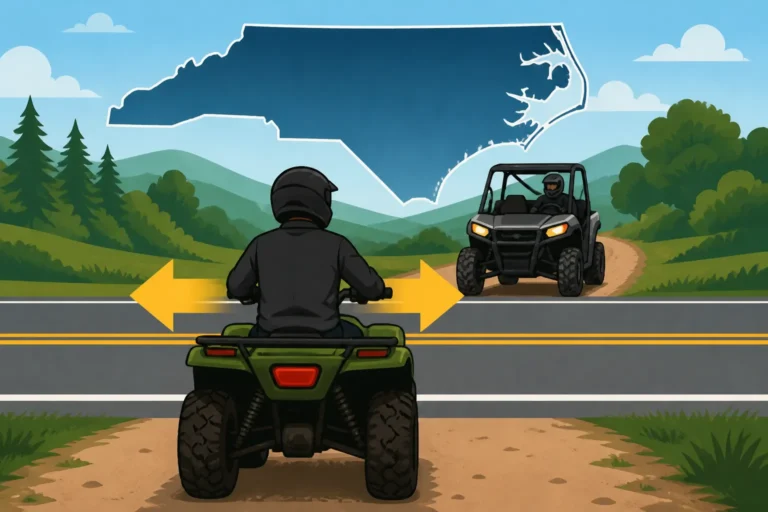
Now, here's where you might see ATVs or UTVs on the beach and wonder why you can't join in. North Carolina law makes specific exceptions for certain personnel to operate these vehicles in the ocean beach area for official duties. This includes, but isn't limited to, law enforcement, emergency services, park rangers, and town staff. These individuals use ATVs and UTVs for things like patrol, search and rescue, beach clean-up, environmental monitoring, and maintenance. [Why City Crews Can Ride Where You Cannot] highlights this very distinction. They aren't out there for recreation; they're working.
These machines are often specially equipped for beach operations, and the operators are trained professionals. They might be monitoring nesting sea turtles, responding to a swimmer in distress, or clearing debris after a storm. Their presence is for public safety and environmental stewardship, not for leisure. This is a common source of misunderstanding for the public, who might observe a local parks and recreation employee on a UTV collecting trash and assume the beach is open to everyone. It's important to recognize that these are sanctioned, duty-driven activities, not an invitation for general public use. So, while you might see a utility-focused side-by-side from a brand like SuperATV outfitted with special tires or recovery gear, being operated by town staff, that doesn't mean your personal machine is welcome.
The Nuances of Private Versus Public Beach Access
Beyond the general state rules, the issue of private property on the coast adds another layer of complexity. North Carolina has a mix of public access points, state-owned beaches, and extensive stretches of privately owned beachfront. The right to ride an ATV or UTV can drastically change depending on who owns the sand you're on, even if it feels like one continuous stretch of beach.
Navigating Private Beachfronts
If you own private property that includes a portion of the ocean beach, or if you have explicit, written permission from a private landowner, then the rules can change significantly. On your own private land, you generally have more leeway to operate your ATV or UTV, provided you are still adhering to basic safety regulations and local noise ordinances, and crucially, not impacting any public access points or protected areas. However, this permission only applies to your land or the land you have permission to use. [North Carolina Rules for Riding Private Land] still means you can't just cross onto an adjacent property or enter the publicly accessible parts of the beach.
It's vital to remember that even on private beachfront, you are still operating within the larger coastal ecosystem, and state environmental protections can still apply. Disturbing dune systems, nesting wildlife, or polluting the water could still lead to fines, regardless of private ownership. Therefore, even with private land access, it’s not a blank check to do whatever you want. Most private owners use their machines for practical purposes, like transporting fishing gear or tending to their property, rather than high-speed recreational riding, which could damage their own land or annoy their neighbors.
Understanding Managed Access Points
For most public access points to North Carolina beaches, ATVs and UTVs are simply not allowed for recreational use. These managed access points—whether they're state parks, national seashores, or town-managed beaches—are typically geared towards pedestrian access, swimming, sunbathing, and traditional beach activities. The infrastructure, such as parking lots and dune crossovers, is designed for foot traffic, not heavy off-road vehicles. This is usually very clearly marked with signage indicating vehicle restrictions.
In some very rare instances, a specific locality might designate a very limited section of beach where vehicles (sometimes including street-legal 4x4s, and even more rarely, ATVs/UTVs under specific conditions) are allowed for purposes like fishing or shell collecting, usually with a permit and during off-peak seasons. However, these are the extreme exceptions, not the rule. It is absolutely critical to check with the specific local authority for any beach you intend to visit. Do not assume. A quick call to the local sheriff's department or town hall can save you a lot of grief. Without an explicit, visible allowance, assume ATVs and UTVs are prohibited for public recreational use on any managed public beach access point.
Equipment and Safety Rules for North Carolina Beach Riding
Even in the extremely limited scenarios where an ATV or UTV might be permitted on a North Carolina beach (primarily for official use or private property owners), there are still essential equipment and safety rules that apply. These aren't just suggestions; they are often legal requirements designed to protect both the operator and the fragile coastal environment.
Spark Arresters and Noise Concerns
One of the universal requirements for off-road vehicles operating on any public or regulated land in North Carolina, including any beach areas where they might be permitted, is the presence of a functioning spark arrester. This device is designed to prevent hot carbon particles from exiting the exhaust system, which could potentially ignite dry grass, brush, or other flammable materials. While the beach might seem less prone to fire than a dry forest, accidents can still happen, especially if there's dry dune grass or debris. [North Carolina Spark Arrester Requirement] is a non-negotiable safety feature.
Beyond safety, there's the issue of noise. Coastal communities are often quiet, residential areas, and loud exhaust systems can quickly become a nuisance. While the state has general sound regulations, local ordinances in beach towns can be even stricter. Using an ATV or UTV with a modified or excessively loud exhaust system, even if it has a spark arrester, could lead to complaints and fines. It's not just about the law; it's about being a respectful operator in an environment shared by many. When you're considering accessories for your machine, even from a reputable vendor like SuperATV, always think about how they impact noise levels and compliance with local rules, especially in sensitive areas.
Helmet and Eye Protection on the Sand
For anyone operating an ATV in North Carolina, the law requires certain safety gear. If you're under 18, you must wear a DOT-approved safety helmet and eye protection at all times. For those 18 and older, the helmet is not legally mandated on private property (though highly recommended!), but on public lands or any area where there are specific regulations, helmets are often required regardless of age. Given the generally regulated nature of beach access, it's safest to assume a helmet and eye protection will be required. [North Carolina Helmet Law for ATV Riders] is a critical piece of information.
Riding on sand presents unique challenges that make this gear even more important. Soft sand can be unpredictable, leading to rollovers or sudden stops that might throw a rider. Furthermore, sand kicked up by tires, or even strong coastal winds, can cause eye injuries. Wearing sturdy eye protection isn't just a good idea; it's a necessity for clear vision and safety on the beach. Even if you're only puttering along on private land, taking a spill in the sand can still result in serious head injuries, so a helmet should always be part of your gear.
The Role of Local Ordinances and Permits
The state of North Carolina sets some baseline rules, but the real power over beach ATV/UTV access often lies with individual counties and municipalities. This localized control is the primary reason why rules can vary so dramatically from one coastal community to the next. It’s the source of much of the "local control paradox" we discussed earlier.
Checking County-Specific Regulations
This cannot be stressed enough: always check the specific ordinances of the county, city, or town where you plan to ride. What’s true for a beach in Currituck County might be completely different from what’s allowed in Brunswick County or Onslow County. Some towns might have complete bans on all motorized vehicles on the beach, while others might allow highly restricted access for specific purposes, like fishing during certain seasons, often requiring a special permit. There are no two ways about it; you have to do your homework.
This usually involves visiting the official website of the local government, looking for their parks and recreation department, or their local law enforcement agency. Many towns will have a dedicated section for beach driving rules if it's permitted at all. Ignoring this step is the fastest way to get a ticket or have your machine impounded. Don't rely on word-of-mouth or outdated information. Regulations can change, especially after public hearings or environmental impact studies.
The Challenge of Changing Rules
Another frustration for riders is that these local rules aren't set in stone forever. Coastal communities are constantly balancing environmental protection, tourism, resident quality of life, and recreational interests. This means that ordinances regarding beach access can and do change over time. A beach that allowed some form of vehicle access five years ago might have since prohibited it, or vice versa (though prohibitions are far more common for ATVs/UTVs).
This fluid regulatory landscape makes it a continuous challenge to stay informed. A permit system one year might be scrapped the next, or specific times of day/year for access might be altered. For example, some areas might restrict vehicles during prime nesting seasons for sea turtles or during peak tourist months. It’s not enough to have checked the rules "last year." If you're planning a beach trip with your ATV, you need to verify the most current regulations right before you go. This constant need for verification is a significant hurdle for casual riders.
Comparing Beach Riding to Other Off-Road Opportunities
Given the extensive restrictions on North Carolina beaches, many ATV and UTV enthusiasts find themselves looking for alternative places to ride. The state offers fantastic opportunities for off-road recreation, but they are typically found inland, away from the delicate coastal ecosystems. Understanding these alternatives can help riders redirect their energy to legally accessible and enjoyable locations.
What North Carolina Riders Buy Instead of Registration
One of the unique aspects of North Carolina's off-road landscape is that ATVs and UTVs are not required to be registered with the state for off-highway use. This is a common point of confusion, as many other states do mandate registration for trail riding. Instead of buying a registration sticker, North Carolina riders typically purchase permits to access specific designated trail systems. [What North Carolina Riders Buy Instead of Registration] clearly illustrates this distinction. This means your focus, and your permit money, goes towards maintaining actual trails, not towards beach access.
This system effectively directs off-road activity away from sensitive areas like beaches and onto purpose-built or designated trail networks within national forests or private parks. The funds from these permits then go back into maintaining those trails, ensuring they remain open and safe for riders. So, while you might not be getting a beach sticker, you are getting access to a robust system of trails, which for many, is a more rewarding and sustainable way to enjoy their machines.
Alternatives to Sand Dunes: Forest Trails
North Carolina boasts several excellent opportunities for ATV and UTV riding within its national forests, offering a completely different but equally thrilling experience compared to beach riding. Locations like the Brown Mountain OHV Trail System, the Badin Lake OHV Trail Complex within the Uwharrie National Forest, and the Wayehutta OHV Trail System in the Nantahala National Forest provide hundreds of miles of designated trails. [Where to Ride an ATV in North Carolina] highlights these premier locations. Here, you'll find varied terrain, from challenging rocky sections to winding forest paths, without the legal headaches of beach access.
These forest trail systems operate on a permit basis, and generally, as long as you adhere to the specific rules of the forest, such as having a spark arrester, respecting trail boundaries, and following age restrictions, you can enjoy extensive riding opportunities. This is where you can truly test your machine's capabilities, adding aftermarket parts from companies like SuperATV to enhance performance for mud, rocks, or steep climbs, knowing you have a legal place to use them. These trails are designed for off-road vehicles, minimizing environmental impact while maximizing the riding experience.
Penalties and Enforcement on North Carolina Beaches
Operating an ATV or UTV illegally on a North Carolina beach is not a minor infraction. Law enforcement takes these violations seriously, often due to concerns about environmental damage, public safety, and respecting local ordinances. Understanding the potential consequences is crucial for anyone considering ignoring the rules.
Fines for Illegal Beach Riding
The penalties for illegally operating an ATV or UTV on a North Carolina beach can vary depending on the specific local ordinance violated and the severity of the offense. However, you can expect fines to be substantial. These aren't just minor traffic tickets; they can quickly escalate into hundreds, or even thousands, of dollars. For instance, damaging dunes or protected wildlife habitats can result in significantly higher fines and even restitution orders. [North Carolina Fines for an ATV Violation] can be a harsh reality for those who disregard the rules.
Beyond the immediate financial penalty, there can be other consequences. Your machine could be impounded, requiring additional fees for towing and storage before you can reclaim it. Repeated offenses, or particularly egregious acts, could lead to more severe legal action. The hassle, expense, and potential legal entanglements far outweigh any fleeting enjoyment you might get from an unauthorized ride on the beach. It's simply not worth the risk.
What a North Carolina Trooper Checks Roadside
If you're stopped by a North Carolina State Trooper, a local sheriff's deputy, or a city police officer while operating an ATV or UTV on or near a beach, they will be looking for several key things. First and foremost, they will verify if you are in a designated area where ATVs/UTVs are permitted, and if you have any required local permits. They'll check your age against state requirements for operating these vehicles, especially the [North Carolina Beach Riding Age Requirement] of 16-and-over where applicable.
They will also look at the machine itself for basic safety equipment, such as a spark arrester and functional brakes. If you're using the machine for an authorized purpose (e.g., as town staff), they will verify your credentials. If you're found to be in violation, they will explain the specific ordinance or state law you've broken. Remember, law enforcement officers are there to uphold the law and protect both the public and the environment. Cooperation and honesty are always the best approach, but understanding the rules beforehand is your strongest defense.
| Aspect | Generally Allowed (Public Beach) | Generally Allowed (Private Beach w/ Permission) | Exceptions (Official Use) | Key Restrictions (Public Beach) |
|---|---|---|---|---|
| Recreational Riding | No | Yes (with landowner consent, local compliance) | No | Strict age limits, local bans |
| Age Requirement | N/A (generally prohibited) | 16+ (recommended, check local) | Varies by agency/duty | No one under 16 |
| Required Permits | No (generally prohibited) | Check local ordinances | Agency authorization | No general public permits issued |
| Spark Arrester | N/A (generally prohibited) | Yes (state law) | Yes | Required where permitted |
| Helmet/Eye Protection (Under 18) | N/A (generally prohibited) | Yes (state law) | Agency/duty dependent (often required) | Required where permitted |
| Public vs. Private Land | Prohibited | Allowed with explicit landowner permission | Allowed by authorized personnel | Local control is paramount |
| Common Enforcement | Fines, vehicle impoundment | Fines if non-compliant with local rules | Adherence to agency protocols | Strong, consistent enforcement |
Disclaimer
This article is for general informational purposes only and does not constitute professional advice. Laws, prices and regulations vary by location and change over time. Consult a qualified professional for guidance on your specific situation.