The Rule Against Selling a Quad for a Young Child
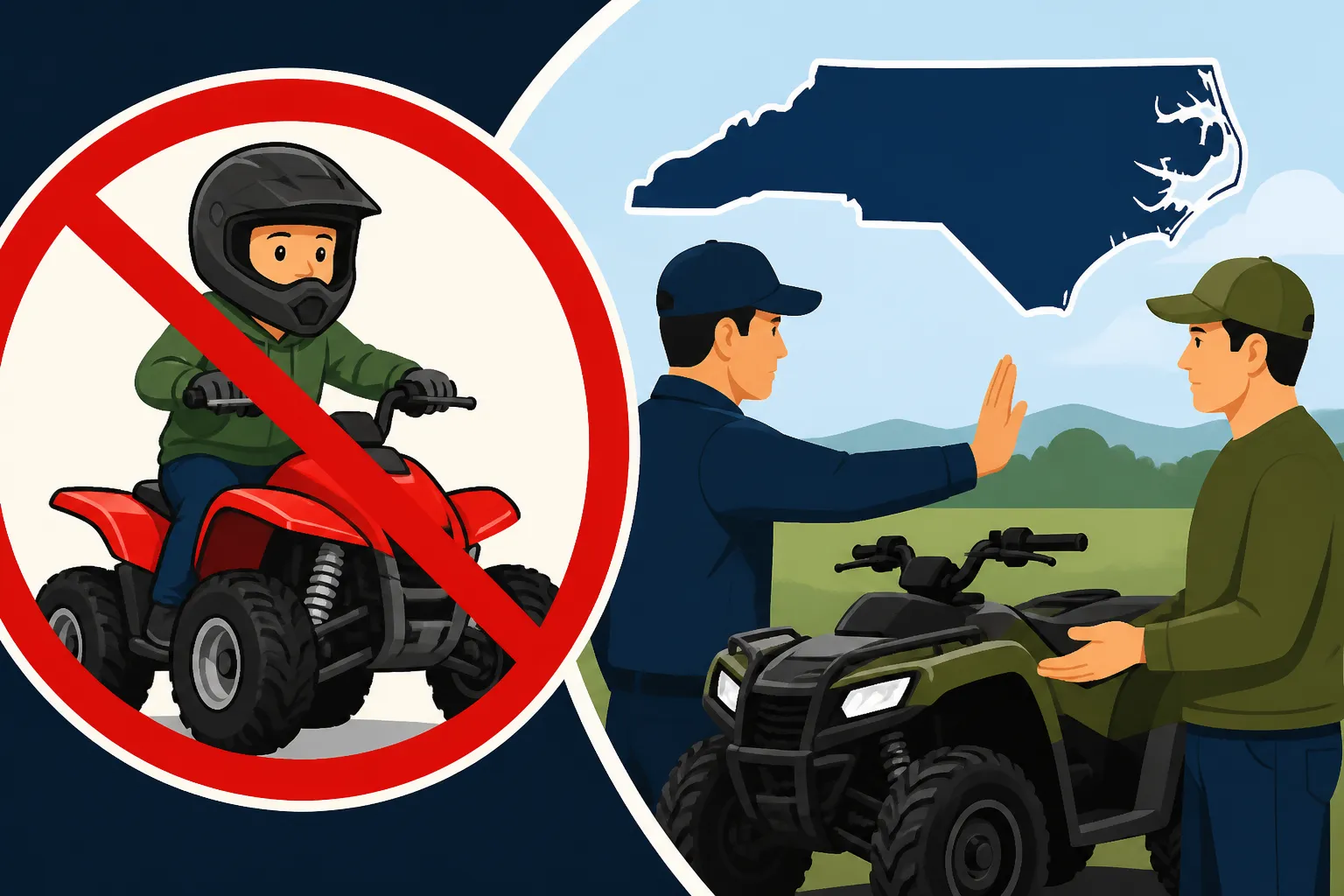
There's a common misconception, and a very real concern, among parents in North Carolina who want to introduce their children to the thrill of ATV riding: the idea that you can't, or shouldn't, sell an all-terrain vehicle specifically for a young child. This isn't just about a dealer saying "no"; it stems from deeply rooted safety standards, legal age restrictions, and manufacturer recommendations designed to protect our youngest riders. This comprehensive guide will unravel the layers behind this "rule," exploring North Carolina's specific laws, the ethical considerations for sellers, and how families can responsibly navigate ATV ownership for their kids, ensuring safety and compliance every step of the way.
Unpacking the "Rule" Against Selling ATVs to Young Children
The notion of a "rule" against selling an ATV for a young child isn't always a direct statute stating "no sales to minors for their use." Instead, it's a powerful combination of manufacturer guidelines, industry best practices, product liability concerns, and state laws governing who can legally and safely operate these machines. For many, the idea comes from the stern warnings found on every machine and the reluctance of reputable dealers to sell a high-powered machine for a rider who is clearly too young or inexperienced.
When you walk into a dealership or even browse online, you'll immediately notice that ATVs are segmented not just by engine size and features, but critically, by age appropriateness. These age recommendations are not arbitrary suggestions; they are the result of extensive research, accident data, and safety standards set by bodies like the Specialty Vehicle Institute of America (SVIA). A dealer who sells an adult-sized ATV directly to a parent for an obviously underage child is not only acting unethically but could also face serious legal repercussions if that child is injured. It's about protecting the child, yes, but also about protecting the seller from potential liability.
The Genesis of Manufacturer Age Warnings
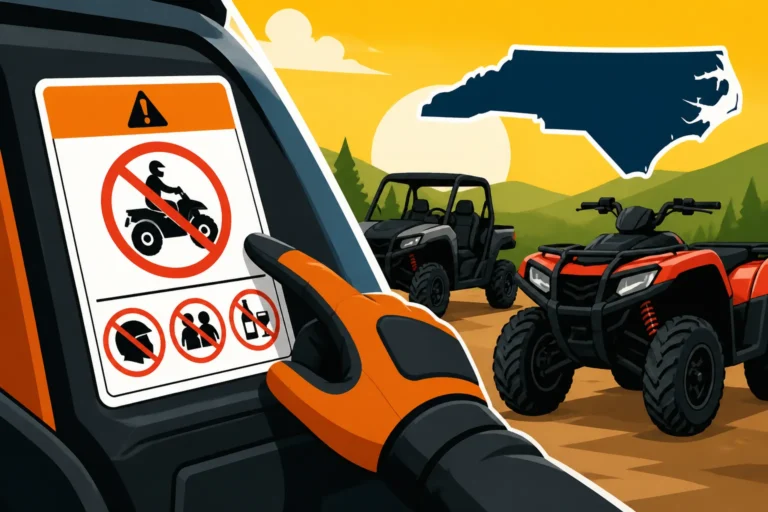
Every new ATV you see, from the smallest youth model to the largest utility machine, comes plastered with prominent warning labels. These aren't just there for decoration; they are legally significant, crucial safety advisories that inform buyers about the inherent risks of operation and, most importantly for our discussion, the recommended minimum age of the operator. These age warnings are based on a multitude of factors, including the machine's weight, speed capabilities, suspension, and overall handling characteristics. They're designed to match a child's physical strength, cognitive development, and reaction time to a machine they can safely control.
For instance, a machine might be labeled "16+" or "14+," while smaller youth models might be "10+" or "12+." These labels are a manufacturer's declaration that a rider under the specified age typically lacks the necessary physical development, judgment, and motor skills to operate that particular machine safely. Ignoring these warnings is akin to putting a toddler behind the wheel of a full-sized car; the potential for severe injury or worse is dramatically increased. The manufacturer, having provided these warnings, has taken steps to mitigate their liability, placing the onus on the buyer and operator to adhere to the guidelines. Ignoring [The Manufacturer's Age Warning Label in North Carolina] can have serious consequences.
The Ethical Dilemma for Dealers and Private Sellers
For someone selling an ATV, whether a licensed dealer or a private individual in North Carolina, the ethical landscape can be complex, especially when a child is involved. Reputable dealers often have strict policies against selling an ATV that is clearly inappropriate for the intended rider's age, even if the parent is the one signing the paperwork. They understand that their reputation, and indeed their ability to do business, rests on promoting safe riding practices. Handing over the keys to a machine that's too powerful or too large for a child is a risk they are generally unwilling to take.
Private sellers, while not subject to the same regulatory oversight as dealerships, still carry a moral and sometimes legal burden. If you're selling a machine and you know it's going to an underage, inexperienced rider for whom it is clearly not designed, you should pause. While North Carolina doesn't have a law preventing the sale of an ATV to an adult for an underage rider, the spirit of the safety guidelines is clear. A seller could potentially be drawn into a lawsuit if an injury occurs and it can be proven they knowingly sold an inappropriate machine for a child's use. It's why many experienced sellers will ask questions about who will be riding and will sometimes refuse a sale if they feel the machine is a poor, unsafe match for the intended operator.
North Carolina's Legal Landscape for Young ATV Riders
While there isn't a direct "no-sale-to-children" law in North Carolina, the state has clear regulations concerning who can operate an ATV, particularly for younger riders. These laws significantly influence the responsible sale and purchase of ATVs for children and implicitly reinforce why selling an adult machine for a child's use is problematic. The state's focus is on rider safety and competence, which inherently ties back to age and training.
North Carolina's statutes regarding ATVs are less about the transaction itself and more about the safe operation of these machines, especially on public lands or while crossing public roads. These rules are designed to prevent accidents and ensure that riders possess the necessary maturity and skill. For anyone considering buying an ATV for a child, understanding these operational laws is paramount, as they dictate how and where that child can legally ride, regardless of who paid for the machine.
The Impact of North Carolina's Minimum Age Requirements
North Carolina has specific laws regarding the minimum age for ATV operators. For instance, children under the age of eight are generally prohibited from operating an ATV on public lands, and strict supervision rules apply for older minors. This directly impacts the rationale behind buying a machine for a very young child. If a child cannot legally operate the machine in most common riding scenarios, what is the purpose of the purchase? These age restrictions are not just about physical capability; they also consider a child's judgment, ability to assess risks, and understanding of complex machinery and terrain.
The state's laws reflect the consensus that ATVs are not toys and require a certain level of maturity and responsibility. [North Carolina Minimum Age to Ride an ATV] is a critical piece of information for any family. It’s not just a suggestion; it's a legal boundary. Parents who purchase machines for children under these age limits must understand that the child's riding opportunities will be severely restricted, primarily to their own private property, and even then, under strict supervision. This isn't to discourage riding, but to ensure that when a child does ride, they are doing so within parameters designed for their safety.
Supervision Laws and Their Role in ATV Ownership
Beyond minimum age, North Carolina also has regulations concerning the supervision of young ATV riders. For example, riders under the age of 16 must generally be under the continuous visual supervision of an adult. This isn't just a friendly recommendation; it's a legal requirement designed to ensure that an experienced adult can intervene if a child gets into trouble, makes a dangerous decision, or needs immediate assistance. This supervision requirement naturally influences the type and size of ATV that can be safely used by a child.
The continuous visual supervision rule means an adult needs to be actively watching the child at all times, not just generally present in the vicinity. This level of oversight is crucial because young riders are more prone to accidents due to inexperience, impulsiveness, and underdeveloped decision-making skills. The state's rules, like those detailed in [North Carolina Rules for Riders Under 16], are in place to reduce serious injuries. When considering a purchase, parents must factor in not just the machine itself, but also their own commitment to providing this level of direct and constant supervision. Without it, even an age-appropriate machine can become a hazard.
Equipment Requirements for Young Riders
North Carolina law also mandates specific safety equipment for younger ATV riders, further emphasizing the state's commitment to safety. This typically includes helmets and eye protection, regardless of where they are riding. For example, [North Carolina Helmet Law for ATV Riders] and [North Carolina Eye Protection Requirement] apply to riders under 18. This means that when a parent buys an ATV for a child, they aren't just buying the machine; they're committing to providing and enforcing the use of appropriate safety gear.
This focus on equipment extends beyond just what's legally required. It underscores the severity of the risks involved. An ATV, even a youth model, is a powerful piece of machinery. The proper helmet and eye protection can literally be the difference between a minor scrape and a life-altering injury in the event of an accident. Therefore, the "rule" against selling to young children isn't just about the machine, but about the entire ecosystem of safety, which includes protective gear and proper training, all of which parents must provide if they choose to introduce their children to ATV riding.
Understanding the Practical Implications of Age Warnings
The age warning labels found on ATVs are more than just text on a sticker; they are a manufacturer's solemn advice, backed by years of research and accident data. Understanding what these warnings practically mean for your child's safety and your liability as a parent is crucial. It’s about acknowledging that an ATV, regardless of its size, is not a toy, and fitting the machine to the rider is as important as fitting a shoe to a foot.
These warnings guide not only purchases but also aftermarket modifications. While brands like SuperATV offer fantastic accessories and performance parts, selecting modifications that are appropriate for a youth machine and don't inadvertently make it less safe or exceed the intended age recommendations is vital. Safety is always the priority, and every decision, from the initial purchase to adding new components, should revolve around the rider's capability and the machine's design intent.
Why Manufacturers Assign Specific Age Labels
Manufacturers assign specific age labels to ATVs because the design, power, and handling characteristics of each model are tailored for a particular range of physical and cognitive abilities. A youth ATV, for instance, typically has a smaller engine, a lighter frame, and a lower top speed compared to an adult machine. The suspension is often softer, and the controls are designed to be more easily manipulated by smaller hands and feet. This meticulous engineering ensures that a child isn't overwhelmed by a machine that's too heavy to control or too fast to react to.
Ignoring these labels can have devastating consequences. A child on a machine too large or powerful for them will struggle to reach the controls, lack the strength to steer effectively, and be unable to properly shift their weight to navigate turns or obstacles. This significantly increases the risk of loss of control, rollovers, and collisions. Manufacturers are essentially providing a roadmap for safe riding, and [Reading an Age Warning Sticker] is the first step a responsible parent takes. It's a fundamental principle of ATV safety that the machine must fit the rider, not the other way around.
The Legal Significance of Age-Appropriate Machine Sizes
From a legal standpoint, the manufacturer's age recommendations carry significant weight, particularly in cases of injury. While North Carolina law doesn't explicitly prohibit a parent from buying an adult ATV for a child, if that child is then injured while operating a machine for which they are deemed too young by the manufacturer, the parent could face severe legal liability. The manufacturer's warning essentially serves as an expert opinion on safe operation. Disregarding it can be viewed as negligence.
This isn't just about avoiding lawsuits; it's about making informed decisions. Many insurance policies for ATVs might also have clauses related to operating machines outside of manufacturer recommendations. If an accident occurs and the child was operating an ATV clearly intended for an older or adult rider, an insurance claim could be denied, leaving the family responsible for all medical and repair costs. The legal significance thus reinforces the moral and safety imperatives: choose an ATV that is genuinely suitable for your child's age, size, and skill level.
Aftermarket Parts and Maintaining Safety
When considering aftermarket parts, it's easy to get caught up in performance upgrades or aesthetic changes. However, for youth ATVs, any modification should be carefully evaluated for its impact on safety and the machine's age-appropriate characteristics. Adding heavy-duty parts from a company like SuperATV that are designed for larger, more powerful machines might seem like a way to make a youth ATV more robust, but it could inadvertently increase the machine's weight, alter its center of gravity, or even change its handling in unpredictable ways, making it less safe for a young rider.
Instead, focus on aftermarket accessories that genuinely enhance safety or usability for a youth rider, such as better foot protection, improved handguards, or perhaps a lower seat kit if the child is on the cusp of fitting a slightly larger youth model. Always ensure any modifications are compatible with the specific youth model and do not compromise the manufacturer's original safety design. When in doubt, consult with a professional or the manufacturer's guidelines to ensure you're not inadvertently creating a hazard for your child.
The Seller's Perspective: Navigating the Sale for a Minor
Whether you're a seasoned dealership or a private individual listing your used quad online, the transaction involving an ATV for a minor carries unique considerations. While the ultimate responsibility for a child's safety rests with the parents, a seller, particularly a dealer, has an ethical and sometimes legal obligation to ensure they are not contributing to an unsafe situation. This often involves navigating conversations with parents who might not fully understand the implications of age recommendations and state laws.
For private sellers, the process might feel less formal, but the moral compass should still guide the sale. It's about being honest, transparent, and prioritizing safety, even if it means walking away from a quick sale. The paperwork involved in any ATV sale, including a bill of sale, also serves as a critical record of the transaction and clarifies the transfer of ownership, which can be important for both parties.
Due Diligence for Private Sellers
If you're a private individual in North Carolina selling an ATV, especially a youth model, you might encounter buyers who are parents looking for a machine for their child. Your due diligence should extend beyond just the transaction. Consider having a conversation about the intended rider's age and experience. While you're not a guardian, openly discussing the manufacturer's age recommendations and North Carolina's operating laws can prevent a dangerous mismatch. It’s an opportunity to educate, not just sell.
Furthermore, ensure the machine is in safe operating condition. This means checking brakes, tires, lights, and any safety features like a throttle limiter. Being upfront about the machine's condition and any known issues is not only good practice but also helps the buyer make an informed decision. Providing a clear, dated bill of sale that explicitly states "as-is" condition can protect you later, but remember, good faith and honest dealings are always the best policy, especially when a child's safety is potentially at stake.
Dealership Policies and Best Practices
Reputable ATV dealerships in North Carolina often have robust policies regarding the sale of ATVs for young riders. They are trained to match the right machine to the right rider, which means considering age, size, and experience. A good dealer will walk parents through the different youth models available, explain the manufacturer's age recommendations, and discuss the importance of proper safety gear and training. They understand that selling an inappropriately sized or powered machine to a parent for a child can lead to serious liability issues and damage their reputation.
Many dealerships will require the parent to sign acknowledgments that they understand the age recommendations and state laws regarding ATV operation. They might also offer or recommend ATV safety courses, like those needed for a [North Carolina ATV Safety Certificate Requirements]. Their goal isn't to prevent sales, but to ensure responsible sales. While a parent ultimately makes the final decision, a dealership's best practice is to provide all the necessary information and guidance to help that parent make a safe and informed choice for their child.
The Importance of a Bill of Sale
Regardless of whether you are buying from a dealer or a private seller, and especially when an ATV is intended for a child, a comprehensive bill of sale is crucial. This document serves as legal proof of the transaction, outlining the details of the machine, the purchase price, and the buyer and seller's information. It protects both parties by clearly defining the terms of the sale and the transfer of ownership. For example, if you're buying a used machine, the bill of sale can include a statement that the machine is sold "as-is" with no warranties, which is standard for private sales.
A well-drafted [A North Carolina Bill of Sale for an ATV] also helps establish the value for tax purposes when you eventually title the machine (even though titling is optional for most ATVs in North Carolina, it's often a good idea). More importantly, in the context of a minor rider, it solidifies that the transaction was made between adults, with the parent taking full responsibility for the machine and its subsequent use by their child. This document can be critical in any future disputes or if questions arise about ownership or liability, reinforcing that the adult purchaser is the legal owner and responsible party.
Responsible ATV Ownership for Families in North Carolina
Introducing a child to ATV riding can be a wonderful, character-building experience, fostering a love for the outdoors and developing valuable motor skills and responsibility. However, this joy must always be tempered with a steadfast commitment to safety and adherence to North Carolina's laws. Responsible ownership for families means going beyond just buying the machine; it means investing in training, gear, and understanding where and how your child can legally and safely ride.
It's about creating a culture of safety within your family, where rules are understood, respected, and consistently followed. This proactive approach not only protects your child but also sets a positive example for responsible recreation. From choosing the right machine to navigating public lands, every decision contributes to a safe and enjoyable riding experience for everyone involved.
Prioritizing Safety Training and Gear
The single most important investment you can make after purchasing an ATV for your child isn't more accessories for the machine; it's in their safety training and protective gear. While North Carolina doesn't mandate an ATV safety course for all riders, it's highly recommended, especially for children. Courses, often provided by the ATV Safety Institute (ASI), teach fundamental riding skills, hazard awareness, and responsible operating practices. This kind of formal training builds confidence and competence, significantly reducing the risk of accidents.
Beyond training, proper safety gear is non-negotiable. This includes an approved helmet (like a DOT-certified motorcycle helmet, as required for riders under 18), eye protection (goggles or a face shield), sturdy boots that cover the ankles, long pants, a long-sleeved shirt, and gloves. These items aren't just for comfort; they provide crucial protection in the event of a fall or collision. Never let a child ride an ATV without every piece of appropriate gear, every single time. This reinforces the seriousness of the activity and instills lifelong safe riding habits.
Choosing the Right Machine for the Rider's Age and Skill
The principle of "rider fit" is paramount: the ATV must fit the rider, not the other way around. This means carefully selecting a machine that is appropriate for your child's age, size, strength, and experience level. As discussed, manufacturers provide age recommendations, and these should be your primary guide. For instance, a 9-year-old would likely be best suited for a small youth model, while a 14-year-old might be able to handle a mid-sized youth ATV. Never try to "grow" a child into an adult-sized machine.
Consider the following when choosing:
- Engine Size: Youth models typically have smaller engines (e.g., 50cc to 125cc), making them less powerful and easier to control.
- Weight: The machine should not be so heavy that the child struggles to maneuver it or pick it up if it tips over.
- Ergonomics: The child should be able to comfortably reach all controls (handlebars, throttle, brakes, shifter) and have both feet flat on the footrests while seated.
- Features: Many youth ATVs come with adjustable throttle limiters, which allow parents to control the top speed, and remote shut-off switches, providing an extra layer of parental control.
Take your child to a dealership to sit on different models. Let them try reaching the controls and getting a feel for the size. A machine like a Polaris Outlaw 70 or a Can-Am DS 90, designed specifically for youth, might be a much safer choice than trying to adapt an adult machine. This careful selection is the foundation of safe and responsible riding.
Understanding Where to Ride Legally in North Carolina
Even with the right machine and training, knowing where your child can legally and safely ride in North Carolina is critical. As noted in [North Carolina Rules for Riding Private Land], private property with landowner permission is often the most straightforward option. However, if you plan to ride on public lands, such as designated OHV trails in the national forests, you must understand and adhere to those specific rules. Many public trails have their own age restrictions, supervision requirements, and permit systems.
For example, places like the Uwharrie National Forest or Brown Mountain OHV Trail System have specific regulations regarding permits and age. Riders born on or after January 1, 1990, generally need to have an approved safety certificate to ride on designated public lands. Understanding [North Carolina's Under-Eight Ban] on public lands or the supervision requirements in [North Carolina Rules for a Rider Aged 8] means you won't face an unexpected fine or turn-away at a trailhead. Always research the specific rules of any public riding area before you go, and remember that street-legal ATVs are generally not a thing in North Carolina, with very limited exceptions for Modified Utility Vehicles (MUVs) or specific farm operations. Riding on public roads or highways is almost universally prohibited for standard ATVs.
| Rider Age Category | Recommended ATV Size | NC Operating Laws (General) | Safety Gear Required (NC) |
|---|---|---|---|
| Under 8 | Small Youth (e.g., 50-70cc) | Prohibited on public lands; private land only with adult supervision. | Helmet, eye protection |
| 8-11 | Mid Youth (e.g., 70-90cc) | Requires continuous visual adult supervision on public and private land. | Helmet, eye protection |
| 12-15 | Large Youth (e.g., 90-125cc) | Requires continuous visual adult supervision on public and private land. | Helmet, eye protection |
| 16-17 | Transition Youth/Adult (125cc+) | May operate adult ATVs; still requires helmet/eye protection. | Helmet, eye protection |
| 18+ | Adult-sized | No age-specific supervision; helmet/eye protection recommended. | Helmet (recommended), eye protection (recommended) |
Note: Specific trail systems or private parks may have additional rules or exceptions. Always verify before riding.
Disclaimer
This article is for general informational purposes only and does not constitute professional advice. Laws, prices and regulations vary by location and change over time. Consult a qualified professional for guidance on your specific situation.