North Carolina Beach Riding Age Requirement
One of the most common questions I hear from fellow riders, especially those new to our beautiful state or just planning a beach getaway, is "Can I ride my ATV on the beach in North Carolina, and if so, how old do I have to be?" It's a question loaded with potential misunderstandings, given how different beach access rules can be compared to state trails or private land. This guide aims to clear up the confusion surrounding North Carolina's specific age requirements for ATV and UTV operation on our cherished coastal areas, helping you understand exactly what the law expects from you and your family.
Understanding the North Carolina Beach Riding Age Requirement
Let's dive straight into it, because this is where a lot of folks get tripped up. While North Carolina's general ATV laws have certain age restrictions, the rules for riding on an ocean beach area are often much stricter and very specific. The most important thing to know right off the bat is that you must be at least 16 years old to operate an ATV or UTV on any ocean beach area in North Carolina. This isn't a suggestion; it's a hard and fast rule, and it's enforced.
The 16-and-Over Rule on North Carolina's Beaches
This rule is a critical piece of information for any family planning a trip to the coast with their off-road vehicles. It means that if you have a younger rider, even if they're perfectly capable and experienced on private land or designated trails, they absolutely cannot operate an ATV or UTV on the beach. This applies whether they're 10, 12, or even 15 years old. The state law draws a clear line at 16, and there’s no wiggle room. This rule often catches parents off guard, especially if they're used to more lenient general state laws for younger riders under adult supervision. The intent here is largely about safety, recognizing the unique hazards and increased public presence on beaches compared to more controlled off-road environments. Remember, a beach environment has shifting sands, unpredictable tides, and often a dense mix of pedestrians, vehicles, and wildlife. This makes the operating environment inherently more complex and demanding, which is why the age limit is elevated.
Defining an "Ocean Beach Area" in North Carolina
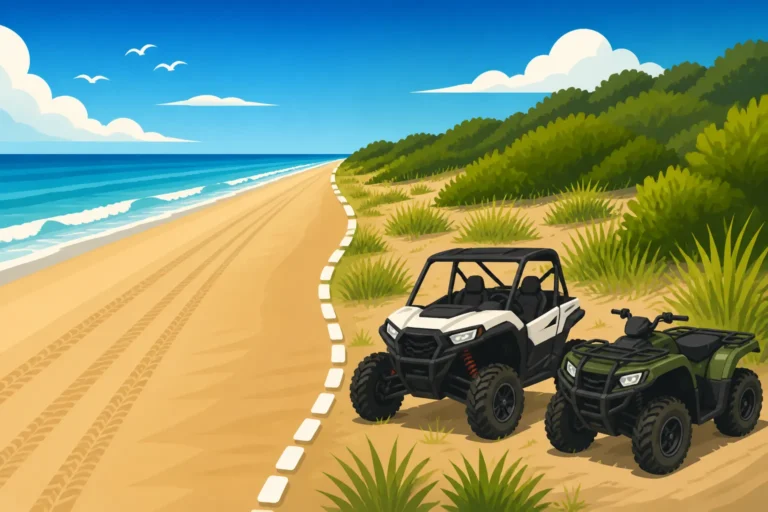
So, what exactly constitutes an "ocean beach area" under North Carolina law? This isn't just a casual term; it has a legal definition that impacts where and how you can ride. Generally speaking, an ocean beach area is understood as the land between the mean high water mark and the vegetation line. This includes the wet sand, the dry sand, and often even areas up to the dune line, depending on local ordinances. It's not just where the waves are crashing; it extends further inland than many people realize. [North Carolina's Ocean Beach Area Definition] is crucial to understand. It's often defined to include the area where public access is common for recreation, extending from the water's edge all the way back to where natural vegetation starts to grow, or to the base of the dunes. This broad definition ensures that the 16-and-over rule applies to the entire expanse of sand where people typically recreate, whether they're sunbathing, swimming, or driving. Knowing this boundary is essential because venturing into non-designated areas or with an underage driver can lead to significant fines and a spoiled trip.
Why This Specific Age Rule Exists
The state's decision to implement a higher age requirement for beach riding, specifically the [The 16-and-Over Rule on a North Carolina Beach], stems from a combination of safety concerns and environmental protection. Beaches are incredibly dynamic and sensitive environments. They're also shared spaces, often teeming with pedestrians, sunbathers, and children playing, making them vastly different from a secluded trail in the Uwharries. The presence of larger, heavier vehicles like ATVs and UTVs introduces significant risks in such crowded, unpredictable settings. Younger, less experienced riders, even with good intentions, might struggle with the specific challenges of beach terrain – soft sand, changing tides, and avoiding obstacles like buried debris or unsuspecting beachgoers. The rule aims to ensure that only more mature, typically licensed drivers are operating these machines in these high-traffic, sensitive areas, reducing the likelihood of accidents and minimizing environmental impact. It’s about ensuring responsible use of a public resource.
North Carolina's Broader ATV Age Regulations
While the beach rule is very specific, it's helpful to understand how it fits into North Carolina's general ATV age regulations. Our state has a layered approach to ATV operation, with rules that change depending on the rider's age and the type of land they're on. This broader context helps clarify why beach rules are often an exception rather than the norm.
General Rules for Riders Under 16
Outside of designated ocean beach areas, North Carolina law has different provisions for younger riders. For example, there's a strict [North Carolina's Under-Eight Ban], meaning no child under eight years old can operate an ATV anywhere in the state, on any land. For riders aged 8 to 15, the rules generally require direct adult supervision and often mandate safety course completion. Specifically, riders under 16 years old need to be under the continuous visual supervision of a parent or guardian. This supervision means the adult must be close enough to immediately intervene if necessary, and it’s typically required on private land, which is where most underage riding happens legally. This is a huge contrast to the beach, where even with supervision, a 14-year-old cannot legally drive. The general rules are designed to allow safe, supervised learning and recreation, while the beach rules prioritize public safety in a more challenging, open environment.
The Manufacturer's Age Warning and Its Impact
Many ATVs and UTVs come with a prominent manufacturer's age warning label, often suggesting a minimum operator age, like 12 or 16, depending on the machine's engine size and class. In North Carolina, these warnings carry legal weight. [The Manufacturer's Age Warning Label in North Carolina] isn't just a suggestion; it’s a standard that law enforcement can and does refer to. If a machine has a "16+" sticker, and a 14-year-old is operating it, even on private land, they could be in violation of state law. This is particularly relevant when you consider the variety of machines out there – from small youth quads to larger, more powerful UTVs. While the general state law allows for supervised riding for ages 8-15, this is usually only if the machine is age-appropriate according to the manufacturer's guidelines. This adds another layer of complexity for parents, as simply meeting the state's minimum age isn't always enough if the machine itself is too powerful for a younger rider. It's about matching the rider to the machine for safety.
Why the 70cc Rule Was Repealed
You might still hear some folks talk about an old 70cc engine rule for younger riders in North Carolina. It's important to clarify that [Why the 70cc Rule Was Repealed in North Carolina] means this specific regulation is no longer in effect. Laws evolve, and what was once a key part of ATV regulation may have been updated or removed. Always rely on the most current statutes. The state moved away from specific engine displacement rules in favor of a more comprehensive approach that considers rider age, manufacturer recommendations, and the need for supervision. This change aimed to simplify the rules and focus on the overall safety of the rider and others, rather than getting bogged down in engine sizes that might not fully capture the risk profile of a given machine. It's a prime example of how staying informed about current regulations is key.
Where ATV Beach Riding is Actually Permitted
Now that we've covered the age requirements, let's talk about the even more fundamental question: where can you actually ride an ATV on a North Carolina beach? The reality is that broad, open access for recreational ATV riding on our coastlines is extremely limited. Most areas are either outright prohibited, restricted to specific vehicle types, or reserved for official use.
General Restrictions on North Carolina Beaches
It's a common misconception that if a beach allows vehicles, it automatically allows ATVs. Unfortunately, this is rarely the case. Many beaches that permit vehicle access are specifically for conventional street-legal vehicles (cars, trucks) for activities like fishing or reaching remote access points. ATVs and UTVs, by their very nature, are designed for off-road use, and their impact on fragile dune systems and beach ecosystems is a major concern. Because of this, [North Carolina Rules for Riding a Beach] are typically quite stringent. The vast majority of North Carolina's coastline prohibits recreational ATV and UTV use entirely. This isn't about being exclusionary; it's about preserving the natural environment and ensuring the safety of all beachgoers. The limited areas that do allow some form of off-road vehicle often have very specific regulations regarding the type of vehicle, time of day, and purpose of travel.
Designated Areas and Local Ordinances
While statewide law sets the general age requirement, local towns and counties have the authority to create their own ordinances regarding beach access for vehicles. This means that what's allowed in one coastal town might be strictly prohibited just a few miles down the road. It's critical to research the specific rules for the beach you plan to visit before you load up your machine. Some areas might allow ATVs for specific purposes, like surf fishing during certain seasons or times of day, but these are often exceptions with strict controls. For instance, a beach may only permit vehicles with a valid fishing permit, and then only during specific hours. These local rules can dictate everything from the size of the vehicle to whether you need a special permit, or even if [North Carolina Rules for Riding a Beach] is permitted at all. Always check the official website of the specific town or county beach access office.
Exceptions for City Crews and Official Use
You might be driving along a North Carolina beach and see an ATV or UTV being operated by local government staff, perhaps for beach patrol, cleanup, or emergency services. It's easy to wonder, "Why can they ride here, but I can't?" This is where the concept of official use comes in. [Why City Crews Can Ride Where You Cannot] boils down to exemptions for municipal, county, state, and federal employees performing official duties. These vehicles are essential tools for managing our coastlines, responding to emergencies, and maintaining public safety. Their operation is under specific guidelines and for functional purposes, not recreational ones. So, while it might look like they're just out for a ride, they're typically on official business, and those rules do not extend to recreational riders.
Practical Considerations Beyond the Age Rule for Beach Riding
So, you're over 16, and you've found one of the rare spots that allows your ATV on the beach. Fantastic! But the age requirement is just one piece of the puzzle. There are several other practical and legal considerations you need to be aware of to ensure your beach riding experience is safe, legal, and enjoyable. Ignoring these can quickly turn a fun day into a frustrating, and expensive, one.
Equipment Requirements for Beach Riding
Even if you meet the age requirement and are on a permitted beach, your ATV or UTV still needs to meet certain equipment standards. One of the most common requirements, particularly on public lands or sensitive areas, is a functioning spark arrester. [North Carolina Spark Arrester Requirement] is a big one, as it helps prevent wildfires, especially in areas with dry vegetation near the beach. While you might associate this more with forest trails, sparks on a dry, windy beach can be just as dangerous. Beyond that, many local ordinances will mimic general road rules for any vehicle permitted on the sand, which could include proper lighting if you're riding after dark, functional brakes, and even a muffler system that keeps noise levels down. Ensuring your machine is up to snuff can prevent a citation and ensure you're a considerate user of the beach. It's worth checking out quality parts from brands like SuperATV if you're looking to upgrade your machine with reliable safety equipment or performance parts that can handle the unique challenges of sand riding, like specific tires or recovery gear.
Safety Gear and Responsible Operation
Even if state law doesn't explicitly require a helmet for adults riding an ATV on a beach, wearing one is always a wise choice. Sand can be unpredictable, and a rollover on the beach can be just as dangerous as one on a trail. [North Carolina Helmet Law for ATV Riders] primarily focuses on riders under 18, but that doesn't mean adults are immune to head injuries. The same goes for eye protection. Kicking up sand and dust is inevitable, and a good pair of goggles or safety glasses can prevent painful eye injuries. [North Carolina Eye Protection Requirement] applies generally to minors, but again, it’s just good common sense for all riders. Beyond gear, responsible operation is paramount. Maintain a safe speed, be constantly aware of your surroundings, and yield to pedestrians. Remember, the beach is a multi-use area, and your actions reflect on the entire ATV community. Keeping your speed in check, especially with SuperATV's enhanced suspension systems that can improve control on uneven terrain, is key to safely navigating crowds.
Local Ordinances and Enforcement
Never underestimate the power of local ordinances. While state law provides a framework, counties and municipalities can, and often do, add their own layers of regulation. This means a beach that seems open might have specific hours for ATV use, noise restrictions, or designated travel lanes. It’s not uncommon for local law enforcement, like county sheriff's deputies or town police, to be well-versed in these specific rules. They will issue tickets for violations, including underage riding, riding in prohibited areas, or operating a machine that doesn't meet local equipment standards. These fines can be substantial. Before you head out, make it a point to check the website for the local government of the beach you're visiting. A quick search for " [Town Staff Riding a Road Posted 35 mph] " or similar keywords can often lead you to the specific regulations for vehicle access. This due diligence can save you a lot of grief and ensure your day at the beach is memorable for all the right reasons.
Here's a quick look at some key distinctions for beach riding in NC:
| Feature | General NC ATV Law (Off-Road) | NC Ocean Beach Area Rules |
|---|---|---|
| Minimum Age to Operate | 8+ with adult supervision; 16+ without supervision | Strictly 16+ (regardless of supervision) |
| Primary Riding Areas | Designated OHV trails, private land, farm property | Very limited designated areas, specific local rules |
| Supervision for Minors | Required for riders 8-15 | Not applicable; minors cannot operate on beaches |
| Common Equipment Needs | Spark arrester, working brakes | Spark arrester, may include lights/muffler per local law |
| Legal Basis | NC General Statutes, Manufacturer's warnings | NC General Statutes, Local Ordinances |
| Enforcement | Forest Service, Local LEO, Wildlife Resources | Local LEO (Sheriff, Town Police) |
Disclaimer
This article is for general informational purposes only and does not constitute professional advice. Laws, prices and regulations vary by location and change over time. Consult a qualified professional for guidance on your specific situation.