North Carolina Rules for Riding a Beach
Oh, the dream of riding your ATV or UTV right onto the sandy shores of North Carolina, feeling that ocean breeze, and enjoying the wide-open expanse! It’s a vision many of us have, a real slice of paradise for any off-road enthusiast. But let’s be brutally honest: North Carolina has some very specific, and often restrictive, rules when it comes to motorized vehicles on its beautiful beaches. While the idea is enticing, the reality is far more nuanced, and for most riders, that dream remains just that – a dream. This guide is going to walk you through exactly what North Carolina law and local ordinances say about riding your machine on the beach, cutting through the confusion so you know precisely what you're up against.
The Harsh Reality: Why Most Beaches Are Off-Limits
It’s easy to look at the vast stretches of coastline and imagine endless riding possibilities. The truth, however, is that North Carolina’s beaches are highly regulated, and for good reason. From fragile ecosystems to public safety, there are many layers of protection in place that severely limit, if not outright prohibit, ATV and UTV access.
Federal, State, and Local Jurisdictions
When you’re talking about beaches in North Carolina, you’re not just dealing with one set of rules. You’ve got a complex tapestry of federal, state, and local jurisdictions, all with their own mandates. Federal lands, like national seashores and wildlife refuges, often have the strictest prohibitions against motorized vehicles to protect nesting sea turtles, shorebirds, and critical dune habitats. Think about the delicate balance of a dune system: a single pass from a heavy machine can undo years of natural growth and stabilization. State parks and natural areas fall under similar protective umbrellas, prioritizing conservation over recreational vehicle use.
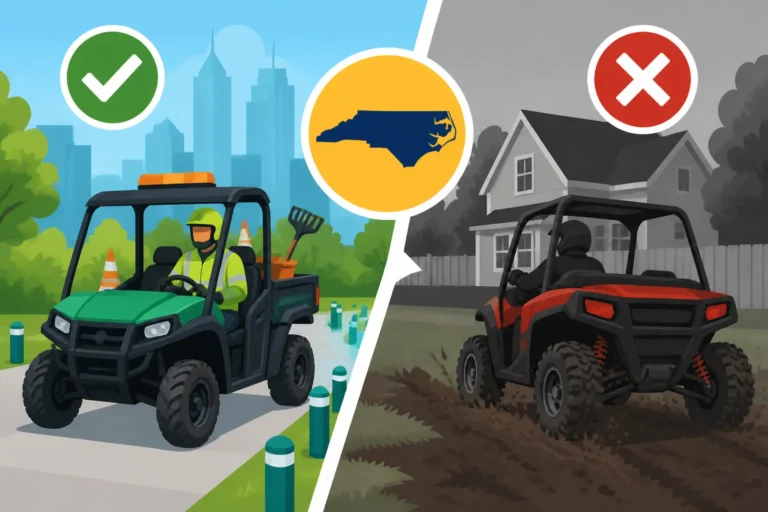
Then you have the local municipalities – the towns and counties that front the ocean. While they might have a bit more flexibility, their primary concerns are public safety, beach erosion, and managing the sheer volume of visitors. The noise, potential for accidents, and environmental impact of ATVs and UTVs simply don't align with these goals for most coastal communities. It’s frustrating when you see a park ranger or a town staff member driving a UTV on the sand, but those vehicles are usually essential service machines, operating under specific exemptions for official duties, like monitoring the beach or clearing storm debris. Their presence isn’t an invitation for private recreational use.
The "Ocean Beach Area" Definition
North Carolina law has a very particular definition of what constitutes an "ocean beach area," and understanding this is crucial. Generally, it refers to the area of unconsolidated sediment that extends from the mean low water line landward to the vegetation line, or where permanent structures begin. This definition is important because it dictates where various regulations apply, including those concerning motorized vehicles.
The vegetation line is a dynamic boundary, especially after storms or during periods of significant erosion or accretion. It’s not a static painted line on the sand, which can make things confusing. What might have been considered the dry sand above the vegetation line one year could be part of the active beach face the next. This fluid boundary is precisely why strict bans are often in place – it's just simpler and safer to prohibit recreational vehicles from the entire "ocean beach area" rather than trying to define a shifting line for every rider. Even if you believe you’re above the high tide mark, if you're within this legally defined area, you're subject to its restrictions.
Where You Might Find Limited Access (and the Strict Rules That Apply)
While outright recreational ATV and UTV riding on most North Carolina beaches is a non-starter, there are a handful of very specific, highly regulated exceptions, almost exclusively tied to fishing access or particular land designations. These are not open invitations for joyriding; they come with a hefty rulebook and often strict enforcement.
Local Exceptions and Permitting
A few specific localities and designated areas may offer limited vehicular access to the beach, almost always requiring a special permit. Think of places like certain sections of Cape Lookout National Seashore or a handful of towns on the Outer Banks. These permits are rarely issued for casual ATV or UTV riding. Instead, they are typically for surf fishing access, allowing a street-legal 4×4 vehicle to drive onto the sand to reach fishing spots. Even then, you'll find strict rules about where you can drive (often only on the hard-packed sand between the high tide line and the dunes), speed limits, and even the time of day or year you can access.
The process for obtaining such a permit can be involved, requiring applications, fees, and a clear understanding of the specific rules. You often need to demonstrate a legitimate reason for needing vehicular access beyond just wanting to ride your machine. Before even thinking about loading your ATV, your first step must be to contact the specific local authority (town, county, or national park service) for the beach you're interested in. Do not rely on old information or hearsay; these rules change, and ignorance is definitely not a defense if you get caught riding where you shouldn't.
The 16-and-Over Rule on a North Carolina Beach
Even in those rare instances where a motorized vehicle is permitted on a North Carolina beach, you'll encounter age restrictions that can be even stricter than general off-road rules. For instance, some areas that allow permitted vehicular access may stipulate that only licensed drivers (16 years or older) are allowed to operate a vehicle on the sand, even if the vehicle itself is typically operated by younger riders off-road. This is another layer of public safety, given the mixed use of beaches by pedestrians, sunbathers, and other vehicles.
So, if you somehow manage to find a sliver of beach access for a specialized permit, be prepared for strict age enforcement. This isn't the place for your younger family members to learn to ride, even with supervision. The state takes its beach preservation and public safety seriously, and these rules are designed to protect everyone. It's really important to understand the [North Carolina Beach Riding Age Requirement] before you even think about putting tires on the sand.
What North Carolina Counts as a Beach Vehicle (and Why ATVs Usually Don't Fit)
This is where the rubber meets the road, or rather, where the tire meets the sand, and it often clarifies why your typical ATV or UTV won't cut it for beach access in North Carolina. The few allowances for vehicles on the beach are almost always geared towards street-legal machines, and most ATVs and UTVs simply don't qualify without significant, and often impractical, modifications.
The Street Legal Hurdle and Other Vehicle Types
Many of the permits issued for beach driving, particularly for fishing access on the Outer Banks, are specifically for street-legal vehicles. This immediately rules out the vast majority of ATVs and UTVs right off the bat. A typical ATV is designed for off-road use, lacking essential components like headlights, taillights, turn signals, mirrors, a horn, and a speedometer that are required for road legality. UTVs, or side-by-sides, are closer, but most still don't meet the stringent requirements to be considered a street-legal Modified Utility Vehicle (MUV) in North Carolina.
You’ll see 4×4 trucks and SUVs with permits, sometimes even purpose-built sand vehicles. These are generally street-legal and equipped for the specific conditions of beach driving. If you were thinking of modifying your UTV to meet street-legal standards, you’d be looking at a considerable investment in aftermarket parts. Companies like SuperATV offer a vast array of parts for UTVs, from lift kits to performance upgrades, but transforming a UTV into a truly street-legal MUV that meets North Carolina's precise criteria – including engine size, dimensions, and all required safety equipment – is a complex undertaking. Even then, a street-legal MUV might still be excluded from specific beach access points if the local ordinance targets full-size vehicles exclusively.
Why Most Side-by-Sides Miss the Mark for Beach Use
While many side-by-sides look capable of tackling sand, they face the same fundamental hurdle as ATVs: they aren't designed or typically equipped to be street-legal. North Carolina has a specific classification for Modified Utility Vehicles (MUVs) that can be registered for road use, but the requirements are very strict. For example, an MUV must have an engine displacement of more than 2,400cc, be between 142 and 148 inches long, no more than 58 inches wide, and no more than 70 inches high. It also needs to be capable of at least 40 mph. Most side-by-sides, even larger ones, simply do not meet these specific [North Carolina MUV Dimension Requirements].
Even if your side-by-side somehow met these criteria and you went through the considerable effort and expense to make it street-legal, its use on the beach would still depend entirely on the specific local permits available. These permits usually specify that a vehicle must be primarily used for fishing or legitimate access, not for general recreation. The intent of beach vehicle regulations in North Carolina is very clear: protect the environment, ensure public safety, and limit recreational motorized activity on the sand. This is why you rarely, if ever, see ATVs or UTVs being legally ridden for pleasure on the state's ocean beaches.
Essential Steps Before You Head to the Sand
It’s clear that hitting the beach on your ATV or UTV in North Carolina is fraught with restrictions. But if you’re still determined to explore any sliver of possibility, there are critical steps you absolutely must take before you even dream of trailering your machine towards the coast.
Researching Specific Locations
This cannot be stressed enough: general state rules are just the starting point. Beach access is overwhelmingly determined by local ordinances, and these vary wildly from one town, county, or federal park to another. What might be permitted in a very limited capacity in one isolated stretch of beach could be strictly prohibited just a few miles down the road.
Your best course of action is to directly contact the specific local authorities for the beach you intend to visit. This means calling the town hall, the county sheriff’s office, or the superintendent’s office for any national seashores or parks. For example, if you’re thinking about the Outer Banks, you'd need to check with the National Park Service for Cape Hatteras National Seashore or the specific town you're visiting, like the Town of Nags Head or the Town of Emerald Isle. Ask very specific questions:
- "Are any motorized vehicles permitted on the beach here?"
- "If so, what type of vehicles are allowed (e.g., street-legal 4×4 trucks, MUVs)?"
- "What are the permit requirements, fees, and application process?"
- "Are there any age restrictions for drivers?"
- "What are the specific driving areas, speed limits, and times of access?"
Don't rely on online forums or outdated information. Get it straight from the source, and if possible, get it in writing or note down who you spoke with and when.
Understanding Permitting, Fees, and Enforcement
If, by some slim chance, you find a locale that does allow permitted vehicle access to the beach, be prepared for a rigorous process. Permitting often involves an application, potentially a fee that helps cover beach maintenance and enforcement, and a clear understanding of all the rules. These aren't like grabbing a general off-road pass; they are highly specific. For instance, a permit might be valid only for a certain length of beach, only during certain months, or only for specific activities like surf fishing.
Enforcement on North Carolina beaches is generally very strict. Local law enforcement, park rangers, and even wildlife officers patrol the beaches. If you're caught riding your ATV or UTV where it's prohibited, or without the proper permits, you could face significant [North Carolina Fines for an ATV Violation], impoundment of your vehicle, and even legal repercussions. These fines are not trivial and can quickly turn your dream beach ride into a very expensive headache. Moreover, beach environments are fragile. Even if you secure a permit, remember the "Leave No Trace" principle. Stay on designated paths, respect wildlife, and pack out everything you pack in. The privilege of beach access, however limited, depends on responsible use by everyone.
Here's a quick hypothetical comparison to illustrate the differences in beach access you might encounter:
| Feature | Hypothetical "Surf Fishing Access" Beach | Hypothetical "No Motorized Access" Beach |
|---|---|---|
| Location Type | National Seashore / Specific Municipality | State Park / Most Municipalities |
| Permit Required? | Yes, specific fishing access permit | No permits for recreational vehicles |
| Vehicle Type Allowed | Street-legal 4×4 trucks, MUVs (if street-legal and meeting MUV criteria) | No recreational ATVs/UTVs allowed |
| ATV/UTV Allowed? | Generally no, unless street-legal MUV | Absolutely not |
| Primary Purpose | Access for surf fishing, permitted use | Conservation, pedestrian recreation |
| Age Requirement | 16+ with valid driver's license | N/A (no motorized access) |
| Driving Area | Designated corridors, hard-packed sand | Pedestrian-only beach |
| Enforcement | Strict; fines for violations | Strict; fines/penalties for violations |
| Typical Cost (Permit) | Varies, annual fee common | N/A |
Disclaimer
This article is for general informational purposes only and does not constitute professional advice. Laws, prices and regulations vary by location and change over time. Consult a qualified professional for guidance on your specific situation.