North Carolina Helmet Law for ATV Riders
Let's be real, hitting the trails on your ATV or UTV in North Carolina is all about freedom, adventure, and feeling that wind in your hair. But when it comes to head protection, there are some pretty important rules to know, especially here in the Tar Heel State. It's not just about avoiding a ticket; it's about keeping yourself safe when that unexpected ditch or hidden root jumps out at you. This guide will cut through the confusion, explaining North Carolina's specific helmet laws for ATV riders, outlining who needs to wear one, what kind is acceptable, and why this piece of gear is your best friend on the trail.
Navigating North Carolina's ATV Helmet Laws: Who Needs to Buckle Up?
The moment you throw a leg over your quad or slide into the seat of your side-by-side, safety should be at the forefront of your mind. North Carolina has a clear stance on helmet use, designed primarily to protect its youngest and most vulnerable riders. It's easy to get caught up in the excitement of a ride, but understanding these laws before you ever hit the throttle can save you a lot of heartache – and potential injury.
The Crucial Age Cutoff: Riders Under 18
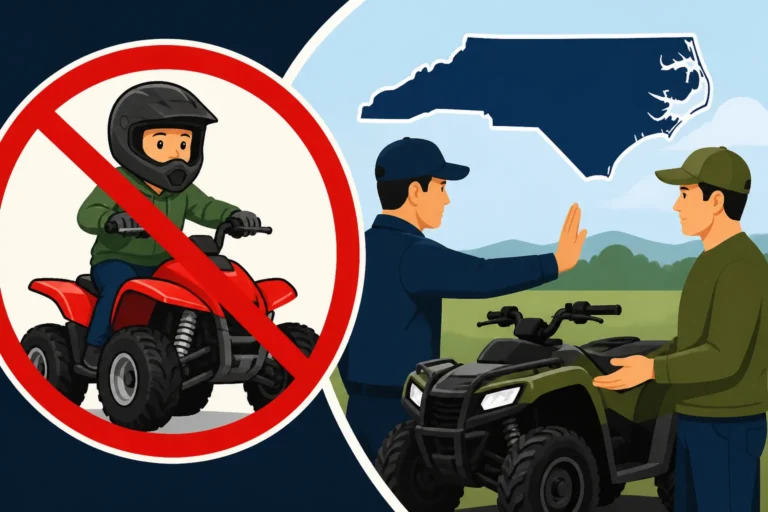
This is probably the most significant rule to remember: any person operating or riding on an all-terrain vehicle who is under 18 years of age must wear a safety helmet. It doesn't matter if they're the driver, a passenger, or just hopping on for a quick spin around the backyard. If they haven't celebrated their 18th birthday yet, that helmet needs to be securely fastened.
Think of it like this: your younger family members and friends, with their still-developing bodies and perhaps less experience handling a powerful machine, are at a higher risk for serious head injuries in the event of an accident. The state isn't trying to dampen their fun; it's trying to protect their future. As an experienced rider or a parent, it's your responsibility to ensure these rules are followed. It can be a hassle sometimes, especially if you have multiple younger riders, but it's a non-negotiable part of enjoying the sport safely. You can find more details on general rules for younger riders in our article on [North Carolina Rules for Riders Under 16].
Public vs. Private Land: Where the Rules Apply
Now, this is where a lot of folks get confused. Does this helmet law apply everywhere, or just on designated trails? In North Carolina, the law regarding helmet use for riders under 18 applies generally, regardless of whether you're on public or private land. Yes, that means even in your own sprawling backyard, if someone under 18 is riding an ATV, they need to have a helmet on.
The intent here is consistent safety, understanding that accidents can happen anywhere, not just on a challenging public trail. Imagine a scenario where a young rider is just learning the ropes on a large family property. They might be going slower, but a sudden tip-over can still result in a significant head impact. The law doesn't differentiate between the adrenaline-pumping climbs of [Badin Lake OHV Trail Complex] and a leisurely cruise around a farm. The rules for [North Carolina Rules for Riding Private Land] still include the helmet mandate for minors. This consistency helps to instill good safety habits from a young age, making helmet use second nature as they grow into more experienced riders. For comparison, it's always good to understand the broader context of where you can and cannot ride, which we cover in [North Carolina Rules for Riding Public Land].
What Kind of Helmet Meets North Carolina's Legal Requirements?
So, you know who needs a helmet, but what kind of helmet actually counts? This isn't just about throwing on any old hard hat. North Carolina, like most states, has specific standards for protective gear to ensure it actually does its job when you need it most. Skimping on the quality or type of helmet is a gamble you absolutely do not want to take with your head.
The DOT Stamp: Your Non-Negotiable Requirement
The absolute key requirement for any helmet used by an ATV rider under 18 in North Carolina is that it must be approved by the United States Department of Transportation (DOT). You'll find a DOT sticker or label, usually on the back of the helmet, certifying that it meets specific safety performance standards. This isn't just a suggestion; it's the law.
Why DOT? Because these helmets have been rigorously tested to withstand impacts, penetration, and to ensure they stay on your head during a crash. A novelty helmet or a bicycle helmet simply won't offer the same level of protection against the types of forces involved in an ATV accident. When you're browsing for a helmet, whether it's at your local dealer or an online retailer like SuperATV, always double-check for that DOT certification. It's your assurance that the helmet isn't just for show but is built to protect. Without that stamp, the helmet is considered non-compliant, and you could face a citation, beyond the obvious safety risk. This is particularly important for [Why Under-18 Riders Need a DOT Motorcycle Helmet].
Beyond the Basics: Features for Safety and Comfort
While DOT approval is the legal minimum, there's a lot more to consider when choosing a helmet, especially for active riders. A good helmet should not only protect but also be comfortable enough to wear for extended periods, encouraging consistent use.
- Fit is King: A helmet should fit snugly, without being uncomfortably tight, and shouldn't move around on the head. If it wiggles freely, it's too big and won't protect effectively.
- Full-Face Protection: While not explicitly mandated by law for all ATV riders, a full-face helmet offers superior protection for the chin and face, areas particularly vulnerable in an off-road fall. The varied terrain and potential for striking obstacles make this a wise choice.
- Ventilation: Look for helmets with good airflow to keep cool, especially during North Carolina's hot summers. Proper ventilation can prevent fatigue and improve focus.
- Visor/Goggles: Integrated visors or separate goggles are essential for eye protection from dust, debris, and branches. While [North Carolina Eye Protection Requirement] mandates eye protection for riders under 18, it's a smart move for everyone.
- Construction Materials: Helmets are made from various materials like polycarbonate, fiberglass, or carbon fiber. Generally, the lighter and stronger the material, the more expensive the helmet, but also the more comfortable it will be for long rides.
Investing in a high-quality helmet is just as important as maintaining your machine. Think of it as an essential component of your riding gear, just like good tires or a reliable winch you might find at SuperATV. It's not just about meeting the bare minimum legal requirement; it's about maximizing your safety and enjoyment on every single ride.
Special Considerations: Passengers, Youth Machines, and Rental Riders
The world of ATVs and UTVs is diverse, with everything from single-rider quads to multi-passenger side-by-sides, and machines tailored for younger enthusiasts. Each of these scenarios can have slightly different implications for helmet use, so it's important to understand the nuances to ensure everyone is riding legally and safely.
Carrying a Passenger: Double the Fun, Double the Rules
Many modern ATVs and nearly all UTVs are designed to carry passengers, allowing you to share the adventure. However, if that passenger is under 18 years of age, they fall under the same helmet law as the operator. This means a DOT-approved helmet is required for them, just as it is for any underage driver.
It’s crucial to remember that this rule applies whether you're carrying a small child on a dedicated two-up ATV or a teenager in the back of your UTV. If you're planning a family outing, make sure you have enough compliant helmets for every minor who will be riding along. Don't assume that because they're not driving, the rules are relaxed. The risk of head injury in a rollover or sudden stop is just as real for a passenger. For more guidance on sharing your ride, check out [North Carolina Rules for a Passenger Under 18]. Always ensure your machine is rated for the number of passengers you intend to carry, and never exceed its capacity.
Renting an ATV: What the Outfitter Requires
If you're not an owner but are looking to experience North Carolina's trails through a rental, you'll find that rental companies often have their own stringent safety requirements, which typically align with, or even exceed, state laws. Reputable outfitters that offer [Renting an ATV in North Carolina] will almost certainly require helmets for all riders, regardless of age. They do this not just for legal compliance, but because their insurance demands it, and more importantly, because they care about the safety of their customers.
When you rent a machine from a place near the [Uwharrie National Forest in North Carolina], for example, expect to be provided with a helmet (often included in the rental cost) and to be required to wear it. They will also likely have you sign waivers and go over safety briefings, which reinforce helmet use. Even if you're an adult and technically not legally mandated to wear a helmet on private land, many rental agreements will require it. Always clarify the rental company's specific helmet policy before you book, and be prepared to comply for your own safety and to avoid any issues with your rental agreement or insurance coverage.
Youth Machines and Licensing for Young Riders
While the core helmet rule remains for anyone under 18, it's also worth noting that North Carolina has additional rules regarding the operation of youth model ATVs and the age requirements for riders. These rules work in conjunction with the helmet law to create a safer environment for young enthusiasts. For instance, there are specific age restrictions on certain engine sizes and requirements for continuous visual supervision for riders under 16.
Understanding these intertwined regulations is key. A young rider not only needs a DOT-approved helmet but also needs to be riding a machine appropriate for their age and skill level, and often under adult supervision. This comprehensive approach to safety helps minimize risks. You can delve deeper into age-specific regulations in [North Carolina Minimum Age to Ride an ATV] and learn about the [North Carolina ATV Safety Certificate Requirements] for those born after a certain date, which often goes hand-in-hand with safe riding practices.
Why Helmet Use Isn't Just About the Law: Real-World Safety
While understanding the letter of the law is crucial for avoiding fines and ensuring compliance, the most important reason to wear a helmet goes far beyond legal mandates. In the unpredictable world of off-road riding, a helmet is your first, and often last, line of defense against severe injury. The statistics on ATV accidents and head injuries are stark, and they serve as a powerful reminder of why this piece of gear is indispensable.
Mitigating Risks on the Trail
Off-road riding, by its very nature, carries inherent risks. You're dealing with uneven terrain, sudden drops, hidden obstacles, and the potential for losing control, even at low speeds. A split-second decision or an unforeseen obstacle can send a rider flying or cause a machine to roll. In these moments, your head is incredibly vulnerable. A properly fitted, DOT-approved helmet is designed to absorb and distribute impact forces, dramatically reducing the risk of concussions, skull fractures, and traumatic brain injury.
Imagine you're navigating a rocky section of the [Brown Mountain OHV Trail System] and hit an unexpected washout. Your machine lurches, and you're thrown. Without a helmet, even a glancing blow to a rock or the ground could have life-altering consequences. With a helmet, the impact is absorbed by the helmet's shell and liner, protecting your brain. This isn't theoretical; it's a reality that emergency rooms across North Carolina deal with regularly. Any experienced rider knows that a helmet isn't just a piece of gear; it's an investment in your well-being and ability to keep enjoying the sport you love.
The Cost of Neglecting Head Protection
The consequences of not wearing a helmet, or wearing a non-compliant one, can be devastating. Beyond the immediate physical trauma, there are long-term health implications, extensive medical bills, and potential legal repercussions. A traumatic brain injury can lead to permanent cognitive, physical, and emotional impairments, affecting not just the rider but their entire family. The cost of such injuries far outweighs the price of a good helmet.
Furthermore, failing to adhere to North Carolina's helmet laws can lead to fines and citations. While a ticket might seem minor compared to an injury, it's an unnecessary expense and a black mark on your record. [North Carolina Fines for an ATV Violation] can quickly add up, and repeat offenses or severe incidents might lead to more serious consequences. In a worst-case scenario, if an accident results in injury and you or an underage rider were not wearing a required helmet, it could complicate insurance claims or lead to civil litigation. When considering all these factors, the choice to wear a helmet becomes less about compliance and more about common sense and self-preservation. Whether you're riding a standard quad or a high-performance UTV from a brand like SuperATV, safety should always be your top priority.
North Carolina ATV Helmet Requirements at a Glance
| Rider Age Category | Public Land Requirement | Private Land Requirement | Helmet Type |
|---|---|---|---|
| Under 18 | Mandatory | Mandatory | DOT Approved |
| 18 and Over | Recommended | Recommended | DOT Approved |
This table provides a quick overview, but always remember that "recommended" often means "highly, highly advised" when it comes to head protection.
Disclaimer
This article is for general informational purposes only and does not constitute professional advice. Laws, prices and regulations vary by location and change over time. Consult a qualified professional for guidance on your specific situation.