Written Landowner Permission in North Carolina
It's a familiar scenario for many off-road enthusiasts here in North Carolina: you've got access to some incredible private land, maybe a friend of a friend's sprawling farm or a family member's timber tract, and you're itching to ride. The problem is, often that access is granted with a simple nod or a quick verbal "yeah, go for it." While that might feel neighborly and straightforward, relying on spoken agreements alone for ATV and UTV riding on private property can lead to a heap of misunderstandings, legal headaches, and potentially even lost friendships. This guide will walk you through why written landowner permission is absolutely crucial for riding in North Carolina, what specifics you need to include, how to approach landowners respectfully, and the very real pitfalls of operating without it.
Why Relying on a Handshake Can Get You into Hot Water
We've all been there, trusting a verbal agreement. It feels personal, friendly, and often quicker than drafting up a document. But when it comes to riding ATVs and UTVs on private land, those good intentions can quickly unravel, leaving both you and the landowner in a difficult spot. North Carolina law takes trespass very seriously, and even if you thought you had permission, proving it without a written document can be nearly impossible.
The Problem with Verbal Agreements
Imagine this: you've been riding on Farmer Johnson's back forty for years, always with a verbal "sure, just close the gate" when you ask. Then, Farmer Johnson sells the land to a new owner, or perhaps he has an unfortunate accident and his nephew takes over. The new owner, or even the nephew, might have no idea about your long-standing arrangement. Suddenly, you're on their property, and they see you as a trespasser, plain and simple. What seemed like an innocent afternoon ride can quickly escalate into a confrontation, or worse, a call to the local sheriff. Without anything in writing, it's your word against theirs, and in the eyes of the law, that often means you're on the losing end.
Even with the original landowner, memories fade, details get fuzzy, or circumstances change. Perhaps they verbally granted you permission to ride specific trails, but you ventured into a newly planted field without realizing. If damage occurs, the verbal agreement suddenly isn't clear on who is responsible for what. This kind of ambiguity creates tension and can sour what was once a great relationship, making future access impossible. It's not about distrust; it's about clarity and protecting everyone involved. Think of it as a safety net for your riding privileges and the landowner's peace of mind.
Protecting Yourself and the Landowner
A written agreement isn't just about covering your own hide; it's a vital tool for protecting the landowner as well. For example, if you have an accident on their property, a clear, written permission form can outline what liabilities exist, who is responsible for emergency contacts, and whether you understand the inherent risks. It can also stipulate that you are riding at your own risk, which is a common and reasonable request from landowners concerned about potential lawsuits. This clear understanding beforehand can prevent a lot of heartache and legal expense down the road.
Furthermore, a written agreement demonstrates your commitment to being a responsible rider. It shows you've taken the time to think through the implications and are serious about respecting their property. This level of professionalism can foster a much stronger, long-term relationship with the landowner, potentially opening up more riding opportunities or even leading to them recommending you to other landowners with suitable terrain. [North Carolina Landowner Permission Rules] often favor landowners, so by taking this proactive step, you're building trust and showing respect for their rights and their land.
What to Include in Your North Carolina Written Landowner Permission
Crafting a good written permission document isn't about creating a complex legal tome; it's about clear, concise communication that covers all the essential bases. Think of it as a simple contract that leaves no room for doubt about what's allowed, when, and by whom.
Essential Information and Specifics
Your written permission document should start with the basics: who, what, where, and when. This might seem obvious, but skipping details here is where many verbal agreements fall apart.
- Parties Involved: Clearly state the full legal name and contact information of the landowner(s) granting permission, and your full legal name and contact information as the rider(s) receiving permission. If you're riding as a group, list every individual or designate a group leader responsible for ensuring all riders adhere to the terms.
- Property Description: Don't just say "the farm." Include a specific address, parcel number, or a detailed description of the property boundaries where riding is permitted. If only certain fields, trails, or areas are accessible, describe those specifically, perhaps referencing a map attached to the document. This prevents any accidental trespassing onto restricted areas or neighboring properties.
- Permitted Activities: Specify that the permission is for ATV/UTV riding. If there are other activities allowed (like hunting or fishing), mention those too. Be clear about what types of machines are permitted (e.g., "all-terrain vehicles and utility task vehicles").
- Dates and Times: Is the permission for a single day, a specific weekend, or an ongoing basis? If it's ongoing, what are the start and end dates? Are there any time restrictions, like "daylight hours only" or "no riding after sunset"? Being explicit here avoids calls about noise complaints at odd hours.
- Conditions and Rules: This is where you address the landowner's specific concerns. Does the landowner require you to close gates? Stay on marked trails? Avoid certain crops or livestock? Perhaps they have a rule about speed limits on access roads, or require a spark arrester on your exhaust. This is also a good place to mention general good practices like packing out trash. Some landowners might even specify equipment requirements. For instance, if you've recently upgraded your UTV with a lift kit or larger tires from a place like SuperATV, make sure it still fits within any specified vehicle restrictions for the property.
- Acknowledgement of Risk and Liability: This is a crucial section. It should state that the rider understands and accepts the inherent risks associated with ATV/UTV riding and that they release the landowner from liability for injuries or damages that may occur while on the property. This is a common and understandable request from landowners.
Example of a Permission Checklist
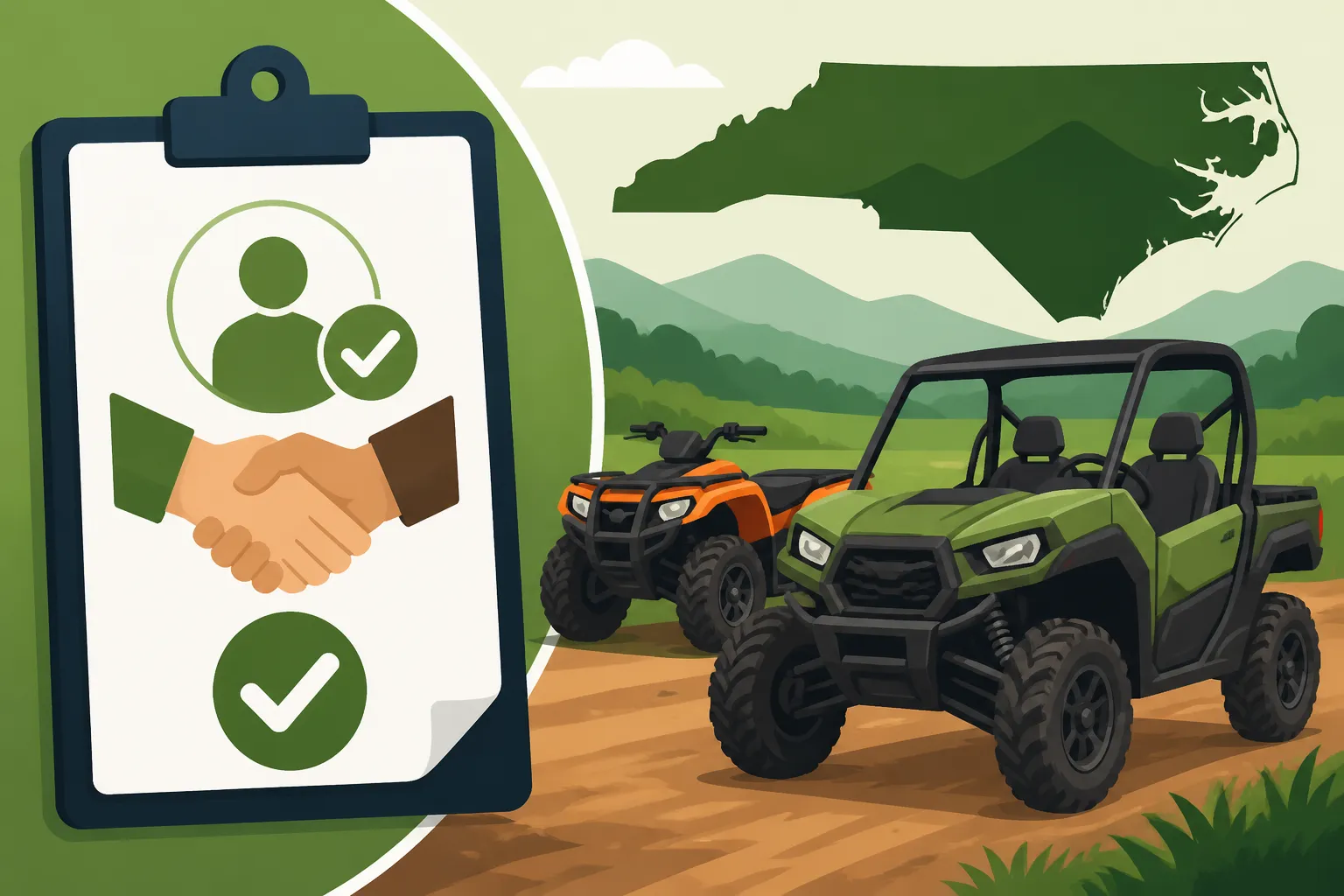
A simple table can serve as an excellent checklist for both you and the landowner to ensure all critical points are addressed.
| Item to Include | Details / Specifics | Landowner Initials | Rider Initials |
|---|---|---|---|
| Landowner Name & Contact | Full legal name, address, phone | ||
| Rider Name & Contact | Full legal name, address, phone | ||
| Property Address/Description | Street address, parcel number, defined boundaries | ||
| Permitted Area of Ride | Specific trails, fields, areas (attach map if complex) | ||
| Machine Type(s) Permitted | ATV, UTV, specific models or dimensions if applicable | ||
| Dates of Permission | Start date, End date (if applicable) | ||
| Hours of Operation | E.g., Daylight hours, specific times | ||
| Rules of Conduct | Close gates, stay on trails, no littering, respect crops/livestock etc. | ||
| Spark Arrester Required? | Yes/No, specific requirements | ||
| Acknowledgement of Risk | Rider assumes risk, releases landowner from liability | ||
| Emergency Contacts | Who to call if there's an incident | ||
| Insurance Requirements | Any specific insurance requests from landowner | ||
| Signatures & Date | Landowner(s) and Rider(s) |
Remember, this is a template. Always tailor it to the specific situation and the landowner's concerns. Having clear terms up front, like those often discussed in [North Carolina ATV Bill of Sale Requirements] regarding vehicle condition, can translate to how you use the machine on private land.
How to Secure Permission and Maintain Good Relationships
Getting written permission isn't just about getting a signature; it's about building and nurturing a relationship with the landowner. Approach it with respect, clear communication, and a genuine commitment to responsible riding.
Making the Initial Approach
The first impression is critical. Don't just show up with your machine and ask to ride. Instead, make an appointment to speak with the landowner at a convenient time for them. Dress respectfully and be prepared to explain why you're interested in riding on their land and what steps you'll take to be a good steward of their property.
Start the conversation by expressing your appreciation for their land and acknowledging that they are doing you a favor. Explain your passion for ATV/UTV riding and how you believe you can enjoy their property responsibly. Emphasize that you're seeking to formalize the agreement in writing for both your protection and theirs, offering peace of mind to everyone involved. You might mention that you're looking for a safe, designated place to ride and that you understand the importance of clear boundaries.
Be ready to discuss:
- Your riding habits: Are you a casual trail rider, or do you enjoy more challenging terrain?
- Your machine: What kind of ATV or UTV do you have? Is it loud? Do you maintain it well?
- Your understanding of property rules: Reiterate your commitment to respecting their wishes, closing gates, staying away from sensitive areas, and minimizing impact.
- Insurance: Offer to provide proof of your liability insurance, as this can be a huge reassurance for landowners concerned about accidents.
Come prepared with a draft of a simple permission form, like the checklist above, to show them how easy it can be. This proactive step demonstrates your seriousness and thoughtfulness. When you discuss the condition of your machine, you might mention that you regularly maintain it and only use quality parts, perhaps from a reputable brand like SuperATV, ensuring it runs quietly and reliably.
Being a Responsible Rider and Neighbor
Securing permission is only the first step. The ongoing effort to be a responsible rider is what will ensure your access continues year after year.
- Stick to the Agreement: This is non-negotiable. If the agreement says stay on marked trails, stay on marked trails. If it says no riding after dark, park your machine when the sun goes down. Deviating from the agreed-upon terms is the quickest way to lose your privileges. [North Carolina Rules for Riding Private Land] exist, but a landowner's specific rules often go beyond state law.
- Respect the Land: Ride responsibly. Avoid tearing up fields, creating excessive ruts, or damaging fences. Be mindful of noise, especially near residences or during times when livestock might be easily spooked. Leave no trace – pack out everything you pack in, and if you see litter that isn't yours, consider picking it up. A small gesture like this goes a long way.
- Communicate Regularly: Don't just disappear until you want to ride again. A quick check-in call or text before heading out, especially if you haven't been there in a while, shows courtesy. If you notice a broken fence, a fallen tree, or anything else that might be a concern on their property, report it to the landowner. You might even offer to help with small tasks around the property if you have the skills and time, further solidifying the relationship.
- Show Gratitude: A simple thank you goes a long way. Occasionally, offer a small token of appreciation, like a gift card to a local restaurant, a basket of goodies, or even just a handwritten card. These gestures reinforce your appreciation for their generosity and can make them feel valued. Remember, their land is their livelihood and their sanctuary; treating it with the utmost respect is paramount.
The Real-World Consequences of Riding Without Proper Permission
While it might seem like a minor oversight, riding without proper, verifiable permission can lead to a host of unpleasant and potentially costly consequences in North Carolina. This isn't just about getting a stern talking-to; it can involve legal action, significant fines, and even the loss of your machine.
Legal Penalties and Fines
North Carolina law is clear: operating a vehicle on private property without the consent of the owner or person in charge is a form of trespass. This isn't a simple slap on the wrist. A first offense for trespassing with a motor vehicle can result in significant fines and court costs. Repeat offenses can lead to even harsher penalties, potentially including jail time, especially if there's any damage to the property or if you ignore requests to leave. [North Carolina Fines for an ATV Violation] can be substantial, and trespass falls squarely into that category.
Consider this scenario: you're riding a logging road you've used for years, assuming it's public access or that your buddy's dad "probably wouldn't mind." A new hunting club leases the land and the club members catch you. They call the sheriff. Even if you explain your assumption, without a written document proving permission, you're likely facing a trespassing charge. This can go on your permanent record, affecting future employment or even firearm ownership in some cases. The peace of mind and legal protection that a simple piece of paper provides is invaluable compared to the stress and expense of dealing with a court case.
Vehicle Impoundment and Damage Claims
Beyond fines, your ATV or UTV could be impounded. Law enforcement has the authority to seize vehicles used in the commission of a crime, and trespassing often qualifies. Getting your machine back from impound can be an expensive and time-consuming process, involving impound fees, storage fees, and potentially other administrative costs, not to mention the legal fees to resolve the underlying trespass charge. It could be days or even weeks before you get your machine back, all for trying to save a few minutes by not getting permission.
Furthermore, if your riding causes any damage to the landowner's property—whether it's rutting up a field, damaging a fence, or disturbing livestock—you could be held financially responsible. The landowner can sue you for civil damages to cover the cost of repairs, lost crops, or veterinary bills. These claims can easily run into the hundreds or even thousands of dollars, far exceeding the cost of any fines. A clear written agreement, on the other hand, can outline responsibilities for potential damage, ensuring everyone knows where they stand. It's much easier to have these discussions before an incident occurs.
Loss of Future Riding Opportunities and Reputation
Even if you avoid legal trouble, the damage to your reputation and future riding opportunities can be severe. Landowners in rural North Carolina often communicate with each other. If one landowner has a negative experience with you—even if it's just a misunderstanding due to a lack of written permission—that word can spread quickly. You might find that other landowners become hesitant to grant you access, effectively closing off large areas of potential riding land.
Moreover, if you are a member of a local riding club or participate in organized events, an incident of unauthorized riding could lead to disciplinary action, including expulsion. The off-road community often values responsible riding and good relationships with landowners. Being labeled as someone who disrespects private property can significantly impact your standing within this community. Investing the time and effort to secure written permission is not just about avoiding legal trouble; it's about safeguarding your passion, maintaining good relationships, and ensuring that private land remains an option for responsible riders for years to come. Don't risk it for a spontaneous ride; always get it in writing.
Disclaimer
This article is for general informational purposes only and does not constitute professional advice. Laws, prices and regulations vary by location and change over time. Consult a qualified professional for guidance on your specific situation.