Buying an Out-of-State Machine for North Carolina
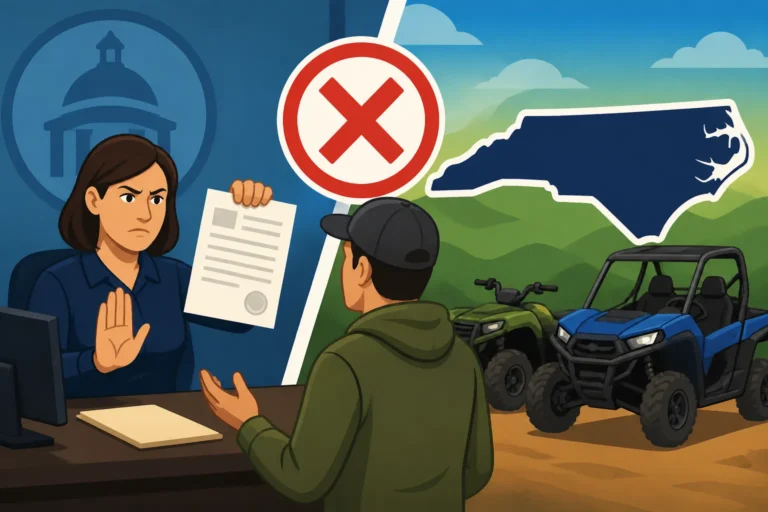
Oh, the thrill of finding that perfect ATV or UTV! Maybe you stumbled upon a killer deal just across the state line in Virginia or South Carolina, or perhaps you found a rare model online in Georgia or Tennessee that you just had to have. It’s an exciting moment, full of dreams of tearing up some trails or getting that farm work done. But then, as the dust settles, a little voice in the back of your head pipes up: "Wait a minute, how do I actually bring this thing home and make it officially mine in North Carolina?" It's a common dilemma, and the paperwork can feel like a tangled mess of rules, especially since North Carolina does things a bit differently than many other states. This comprehensive guide is here to untangle that mess, walking you through every step of the process for buying an out-of-state machine and making it legit right here in the Tar Heel State.
The Initial Excitement and the Inevitable Paperwork Headache
There's something incredibly appealing about expanding your search beyond North Carolina's borders when you're in the market for an ATV or UTV. Whether you're a seasoned rider looking for a specific model or a newcomer trying to find the best bang for your buck, venturing into neighboring states or even further afield can open up a whole new world of possibilities.
Why Out-of-State Purchases Are So Appealing
Let's be real, sometimes the local market just doesn't cut it. You might find a wider selection of machines when you look beyond North Carolina, especially if you're after a particular brand, engine size, or accessory package that's hard to come by in our neck of the woods. Often, this expanded search can also lead to more competitive pricing. Dealers in other states might have different sales incentives, or private sellers might be more motivated to move their inventory, translating into a better deal for you. Imagine finding that gently used side-by-side with all the upgrades you've been dreaming of, listed at a price that just can't be beat a couple of hours away. It's an opportunity many riders seize, and for good reason!
The "Wait, What About North Carolina?" Moment
That initial rush of excitement, however, often gives way to a gnawing question: "What now?" You've secured your dream machine, maybe even loaded it onto a trailer, and you're heading back across the state line. Suddenly, the unique way North Carolina handles ATVs and UTVs starts to loom large. Unlike cars, and unlike ATVs in many other states, we don't register off-road machines here. This lack of conventional registration can be both a blessing and a curse. On one hand, it simplifies things by removing a layer of bureaucratic red tape. On the other, it can cause confusion, especially when you're dealing with a machine that came from a state where registration is mandatory. You might find yourself scratching your head, wondering if you missed a step or if there's some secret form you need to track down. It's a perfectly normal feeling, and one we hear about all the time.
Different State, Different Rules: A Quick Overview
It's important to remember that every state has its own approach to ATVs and UTVs. What's perfectly normal in Tennessee might be completely unheard of in North Carolina, and vice-versa. For instance, some states require ATVs to be registered with a department of motor vehicles, much like cars, and they'll issue a license plate or sticker. Others might have a hybrid system, requiring registration for trail use but not for general ownership. Some don't require registration but do mandate titling. And then there's North Carolina, which has opted for a "no registration, optional titling" approach for most ATVs and UTVs. This patchwork of regulations is precisely why buying out-of-state can feel like navigating a minefield. You're essentially taking a machine that operated under one set of rules and trying to integrate it into a completely different system. Knowing this upfront helps validate the confusion you might feel.
Understanding North Carolina's Unique Stance on ATVs and UTVs
When you're bringing an ATV or UTV into North Carolina from another state, one of the first things you need to grasp is our state's distinct approach to these machines. It's not like titling a car or even a boat; there are specific nuances that can trip up even experienced buyers.
No ATV Registration in North Carolina, Ever
Let's get this fundamental point clear: North Carolina does not, and has never, required the registration of off-road ATVs or UTVs for general ownership or off-highway use. This is often the biggest surprise for people moving here or buying from out-of-state, especially if they're coming from a place like West Virginia or South Carolina where a tag or sticker might be mandatory for trail access. Here in North Carolina, we simply don't have a state-wide registration system for these types of machines. [Why North Carolina Has No ATV Registration] explains this in detail, but for now, just understand that you won't be visiting the DMV to get a license plate or registration card for your typical ATV or UTV. This means less recurring paperwork and fees, which sounds great on the surface. However, it also means that the typical "registration" you might see in another state isn't a direct equivalent to anything we do here, which can make transferring ownership feel a little less straightforward if you're expecting a direct parallel.
Titling: Optional, But Highly Recommended
While registration isn't a thing for most ATVs and UTVs, titling is an option in North Carolina, and it's one we strongly encourage. The state's DMV provides a pathway to obtain a certificate of title for your machine, even though it's not legally required for off-road operation. Many people initially skip this step, thinking "If I don't have to, why bother?" But titling offers a crucial layer of protection and clarity that you simply won't have otherwise. Think of it this way: the title is your undeniable proof of ownership. If your machine is ever stolen, if you need to make an insurance claim, or if you decide to sell it down the road, having a North Carolina title makes everything significantly smoother. It eliminates ambiguity and provides a clear chain of ownership. [Titling an ATV in North Carolina Is Optional] dives deeper into the specific reasons why this optional step is such a smart move, especially for out-of-state purchases.
The Exception: Modified Utility Vehicles (MUVs)
Now, just when you think you've got the North Carolina rules down, there's an important exception to consider: the Modified Utility Vehicle, or MUV. This isn't your standard ATV or UTV; it's a specific class of vehicle that, if it meets certain criteria, can be legally driven on some public roads in North Carolina. Because they operate on public roads, MUVs do require registration with the North Carolina DMV, much like a car. This means they need a license plate, and they'll be subject to other requirements like inspections, insurance, and specific equipment. An MUV must be manufactured for off-road use, but then modified to meet strict safety and design standards, including specific dimensions, engine size (more than 2,400cc), and a top speed of over 40 mph. If you've purchased an out-of-state machine that you intend to use as an MUV in North Carolina, or if the machine you're buying already qualifies as an MUV in its home state, you'll be looking at a completely different set of rules for road legality and registration. For the vast majority of off-road enthusiasts buying a standard ATV or UTV for trail riding, this exception won't apply, but it's crucial to be aware of its existence. [The Modified Utility Vehicle in North Carolina] provides all the nitty-gritty details on what makes a machine an MUV.
Essential Documents from the Out-of-State Seller
Bringing an ATV or UTV into North Carolina from another state means you're bringing a piece of property that likely has a paper trail (or perhaps a lack thereof) from its previous life. Securing the right documentation from the seller is not just helpful; it's absolutely critical for proving ownership and successfully getting a North Carolina title. Don't let the excitement of the purchase overshadow the importance of getting these papers in order.
The Out-of-State Title: Your Golden Ticket
If the ATV or UTV you're buying was previously titled in another state, the original title document is your single most important piece of paperwork. Think of it as the deed to a house, proving who legally owns the property. When you go to the North Carolina DMV to apply for your own title, they will want to see this out-of-state title.
Here's what you need to ensure:
- Original Document: Don't accept a copy, a photo, or a digital scan. The North Carolina DMV will almost certainly require the physical, original title certificate.
- Properly Assigned: The seller needs to sign and date the title in the designated "Seller" or "Assignment of Title" section. Make sure their name on the title matches their ID.
- No Erasures or Alterations: Any smudges, white-out, or cross-outs can cause immediate rejection at the DMV, requiring you to go back to the seller (which can be a huge headache if they're in another state!).
- Lien Release, If Applicable: If there's a lien listed on the out-of-state title, ensure it's either signed off by the lienholder directly on the title or you receive a separate, official lien release document from the lender. We'll talk more about this later, but it’s a non-negotiable step.
Without a properly executed out-of-state title, you're starting an uphill battle with the NC DMV to prove you're the rightful owner. It can be done, sometimes, but it’s a process best avoided if possible.
Bill of Sale: Your Proof of Purchase
Even with a perfect out-of-state title, a robust bill of sale is still a crucial document, especially when dealing with private sales. This document formally records the transaction and serves as undeniable proof that you purchased the machine, and for how much. This is particularly important for calculating the North Carolina Highway Use Tax, which is based on the purchase price or fair market value.
A good bill of sale should include:
- Date of Sale: The exact day the transaction occurred.
- Buyer and Seller Information: Full legal names, addresses, and contact information for both parties.
- Machine Details: Year, make, model, and the all-important Vehicle Identification Number (VIN). This helps to definitively identify the machine.
- Purchase Price: The agreed-upon selling price. This number is vital for the Highway Use Tax calculation.
- Signatures: Both the buyer's and seller's signatures. Consider having it notarized if you want an extra layer of legal verification, especially for high-value machines or if you have any lingering doubts about the seller.
You can often find generic bill of sale forms online, or use a service like LawDepot to generate a professional, legally sound document. Having this document makes your trip to the North Carolina DMV much smoother and helps prevent any discrepancies regarding the sale price, which can be a point of scrutiny when calculating taxes. [A North Carolina Bill of Sale for an ATV] offers a deeper dive into what makes a bill of sale effective for NC purposes.
Manufacturer's Certificate of Origin (MCO/MSO)
If you're buying a brand-new ATV or UTV out-of-state, one that has never been titled or registered in any state before, then the seller won't have an existing title to transfer. Instead, they will provide you with a Manufacturer's Certificate of Origin (MCO), sometimes called a Manufacturer's Statement of Origin (MSO).
The MCO is essentially the "birth certificate" for the vehicle. It's issued by the manufacturer and certifies that the vehicle meets federal safety standards and specifications. For a brand new machine, the MCO is the primary document you'll need to present to the North Carolina DMV to apply for your initial title. The dealer will sign off on the MCO, assigning it to you, the buyer. Just like an out-of-state title, make sure the MCO is the original document, free of errors, and clearly assigned to you. It should also specify the year, make, model, and VIN, matching the machine exactly. This document is irreplaceable for first-time titling.
The North Carolina DMV Process for Out-of-State Machines
Alright, you've got your out-of-state machine, and you've meticulously gathered all the necessary documents. Now it's time to tackle the North Carolina Department of Motor Vehicles (DMV). While the idea of dealing with the DMV might make some folks groan, understanding the specific forms and steps involved for an out-of-state ATV or UTV can make the process much less daunting. Remember, we're not talking about registration here, but rather establishing your official ownership with a North Carolina title.
The North Carolina Title Application (Form MVR-1)
Your journey to a North Carolina title begins with Form MVR-1, the official Title Application. This is the bedrock document for obtaining a title for any vehicle in North Carolina, and it's no different for your newly acquired out-of-state ATV or UTV.
Here’s what you’ll need to do and keep in mind:
- Accurate Information is Key: Fill out every section completely and accurately. This includes your personal information (name, address, driver's license number) and all the details about your machine (year, make, model, and especially the VIN). Any missing or incorrect information can lead to delays or rejection.
- The VIN: The Vehicle Identification Number is crucial. Double-check that the VIN on your MVR-1 matches the VIN on your bill of sale, the out-of-state title (if applicable), and most importantly, the VIN stamped directly on the machine itself. The DMV may require a VIN verification, especially for out-of-state vehicles, to ensure the machine you're titling is indeed the one described in your documents.
- Lienholder Information: If you financed your purchase, your lienholder (the bank or credit union) will need to be listed on this form. They'll often send you home with pre-filled forms or provide the exact information needed. The NC DMV will then send the physical title to the lienholder, and you'll receive a notice that the title has been issued.
- Signatures: Make sure you sign and date the application where required. If there's more than one owner, both typically need to sign.
It's always a good idea to gather all your supporting documents (out-of-state title, bill of sale, MCO) before you start filling out the MVR-1, so you have all the necessary information at your fingertips. For a detailed breakdown of each section, check out [North Carolina Title Application on Form MVR-1].
The North Carolina ATV Affidavit (Form MVR-60)
This is where North Carolina's "no registration" policy really comes into play, creating a unique step that can confuse out-of-state buyers. Since there's no traditional registration to track ATVs, the North Carolina DMV uses Form MVR-60, the All-Terrain Vehicle Affidavit, to establish a record of ownership for machines that are not going to be titled.
However, if you are titling your out-of-state machine, you'll still likely encounter the MVR-60. While its primary purpose is for machines that don't get a title, the DMV often uses it in conjunction with title applications for ATVs to ensure all the necessary information about the machine and its ownership is captured in their system, whether a title is issued or not. It helps them differentiate it from a road-going vehicle and confirm its off-road status.
On this form, you'll essentially swear under oath to the details of your ATV, including its identification number and how you acquired it. Even if you're getting a title, this affidavit might be requested as part of the overall process to satisfy the state's record-keeping for these specific types of vehicles. Make sure all the information, especially the VIN, matches your MVR-1 and other documents. [North Carolina Form MVR-60 Explained] goes into greater detail about why this form exists and how to fill it out correctly.
Highway Use Tax and Fees
No one enjoys paying taxes, but it's an unavoidable part of vehicle ownership, even for off-road machines in North Carolina. When you apply for a North Carolina title for your out-of-state ATV or UTV, you will be required to pay the North Carolina Highway Use Tax (HUT) and various titling fees.
- Highway Use Tax: This isn't a sales tax in the traditional sense, but rather a tax levied when a vehicle's title is transferred. For most ATVs and UTVs, the HUT is 3% of the purchase price or the fair market value, whichever is greater, with a maximum cap. For out-of-state purchases, the DMV will use your bill of sale to determine the purchase price. If they believe the stated price is significantly lower than the machine's actual value, they might ask for additional documentation or refer to valuation guides. This is where a clear and honest bill of sale is crucial. [North Carolina's 3 Percent Highway Use Tax] clarifies exactly how this tax is applied.
- Titling Fees: In addition to the HUT, you'll pay a nominal fee for the title itself. This is a set amount that contributes to the administrative costs of processing your title application. There might also be a small fee for any lien recording if you financed the purchase.
The total cost will depend on the value of your machine, but expect to pay the 3% HUT (up to the maximum cap) plus the standard titling fees. Be prepared to pay these amounts when you visit the DMV. Knowing the approximate cost upfront helps avoid any surprises at the counter. [North Carolina ATV Title Cost] gives you the specifics on the current fee structure.
Navigating Specific Scenarios and Potential Hurdles
While the general process for titling an out-of-state ATV or UTV in North Carolina involves the MVR-1, MVR-60, and paying taxes, real-world situations are rarely straightforward. You might encounter specific challenges that require extra diligence and a bit of detective work. Being prepared for these hurdles can save you a lot of grief.
When the Out-of-State Machine Has No Title
This is perhaps one of the trickiest situations an out-of-state buyer can face: purchasing an ATV or UTV that simply has no title, either because the previous state didn't require one, the title was lost, or it was never issued. Many states, like North Carolina, historically didn't title ATVs, so finding a legitimate machine without a title isn't uncommon. However, trying to get a new title in North Carolina for a machine with no prior title can be complex.
Here's how to approach it:
- Red Flags: First, be cautious. A missing title can be a red flag for stolen property. Always perform a VIN check before you buy, regardless of what the seller says. [Checking a VIN Before a North Carolina Purchase] is non-negotiable here.
- Proof of Ownership: You'll need an ironclad bill of sale (as discussed earlier) to show a clear chain of ownership from the previous owner(s) to you. The more detailed, the better. If possible, get previous owners to sign affidavits affirming their sale.
- DMV Scrutiny: The North Carolina DMV will scrutinize your application. They'll likely ask for additional affidavits, possibly requiring you to swear that you are the rightful owner and that you've diligently searched for a title. They might also conduct a lien search to ensure no outstanding claims exist.
- Bonding or Court Order: In some extreme cases, for very valuable machines or if the chain of ownership is particularly murky, the DMV might require you to obtain a title bond or even a court order to prove legal ownership before they will issue a North Carolina title. This can be a lengthy and costly process, so weigh the value of the machine against the potential hassle.
If you're considering buying a quad advertised with no paperwork, proceed with extreme caution and be prepared for a more involved process. [Buying a Quad Advertised With No Paperwork] provides more in-depth advice on this specific challenge.
Machines with Existing Liens
Another common hurdle when buying out-of-state is discovering an active lien on the machine's title. This means a lender (like a bank or credit union) still has a financial interest in the ATV or UTV, and until that debt is paid off, they legally own a portion of the machine. If you buy a machine with a lien and the debt isn't settled, you could unknowingly become responsible for that debt, or worse, have the machine repossessed.
To avoid this headache:
- Check the Title: Always examine the out-of-state title carefully for any lienholder information. Most titles have a section where liens are recorded.
- Lien Release is Essential: If a lien is present, insist that the seller provide a formal, notarized lien release from the financial institution before you hand over payment. This document confirms that the debt has been fully satisfied.
- Direct Payoff: The safest approach, if possible, is to arrange to pay off the lienholder directly with the seller present, and receive the lien release at the same time you complete the purchase. This ensures the funds go where they need to go to clear the debt.
- North Carolina DMV Requirements: The North Carolina DMV will not issue you a clean title if an out-of-state lien is still active. They need proof that the lien has been satisfied.
Never assume a seller will "take care of it later." Getting a clear title with no liens is crucial for securing your own North Carolina title. [Titling a Machine With a Lien in North Carolina] explains this process in more detail.
Dealer Purchases vs. Private Sales Out-of-State
The source of your out-of-state purchase significantly impacts the paperwork process. Both have their pros and cons.
Dealer Purchases:
- Pros: When you buy from an out-of-state dealer, they typically handle much of the title and tax paperwork for you. They'll collect the necessary information, process the MCO (for new machines) or the out-of-state title, and often submit it to the North Carolina DMV on your behalf. This significantly reduces your personal administrative burden. They're also generally knowledgeable about interstate sales and the required documentation.
- Cons: While convenient, dealers might charge administrative fees for this service. You also might not get as good a "deal" as you could in a private sale. Always confirm with the dealer exactly what paperwork they will handle for North Carolina and what you'll be responsible for.
Private Sales:
- Pros: Private sales can often yield better prices, as you're cutting out the dealer's overhead. You might also find unique or highly customized machines not available at dealerships.
- Cons: With a private sale, all the responsibility for obtaining the correct documentation and processing the title application falls squarely on your shoulders. You need to be extra vigilant about securing the original title (or MCO), ensuring it's properly signed, getting a detailed bill of sale, and performing all necessary VIN checks and lien searches. This is where services like LawDepot can be particularly helpful for generating custom, legally sound private sale documents to protect yourself.
Regardless of whether you buy from a dealer or a private seller, the ultimate responsibility for ensuring the machine has a clear title and meets North Carolina's titling requirements rests with you, the buyer. Don't be afraid to ask questions, verify information, and ensure you're completely comfortable with the documentation before finalizing the sale.
What Happens After You Get Your North Carolina Title
Congratulations! You’ve navigated the twists and turns of out-of-state purchasing and successfully secured a North Carolina title for your ATV or UTV. While the primary goal of this journey was to get that official document in hand, it’s important to understand the broader implications and benefits that come with having a North Carolina title. This isn't just a piece of paper; it’s a powerful tool that offers peace of mind and simplifies future interactions with your machine.
The Peace of Mind a Title Provides
Let’s be honest, dealing with paperwork isn't anyone's favorite pastime. But for all the effort involved in obtaining it, your North Carolina ATV or UTV title offers invaluable peace of mind. First and foremost, it serves as undisputed legal proof of ownership. In a state where ATVs and UTVs aren't registered, this title is the strongest legal document you possess to demonstrate that the machine is legitimately yours.
Imagine this: you're out riding on a trail, and unfortunately, your machine is involved in an incident. Or, even worse, it's stolen from your garage or campsite. Without a title, proving that you're the rightful owner can be a bureaucratic nightmare. Law enforcement might struggle to verify ownership, and insurance companies might be hesitant to pay out a claim without clear evidence. With a title, however, your ownership is cemented, making these difficult situations much more manageable. [Why a North Carolina Title Is Worth Having] is something we constantly stress, and it's especially true for machines brought in from out-of-state, where the original ownership chain might be less familiar to local authorities.
Future Sales and Transfers
One day, you might decide to upgrade, or perhaps your riding needs change, and you'll want to sell your ATV or UTV. Having a North Carolina title already in your name will make this process incredibly smooth, whether you're selling to another North Carolina resident or someone in a different state.
- Selling within North Carolina: For potential buyers, a clean North Carolina title is a huge advantage. They'll know they're buying from the legitimate owner, and they'll have an easier time obtaining their own title. This confidence can often lead to a quicker sale and potentially a better price. You simply sign over the title in the designated sections, provide a bill of sale, and the transaction is relatively straightforward.
- Selling Out-of-State: If your buyer is from a state that requires registration or titling, your North Carolina title will be readily accepted as proof of ownership, allowing them to complete their state’s requirements without issue. It acts as a universal document for vehicle ownership, transcending state lines. Trying to sell a high-value machine that came from out-of-state and has no North Carolina title can be a major deterrent for buyers, making your machine less appealing in the market.
Protecting Your Investment
An ATV or UTV is a significant investment, often costing thousands of dollars. Protecting that investment goes beyond just regular maintenance and careful riding; it extends to having the proper documentation. Your North Carolina title is a key component of this protection.
- Insurance Claims: Most insurance companies will require proof of ownership, usually in the form of a title, before they'll process a claim for theft, damage, or total loss. Without a title, you might face substantial delays or even denial of your claim, leaving you out of pocket for a costly repair or replacement.
- Financing: If you ever decide to take out a loan against your machine, or use it as collateral, lenders almost universally require a title. They need to be able to record their lien on the title to secure their interest in the property.
- Legal Clarity: In any legal dispute concerning ownership or boundaries, the title provides clear, legally binding evidence. This can prevent costly and time-consuming arguments, ensuring your rights as the owner are upheld.
In essence, while North Carolina offers the option of not titling your off-road machine, doing so, especially for an out-of-state purchase, transforms it from a simple piece of equipment into a formally recognized asset, safeguarding your rights and your pocketbook in the long run.
Common Questions and Expert Tips for Out-of-State Buyers
Navigating the process of bringing an out-of-state ATV or UTV into North Carolina can feel like a maze, even with all the right information. To help you feel more confident and prepared, let's address some common questions and offer a few expert tips that can smooth out your experience. Remember, patience and diligence are your best friends throughout this process.
Pre-Purchase Checks: VIN and Lien Search
Before you even shake hands or transfer funds for that out-of-state machine, two critical pre-purchase checks can save you an enormous amount of heartache down the road:
- The VIN Check: Always, always, always verify the Vehicle Identification Number (VIN) of the machine you intend to buy. The VIN is like the machine's social security number – it's unique to that specific vehicle. Compare the VIN on any paperwork (title, bill of sale, MCO) to the VIN physically stamped on the frame of the ATV or UTV. Do not proceed if these numbers do not match perfectly. Beyond that, run the VIN through an online database (some private services exist) to check its history. This can reveal if the machine has been reported stolen, salvaged, or if there's any questionable past. This is a non-negotiable step to protect yourself from buying a stolen or problematic machine. [Checking a VIN Before a North Carolina Purchase] cannot be emphasized enough.
- Lien Search: If the machine has an out-of-state title, contact that state's Department of Motor Vehicles or equivalent agency to perform a lien search. This will tell you if any financial institution has an active lien against the vehicle. While you can check the physical title for recorded liens, a separate search provides an extra layer of verification, especially if the title has been altered or if a lien was recorded digitally. As discussed earlier, buying a machine with an active lien is a recipe for trouble, so confirm it's clear before you pay.
Taking these two steps before you hand over any money is the best defense against unforeseen problems and legal entanglements.
Trailer Registration for Your New Haul
It might seem obvious, but with all the focus on the ATV or UTV itself, don't forget about how you'll get it home and transport it for future adventures! In North Carolina, while your ATV or UTV doesn't get a registration, any trailer you use to haul it does require registration and a license plate from the North Carolina DMV.
This is a separate process from titling your ATV, but it's equally important. Ensure your trailer has a valid title, and then apply for registration at your local DMV office. You'll need to pay registration fees annually. This is a common oversight for new ATV owners, so make sure your trailer is road-legal to avoid any unnecessary tickets on your way to the trails.
Don't Rush It: Take Your Time with the Paperwork
The excitement of a new purchase can often lead to rushing through the tedious parts, like paperwork. However, when you're bringing an out-of-state ATV or UTV into North Carolina, taking your time and being meticulous with every single form is paramount.
- Read Everything Carefully: Don't just skim. Read all instructions, forms, and documents thoroughly.
- Ask Questions: If you're unsure about any section of the MVR-1, MVR-60, or any other document, don't guess. Call your local North Carolina DMV office or visit them in person with your questions before you submit your application.
- Use Reputable Resources: For creating robust bills of sale or other necessary legal documents, consider using trusted resources like LawDepot to ensure accuracy and completeness. While not a substitute for legal advice, these services can provide peace of mind that your documents are well-structured.
- Make Copies: Before you submit anything to the DMV, make clear copies of every single document for your records. This includes the original out-of-state title, bill of sale, MCO, and your completed NC forms.
A little extra time and care upfront can prevent weeks or even months of delays, re-submissions, and frustration. The North Carolina DMV has specific requirements, and meeting them precisely is the fastest path to getting that title in your hands.
Summary of Documentation for Out-of-State ATV/UTV Titling in North Carolina
To help you keep track of the essential documents, here's a quick summary. Remember, the specifics can vary based on your purchase scenario, so always verify with the NC DMV.
| Document Type | Scenario: Used (Out-of-State Titled) | Scenario: New (From Dealer, Never Titled) | Scenario: Used (No Prior Title) |
|---|---|---|---|
| Out-of-State Title (Original) | REQUIRED (Properly assigned) | NOT APPLICABLE | If available, helpful but often missing |
| Manufacturer's Certificate of Origin (MCO/MSO) | NOT APPLICABLE | REQUIRED (Properly assigned) | NOT APPLICABLE |
| Bill of Sale | HIGHLY RECOMMENDED | REQUIRED (From dealer) | REQUIRED (Detailed & thorough) |
| North Carolina Form MVR-1 (Title Application) | REQUIRED | REQUIRED | REQUIRED |
| North Carolina Form MVR-60 (ATV Affidavit) | REQUIRED | REQUIRED | REQUIRED |
| Lien Release (if applicable) | REQUIRED (If lien on title) | If financed, dealer handles initially | If lien found on search, REQUIRED |
| VIN Verification | May be required | May be required | Often required |
| Proof of NC Residency | REQUIRED | REQUIRED | REQUIRED |
| Payment for HUT & Fees | REQUIRED | REQUIRED | REQUIRED |
This comprehensive guide should equip you with the knowledge and confidence to navigate the process of bringing your out-of-state ATV or UTV into North Carolina and getting it properly titled. Enjoy the ride, knowing your investment is secure and legitimate!
Disclaimer
This article is for general informational purposes only and does not constitute professional advice. Laws, prices and regulations vary by location and change over time. Consult a qualified professional for guidance on your specific situation.