The 16-and-Over Rule on a North Carolina Beach
Figuring out where you can and can't ride your ATV or UTV in North Carolina can feel like trying to navigate a maze blindfolded, especially when it comes to those beautiful coastal areas. Many of us dream of cruising the sandy shores, but the reality is often met with a confusing patchwork of local ordinances and state laws that can quickly turn a fun outing into a frustrating legal headache. This guide is here to shed some light on one specific, often misunderstood aspect: the 16-and-over rule for riding on North Carolina beaches, helping you understand the regulations and avoid costly mistakes.
Understanding North Carolina's Beach Riding Landscape
North Carolina's coastline is truly magnificent, drawing countless visitors and residents alike. With miles of sandy beaches, it's natural for ATV and UTV enthusiasts to imagine their machines kicking up sand along the surf. However, the reality of beach riding in the Tar Heel State is far more nuanced than a simple open invitation. It’s a common source of confusion and disappointment for many riders, who often arrive expecting to ride freely, only to find strict prohibitions. This section will help unravel some of that mystery, setting the stage for understanding the specific age rule.
The Lure and the Law: Why Beach Riding is Appealing (and Confusing)
There's something incredibly liberating about the idea of riding an off-road machine on a wide-open beach. The fresh sea air, the sound of the waves, the unique terrain – it all paints a picture of adventure. For many, it's the ultimate fantasy for their ATV or side-by-side. You see pictures or videos online, or maybe recall a story from an older relative, and you think, "I want to do that!" But then you start looking into it, and suddenly, the picture gets blurry. You hear conflicting stories: "You can ride anywhere," "You can't ride anywhere," "Only during certain times," "Only if you live there." It's enough to make your head spin, and it's a completely valid frustration. The lack of a clear, statewide, simple answer is often the biggest hurdle for riders.
The truth is, while some coastal areas in other states might be more permissive, North Carolina has generally adopted a cautious approach to motorized vehicles on its ocean beaches. This isn't necessarily to spoil anyone's fun, but rather to protect fragile ecosystems, ensure public safety for swimmers and sunbathers, and preserve the natural beauty of these vital areas. Understanding these underlying reasons can sometimes help temper the disappointment, even if it doesn't change the rules.
General Prohibitions Versus Limited Opportunities
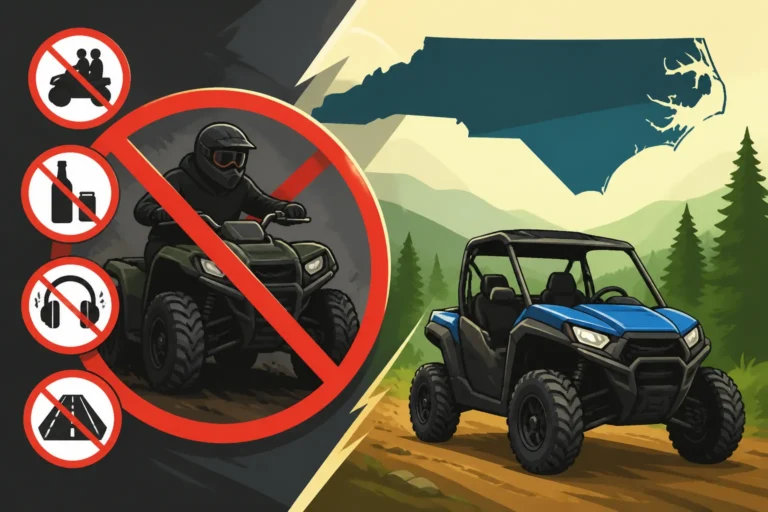
Let's be upfront: recreational ATV or UTV riding on most North Carolina ocean beaches is broadly prohibited. If your primary goal is to simply cruise for fun, odds are you're going to be out of luck on the vast majority of public beaches. This is a tough pill to swallow for many, especially those who've invested in a powerful machine like a SuperATV Defender setup, ready for any terrain. Most municipalities and state regulations lean heavily towards keeping motorized vehicles off the sand to protect the delicate dunes, nesting sea turtles, and shorebird habitats, not to mention the safety of the countless beachgoers who are there to relax.
However, "generally prohibited" doesn't always mean "never." There are very specific, limited circumstances and locations where motorized vehicle access is permitted. These are often tied to essential services, commercial activities, or very narrow local exceptions. Think about it: town staff need to access the beach for maintenance, emergency services for rescues, and sometimes commercial fishermen or those with specific permits for harvesting activities. These aren't recreational opportunities, but they are instances where ATVs or UTVs might legally be on the sand. It's crucial to distinguish between these legitimate operational uses and personal leisure riding. Before you ever even consider loading up your machine, you must thoroughly research the specific rules for the exact stretch of beach you intend to visit. Otherwise, you risk a hefty fine and a very short, unwelcome visit. It’s why understanding [North Carolina's Ocean Beach Rule] is so vital.
The Core of the Matter: The 16-and-Over Rule Explained
Now, let's zero in on the specific age rule that prompts so much discussion. When you do encounter an instance where an ATV or UTV is permitted on a North Carolina beach – which, as we've discussed, is a rare and specific scenario – there's a good chance you'll run into the 16-and-over age requirement. This isn't just a suggestion; it's often a hard and fast rule designed to ensure a baseline level of maturity and experience for operating these machines in a sensitive and often crowded environment.
Who the Rule Applies To and Why
The 16-and-over rule on North Carolina beaches, when applicable, generally means that anyone operating an ATV or UTV must be at least 16 years old. This is a common age threshold across many states for operating motorized vehicles, drawing parallels to driver's license requirements for cars. The rationale behind it is multi-faceted. First, operating an ATV or UTV, even at low speeds, requires a certain degree of judgment, coordination, and understanding of terrain changes. Beach sand, especially soft, dry sand or near the tide line, can be highly unpredictable and challenging, far different from a groomed trail or flat dirt road. A younger rider, regardless of their skill level on other terrains, might not have the experience to handle these unique conditions safely, especially with other people present.
Furthermore, safety is a paramount concern on public beaches. These areas are often filled with families, children playing, and individuals walking or relaxing, many of whom might not be paying close attention to their surroundings. An ATV or UTV, even if driven slowly and carefully, can still pose a significant risk if the operator isn't fully aware of their environment and capable of quick, decisive action. The age restriction aims to reduce the likelihood of accidents by ensuring operators have a level of cognitive development and a sense of responsibility generally associated with older teenagers and adults. It aligns with the broader legislative intent behind [North Carolina Beach Riding Age Requirement]. It's not about stifling fun, but about protecting everyone enjoying the coast.
The Practical Impact on Families and Groups
For families and groups who own multiple ATVs or UTVs, the 16-and-over rule can be a real logistical challenge, and honestly, a source of major disappointment. Imagine planning a coastal trip, bringing all your machines, only to realize that your eager 14-year-old, who's a fantastic rider on the trails, is absolutely prohibited from even sitting behind the wheel on the beach, even if they're supervised. This scenario plays out more often than you'd think, leading to frustration for both parents and children. It means that if you're lucky enough to find a stretch of beach where riding is permitted, you'll need to ensure all operators meet this age criteria.
This rule essentially forces families to adjust their plans drastically. If you have younger riders, they simply cannot participate in any beach riding activity where this rule is enforced. This can lead to difficult conversations and can feel unfair, especially if you've invested in youth-sized machines or if your younger family members are experienced riders elsewhere. It's a key reason why many families decide against bringing their machines to the beach at all, as it simply isn't a family-inclusive activity in these specific contexts. Understanding [North Carolina Rules for Riders Under 16] broadly across the state helps riders manage expectations, but the beach rules add another layer of restriction.
Defining the "Ocean Beach Area" in North Carolina
When talking about rules for beach riding, a critical question always arises: what exactly is considered the "ocean beach area" in North Carolina? It's not always as simple as "where the sand meets the water." The legal definition can be quite specific, influencing where these age and other riding rules apply. Without a clear understanding of these boundaries, you could inadvertently ride into a restricted zone and find yourself in trouble.
Where the Beach Begins: Understanding the Boundary
North Carolina law, and often local ordinances, defines the "ocean beach area" with a degree of precision that goes beyond the casual observer's understanding. It typically refers to the area seaward of the vegetation line. What does "vegetation line" mean? It's the point where there's a distinct change from the barren, active beach sand to established, often sparse, vegetation like sea oats or other dune grasses. This line is dynamic and can shift with storms, erosion, and natural growth, but it serves as a crucial legal boundary. Everything seaward of that line – the dry sand, the wet sand, the intertidal zone – is generally considered the ocean beach area.
Why is this important? Because that vegetation line is often the absolute limit for motorized vehicles in areas where they are otherwise restricted. Driving onto or over the dunes (the vegetated areas) is almost universally prohibited and comes with severe penalties due to the ecological fragility of these formations. They are critical for coastal protection and habitat. So, when rules apply to the "beach," they often mean this entire expanse from the water's edge up to that first line of established vegetation. Getting familiar with [Where an Ocean Beach Area Begins] is a crucial piece of knowledge for any aspiring coastal rider.
Tidal Flats, Sound-Side Shores, and Exceptions
It's equally important to distinguish the "ocean beach area" from other sandy expanses you might encounter in North Carolina. For instance, tidal flats, which are often found in estuaries or along sound-side shores, are typically not classified under the same strict "ocean beach area" definitions. These areas, while also sandy and sometimes exposed at low tide, fall under different jurisdictional rules. You might find areas where clamming or fishing access allows for some vehicle presence, but these are not the same as the open oceanfront.
Similarly, properties with private beach access or specific commercial operations might have their own set of rules or permits that deviate from public beach regulations. For example, a commercial fishing operation might have a permit to launch boats or retrieve nets using a vehicle, which allows them access that a recreational rider wouldn't have. However, even in these instances, the 16-and-over rule may still be applied by the property owner or permit issuer as a best practice for safety and liability. Understanding the nuances, like what applies to [Sound-Side Shores in North Carolina], is key to avoiding misinterpretations. Always assume the most restrictive rule applies unless you have explicit, written permission or a clear understanding of local allowances.
Beyond Age: Other Rules for Beach Riding in North Carolina
While the 16-and-over rule is a significant hurdle, it's far from the only consideration if you're contemplating beach riding in North Carolina. Even in the highly limited scenarios where an ATV or UTV might be permitted, there's usually a host of other regulations covering everything from the type of equipment your machine must have to specific times and locations of access. Overlooking these details can lead to fines just as quickly as ignoring the age requirement.
Equipment Requirements for Beach Use
Even if you meet the age requirement and have found one of those rare spots where riding is permissible, your machine itself might need to meet certain standards. Most notably, a spark arrester is almost always a requirement for any off-highway vehicle (OHV) operating in natural areas, and beaches are no exception. This critical piece of equipment prevents sparks from escaping your exhaust and potentially igniting dry vegetation or debris, which can be a serious concern, especially near fragile dune systems. Many aftermarket exhaust systems, like those you might find from a company like SuperATV, come with spark arresters built-in or offer them as an add-on, so make sure yours is compliant and properly maintained.
Beyond spark arresters, depending on the specific local ordinance, you might also find requirements for headlights, taillights, and even turn signals, especially if the vehicle might be crossing a road to access the beach. Some areas might have noise restrictions, requiring a properly functioning muffler to keep decibel levels down for the peace of other beachgoers and wildlife. It’s never safe to assume that a machine ready for a mountain trail is also ready for a beach without first checking the specific local rules. Always ensure your machine is in top condition and meets all stipulated safety and environmental standards. For a broader overview of what your machine might need, check out [North Carolina Equipment Rules for ATVs].
Time Restrictions, Permits, and Designated Access Points
The "when" and "where" of beach riding are just as crucial as the "who" and "what." It's incredibly rare for beach riding to be allowed 24/7 or along unrestricted lengths of coastline. Most areas that permit vehicles do so with very strict time restrictions. For example, some beaches might only allow vehicles during specific low tide windows, or only during non-peak seasons to avoid conflicts with sunbathers. Night riding is almost universally prohibited on beaches due to safety concerns and the protection of nesting sea turtles.
Furthermore, access often requires a specific permit, typically issued by the local municipality, town, or county rather than the state. These permits are usually tied to a specific purpose (like fishing access) or a specific residential status and are almost never granted for general recreational riding. You might also find designated access points, often marked ramps or paths, that are the only legal entry and exit points for vehicles. Driving over dunes or through unauthorized areas can result in significant fines and environmental damage. Never assume you can just drive onto the beach from any point. The best way to get accurate information about available spots, if any, is to directly contact the local police department or parks and recreation office for the specific town or county you plan to visit. Resources like [North Carolina Beach Riding Areas] might offer general information, but local specifics are paramount.
Exceptions and Local Ordinances: When Rules May Differ
The general rule of thumb for North Carolina beaches is "no recreational ATVs or UTVs." However, the legal landscape is not a uniform blanket across the entire 300+ miles of coastline. Exceptions exist, not for widespread recreational use, but for specific purposes or under very localized ordinances. Understanding these distinctions is critical, as assuming one town's rules apply to another could lead to serious trouble.
The Role of Local Jurisdictions and Specific Towns
North Carolina's coastal management is a complex interplay of state law and local municipal authority. While the state provides a broad framework, individual towns and counties have considerable power to enact their own, often more restrictive, ordinances regarding beach access and vehicle use. What might be permissible (with a permit, for instance) in one small coastal town for a very specific purpose could be absolutely forbidden just a few miles down the road in another. This is why a blanket statement about beach riding in North Carolina is so difficult. You might hear a story about someone who "rode their quad on the beach in North Carolina," but without knowing exactly where and why, that information is almost useless, or worse, misleading.
For example, a town might have an ordinance allowing residents with a specific fishing permit to drive a UTV, perhaps equipped with a fishing rod holder from a company like SuperATV, to a particular stretch of beach during non-peak hours to launch a small boat or check crab pots. This is a far cry from allowing tourists to ride their ATVs up and down the beach for fun. The burden is entirely on the rider to research the specific town's ordinances. This usually means checking the town's official website, reviewing local codes, or directly calling the town's law enforcement or parks department. It's often where the details of [North Carolina's Ocean Beach Rule] get their local flavor.
Commercial, Emergency, and Government Use
Perhaps the most common "exception" you'll observe for vehicles on North Carolina beaches involves commercial, emergency, and government operations. You'll routinely see lifeguards patrolling the beaches in utility vehicles, town sanitation crews clearing debris with trucks, emergency medical services responding to incidents, and law enforcement or park rangers on patrol. These vehicles are vital for public safety, maintenance, and resource management, and they are specifically authorized to operate on the beach.
It's tempting to see a city-owned side-by-side driving along the sand and think, "If they can do it, why can't I?" But the distinction is crucial. These are not recreational activities; they are official duties, often performed by trained personnel, with specific vehicles and within defined operational parameters. They typically have specialized permits or are exempt by virtue of their public service role. This is the essence of why [Why City Crews Can Ride Where You Cannot] explains a fundamental difference in how beach access is granted. Don't interpret seeing these vehicles as a sign that the beach is open for public recreational riding.
Consequences of Non-Compliance and Safe Riding Practices
Ignoring the rules, whether it's the 16-and-over age requirement or other local restrictions, can turn a picturesque beach visit into a nightmare scenario. The consequences for illegal beach riding in North Carolina are not minor; they can range from significant financial penalties to the impoundment of your machine, leaving you with a sour taste and a much lighter wallet. Beyond the legal ramifications, there's a vital responsibility to ensure safety, even in the permitted, limited circumstances.
Penalties for Violating Beach Riding Rules
The exact fines for violating beach riding rules will vary depending on the specific ordinance and locality, but you can expect them to be substantial. These aren't just minor traffic tickets. Many coastal towns and counties treat illegal vehicle use on beaches as serious infractions, often categorized as misdemeanors, which can carry fines in the hundreds of dollars, sometimes even thousands for repeat offenses or significant environmental damage. Imagine getting a $500 ticket plus court costs, all because you didn't know your 15-year-old couldn't ride, or you thought it was okay to drive over a dune.
Beyond the monetary penalties, your ATV or UTV could also be impounded. This means your machine is seized by law enforcement, and you'll be responsible for towing fees, storage fees, and potentially other administrative costs to get it back, in addition to any fines. This can quickly add up, easily costing you more than the price of a weekend rental at an authorized off-road park. Furthermore, some violations, particularly those involving damage to fragile dune systems or wildlife habitats, could lead to more severe environmental charges. It's simply not worth the risk. Understanding [North Carolina Fines for an ATV Violation] broadly is a good starting point, but beach-specific fines can be even steeper.
Essential Safety Tips for Coastal Riding
If you are fortunate enough to find one of the rare, legally sanctioned areas for ATV/UTV use on a North Carolina beach (often for specific commercial or access purposes), safety remains paramount. The beach environment presents unique challenges that differ significantly from typical trail riding.
Here are some essential safety tips:
- Know Your Tides: Always be aware of the tide schedule. Incoming tides can quickly make areas impassable, trapping vehicles or leading to dangerous situations.
- Soft Sand Hazards: Dry, soft sand can easily bog down a machine, especially one not equipped with the right tires or sufficient power. Getting stuck is common. Consider carrying a recovery kit, including a winch (many SuperATV models offer robust winch options) and straps, and know how to use them safely.
- Environmental Awareness: Be acutely aware of your surroundings. Look out for nesting areas (often marked or roped off), shorebirds, and marine life. Drive slowly and deliberately.
- Other Beachgoers: Even in areas where vehicles are permitted, there may still be pedestrians. Maintain extremely low speeds, yield to all foot traffic, and be prepared to stop instantly.
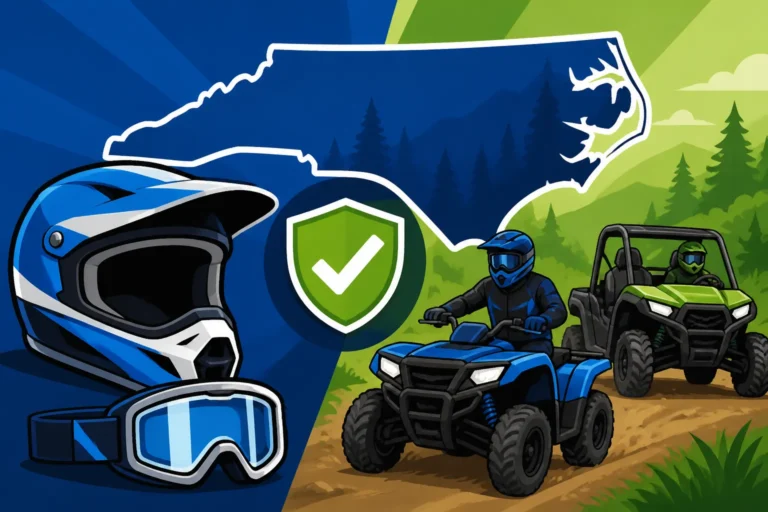
- Equipment Check: Always ensure your tires are properly inflated for sand (often slightly deflated for better floatation, but consult your machine's manual), your brakes are in perfect working order, and all safety gear (helmet, eye protection) is used, even if not legally required in that specific scenario.
- Designated Paths Only: Stick strictly to designated access routes and riding areas. Never drive on dunes, through vegetation, or into marked conservation zones.
Here's a quick table summarizing some key dos and don'ts for beach riding consideration in North Carolina:
| Aspect | Do's | Don'ts |
|---|---|---|
| Research | Thoroughly check specific local ordinances for every town/county. | Assume rules from one beach apply to another. |
| Age | Ensure all operators are 16 or older where applicable. | Let underage riders operate, even with supervision. |
| Permits | Obtain any required local permits before arriving. | Expect to get a permit on the spot, or assume one isn't needed. |
| Access | Use only clearly designated access points and stay on marked routes. | Drive over dunes, through vegetation, or enter unmarked areas. |
| Safety Gear | Wear helmets, eye protection, and appropriate clothing. | Ride without proper safety gear. |
| Environmental | Be aware of tides, wildlife, and fragile habitats. | Disturb nesting areas, litter, or cause erosion. |
| Machine Prep | Ensure spark arrester is installed and functional; carry recovery gear if needed. | Use a machine with a loud exhaust or without required safety features. |
| Behavior | Drive slowly, be courteous, yield to pedestrians. | Speed, drive recklessly, or operate under the influence. |
| Purpose | Only operate for explicitly permitted purposes (e.g., commercial, official duties, specific access). | Attempt recreational joyriding or unauthorized tours. |
This article is for general informational purposes only and does not constitute professional advice. Laws, prices and regulations vary by location and change over time. Consult a qualified professional for guidance on your specific situation.