Eye Protection Under Eighteen in North Carolina
Navigating the world of ATV and UTV riding with younger folks in North Carolina can feel like a maze, especially when you're trying to keep up with all the safety rules. One area that often causes a lot of head-scratching is eye protection for riders under eighteen. It's not just about what looks cool; it's a critical safety measure, and in North Carolina, it's the law. This guide is here to clear up the confusion, explain the requirements, and help you ensure your younger riders are protected every time they hit the trails.
The Core Requirement: Eye Protection for Young Riders
When you have a young rider, their safety is always paramount, and North Carolina law agrees. The state has specific mandates concerning the use of eye protection for anyone under the age of eighteen operating an ATV or UTV. This isn't just a suggestion; it's a firm rule designed to prevent serious injury from debris, dust, insects, or even low-hanging branches that can be encountered at any speed on a trail. Ignoring this can lead to painful consequences and legal trouble.
It's a common misconception that if a child is riding on private land with permission, these rules don't apply. However, that's simply not true. While some regulations might differ slightly between private and public land, core safety mandates like eye protection are universal across North Carolina when it comes to youth riders. The spirit of the law is to protect young people from preventable harm, regardless of where they choose to ride their machine.
Think about it: even on the tamest of trails or in an open field, a sudden gust of wind can kick up sand, a passing vehicle can throw gravel, or a tree branch can snap back. These aren't just minor irritations; they can cause permanent eye damage. The state, through its legislation, is trying to create a baseline of safety for all young riders, acknowledging that their vision is too precious to leave unprotected.
Who the Law Applies To
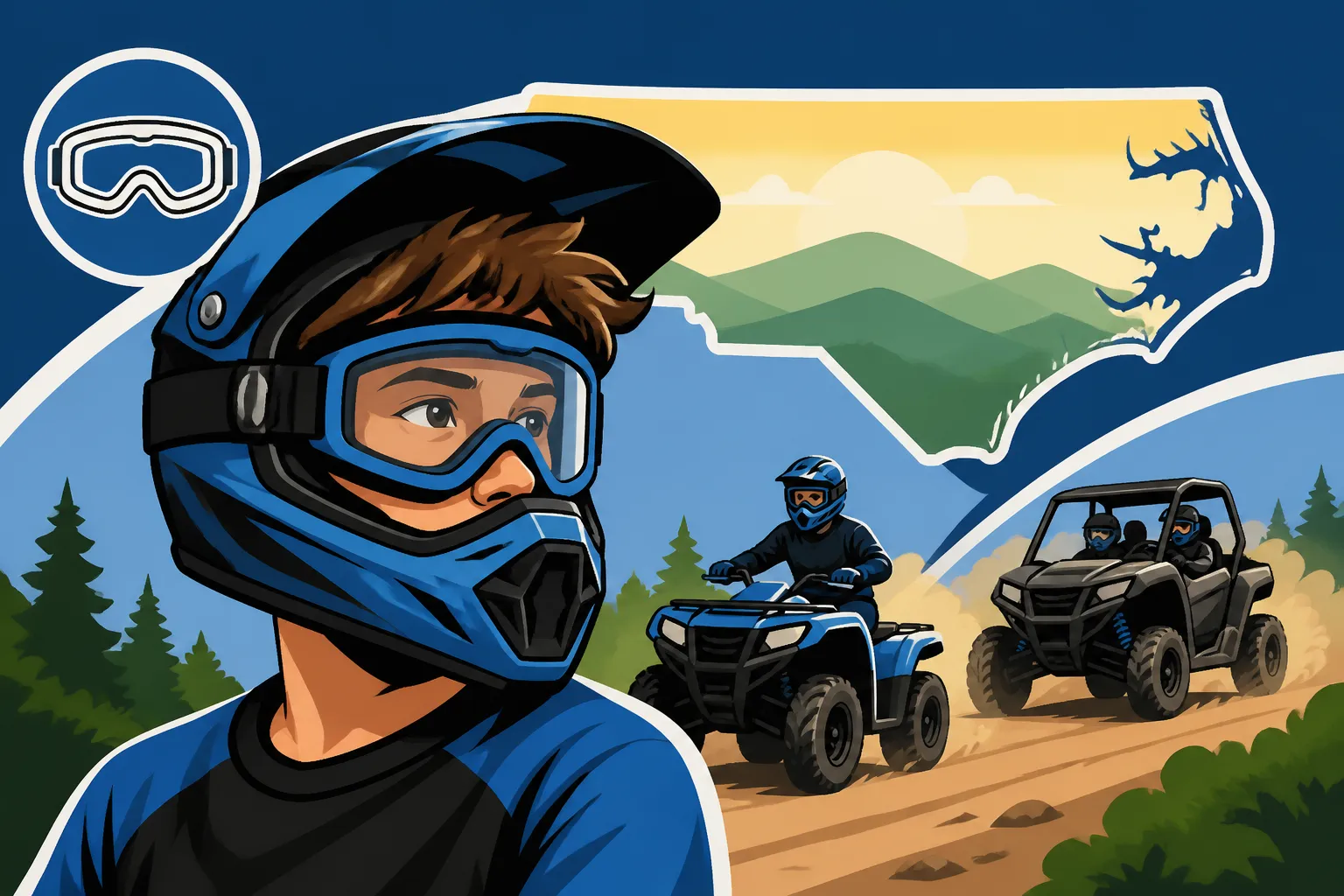
North Carolina is very clear: any operator or passenger of an ATV or UTV who is under eighteen years of age must wear approved eye protection. This isn't a partial rule; it's comprehensive. It covers the 17-year-old just shy of adulthood as much as it does the 8-year-old learning the ropes. This blanket rule simplifies compliance, removing any ambiguity about specific ages or circumstances, and reinforces the seriousness with which the state views the safety of its youth riders.
It's important for parents, guardians, and even older siblings who might be supervising to understand that this responsibility falls squarely on them. If you're allowing a minor to ride, you're also responsible for ensuring they meet the safety requirements. This includes making sure they have and wear the appropriate gear. The law doesn't differentiate between someone just joyriding and someone using the machine for farm work; the age of the rider is the determining factor for eye protection. For more on age-related rules, you might want to check out [North Carolina Rules for Riders Under 16].
This broad application means that whether your child is riding your personal quad in your backyard, participating in a club event, or tackling designated trails in a national forest, the eye protection rule is in effect. There's no "exception" for experienced young riders or for short trips. The consistent application of this law is what makes it effective in establishing a culture of safety for young people enjoying off-road activities throughout the state.
What Qualifies as Approved Eye Protection
So, what exactly counts as "approved eye protection" under North Carolina law? Generally, this refers to goggles or a face shield that is part of a helmet, specifically designed for off-road vehicle use. Sunglasses, prescription eyeglasses alone, or even fashionable clear safety glasses usually won't cut it, as they often don't provide the comprehensive impact resistance or peripheral coverage needed. The key is that the protection must be securely worn and effectively shield the eyes from all angles.
Many manufacturers, like SuperATV, produce high-quality goggles and helmets with integrated face shields that meet these standards. When you're looking for gear, you want to see features like impact-resistant lenses, a snug fit that seals against the face to prevent dust intrusion, and anti-fog coatings for clear vision in varying conditions. It's not enough for the item to simply cover the eyes; it must be robust enough to withstand the rigors of off-road riding.
A good way to tell if a piece of gear is appropriate is to look for safety certifications from organizations like the American National Standards Institute (ANSI) or the Snell Memorial Foundation. While the law might not explicitly list these certifications for eye protection specifically, their presence indicates a product designed and tested to higher safety standards, giving you peace of mind that your child's eyes are truly protected. These certifications mean the lenses can resist significant impacts and the overall design provides adequate coverage.
Why This Rule Matters Beyond the Law
Beyond simply avoiding a ticket, the eye protection rule is a vital safeguard against potential life-altering injuries. The forces and debris encountered while riding an ATV or UTV are substantial. A pebble kicked up by a tire, a low-hanging branch missed in the periphery, or even a fast-moving insect can strike an unprotected eye with surprising force. The human eye is incredibly delicate, and even a minor impact can result in scratches, abrasions, or more severe trauma.
Think about the sheer joy and freedom that riding offers, and then imagine that experience being irrevocably altered by a preventable eye injury. Permanent vision impairment, blindness in one eye, or chronic pain are devastating outcomes that no parent ever wants for their child. Proper eye protection acts as a shield, absorbing impacts and deflecting hazards, ensuring that the ride remains a source of fun and not a trip to the emergency room.
Moreover, clear vision is fundamental to safe riding. Dust-filled eyes or squinting against glare can impair a young rider's ability to see obstacles, anticipate turns, or react to changing terrain. Goggles or face shields designed for off-road use often feature anti-fog properties and UV protection, which enhance visibility and reduce eye strain, allowing the rider to focus on the trail ahead. This improved visibility isn't just a comfort; it's a critical safety feature that helps prevent accidents in the first place.
North Carolina's Broader Safety Mandates for Youth
It's easy to focus on one specific rule, but it's crucial to understand that eye protection is just one piece of North Carolina's comprehensive approach to youth ATV and UTV safety. The state has developed a framework of laws designed to minimize risks for younger riders, acknowledging their developing judgment, strength, and coordination. These rules often work in tandem, creating layers of protection that, when followed, significantly reduce the chance of injury. Ignoring one aspect can compromise the effectiveness of the others.
The intention behind these broader mandates isn't to restrict fun but to ensure it's conducted responsibly. The state recognizes the appeal of off-road riding but also the inherent dangers if proper precautions aren't taken, especially by those still learning. Understanding this wider context helps parents and guardians make informed decisions and ensure their young riders are not only compliant with the law but truly safe.
Many of these rules are designed to prevent the kinds of accidents that lead to serious head, neck, and eye injuries, which are sadly common in ATV incidents involving minors. By addressing multiple aspects of safety—from gear to age to supervision—North Carolina aims to create an environment where young people can enjoy these machines without undue risk.
The Helmet Mandate for Under-18 Riders
Just as with eye protection, North Carolina law mandates that any person under the age of eighteen, whether an operator or a passenger, must wear a safety helmet while riding an ATV or UTV. This rule is often seen as the primary protector, and rightly so, as head injuries can be the most catastrophic. It's incredibly rare to find eye protection completely separate from head protection in a practical sense for off-road riding, as most helmets designed for ATVs either integrate a face shield or are designed to be worn with goggles.
The correlation here is strong: if your young rider is wearing the required helmet, they are likely also addressing their eye protection needs. A full-face helmet designed for ATV use will typically have a face shield that satisfies the eye protection requirement. If they're using an open-face helmet, then dedicated goggles become absolutely essential and are expected to be worn in conjunction with the helmet. You can learn more about helmet requirements in [North Carolina Helmet Law for ATV Riders] and [Why Under-18 Riders Need a DOT Motorcycle Helmet].
It's important to stress that "a helmet" doesn't mean just any helmet. The law implies a helmet suitable for ATV use, typically one that meets DOT (Department of Transportation) standards. These helmets are constructed to absorb impact energy, protecting the head in a crash. Pairing such a helmet with appropriate eye protection is a non-negotiable duo for young riders in North Carolina, providing a robust defense against common off-road hazards.
Age Restrictions and Supervision Rules
Beyond gear, North Carolina also sets specific [North Carolina Minimum Age to Ride an ATV] and [North Carolina Supervision Rules for Minors]. While there isn't a hard-and-fast minimum age listed in the statutes like some states have, there are very clear guidelines that emphasize parental responsibility and continuous visual supervision for younger riders. This often ties into the manufacturer's age recommendations found on the machine's warning labels, which the state gives significant weight to.
For instance, if a manufacturer states that a particular ATV is recommended for riders 16 and older, and you allow a 12-year-old to operate it, you could face legal repercussions if an accident occurs, even if they were wearing a helmet and eye protection. The spirit of these laws is to match a child's developmental readiness with the demands of operating a powerful machine. Supervision means more than just being on the same property; it means being actively aware of and able to intervene in a young rider's activity.
These rules create a layered approach to safety: not only must the child wear the right gear, but they also need to be of an appropriate age for the machine they're riding, and they must be watched closely by a responsible adult. This holistic view acknowledges that gear alone cannot compensate for a lack of judgment or experience, especially on challenging terrain. It ensures that the overall environment for youth riding is as safe as possible.
Why These Rules Are Often Misunderstood
It's genuinely easy to get confused by ATV and UTV laws in North Carolina because they aren't always what people expect. Many folks come from states with different rules, or they rely on outdated information they heard years ago. For example, there used to be a 70cc engine size rule for younger riders, which has since been repealed, but you'll still hear people talk about it like it's current law. This kind of misinformation just adds to the challenge of staying compliant and safe.
Another big misunderstanding stems from the belief that "private property" somehow negates all state safety regulations. While certain aspects like registration don't apply to private land, fundamental safety mandates for minors, such as helmets and eye protection, absolutely do. The state's primary concern for the well-being of its youngest citizens overrides land ownership distinctions when it comes to basic protective measures. This is a common point of confusion for riders, and it's essential to get it right.
Adding to the complexity is the fact that many local ordinances or trail systems might have additional rules on top of state law. For example, a particular riding park might require a specific type of helmet or have stricter age limits for certain trails. It’s always best practice to check both state laws and any local or park-specific regulations before riding, especially with minors. The best defense against these misunderstandings is always up-to-date, reliable information, which is what we aim to provide here.
Choosing the Right Eye Protection: A Practical Guide
Okay, so you understand why eye protection is vital and who needs it. Now, let's talk about the practical side of choosing the right gear. This isn't just about grabbing the first pair of goggles you see; it's about selecting protection that truly works, stays comfortable, and provides clear vision for your young rider. A poorly fitting or low-quality pair of goggles can be just as dangerous as none at all if they fog up, fall off, or distort vision.
Making the right choice involves considering several factors beyond just meeting the legal requirement. You want something durable, effective, and something your child will actually want to wear. Getting their input, within safety parameters, can also increase compliance. Remember, a rider who can see clearly and comfortably is a safer rider.
This section will walk you through the key considerations when you're at the store or browsing online, helping you make an informed decision that prioritizes both safety and practicality. Investing in good eye protection is an investment in your child's well-being and their continued enjoyment of riding.
Goggles vs. Face Shields
When it comes to eye protection for ATV and UTV riders, the main debate often boils down to goggles versus a helmet with an integrated face shield. Both can be effective, but they have distinct characteristics that make them better suited for different riders or conditions.
| Feature | Goggles | Helmet Face Shield |
|---|---|---|
| Coverage | Excellent, seals directly to face | Broad, but can have gaps at sides/bottom of helmet |
| Ventilation | Typically good, often with foam vents | Varies by helmet design, can fog |
| Comfort | Adjustable straps, lighter feel | Part of helmet, may feel more restrictive |
| Durability | Lenses can be scratch-resistant, frames flexible | Impact-resistant, integrated into helmet shell |
| Replacement | Lenses often replaceable, frames last | Shield may be replaceable, but helmet is main item |
| Visibility | Wide field of view, anti-fog options | Excellent frontal, can be less peripheral |
| Cost | Generally less expensive as a standalone item | Included with helmet, adds to helmet cost |
Goggles, especially those from reputable brands like SuperATV, offer a fantastic seal against dust, wind, and debris because they sit directly against the rider's face. This is particularly beneficial on dusty trails or in areas with lots of low-hanging vegetation. They also tend to offer a very wide field of vision. The downside can be that some cheaper models may fog up easily, or the elastic strap might lose its tension over time. Look for models with anti-fog coatings and silicone-lined straps for better grip on the helmet.
Face shields, integrated into a full-face ATV helmet, provide a seamless layer of protection that often feels less intrusive to some riders. They protect the entire face, not just the eyes, which is a bonus. However, they can sometimes fog more easily than well-vented goggles, especially at low speeds or during strenuous activity. The peripheral vision might also be slightly more restricted depending on the helmet design. Ultimately, the choice often comes down to personal preference, the type of riding, and what fits best with the helmet being used. Just make sure whichever option you choose is robust and designed for off-road impacts.
Fit, Comfort, and Vision Clarity
Once you've decided between goggles or a face shield, the next crucial steps are ensuring proper fit, comfort, and maintaining crystal-clear vision. These aren't just luxuries; they're essential for safety. Eye protection that is too loose will shift, allowing debris in and obscuring vision. Too tight, and it can cause headaches and discomfort, leading a child to remove it.
For goggles, a snug fit around the eyes is paramount. The foam lining should seal against the face without pinching or leaving large gaps. The strap should be adjustable to fit snugly around the helmet without being overly tight. Many goggles come in youth sizes, which are specifically designed for smaller faces and helmets. When trying them on, have your child move their head around to ensure they stay in place. A good fit also helps prevent fogging, as it keeps warm breath from escaping into the goggle cavity.
Vision clarity is equally important. Look for lenses that are impact-resistant and offer UV protection. Anti-fog coatings are a game-changer, especially in humid North Carolina weather or during active riding. Clear lenses are essential for general riding, but you might consider tinted or mirrored lenses for bright, sunny days, as long as they don't compromise visibility in shaded areas. Some goggles even offer tear-off or roll-off systems, which are fantastic for quickly clearing mud or dust, maintaining an unobstructed view of the trail.
Maintenance and Care for Longevity
Investing in quality eye protection is only half the battle; proper maintenance and care are what will ensure it lasts and performs effectively ride after ride. Goggles and face shields are exposed to a lot of abuse—dust, mud, sweat, and impacts—so they need regular attention to stay in top shape. Neglecting them can lead to scratched lenses, compromised seals, and ultimately, a reduction in safety.
After every ride, it's a good habit to gently clean the lenses with a soft cloth and a specialized lens cleaner or mild soap and water. Never wipe a dirty lens with a dry cloth, as this can scratch the surface, permanently impairing vision. If there's mud or heavy dust, rinse it off first with water before wiping. Pay attention to the foam lining on goggles; a build-up of sweat and dirt can make them uncomfortable and less effective at sealing. Gentle cleaning with mild soap can help here, followed by thorough drying.
When not in use, store eye protection in a protective bag or case. Leaving goggles or a helmet face shield loose in a gear bag or on a dusty shelf significantly increases the risk of scratches and damage. Extreme temperatures can also affect the materials, so avoid leaving them in direct sunlight in a hot car for extended periods. By taking a few minutes to clean and properly store this essential gear, you'll extend its lifespan, maintain its performance, and ensure your young rider always has clear, safe vision on the trail.
Consequences of Non-Compliance on North Carolina Trails
It's easy to think of safety rules as just bothersome hoops to jump through, but with ATV and UTV riding, particularly for minors, the consequences of ignoring North Carolina's eye protection mandate can be far-reaching and severe. We're not just talking about a stern look from a park ranger; we're talking about legal penalties, financial burdens, and, most importantly, the devastating impact of preventable injuries.
Understanding these consequences isn't meant to scare you, but rather to highlight the gravity of the situation and reinforce why these rules exist in the first place. The state isn't just trying to be difficult; it's trying to protect its citizens, especially its youngest and most vulnerable riders. When you consider the full spectrum of potential outcomes, ensuring compliance becomes a much easier decision.
This section will delve into the practical implications of riding without proper eye protection for minors, from the immediate legal fallout to the long-term effects on health and finances. It’s a sobering look, but an important one for every parent and guardian to grasp.
Potential Fines and Citations
The most immediate consequence of non-compliance is the risk of receiving a citation or fine. While the exact amount can vary depending on the specific statute cited and the discretion of the enforcing officer, it's typically an infraction that comes with a monetary penalty. Law enforcement officers, whether from local sheriff's departments, state troopers, or forest service rangers on public lands, are empowered to enforce these [What Is Illegal on an ATV in North Carolina] rules.
Imagine you're enjoying a beautiful day on the [Brown Mountain OHV Trail System] or [Badin Lake OHV Trail Complex] with your child, only to be stopped by an officer because your young rider isn't wearing proper eye protection. What started as a fun family outing could quickly turn into a costly interaction. These fines, while perhaps not astronomical, are completely avoidable. More importantly, they serve as a clear indicator that the rules are taken seriously.
Beyond the initial fine, repeat offenses could lead to more severe penalties or increased scrutiny. It's not just about the money; it's about setting an example for young riders and demonstrating respect for the laws designed to keep them safe. A citation for improper gear also acts as a formal record, which could have implications down the line, especially if there's ever an accident. For more on what infractions can cost, check out [North Carolina Fines for an ATV Violation].
The Greater Risk: Injury and Liability
While fines are a nuisance, the far greater risk of ignoring eye protection for minors is the potential for serious injury and the significant liability that comes with it. As we've discussed, the eyes are incredibly vulnerable. An object striking an unprotected eye at speed can cause anything from minor irritation to permanent blindness, a life-altering event that no one wants to contemplate. The emotional and physical toll of such an injury on a child and their family is immeasurable.
Beyond the direct medical costs, which can quickly climb into the tens of thousands or even hundreds of thousands of dollars for severe injuries, there's the specter of legal liability. As the adult responsible for a minor rider, you could be held liable for damages if an injury occurs, especially if it's found that you failed to ensure the child was wearing legally mandated safety gear. This could involve lawsuits, legal fees, and potentially devastating financial repercussions that impact your family for years.
Even if you have insurance, coverage might be denied or contested if the accident occurred while violating a clear safety law. Most insurance policies have clauses related to lawful operation. Therefore, riding without the required eye protection doesn't just put your child's vision at risk; it exposes your family to a level of financial and legal vulnerability that is simply not worth the gamble.
Why the Rules Are There to Protect Everyone
At its heart, North Carolina's eye protection rule for young riders isn't about control or revenue; it's about collective well-being. It's about protecting the child, certainly, but it also protects the parents, the riding community, and even the future of off-road sports in the state. When injuries occur due to negligence, it can lead to calls for stricter regulations, trail closures, or even outright bans on ATV/UTV riding for minors.
Every time a young rider is seen safely equipped with a helmet and eye protection, it reinforces a positive image of responsible off-roading. It helps demonstrate that the sport can be enjoyed safely when proper precautions are taken. Conversely, every incident involving an unprotected child fuels the arguments of those who seek to limit or prohibit off-road access. This rule, therefore, plays a role in sustaining the very activity that many families enjoy.
Ultimately, these rules foster a culture of safety. They teach young riders from an early age that personal protective equipment is non-negotiable, instilling habits that will serve them well throughout their lives, whether they're riding an ATV, a bicycle, or operating machinery. It's a shared responsibility to ensure that North Carolina's trails remain open and safe for generations of riders to come, and that starts with protecting the youngest among us.
Finding Quality Eye Protection in North Carolina
So, you're convinced: quality eye protection for your young rider is a non-negotiable. Now, where do you find it? The good news is that North Carolina has numerous options, from local shops where you can get hands-on advice to online retailers offering a vast selection. The key is to seek out reputable sources that prioritize safety and offer products designed specifically for the demands of off-road riding.
Remember, this isn't the place to skimp or make assumptions. Buying from a trusted vendor ensures you're getting genuine, safe products that will actually protect your child's eyes. Taking the time to explore your options and understand what to look for will make all the difference in ensuring your young rider is well-equipped for their adventures.
Let's explore some of the best avenues for finding that essential piece of safety gear, along with tips on what characteristics define truly reliable eye protection.
Local Dealerships and Retail Stores
One of the best places to start your search for youth eye protection in North Carolina is at local ATV and UTV dealerships or sporting goods stores. These establishments often carry a range of helmets and goggles specifically designed for off-road use, including youth sizes. The huge advantage here is the ability to try items on, which is absolutely critical for ensuring a proper fit, especially for children. A staff member can also offer expert advice, helping you navigate the various options and ensuring compatibility with your child's helmet.
Visiting a store in person means your child can try on different styles and brands, testing for comfort and checking their field of vision. Does the goggle strap fit correctly around their helmet? Is the foam comfortable against their face? Does the face shield open and close smoothly without obstructing their view? These are questions that can only be answered by a physical fitting. It also allows you to compare quality and features firsthand, like anti-fog coatings or lens tinting for different light conditions.
Many dealerships across North Carolina, from the Piedmont to the mountains, stock a good selection of safety gear. You might find a great pair of goggles from a known brand or even a full youth helmet with an integrated face shield. The personalized service and the chance to ensure a perfect fit make local shops an invaluable resource for parents prioritizing their child's safety.
Online Retailers and Specialized Brands
If you're looking for a wider selection, competitive pricing, or specific features, online retailers are an excellent resource. Websites of major powersports retailers, dedicated gear shops, and even manufacturer's direct sites offer an extensive array of youth eye protection. Brands like SuperATV, for instance, are known for their range of accessories and might have specific goggle designs or helmet options that you won't find at every local dealer.
When shopping online, pay close attention to product descriptions, size charts, and customer reviews. Measure your child's head circumference (for helmets) and consider their face shape when choosing goggles. Look for detailed photos and specifications regarding lens material, anti-fog properties, and impact ratings. While you can't physically try things on, a thorough understanding of the product details can help you make an informed decision.
Many online stores also offer helpful filtering options to narrow down choices by age, size, or specific features. Just remember to verify return policies, especially for safety gear, in case the fit isn't quite right when it arrives. Online shopping provides unparalleled access to a global market of protective gear, allowing you to find the exact combination of safety, style, and comfort for your young rider.
What to Look For: Safety Standards and Durability
Regardless of where you purchase your child's eye protection, knowing what to look for in terms of safety standards and durability is key. This is where you separate the truly protective gear from mere accessories. Always prioritize items that explicitly state they are designed for ATV/UTV use and meet recognized safety benchmarks.
- Impact Resistance: This is paramount. Look for lenses made from polycarbonate or other impact-resistant materials. They should be able to withstand direct hits from pebbles, branches, and other trail debris without shattering or cracking.
- UV Protection: Long hours in the North Carolina sun can be damaging to eyes. Choose lenses that offer 100% UV-A and UV-B protection to prevent long-term sun damage.
- Anti-Fog Technology: Nothing is more dangerous than impaired vision. Goggles and face shields with anti-fog coatings or designs that promote airflow are essential, especially in humid or cold conditions.
- Peripheral Vision: Ensure the eye protection provides a wide, unobstructed field of view. Blind spots can be just as hazardous as a direct impact.
- Comfort and Fit: As mentioned, a secure, comfortable fit is crucial for compliance and effectiveness. Adjustable straps, soft foam lining, and proper sizing for youth riders are must-haves.
- Durability: Check the overall construction. Are the frames robust? Are the lens attachments secure? High-quality gear will stand up to the rigors of off-road use and provide consistent protection.
By keeping these factors in mind, you can confidently select eye protection that not only complies with North Carolina law but genuinely safeguards your young rider's precious eyesight, allowing them to enjoy their ATV and UTV adventures to the fullest.
Disclaimer
This article is for general informational purposes only and does not constitute professional advice. Laws, prices and regulations vary by location and change over time. Consult a qualified professional for guidance on your specific situation.