North Carolina Minimum Age to Ride an ATV
One of the most common worries I hear from fellow riders and parents in North Carolina is figuring out exactly how old a child needs to be before they can hop on an ATV. It's a confusing topic, made worse by outdated information floating around and the sheer number of different machines out there. This guide is here to cut through the noise, clarify North Carolina's current laws regarding minimum age for ATV riders, and help you ensure your young adventurers are riding safely and legally.
Navigating North Carolina's ATV Age Rules: Beyond the Hearsay
It's easy to feel lost when trying to understand ATV laws, especially when you're a parent trying to do right by your kids. Many folks remember hearing about specific engine size restrictions, like the "70cc rule," and assume they still apply. It’s absolutely frustrating to try and piece together accurate information when what you hear from one person contradicts what you read online. You just want a straight answer, right?
The Ghost of the 70cc Rule and What Really Matters Now
For a long time, North Carolina law had a specific rule: children under eight years old couldn't operate an ATV, and those between eight and 12 years old could only ride machines with an engine size of 70cc or less. This rule was clear, if a bit simplistic for the diverse world of ATVs. However, and here's where the confusion often comes in, that specific 70cc engine size restriction for riders aged 8-12 was repealed. You'll still hear people talk about it, and you might even see it in older publications or local handouts, but it's no longer the active law. [Why North Carolina's Repealed Rule Still Circulates] It’s a classic example of how old information can stick around long after it’s been changed, causing a lot of unnecessary headaches for responsible parents and guardians trying to keep up.
The repeal of the 70cc rule didn't mean North Carolina threw all caution to the wind. Instead, the focus shifted to a more dynamic standard: manufacturer age recommendations. This means that the age warning sticker prominently displayed on every new ATV sold legally in the state now carries the weight of law. So, if a manufacturer says a particular 90cc ATV is designed for riders 12 and up, North Carolina law backs that up. It's a critical detail because it puts the onus on the machine's design and intended user, rather than a blanket engine size rule that might not fit all models. This is how the state ensures that the machine is appropriate for the rider's physical and developmental capabilities. [How a Manufacturer's Age Label Became Legally Binding] For those machines, whether you're looking for replacement parts or just want to explore upgrades from trusted brands like SuperATV, remember that maintenance is key to safe operation, regardless of the rider's age.
The Under-Eight Ban: A Clear Line in the Sand
While the specific engine size rules for older children have evolved, one hard and fast rule remains unequivocally in place: children under eight years old are strictly prohibited from operating an ATV in North Carolina. There’s no gray area here, no exceptions for smaller machines, and no allowance for private land. It's a clear boundary set for a very good reason. [North Carolina's Under-Eight Ban]
This ban reflects the understanding that children under eight simply lack the necessary physical strength, coordination, judgment, and cognitive development to safely control an ATV. Even the smallest "youth" model can be heavy and powerful, and a young child's reaction time and ability to anticipate hazards are still developing. Allowing a child younger than eight to ride an ATV isn't just illegal; it puts them at an incredibly high risk of serious injury. This rule is about protecting our youngest and most vulnerable riders from dangers they simply aren't equipped to handle, no matter how much they might beg to join in on the fun.
Age-Specific Requirements for North Carolina ATV Riders
North Carolina's laws are designed to provide a framework for safe riding, taking into account the varying developmental stages of children. It’s not just about a number, but about ensuring that a rider is appropriately matched with their machine and has the right supervision and protection. Understanding these age-specific nuances is crucial for any parent or guardian.
Riders Aged 8-15: Manufacturer Labels, Supervision, and Gear
For children aged 8 to 15, North Carolina law ties directly into the manufacturer's age recommendations. This means you need to pay close attention to the labels on the ATV itself. If the manufacturer states that a particular machine is for riders 12 years and older, then a 10-year-old legally cannot operate that ATV in North Carolina, even if you, as a parent, feel they are skilled enough. These labels usually provide guidance based on engine size, machine weight, and speed capabilities, suggesting an appropriate age range. [North Carolina Rules for Riders Under 16] It's a common-sense approach that leverages the safety research done by the manufacturers themselves.
Beyond the age recommendations, riders in this 8-15 age bracket must always be under "continuous visual supervision" by an adult. This isn't just about being in the same house or general vicinity; it means the supervising adult must be able to see the child at all times, ready to intervene if needed. Think of it as being an active, watchful presence, not just a passive one. This ensures immediate assistance can be provided in case of a mishap or if the child gets into a situation beyond their skill level. [Continuous Visual Supervision Under North Carolina Law] It’s about being there, truly present, to guide and protect.
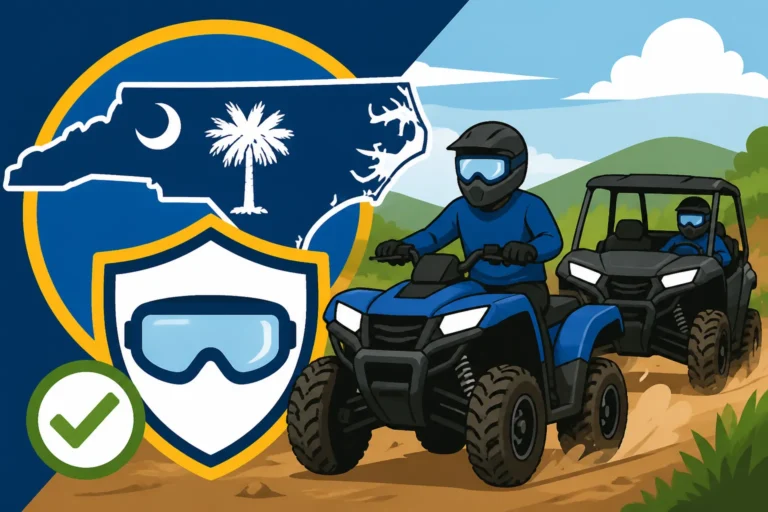
Finally, for this age group, proper protective gear is not just a recommendation; it's a legal requirement. Every rider under 16 must wear a DOT-approved helmet and eye protection at all times while operating an ATV. This rule applies whether they are riding on private property, designated trails, or anywhere else. Beyond the age rules, ensuring a young rider has proper protective gear is non-negotiable. Think DOT-approved helmets, eye protection, sturdy boots, and gloves. Companies like SuperATV often carry a range of accessories that help make a machine safer and more comfortable for riders of all sizes, from grab handles to footwell extenders. This commitment to gear is critical because, unfortunately, accidents do happen, and helmets and goggles are the first line of defense against severe head and eye injuries.
The 16 and Up Crowd: Adult Rules and Continued Vigilance
Once a rider turns 16, they are largely treated as an adult under North Carolina's ATV laws concerning age-based restrictions on what machine they can ride. The direct legal prohibitions tied to manufacturer age labels that apply to younger riders no longer strictly dictate their machine choice. This is the age where, legally speaking, a rider can operate any ATV without specific age-based restrictions on engine size or model. [What North Carolina Law Says About a Rider's Age]
However, and this is a huge "however," this doesn't mean safety goes out the window. While the law might grant more freedom, personal responsibility and common sense become even more critical. Manufacturer age recommendations, even if not legally binding for a 16-year-old, are still invaluable safety guidelines. A 16-year-old beginner, for instance, might be better off on a smaller, less powerful machine until they gain experience, even if they're legally allowed to ride a massive utility quad. Always assess skill level over just the legal age. Safety isn't just about what's legal; it's about what's smart.
Beyond Age: Other Crucial Requirements for Young Riders
While understanding the age limits is foundational, North Carolina's commitment to ATV safety extends beyond just a rider's birth year. There are other vital requirements, particularly concerning protective gear and training, that apply to young riders and are equally important for their well-being and for staying within the bounds of the law.
The Mandate for Helmets and Eye Protection (Under 18)
This is a rule you absolutely cannot overlook. In North Carolina, any person under 18 years of age operating an ATV must wear a securely fastened safety helmet that complies with federal standards (DOT-approved). Additionally, they must wear eye protection. This isn't a suggestion; it's the law. [Helmet and Eye Protection Rules in North Carolina] And it applies everywhere—whether you're tearing up trails in the Uwharrie National Forest or just riding around your own private farm. There's no distinction; if you're under 18 and on an ATV, a helmet and eye protection are non-negotiable.
This rule is in place for a straightforward reason: to prevent severe injuries. ATV riding, by its very nature, carries risks. Falls, impacts, and rollovers can happen quickly, and a helmet is your brain's best defense. Eye protection keeps dust, debris, branches, and even insects from impairing vision or causing direct injury. Think about the potential for a tree branch at eye level, or a cloud of dust stirred up by the rider in front of you. Without protection, these minor nuisances can become serious hazards. [Why Under-18 Riders Need a DOT Motorcycle Helmet] Ensuring your young rider is properly geared up is a fundamental part of responsible riding.
Safety Certificates for Public Land Access: The Birth Year Rule
Here's another important layer to North Carolina's ATV safety laws, specifically for those planning to ride on public lands like our national forests. If you, or your young rider, were born on or after January 1, 1990, you are required to possess an ATV safety certificate to operate an ATV on public lands. This isn't a universal requirement for all riding; it's specifically for designated public trails. [North Carolina ATV Safety Certificate Requirements] It means that even if a 16-year-old is legally old enough to ride a particular machine, they still need this certificate if they were born in 1990 or later and want to hit the trails at Badin Lake or Brown Mountain.
The purpose of this certificate is to ensure riders have a foundational understanding of safe ATV operation, environmental responsibility, and general trail etiquette. It's usually obtained by completing an approved safety course, which teaches critical skills, from basic controls and turns to emergency braking and navigating obstacles. [North Carolina Safety Certificate Birth Year Rule] Carrying the certificate with you, or at least proof of it, is essential when riding public lands, as forest service officers can ask to see it. [Carrying the Certificate on a North Carolina Ride] Taking an approved safety course isn't just about getting a certificate; it’s about honing skills and understanding machine dynamics. Many riders choose to customize their machines for better control and safety, and parts from reputable vendors like SuperATV can make a real difference in how a machine handles rough terrain.
Parental Responsibility and Avoiding Legal Troubles
As a parent or guardian, your role in ensuring safe and legal ATV riding for minors is paramount. North Carolina's laws place significant responsibility on adults, not just for the immediate safety of their children, but also for understanding and adhering to the legal framework. Ignoring these rules can lead to more than just a stern talking-to; it can result in legal penalties and, more importantly, put a child at serious risk.
The Legal Weight of Manufacturer Warnings
It's easy to dismiss those warning labels on ATVs as mere suggestions, but under North Carolina law, for riders aged 8-15, the manufacturer's age recommendation is legally binding. This means if an ATV's label clearly states "for riders 12 and older," and you allow your 10-year-old to operate it, you are in violation of state law. This isn't a trivial matter. Law enforcement officers—including county sheriffs, state troopers, and even forest service or game wardens if you're on public land—have the authority to issue citations for such violations. [Who Writes an ATV Ticket in North Carolina]
These aren't just minor infractions; they can carry fines and other legal consequences. The state views these manufacturer warnings as a crucial safety standard. By making them legally enforceable for this age group, North Carolina aims to prevent preventable accidents and injuries. It's a clear signal that responsible adults must take these guidelines seriously when making decisions about what machine their child can ride.
Understanding Liability and Due Diligence
Beyond the immediate fines, allowing a minor to operate an ATV in violation of age laws or safety requirements can have far-reaching implications, especially in the event of an accident. If a child is injured while riding a machine that is legally inappropriate for their age, or without required safety gear, the supervising adult could face significant civil liability. This means potential lawsuits for medical expenses, pain and suffering, and other damages. It's a heavy burden that no parent wants to face.
The best defense against such scenarios is diligence. Always double-check that any machine a young person is riding meets the manufacturer's age guidelines. If you're modifying a machine for performance or safety, trusted names like SuperATV provide robust parts designed for various ATV and UTV models, which can be an important consideration for safe operation. Ensure they have and are wearing all the legally required protective gear. Enroll them in an approved ATV safety course, especially if they'll be riding on public lands. By taking these proactive steps, you not only comply with the law but, more importantly, you create the safest possible environment for your child to enjoy the thrill of ATV riding in North Carolina.
Here’s a quick summary of North Carolina’s ATV age requirements:
| Age Group | Core Rule | Key Requirements | Public Land (Born 1990+) |
|---|---|---|---|
| Under 8 | Strictly Prohibited | No riding allowed, period. | Not applicable |
| 8-15 | Manufacturer's Age Label is Law | Continuous visual supervision; DOT helmet; eye protection | Safety Certificate required |
| 16 and Older | Follow Manufacturer's Warnings (Strongly Advised) | DOT helmet (under 18); eye protection (under 18) | Safety Certificate required |
Disclaimer
This article is for general informational purposes only and does not constitute professional advice. Laws, prices and regulations vary by location and change over time. Consult a qualified professional for guidance on your specific situation.