Showing a Safety Certificate Roadside
Picture this: you're out on a beautiful North Carolina trail, perhaps winding through the stunning Uwharrie National Forest or taking on the challenging terrain of Brown Mountain. You're feeling that rush of freedom, completely immersed in the ride, when suddenly you see those familiar flashing lights or a ranger signaling you to pull over. Your mind might race through a checklist of things: "Are my tires inflated? Is my spark arrester okay? Did I bring my wallet?" Among the various documents law enforcement or forest service officials might ask to see, your ATV safety certificate is a pretty important one, especially if you're a younger rider. This guide is all about making sure you understand why this certificate is required, who needs it, and how to present it properly when you're enjoying North Carolina's incredible off-road opportunities.
The "Why" Behind the Card: Why North Carolina Law Enforcement Cares About Your Safety Certificate
It might feel like just another piece of paper, another hoop to jump through, but the North Carolina ATV safety certificate requirement actually stems from a very real place: a commitment to rider safety. The state, like many others, recognized the inherent risks associated with off-road vehicle operation, especially for inexperienced riders. While ATVs and UTVs offer incredible adventure, they demand respect and proper training.
The Birth Year Rule and Safety Emphasis
North Carolina's approach to ATV safety is primarily focused on education, particularly for those who might have grown up with less formal training opportunities. That's where the infamous "birth year rule" comes into play. Essentially, the state mandates that anyone born on or after January 1, 1990, must complete an approved ATV safety course before they can operate an ATV on public land in North Carolina. This isn't just about passing a test; it's about instilling crucial safety habits and knowledge from the get-go.
Think about it: newer machines are more powerful, and trails can be incredibly diverse and challenging. Without a foundational understanding of how to assess terrain, handle emergencies, or simply ride responsibly, the chances of an accident increase significantly. Law enforcement officers and forest rangers aren't just looking to ticket you; they're genuinely concerned with preventing serious injuries. When they ask to see your safety certificate, they're verifying that you've taken the initiative to learn the ropes, making the trails safer for everyone. It's a key part of [North Carolina ATV Safety Certificate Requirements].
Proving Competence on the Trail
Beyond just legal compliance, possessing a safety certificate is a tangible way to demonstrate your competence and commitment to safe riding. Imagine a scenario where you're riding with a group, and someone unfamiliar with the local rules asks you to pull over. Having that certificate readily available, along with your other identification, immediately signals that you're a responsible rider who understands the rules of the trail. It shows that you've invested time in learning about machine operation, environmental responsibility, and basic first aid that often gets covered in these courses.
This proactive approach can often lead to a much smoother and more pleasant interaction with officials. Instead of an immediate assumption of rule-breaking, they see a rider who is prepared and understands their obligations. It’s about building a culture of safety on our public lands, ensuring that everyone can enjoy their passion without unnecessary risks. This peace of mind, knowing you're fully compliant, makes every ride a little bit more enjoyable.
Who Needs to Show It: Navigating North Carolina's Specific Requirements
Understanding who actually needs to carry and present this certificate is half the battle. North Carolina has a very specific rule in place, and it's essential not to get it mixed up with requirements in other states, which might be very different. The good news is that it's fairly straightforward once you know the core stipulation.
Riders Born On or After January 1, 1990
This is the big one. If you were born on or after January 1, 1990, and you plan to operate an ATV on public lands in North Carolina, you must have successfully completed an ATV safety course approved by the North Carolina Commissioner of Insurance. And, crucially, you need to be able to show proof of that completion when asked. This applies whether you're a resident of North Carolina or just visiting from out of state. [North Carolina Rules for Riders Born On or After 1990] are quite clear on this point.
This rule doesn't just apply to the major OHV trail systems like Brown Mountain or Badin Lake; it applies to any public land where ATVs are permitted. This could include designated trails in national forests, certain game lands where ATV use is allowed, or even specific local county lands. If you're out there riding on ground that isn't privately owned, and you fit that birth year criterion, you need your certificate. It’s truly about making sure that younger generations of riders are properly equipped with the knowledge to handle these powerful machines safely.
When the Rule Doesn't Apply (And Why)
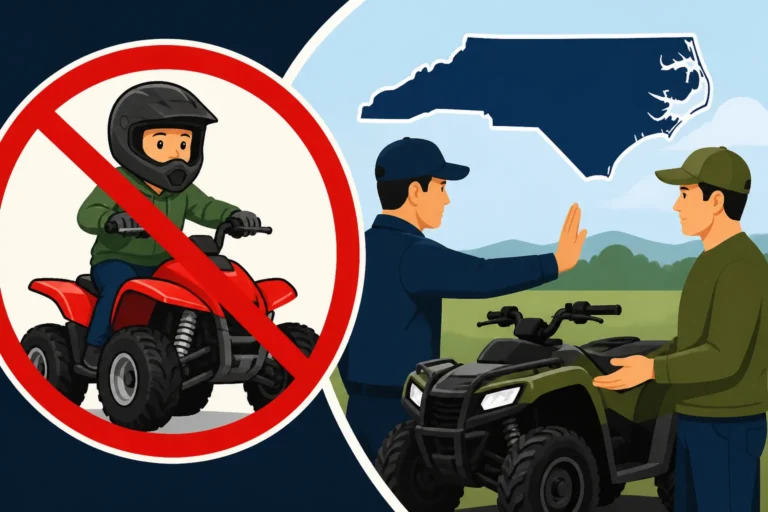
Now, what about everyone else? If you were born before January 1, 1990, the state of North Carolina does not legally require you to hold an ATV safety certificate to ride on public lands. This is a common point of confusion, especially for riders coming from states with different age-based requirements or universal certification mandates. So, if a ranger asks what year you were born, they're not just making small talk; they're trying to figure out if this specific regulation applies to you.
It's important to understand that while not legally mandated for older riders, taking an ATV safety course is still a fantastic idea. Technology in off-road vehicles is constantly advancing, and trails change with weather and use. Even seasoned riders can benefit from a refresher on best practices, new safety techniques, or environmental awareness. Many organizations, like the ATV Safety Institute, offer excellent courses that can sharpen your skills, regardless of your birth year. It's about continuous learning and being the safest rider you can be, for your own sake and for the safety of others on the trail. Just because the state doesn't require it doesn't mean it's not a smart move.
What to Carry and How to Present It Effectively
So, you know if you need it. Now, how do you make sure you have it when it counts? This isn't just about stuffing it in your wallet and forgetting about it. A little foresight can make a huge difference in how smoothly a roadside check goes.
Physical Card vs. Digital Proof
Most approved ATV safety courses will issue you a physical card upon completion. This is your official proof, and it’s the easiest thing to present. Think of it like your driver's license for the road. You should carry this card with you whenever you're riding an ATV on public land, especially if you fall under the birth year rule. [Carrying the Certificate on a North Carolina Ride] is non-negotiable for eligible riders.
However, in our increasingly digital world, some folks wonder if a photo on their phone would suffice. While official regulations usually refer to the "card," a clear digital image of your certificate, perhaps alongside a valid photo ID, might be accepted in some situations. The key word here is might. It largely depends on the discretion of the individual officer or ranger. To play it safe and avoid any potential issues, always strive to have the physical card. If you're nervous about losing it, consider laminating it or keeping it in a waterproof pouch along with your other important documents. For accessories that help keep your gear secure and dry, you might check out robust storage solutions from companies like SuperATV. They offer everything from cargo boxes to durable bags that can protect your documents on even the roughest rides.
A Smooth Roadside Interaction
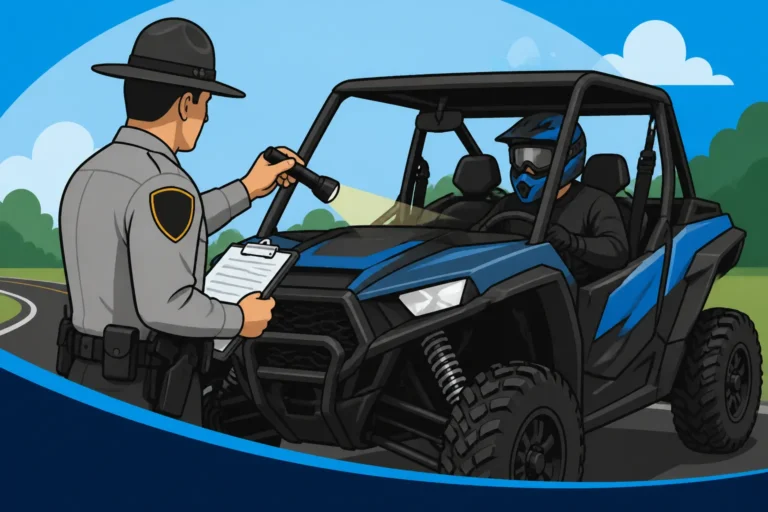
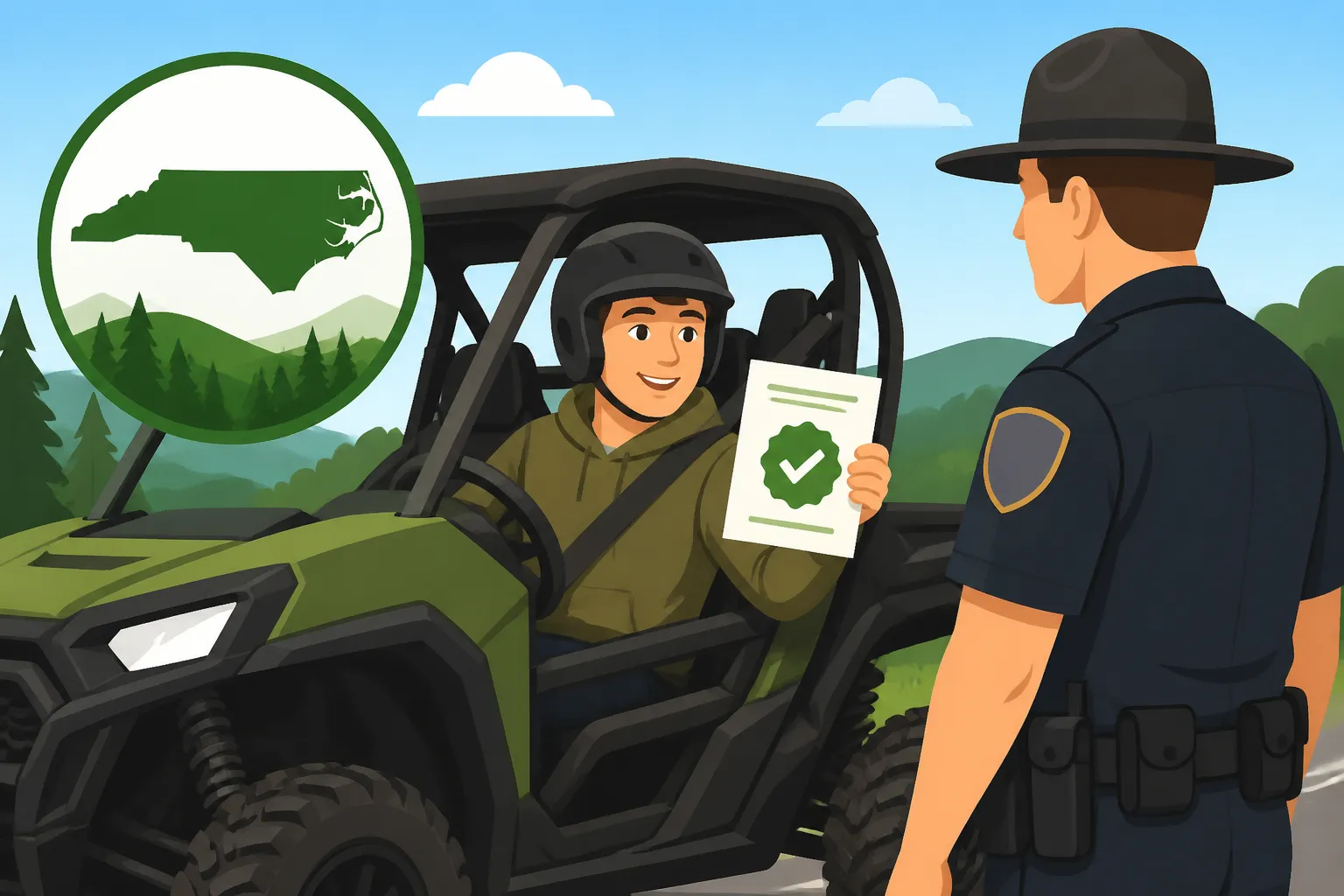
Getting pulled over, even for a routine check, can be a little unnerving. The best way to ensure a smooth interaction is to be polite, cooperative, and prepared. When an officer or ranger asks for your safety certificate (and likely your ID and any other relevant permits), respond calmly.
Here's a quick rundown:
- Pull over safely: Find a safe, clear spot off the main trail.
- Turn off your engine: This shows respect and makes it easier to communicate.
- Keep your hands visible: This is a general safety practice for any roadside stop.
- Listen carefully: Pay attention to what the officer is asking for.
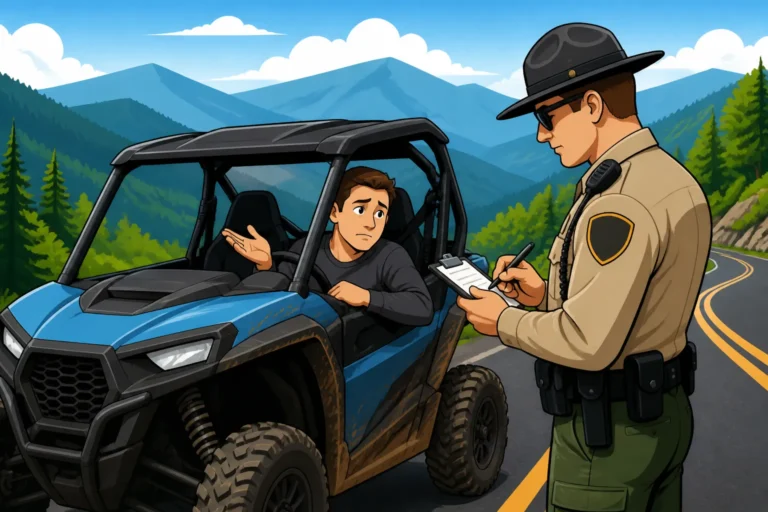
- Present your documents: Hand over your driver's license, your ATV safety certificate, and any required trail passes. [Showing a Card to a Forest Officer] is usually a very straightforward request.
- Answer questions truthfully: If you're unsure about something, it's okay to say so.
An officer might also ask about your machine's equipment, like your [North Carolina Spark Arrester Requirement] or other safety gear. Being prepared with your documents and maintaining a respectful demeanor goes a long way in ensuring the interaction is brief and uneventful, allowing you to get back to enjoying your ride quickly.
The Consequences of Not Having Your Certificate Handy
Let's be realistic: sometimes things happen. You might forget your certificate, or perhaps you're just genuinely unaware of the requirement. However, ignorance of the law is rarely an excuse, and not having your certificate when required can lead to consequences that put a damper on your day.
Understanding the Potential Fines and Penalties
If you're stopped on public land in North Carolina and you are a rider born on or after January 1, 1990, but you cannot produce a valid ATV safety certificate, you could face a citation. While I can't give specific dollar amounts or up-to-the-minute figures, these infractions typically come with fines. It's not usually a severe criminal offense, but it's certainly an unwelcome expense that cuts into your riding budget. Think of what you could do with that money instead – perhaps invest in some new gear or another [North Carolina Forest Day Permit] for a future adventure!
Beyond the financial penalty, there's the inconvenience. An officer might detain you for a period to verify your information or explain the citation process. This interrupts your ride, your group's ride, and can generally put a sour taste in your mouth about the whole experience. It's far better to spend a few moments getting prepared than to deal with the hassle and cost of a citation. [North Carolina Fines for an ATV Violation] are designed to encourage compliance and safety, not just to collect revenue.
Avoiding Future Headaches: Encouraging Proactive Compliance
The best way to avoid all these potential headaches is simple: be prepared. If you fall under the birth year requirement, make getting your ATV safety certificate a priority. There are numerous approved courses available, often online or through local dealerships and organizations. [What an ATV Safety Institute Course Covers] can be very comprehensive, equipping you with valuable knowledge that goes beyond just meeting the legal minimum.
Once you have it, integrate carrying your certificate into your pre-ride checklist, just like checking your fuel, tire pressure, and helmet. Keep it in a designated, waterproof spot on your machine or in your riding gear. You might even consider having a laminated copy in your glove box or a secure pouch, especially if you use your ATV frequently or travel between different riding areas. Knowing you're fully compliant allows you to ride with confidence and truly enjoy the incredible landscapes North Carolina has to offer. Don't let a forgotten piece of paper ruin your adventure; take the small steps now to ensure smooth sailing on the trails.
Disclaimer
This article is for general informational purposes only and does not constitute professional advice. Laws, prices and regulations vary by location and change over time. Consult a qualified professional for guidance on your specific situation.