Storm Debris and the Beach Boundary
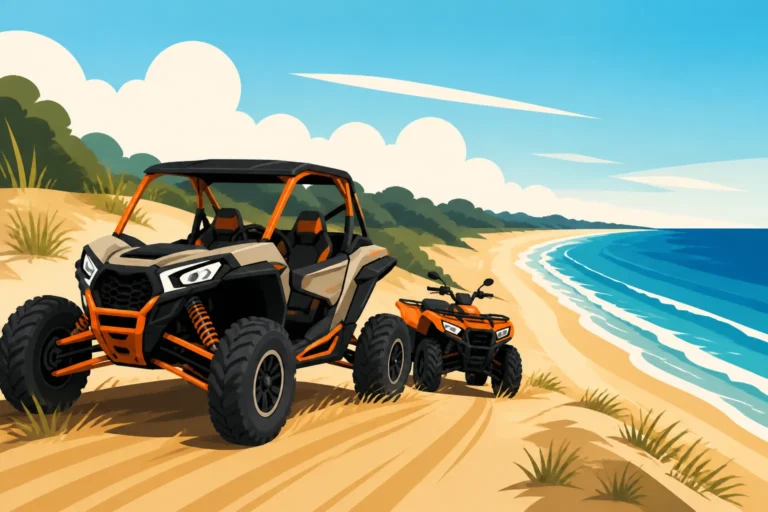
Riding your ATV or UTV on North Carolina's beautiful beaches is an incredible experience, offering wide-open spaces and stunning coastal views. However, when a storm rolls through, it doesn't just bring wind and rain; it can dramatically alter the landscape, making the critical legal boundaries for off-road vehicles far less clear. This guide will help you understand how storm debris specifically impacts the defined beach boundaries, what that means for your ride, and how to stay on the right side of the law when the coast is still recovering.
Understanding North Carolina's Beach Riding Regulations
Before we dive into the complexities of post-storm beaches, it’s crucial to understand the fundamental rules governing ATV and UTV use on North Carolina’s sandy shores. Unlike some other states, North Carolina doesn't have a blanket "ride anywhere on the beach" policy. In fact, most of the state's beaches are entirely off-limits to recreational ATVs and UTVs. The areas where you can ride are typically confined to specific stretches of beach, often in towns with local ordinances that permit it, or for specific purposes like fishing access, and usually within a very defined zone.
The core principle here is that permission to ride an ATV or UTV on a North Carolina beach is generally the exception, not the rule. This isn't like heading out to a designated OHV park in the Uwharries; it requires careful homework. Many people mistakenly believe that if they see a truck driving on the beach, their UTV must be allowed too, but that's often not the case. Commercial fishermen, emergency services, and town employees often have permits or exemptions that the average recreational rider does not. It’s vital to distinguish between these sanctioned activities and recreational riding. Always verify the specific rules for the beach you intend to visit.
The Importance of the Vegetation Line
At the heart of North Carolina's beach access rules, particularly for motorized vehicles, is the concept of the "vegetation line." This isn't just an arbitrary line drawn in the sand; it's a critical legal demarcation. The state broadly defines the ocean beach area, and within that, the "vegetation line" is often the boundary that separates the "wet sand" or "foreshore" where vehicles might be permitted, from the "dry sand" or "dunes" which are almost universally protected and off-limits. You can read more about this in [North Carolina's Ocean Beach Area Definition]. This line is legally defined as the "natural line of permanent vegetation," indicating the farthest landward extent of stable, naturally occurring plants like sea oats, cordgrass, and other dune-stabilizing flora.
Why is this line so important? Because the area landward of the vegetation line – essentially, the dunes and areas with established plant growth – is considered a critical environmental zone. These dunes protect the mainland from storm surge and erosion, and they provide vital habitat for countless species, including nesting sea turtles and shorebirds. Disturbing these areas with vehicles can cause irreparable damage, leading to significant fines and penalties. For this reason, crossing or riding on the landward side of this line is strictly prohibited for recreational vehicles. Understanding this distinction is paramount to responsible beach riding in North Carolina, especially when considering [North Carolina Rules for Riding a Beach].
Age Restrictions and Other General Beach Riding Rules
Beyond the vegetation line, there are other crucial rules to keep in mind for beach riding in North Carolina. One of the most common, and often overlooked, is the age restriction for riders. In many areas that permit ATV or UTV use on the beach, there's a minimum age requirement, typically aligning with broader state laws concerning ATV operation on public lands. Often, riders must be 16 years of age or older to operate an ATV on permitted beach access areas. This is often part of [The 16-and-Over Rule on a North Carolina Beach], which aims to ensure that operators have sufficient maturity and experience to safely navigate the unique challenges of beach terrain and respect environmental boundaries.
Furthermore, even in areas where riding is allowed, there are often restrictions on hours of operation, speed limits, and specific access points. Some towns might only allow vehicles during certain times of the year, or only during daylight hours, for example. You might also encounter rules about carrying passengers, helmet use, and noise levels. It’s not a free-for-all. Local law enforcement, often including beach patrols or marine units, takes these regulations seriously, and violations can result in citations and substantial fines. Always look for posted signage, check town websites, or even call the local police department or sheriff’s office to get the most current information. Relying on outdated information or assumptions can quickly turn a fun day into a costly one.
How Storm Debris Impacts the Beach Boundary
Now, let's talk about the real challenge: what happens when a powerful storm, like a hurricane or a strong nor'easter, churns up the coast? Storms don't just bring rain; they reshape the very landscape we're trying to navigate. The delicate balance of the beach environment is thrown into disarray, and with it, the clear-cut lines that once guided our riding. After a significant weather event, the beach you knew might look completely different, and that can make interpreting the legal vegetation line incredibly tricky for ATV and UTV riders. It’s no longer a neat, visible boundary, but a chaotic scene that requires extra vigilance and a deep understanding of the law.
The primary issue is that storm surge, high winds, and powerful waves can scour away sand, erode dunes, or, conversely, deposit massive amounts of debris and sand in new places. This can completely obscure the former vegetation line or even create new, temporary sand features that look like natural dunes. The challenge for riders is discerning what is a temporary change caused by the storm versus a permanent shift that might alter the legal riding zone. The law doesn't magically change with every tide, but the visual cues we rely on certainly do. This disruption demands a more cautious and informed approach to operating your machine on post-storm beaches.
Debris Piles and Shifting Sands
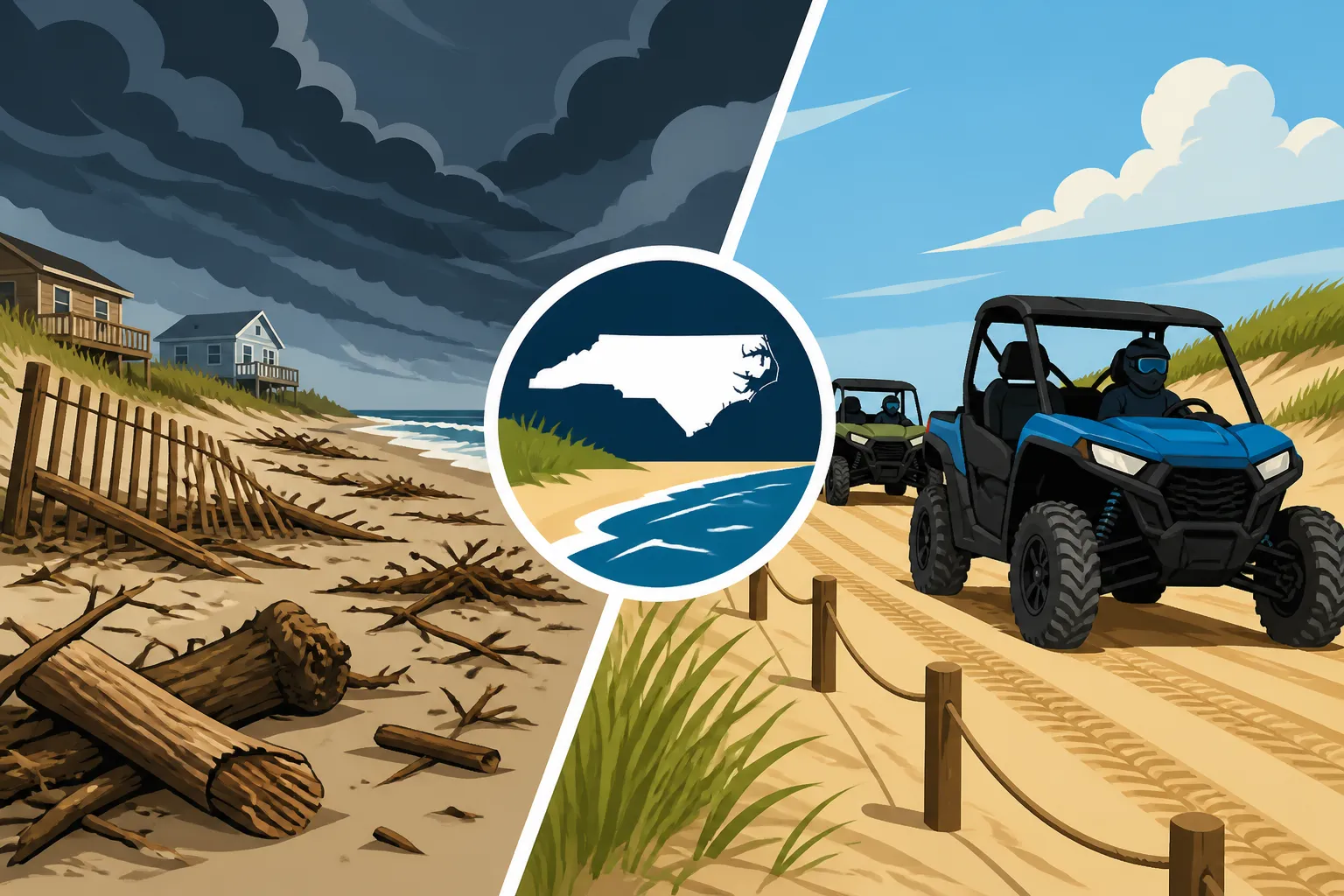
Imagine rolling up to your favorite beach access after a hurricane has passed. Instead of a clear stretch of sand leading to the water, you might find a veritable battlefield of storm debris. Trees, splintered lumber from docks and homes, fishing gear, household trash, and an assortment of other flotsam can be strewn across the beach, often piled high. These debris piles don't just make riding difficult; they can completely obscure the visual indication of the vegetation line. Where there was once a clear transition from bare sand to sea oats, there might now be a mound of logs, tangled nets, and plastic.
Furthermore, storms can dramatically shift vast quantities of sand. Erosion might cut into existing dunes, pulling the vegetation line further landward, or powerful currents might deposit new sand, burying existing vegetation and creating new, bare sand flats where dunes once stood. A pile of storm-washed seaweed and detritus might look like a new, natural boundary, but it's important to remember that this isn't necessarily the legal vegetation line. The legal definition requires "permanent" and "stable" vegetation. A temporary pile of storm-deposited sand, no matter how substantial, doesn't automatically become a legal dune. The difficulty for riders lies in the visual confusion – you might think you’re staying seaward of the boundary, but the true, legal boundary could be hidden or completely altered.
When the Vegetation Line Actually Changes Legally
This is where the nuances of coastal law become particularly important. While storm debris and shifting sands can visibly alter the beach, a major storm doesn't automatically or instantly redefine the legal vegetation line. The legal definition often hinges on the "natural line of permanent vegetation." This means that for the boundary to officially shift, there needs to be a sustained, natural re-establishment of stable plant growth, or an official re-survey by the state's coastal management authorities. A pile of driftwood might look like a formidable barrier, but it doesn't represent a new legal boundary. This lag time between physical change and legal recognition is where much of the confusion arises for riders.
If a storm completely scours away an existing dune system, and the vegetation is truly gone, the vegetation line might be considered to have shifted landward, exposing new areas that were once protected. Conversely, if new sand builds up and natural vegetation begins to colonize it over time, that new growth could eventually establish a new, seaward vegetation line. However, these are long-term processes, not instant transformations. State agencies, like the Division of Coastal Management, often monitor these changes and may conduct re-surveys to officially update coastal zone maps. Until such official action is taken, riders should operate under the assumption that the pre-storm legal definitions still apply, even if the physical landscape makes them hard to discern. When in doubt, err on the side of caution and assume the boundary is where it was, or even further landward, to avoid violations and protect fragile habitats.
Navigating Unclear Boundaries and Staying Legal
So, you want to ride your ATV or UTV on a permitted North Carolina beach after a storm, but the landscape is a mess of debris and confused boundaries. What's a responsible rider to do? This situation demands more than just casual observation; it requires diligent research, cautious decision-making, and a healthy dose of respect for both the law and the environment. Simply assuming that because the beach looks different, the rules have changed, is a recipe for trouble. Instead, focus on gathering information and exercising extreme caution.
Staying legal is always paramount. A citation for riding in a prohibited area, especially a protected dune system, can be costly and lead to the loss of riding privileges. Beyond the financial penalties, there's the environmental impact. Our coastal ecosystems are incredibly fragile, and post-storm, they're even more vulnerable. Riding responsibly means doing your part to aid in recovery, not hinder it. It means understanding that [North Carolina Beach Riding Age Requirement] might be the least of your concerns if you're caught riding where you shouldn't be due to misinterpreting the boundaries.
Check Local Ordinances and Authorities
The absolute first step before heading to any North Carolina beach after a storm is to check with the local authorities. While the state sets the general framework for [North Carolina's Ocean Beach Area Definition], individual towns and counties often have specific ordinances that govern ATV and UTV access on their stretches of beach. These local rules can be stricter than state guidelines, and they can also be updated rapidly in response to storm damage and recovery efforts. What was legal last month might be temporarily suspended due to a natural disaster.
Call the town hall, the local police department, the sheriff's office, or the park ranger station that manages the specific beach area. Check their official websites or social media pages for emergency declarations, temporary closures, or updated guidelines regarding beach access. Don't rely on word-of-mouth or outdated information from online forums. A quick phone call or a check of an official government website can save you a lot of grief. They can often tell you if specific areas are closed for cleanup, if the vegetation line has been re-evaluated, or if there are any temporary restrictions on vehicle access. This proactive approach is your best defense against inadvertently violating local laws.
When in Doubt, Don't Go Out (or Stay Seaward)
This piece of advice might sound overly cautious, but it’s the most important rule of thumb when dealing with post-storm beach boundaries: if you can't clearly identify the legal vegetation line, or if the area looks extensively damaged and sensitive, it is always best to err on the side of caution. This means either refraining from riding until conditions are clearer and official guidance is issued, or, if you do ride, staying as far seaward as possible, close to the low tide line, and well away from any areas that might represent or hide the vegetation line. Think of it as assuming the strictest interpretation of the law.
The risks of misjudging the boundary are significant. Not only could you face substantial fines for riding in prohibited areas, but you could also cause further damage to fragile dune systems, nesting sites, or sensitive plant life that is struggling to recover. Imagine inadvertently driving over a newly exposed sea turtle nest because the usual markers were buried under debris. Nobody wants to be that rider. Equip your machine with durable parts from a company like SuperATV if you plan to navigate challenging terrain, but remember that even the toughest machine needs to respect the rules. While [North Carolina Rules for Riding a Public Street] offers clear boundaries, the beach, especially post-storm, can be far more ambiguous. Having a winch or robust recovery gear is smart for any off-road adventure, but it doesn't give you license to ride beyond legal limits.
| Boundary Type | Pre-Storm Appearance | Post-Storm Appearance | Legal Status After Storm | Rider Action Recommended |
|---|---|---|---|---|
| Vegetation Line | Clear line of stable sea oats/dunes | Obscured by debris, eroded, or buried under new sand | Remains pre-storm line until officially re-surveyed or new stable vegetation establishes | Do not cross. If unclear, assume the line is at least where it was, or further landward. Stay closer to the water. |
| Debris Piles | N/A (clean beach) | Large mounds of wood, trash, seaweed | Not a legal boundary; considered temporary obstruction | Avoid riding over or through. Treat as hazardous material and obstacle. Do not assume it marks a new legal boundary. |
| Eroded Dunes | Well-defined sandy mounds with vegetation | Scoured away, steep drop-offs, exposed root systems | Pre-storm line may be gone, but area is still protected. | Do not ride on or near. Very unstable. Report significant erosion to local authorities. |
| New Sand Deposits | N/A (normal beach profile) | Fresh, bare sand covering previous features | Still considered foreshore unless permanent vegetation establishes | Ride with caution. Do not assume new deposits are "dunes" unless they have established vegetation. Be aware of hidden hazards beneath the sand. |
| Access Points | Clear marked entry/exit points | Blocked by sand, debris, or damaged structures | May be temporarily closed or rerouted by local authorities | Do not force access. Look for official alternative routes or wait for cleanup. Check local advisories. |
Restoration Efforts and Long-Term Impacts
The aftermath of a major storm on North Carolina’s coast isn't just about immediate damage; it's also about the long, often arduous process of recovery and restoration. For ATV and UTV riders, understanding these efforts is crucial because they directly impact when and how you can safely and legally return to your favorite beach spots. The debris won't stay there forever, and the land won't remain scarred indefinitely, but the timeline for recovery isn't always quick. These restoration efforts are a testament to the resilience of our coastal communities and ecosystems, and responsible riders play a part by respecting the ongoing work and temporary restrictions.
Local, state, and federal agencies, often in conjunction with environmental groups and volunteer organizations, spring into action after a storm. Their work ranges from emergency response to long-term ecological restoration. This includes everything from clearing navigation channels to rebuilding infrastructure, but for our purposes, the focus is on the beaches themselves. These efforts often involve heavy machinery and large crews, making certain areas temporarily inaccessible for recreational riding. Even when visible debris is cleared, the underlying ecosystem might still be in a delicate state, requiring continued protection from disturbance.
Beach Cleanup and Dune Restoration
The immediate aftermath of a storm usually involves a massive beach cleanup operation. City and county public works crews, often assisted by state agencies and countless volunteers, work tirelessly to remove the mountains of storm debris that litter the shoreline. This can take weeks or even months, depending on the severity of the storm and the extent of the damage. During these periods, large sections of the beach may be closed to the public, or at least to vehicles, to allow cleanup efforts to proceed safely and efficiently. You might see heavy equipment like bulldozers and excavators, which pose a significant safety hazard if recreational vehicles are present.
Beyond simple debris removal, significant efforts are often dedicated to dune restoration. If dunes were eroded or flattened, projects might involve trucking in new sand, planting thousands of sea oats and other native vegetation, and erecting sand fences to help capture windblown sand and rebuild the natural barriers. These newly restored areas are extremely fragile and must be protected. Riding an ATV or UTV over newly planted dunes, even if they aren't fully established, can easily undo years of restoration work and incur significant penalties. Always be on the lookout for signs indicating dune restoration areas or fragile habitats, and avoid them at all costs. This also means being mindful of areas that might become sensitive even if they weren't explicitly marked.
Environmental Considerations and Responsible Riding
For riders, understanding the environmental impact of storms and the ongoing restoration efforts isn't just about avoiding fines; it's about being a responsible steward of North Carolina's natural beauty. Our coastal environments are incredibly dynamic and sensitive. Storms can expose new habitats, displace wildlife, and stress ecosystems. When you venture onto a post-storm beach, even one where riding is permitted, your actions have consequences. This is why organizations like SuperATV promote responsible riding, and why riders should always think beyond just the immediate path of their tires.
Beyond staying clear of the vegetation line and active restoration areas, responsible riding includes avoiding areas where wildlife might be nesting or recovering. Birds and other creatures often use the disturbed zones as temporary feeding or nesting grounds. Keep an eye out for signs of wildlife and give them a wide berth. Avoid making excessive noise or driving erratically in sensitive areas. If you encounter someone conducting cleanup or restoration work, yield to them and respect their space. By exercising extra caution and thoughtfulness, you can enjoy the thrill of beach riding while also contributing to the long-term health and beauty of North Carolina's irreplaceable coastline. Riding on public land, whether it's [North Carolina Rules for Riding a Game Land] or a beach, always comes with a responsibility to protect the environment for everyone.
Disclaimer
This article is for general informational purposes only and does not constitute professional advice. Laws, prices and regulations vary by location and change over time. Consult a qualified professional for guidance on your specific situation.