When a Safety Certificate Is Checked at the Gate
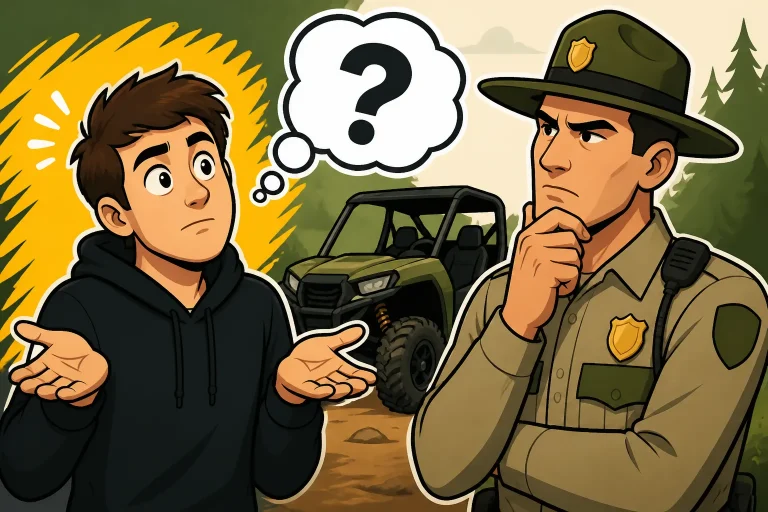
A forest gate can leave you wondering whether anyone will ask for your ATV safety certificate before you ride. The practical answer is that a gate check is possible, but it is not the only time proof may matter. This article explains who should carry a certificate, how it differs from a forest permit, and what to have ready at the trailhead.
What the safety certificate is for
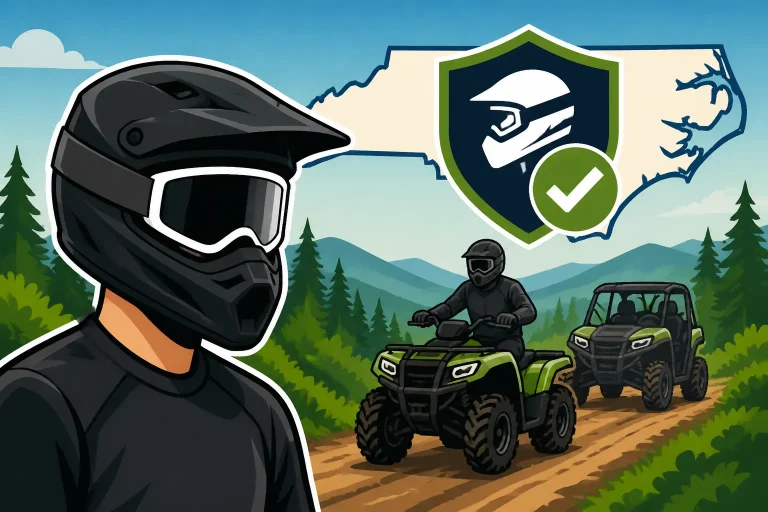
North Carolina ties its ATV safety-certificate requirement to the rider’s birth date. Riders born on or after January 1, 1990 generally need an approved safety certificate to operate a covered ATV on public land. The requirement is not the same as buying a trail permit, and a permit does not replace the certificate.
The birth-year rule can be easy to misread. It is based on when the rider was born, not when the ATV was purchased, how old the machine is, or whether the rider has years of experience. A person born before the cutoff may not need the certificate under this rule, while a younger rider may need it even if an adult is present. Other age and supervision rules can still apply.
For details on who the requirement covers and how the cutoff works, see Who Needs a North Carolina Safety Certificate and Why the Certificate Binds by Birth Year. If you are near the date boundary, check the current official requirements rather than relying on a general summary or an old handout.
A safety certificate is evidence that the rider completed a qualifying course. It is not a driver’s license, vehicle registration, trail pass, or proof that a machine is allowed on a particular route. North Carolina’s approach differs from states that issue off-highway vehicle registrations or decals, so visitors should not assume that a card from their home state automatically settles every North Carolina requirement. See Does North Carolina Accept an Out-of-State Certificate? and Does North Carolina Honor Out-of-State Registration? if you are bringing a machine or certificate across the state line.
The requirement is aimed at covered ATV operation, and vehicle categories can be confusing. A conventional four-wheel ATV and a side-by-side may not be treated identically under every rule. If you ride a UTV, confirm whether the certificate rule applies to your specific machine and where you plan to ride. A forest’s trail and permit rules may also set separate conditions for the machine.
Certificate, permit, and other documents
It helps to think of the paperwork as separate pieces, each with its own purpose:
| Item | What it generally shows | What it does not replace |
|---|---|---|
| Safety certificate | The rider completed a qualifying safety course, when the rule applies | A trail permit or permission to use a route |
| Forest OHV permit | The required access authorization for a particular riding area, when applicable | A safety certificate |
| Driver’s license | Driving privileges for situations where a license is required | A certificate or forest permit |
| Machine paperwork | Ownership or other machine details, where relevant | Permission to ride a closed or unauthorized trail |
This distinction matters most when someone at a gate asks for paperwork. Producing a valid forest permit does not necessarily answer a question about the rider’s certificate. Likewise, carrying a safety card does not let you ride a trail that is closed or requires a separate permit.
Permit rules vary by riding area. Brown Mountain, Badin Lake, and Wayehutta have different access arrangements, and the details can change. Review North Carolina Forest OHV Permits and Which North Carolina Forests Take a Day Permit before leaving home. A receipt or permit tied to one area should not be assumed to work at another.
When a certificate may be checked
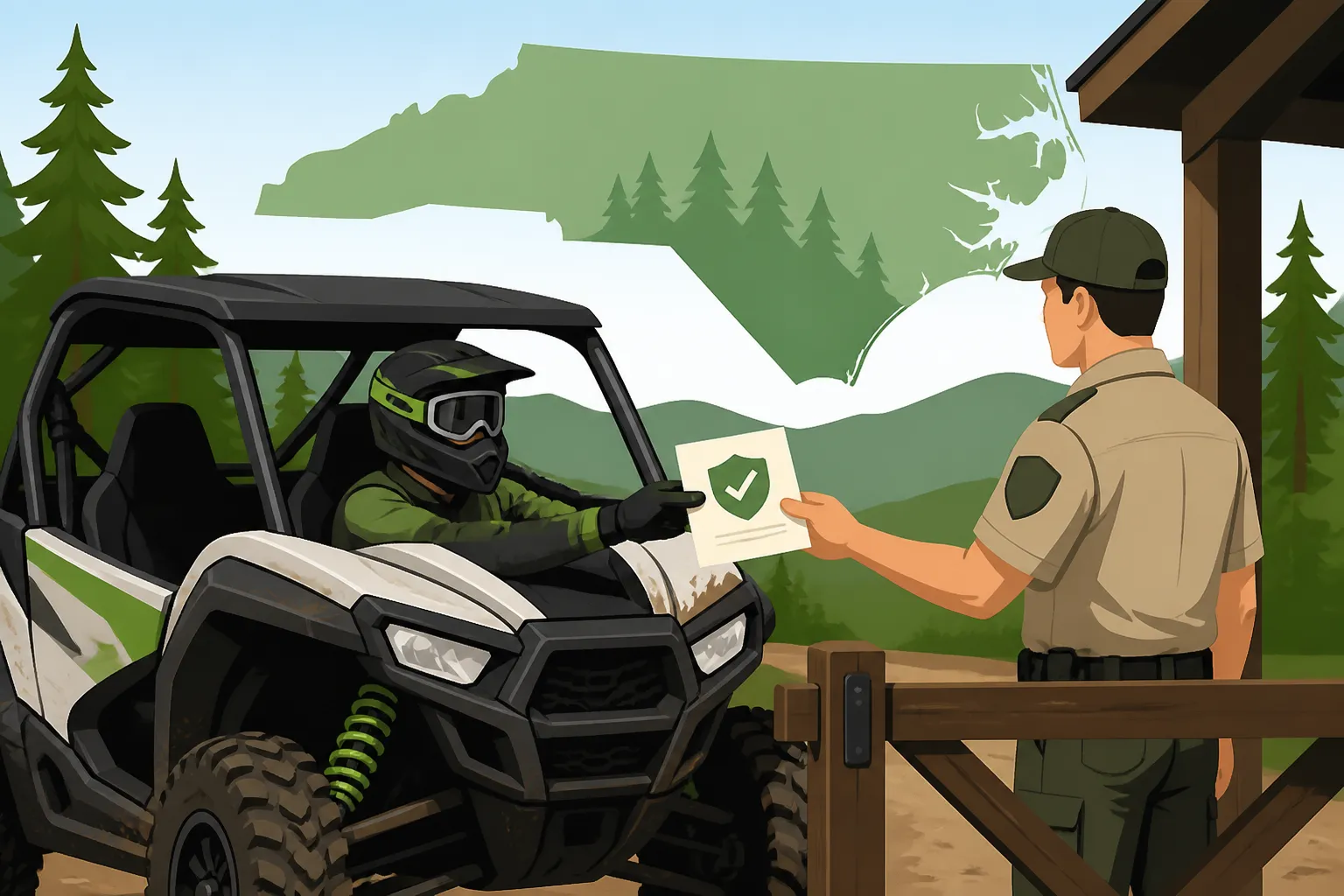
There is no safe assumption that every rider’s certificate will be inspected at every gate. Some trailheads have staffed access points, while others may use signs, self-service permit arrangements, or no person stationed at the entrance. Staffing and enforcement can differ by location and day. A quiet gate does not mean the certificate rule has disappeared.
A check may happen before a ride, while an officer or other authorized person is checking permits, or later on the trail. A forest employee may ask questions about the rider, the machine, or the required documents during a contact. That could occur at a gate, staging area, trail junction, or elsewhere in the riding area. The practical advice is simple: if the rule applies to you, carry the certificate rather than trying to predict when someone will ask.
A gate check may focus first on whether the correct permit is displayed or available, but that does not limit what an officer can ask to see. Riders should be prepared to show the certificate if requested. For more on what to keep with you, see Carrying the Certificate on a North Carolina Ride and When a Safety Certificate Is Checked at the Gate is not a separate exception to the rule; the relevant issue is whether the rider is covered and can provide proof.
At an unattended entrance, follow the posted instructions for that trail system. If the permit process is self-service, complete it as directed and keep any receipt or documentation the system provides. Do not treat an unattended gate as permission to skip the certificate, permit, or other applicable rules. Forest officers can still encounter riders after they enter.
Before a trip, check the riding area’s current notices and the relevant district’s information. Access conditions can change because of maintenance, weather, fire danger, or other closures. A gate may be open even when a particular trail is closed, and a permit may be available even when riding conditions are unsuitable. North Carolina Trail Closures to Check and Checking a Forest Alert Before You Drive can help you build a pre-trip check into your plans.
What to have ready
If you need a certificate, make it easy to produce. Carry the original card if you have one, or use another form of proof only if the issuing authority or land manager confirms that it is accepted. Do not assume a phone photo will be treated the same as the document itself. Keep the certificate somewhere protected from water and dirt, but accessible without unpacking the whole machine.
Also keep your permit documentation separate from the certificate. If you are riding with a group, each rider should know which documents are theirs and where they are stored. One person’s certificate does not cover another rider. Similarly, a permit issued for a particular vehicle should not be assumed to cover every machine in the group; check the area’s permit instructions.
If a parent or guardian is responsible for a young rider, that adult should make sure the rider has the required proof and understands the rules that apply to their age. Certificate requirements are only one part of youth riding rules. Supervision, passenger limits, helmet use, and where a minor may ride can involve separate requirements.
How to prepare for a gate check
A short routine before loading can prevent a frustrating stop. The point is not to carry every document you own, but to know which requirements apply and have the relevant proof ready.
- Identify the machine and riding area. Check whether the route is open to your ATV or UTV and whether the forest requires a permit for that machine.
- Check the rider’s birth date against the certificate rule. If the rider was born on or after January 1, 1990, confirm whether the requirement applies to the machine and type of land involved.
- Confirm that the course qualifies. North Carolina recognizes courses that meet its approval requirements; do not assume every online course, club class, or out-of-state card qualifies. See Which Safety Courses North Carolina Accepts.
- Get the correct permit. Follow the specific riding area’s instructions, including whether the permit is per vehicle and how it must be displayed or carried.
- Carry the documents where you can reach them. Keep the certificate and permit proof protected, and do not rely on another person in the group to produce your paperwork.
- Check current access notices before driving to the trailhead. A permit does not override a closure or a restriction posted for the route.
If you have not taken a course and discover the requirement applies, do not assume that explaining your situation at the gate will let you ride. Complete a qualifying course before the trip, or make another plan that does not involve operating the covered ATV on land where the certificate is required. Course approval and proof formats should be confirmed through current official information. North Carolina ATV Safety Certificate Requirements explains the broader requirement, while Where to Take a North Carolina ATV Safety Course can help with finding an accepted course.
Visitors should also avoid treating a home-state registration, safety card, or trail sticker as a substitute for North Carolina’s own requirements. North Carolina does not necessarily reciprocate another state’s system. Check the certificate and permit rules independently, particularly if you are riding a public forest trail. Why North Carolina Has Nothing to Reciprocate provides more context for visitors.
If you are asked to show proof
Stay calm, listen to the request, and provide the document that applies. If you are unsure what the officer is asking for, clarify whether they need the safety certificate, the area permit, or another item. Keep the discussion factual and avoid assuming that a different document answers the question.
If you do not have the required certificate, do not continue riding while hoping the issue will go away. Ask what the appropriate next step is, and comply with lawful directions. If you believe a request or citation is mistaken, note the details afterward and use the appropriate process to ask questions or contest it. An argument at a trailhead is unlikely to resolve a disagreement about how the rule applies.
A certificate check is not the only reason to be prepared. A rider who can quickly show the required proof is less likely to delay their group or create confusion during a routine contact. Just as important, checking in advance helps avoid arriving at a closed trail, buying the wrong permit, or assuming that a machine is allowed where it is not.
The useful rule of thumb is: treat the certificate as a document you may need to show, not as paperwork that is checked only at certain gates. If the birth-year rule applies to you, carry proof throughout the ride. Then handle the trail permit, machine access, and current closures as separate checks.
Disclaimer
This article is for general informational purposes only and does not constitute professional advice. Laws, prices and regulations vary by location and change over time. Consult a qualified professional for guidance on your specific situation.